Meta’s Strategic Pivot: Inside the Potential $10 Billion Cloud Infrastructure Deal with Anthropic
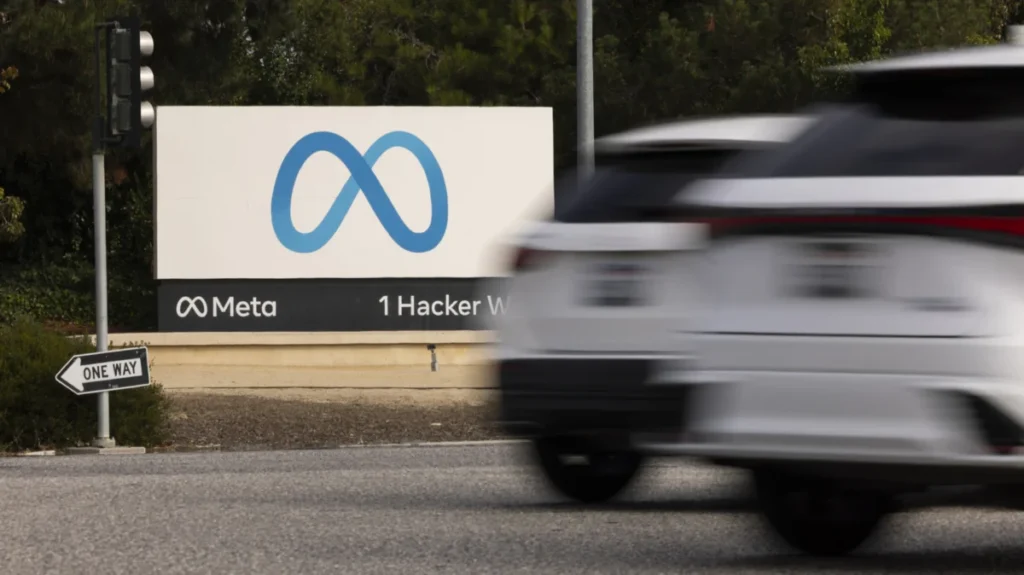
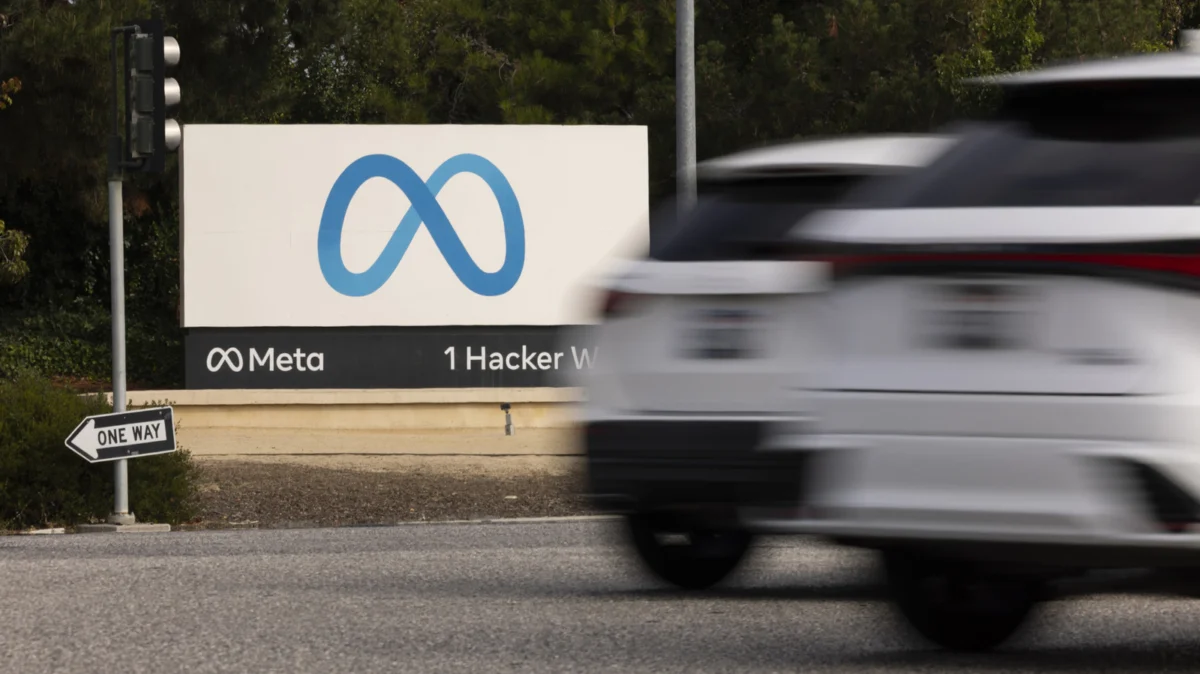
In a move that could fundamentally reshape the landscape of the artificial intelligence industry, Meta Platforms Inc. is reportedly in preliminary discussions to lease its massive data center infrastructure to AI research firm Anthropic. If finalized, the deal could be valued at as much as $10 billion over a two-year period, marking a significant departure from Meta’s traditional business model and signaling a new chapter in the "compute wars" currently defining Silicon Valley.
For Meta, the parent company of Facebook, Instagram, and WhatsApp, this potential partnership represents more than just a real estate transaction; it signifies a strategic pivot toward becoming a foundational cloud provider. For Anthropic, the creators of the Claude AI suite, such an arrangement would provide the necessary computational oxygen to fuel its rapidly expanding large language models (LLMs).
The Core Facts: A Mutually Beneficial Alliance
The core of the proposal centers on the massive, high-performance computing clusters Meta has spent years constructing to support its own Llama model development. As Meta accelerates its AI ambitions, it has built one of the world’s most formidable footprints of GPUs and server hardware.
Leasing this infrastructure to a direct competitor—or, more accurately, a "frenemy" in the AI space—is a calculated risk. However, the financial upside is substantial. By offloading surplus compute capacity to a high-demand client like Anthropic, Meta could begin to recoup a fraction of the staggering $125 billion to $145 billion in capital expenditures projected for 2026. This transforms Meta’s internal infrastructure from a pure "cost center" into a "revenue-generating asset," a transformation that shareholders have been demanding as the company pours billions into the AI arms race.
Chronology: How We Got Here
The road to this potential partnership is paved with years of shifting corporate strategies.
- 2022–2023: Meta begins an aggressive hardware procurement strategy, prioritizing NVIDIA H100 chips to catch up in the generative AI race following the launch of ChatGPT.
- Late 2024: During a quarterly earnings call, CEO Mark Zuckerberg acknowledges the sheer volume of inquiries from third parties looking to rent Meta’s data center space. He explicitly states that "it is an option" the company is evaluating.
- Early 2025: Reports emerge via Bloomberg suggesting that Meta is exploring a dedicated cloud services business, positioning itself to compete—at least in niche capacity—with the "Big Three" cloud providers: Amazon Web Services (AWS), Microsoft Azure, and Google Cloud.
- Mid-2025: Anthropic secures a landmark $45 billion, three-year agreement with SpaceXAI to secure compute resources, demonstrating the firm’s willingness to look beyond traditional cloud providers to scale its operations.
- Current Date: The New York Times reports that Meta and Anthropic have entered early-stage discussions regarding a multi-billion dollar lease, setting the stage for what would be one of the largest infrastructure deals in the history of the software industry.
Supporting Data: The Hunger for Compute
To understand why this deal is so critical, one must look at the economics of modern AI. Training and running models like Claude 3.5 Sonnet or Llama 3 requires thousands of specialized GPUs running in tandem for weeks or months.
The Cost of Intelligence
The capital expenditure requirements for AI development are reaching unprecedented levels. Meta’s projected 2026 spend—up to $145 billion—is double the entire annual budget of some mid-sized nations. This massive investment is driven by:
- Hardware Scarcity: Despite increased production, the demand for high-end AI chips still outstrips supply.
- Energy Consumption: Data centers are no longer just server rooms; they are power-hungry industrial facilities requiring dedicated grid connections.
- Efficiency Gains: By utilizing Meta’s existing, optimized infrastructure, Anthropic can bypass the months-long lead times required to build their own dedicated data centers.
The Comparison
Anthropic’s recent deal with SpaceXAI for $45 billion serves as a blueprint for the current negotiations. That arrangement allowed Anthropic to immediately boost its rate limits for subscribers, effectively ending the "bottleneck" period that had previously hampered its commercial expansion. A deal with Meta would likely offer similar, if not superior, latency and processing speeds due to Meta’s optimized networking fabric.
Official Responses and Corporate Positioning
Neither Meta nor Anthropic has provided a formal confirmation of the deal, maintaining a "no comment" stance standard for early-stage negotiations. However, the broader context provided by leadership is telling.
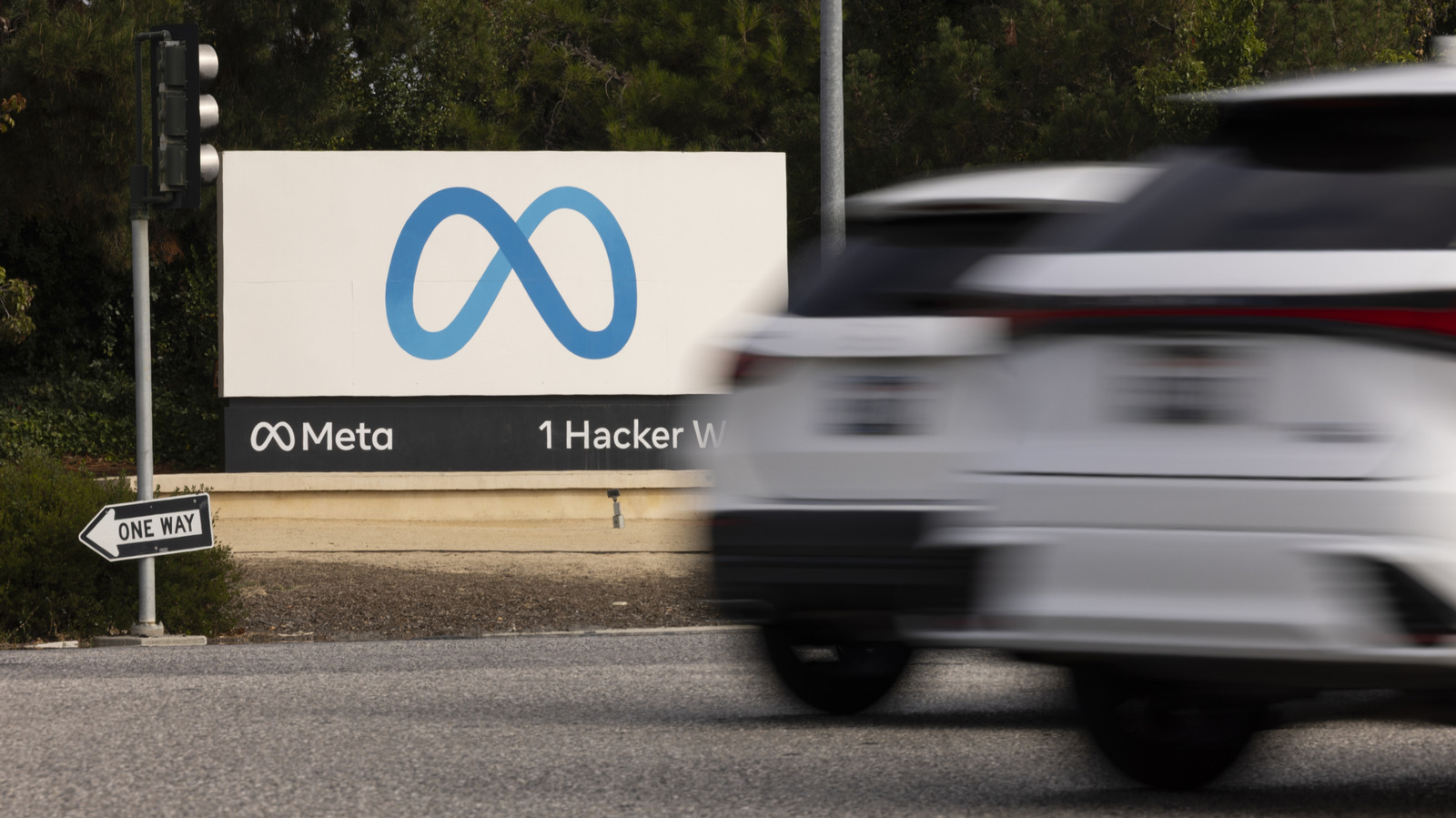
Mark Zuckerberg has repeatedly framed Meta’s AI strategy as one of "openness" and "ecosystem building." By leasing out its data centers, Meta isn’t just making money; it is cementing its position as a primary gatekeeper of the AI infrastructure layer. If Meta becomes the engine room for other AI giants, it secures its relevance regardless of which specific AI model wins the race for consumer adoption.
Anthropic, led by Dario Amodei, has maintained a focus on "safety-first" AI development. Securing independent, high-capacity infrastructure allows the company to maintain its technological edge without becoming overly dependent on a single cloud provider like AWS or Google, both of which have their own competing AI interests.
Implications: A New Era for Big Tech
The implications of this deal are far-reaching and touch upon several key facets of the tech industry.
1. Disrupting the Cloud Oligopoly
For years, the cloud market has been dominated by AWS, Microsoft, and Google. If Meta successfully enters this space, it challenges the status quo. By offering raw compute power to peers, Meta could undercut the pricing models of traditional cloud providers, who typically bundle compute with a suite of proprietary software services.
2. The "Frenemy" Dynamic
There is a profound irony in Meta potentially powering the models that compete directly with its own Llama series. However, in the high-stakes world of modern tech, horizontal cooperation is becoming the norm. The deal suggests that the cost of entry into "frontier AI" is now so high that even the largest tech titans must collaborate to manage the burden of infrastructure development.
3. Investor Confidence
Investors have been increasingly nervous about Meta’s massive capital spending. A $10 billion deal would serve as a powerful signal that Meta’s "AI tax"—the massive cost of GPUs—can be monetized. It provides a tangible path to ROI that goes beyond just advertising revenue.
4. Regulatory Scrutiny
Such a deal is almost certain to attract the attention of antitrust regulators. In both the U.S. and the EU, authorities are already wary of the "AI alliance" between major incumbents. A partnership between two of the most significant players in the sector could be viewed as a move to exclude smaller, independent AI developers from accessing the necessary hardware to compete.
Conclusion: The Road Ahead
While the deal remains in its infancy, the potential partnership between Meta and Anthropic is a watershed moment. It highlights a transition from an era where companies built their own walled gardens to an era where the underlying infrastructure of the internet is becoming a shared, albeit incredibly expensive, commodity.
As negotiations progress, the industry will be watching closely. Whether this becomes a template for future AI collaboration or a flashpoint for regulatory intervention remains to be seen. One thing is certain: in the race to build the next generation of artificial intelligence, the hardware—and the ability to lease it—has become the most valuable currency on earth.