Powering Through: The Reality of High-Capacity Portable Charging
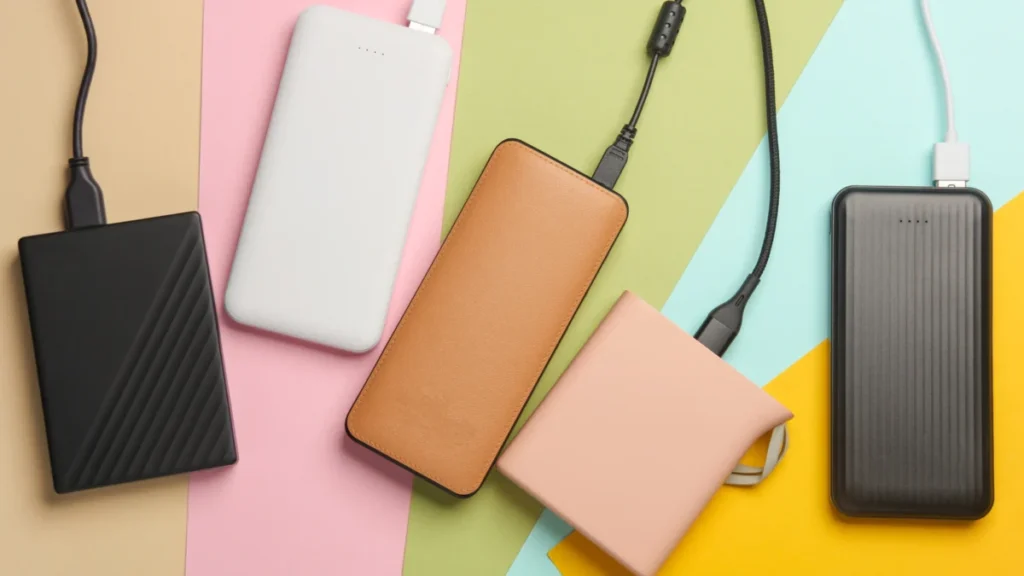
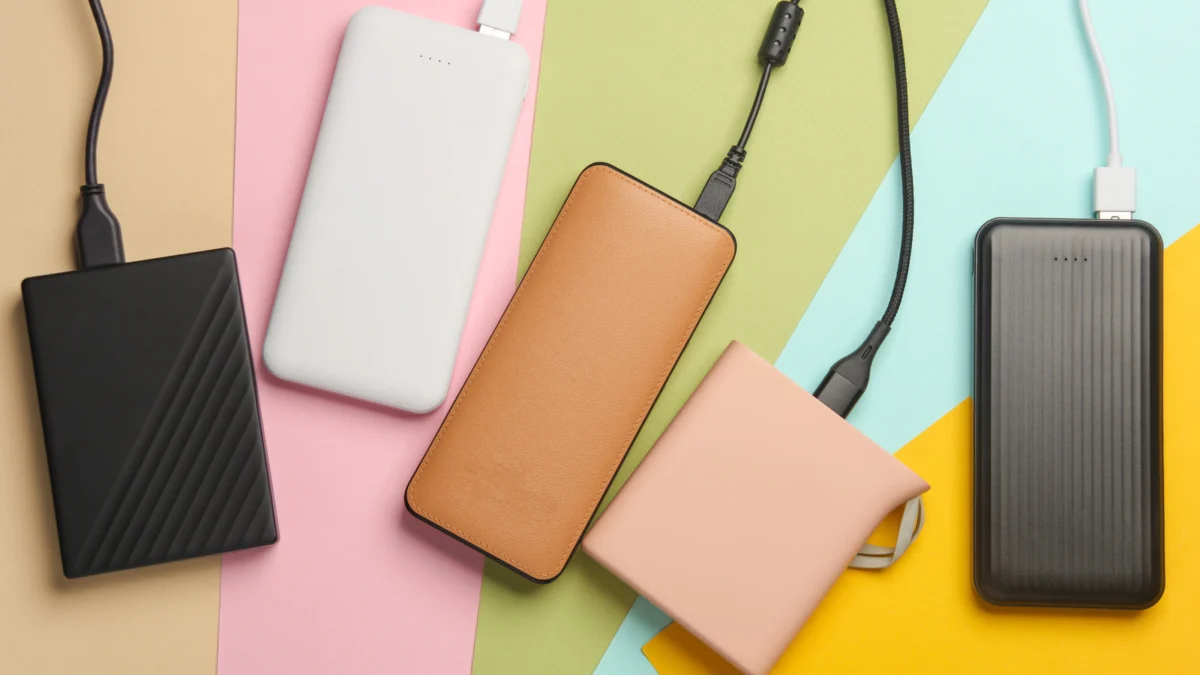
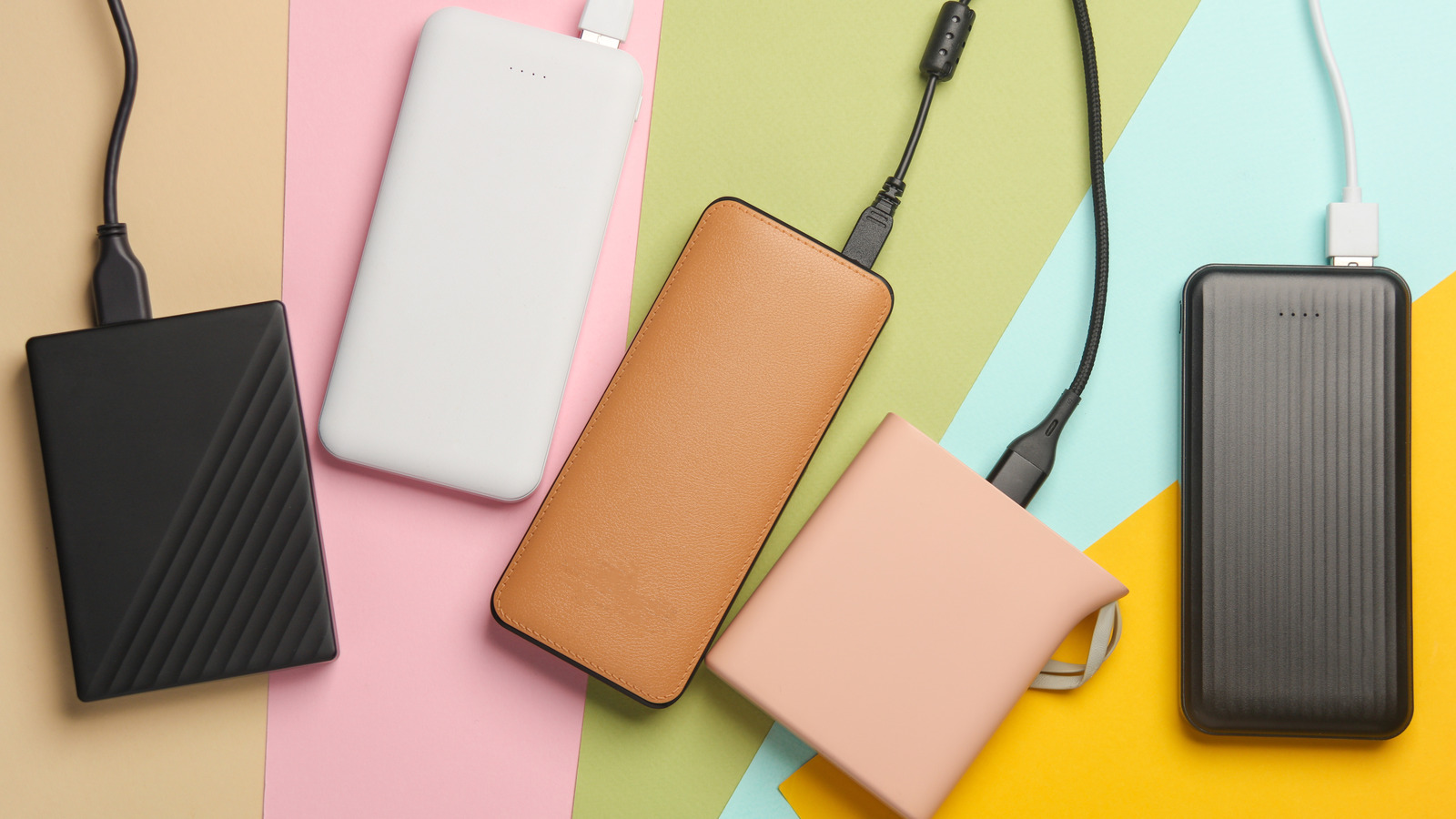
In an era where our digital existence is tethered to a lithium-ion lifeline, the anxiety of a draining battery has become a universal modern experience. Whether you are navigating remote hiking trails, working from a coffee shop without accessible outlets, or managing a high-demand device that acts as a mobile hotspot, the need for portable power is non-negotiable. Among the sea of options, the 20,000 mAh power bank has emerged as the "gold standard" for heavy users. But how much juice does that actually translate to, and is it worth the added bulk in your bag?
The Core Fundamentals: Understanding Capacity
At its most basic level, a power bank acts as a reservoir for electrical energy. To understand why a 20,000 mAh rating matters, one must first demystify the terminology. "mAh" stands for milliamp-hours, a unit of electrical charge. Theoretically, a 20,000 mAh battery should be able to deliver 20,000 milliamps of current for exactly one hour.
However, consumer electronics marketing often simplifies the physics. In real-world applications, you will never achieve a 100% transfer of that stated capacity. Due to the laws of thermodynamics—specifically the energy lost as heat during the conversion process—and internal resistance, a power bank typically delivers only 60% to 70% of its rated capacity to your device.
Watt-Hours: The True Metric
A more precise way to evaluate portable power is through watt-hours (Wh). While mAh measures charge, Wh measures total energy capacity. Most lithium-ion cells operate at a nominal voltage of 3.7V. To calculate the watt-hours of a 20,000 mAh bank, you multiply the capacity by the voltage and divide by 1,000.
Calculation: (20,000 mAh × 3.7V) / 1,000 = 74 Wh.
This figure is crucial for several reasons, not least of which is aviation compliance. Major international airlines generally cap the energy capacity of portable batteries allowed in carry-on luggage at 100 Wh. Consequently, the 20,000 mAh power bank sits perfectly within the safe, legal zone for air travel, providing maximum possible capacity without triggering security restrictions.
Chronology of the Portable Power Revolution
The evolution of portable charging has moved in lockstep with the smartphone industry.
- The Early Days (2005–2010): Portable power was largely a niche product for professional photographers or business travelers using specialized, proprietary battery packs. Most mobile phones still featured removable batteries, meaning the "power bank" was simply a spare battery carried in a pocket.
- The Sealed-Battery Era (2011–2015): As manufacturers like Apple and Samsung shifted toward sleek, unibody designs with non-removable batteries, the "external battery" industry exploded. Early iterations were often heavy, inefficient, and slow, limited by micro-USB charging standards.
- The Modern Standardization (2016–Present): With the advent of USB-C and Power Delivery (PD) protocols, power banks evolved from simple "bricks" into intelligent devices. Today’s high-capacity chargers are capable of negotiating power output, allowing a single 20,000 mAh bank to charge anything from a pair of wireless earbuds to a power-hungry MacBook Pro.
Supporting Data: Efficiency and Real-World Performance
To determine if a 20,000 mAh bank is the right investment, one must look at the energy demands of common modern hardware.
| Device Type | Battery Capacity (Approx.) | Expected Full Charges from 20,000 mAh Bank |
|---|---|---|
| Standard Smartphone (iPhone 15/Galaxy S24) | 4,000–5,000 mAh | 3 to 4 full charges |
| Large Tablet (iPad Pro 12.9) | 10,000–11,000 mAh | 1.2 to 1.5 full charges |
| Ultraportable Laptop (MacBook Air) | 50 Wh | ~1 full charge |
These figures assume optimal conditions. When factoring in the efficiency loss mentioned previously (the ~70% effective output), the math changes. A 20,000 mAh bank effectively provides roughly 14,000 mAh of usable power. If your phone has a 5,000 mAh battery, you should expect approximately three full charges, not four.
Furthermore, if you are charging a laptop, the power bank must step up the voltage from 3.7V to 15V or 20V. This voltage conversion generates significant heat, which further diminishes the net energy transferred to the laptop.
The Trade-off: Portability vs. Power
The primary criticism of the 20,000 mAh power bank is its physical footprint. These devices are inherently dense. They utilize multiple lithium-ion cells—usually two or three 10,000 mAh cells wired in parallel—which adds significant weight and volume.
For the average commuter, a 20,000 mAh unit may indeed be "overkill." For those individuals, companies like Anker, Mophie, and Belkin offer 5,000 mAh or 10,000 mAh alternatives. Many of these smaller units now feature magnetic attachment systems (such as Apple’s MagSafe), allowing them to snap onto the back of a phone for a seamless, cable-free experience. These are designed for "top-ups" rather than complete recharges, serving the user who needs just enough power to make it home after a long day.
Official Industry Stances and Safety Implications
Regulatory bodies, including the Federal Aviation Administration (FAA) and the International Air Transport Association (IATA), have clear mandates regarding lithium-ion batteries. The 100 Wh limit exists because high-capacity batteries pose a fire risk in the pressurized, oxygen-rich environment of an aircraft cabin.
Manufacturers are required to print the Wh rating clearly on the casing of these devices. Consumers are strongly advised to avoid "no-name" brands found on discount marketplaces, as these often lack the sophisticated Thermal Management Systems (TMS) necessary to prevent overheating during high-wattage charging. An official, reputable power bank will include protections against:
- Over-voltage: Preventing too much current from entering the device.
- Short-circuiting: Automatically cutting power if a fault is detected.
- Over-discharging: Protecting the longevity of the bank’s own cells.
Implications for the Future: What Should You Buy?
Deciding whether to invest in a 20,000 mAh power bank boils down to three questions:
- Usage Frequency: Do you spend 12+ hours away from a wall outlet regularly?
- Device Variety: Do you need to charge a laptop or tablet in addition to your phone?
- Tolerance for Weight: Are you willing to carry an extra 300–450 grams in your bag?
If you are a photographer working on location, a student with a packed schedule, or an outdoor enthusiast, the 20,000 mAh capacity is the industry standard for a reason: it provides enough buffer to eliminate "battery anxiety" entirely.
However, if your daily routine involves moving from a home office to a car to an office desk, you are likely better served by a smaller, faster-charging 10,000 mAh unit. When purchasing, prioritize banks that support Power Delivery (PD) and PPS (Programmable Power Supply), as these protocols ensure your devices charge as quickly as their safety circuits allow.
In conclusion, the 20,000 mAh power bank is a specialized tool for the modern power user. It is not a universal solution, but for those who demand total autonomy from the grid, it remains the most efficient, travel-friendly, and reliable companion for a life on the move.