The Fall of NetNut: FBI Dismantles a Global Residential Proxy Giant
In a sweeping cross-border law enforcement operation, the Federal Bureau of Investigation (FBI) has effectively crippled NetNut, a sprawling residential proxy network operated by the publicly traded Israeli firm Alarum Technologies [NASDAQ: ALAR]. By seizing hundreds of domains linked to the service, authorities have struck a significant blow against a platform that had become a primary conduit for global cybercrime.
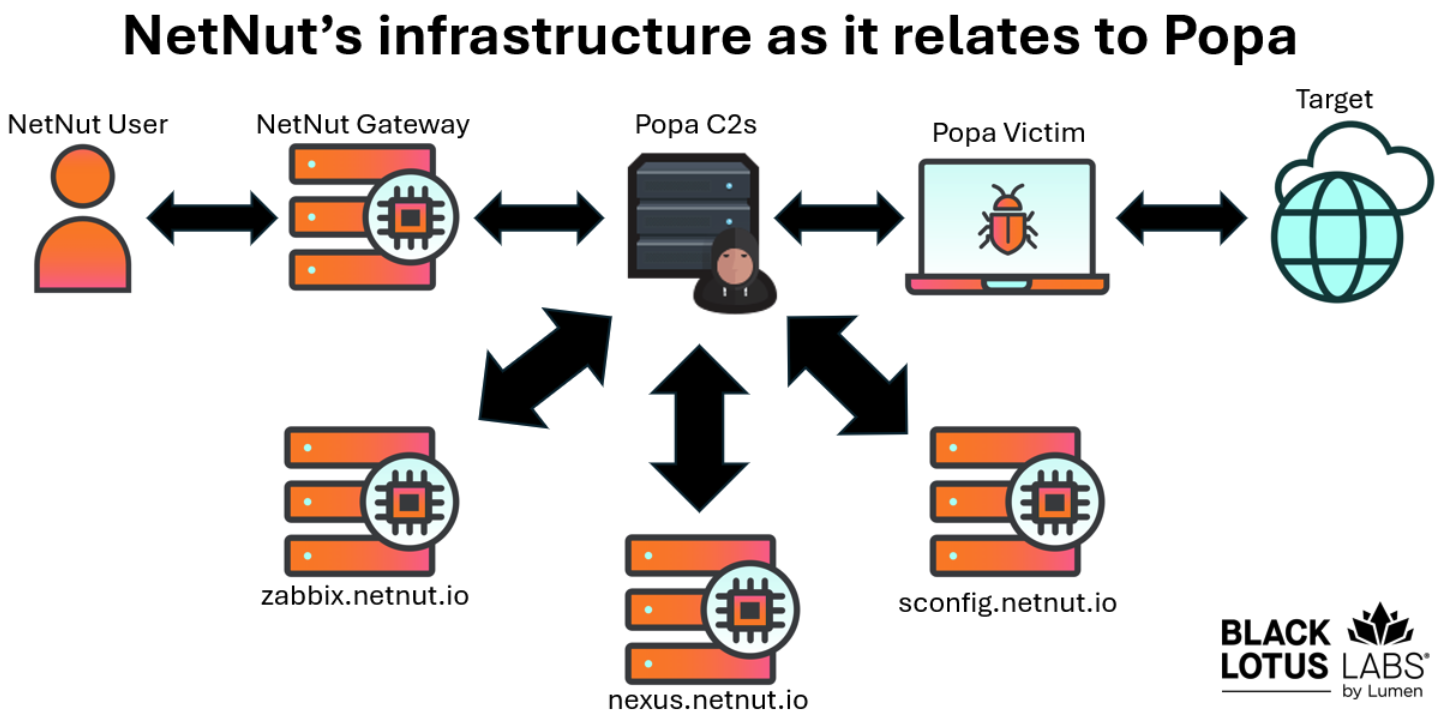
The takedown follows a wave of mounting pressure from cybersecurity researchers, who recently exposed the deep-seated ties between NetNut’s commercial proxy infrastructure and the Popa botnet—a massive collection of over two million compromised consumer devices, including smart TVs and streaming boxes, repurposed into involuntary relay nodes for malicious internet traffic.
The Chronology of a Takedown
The collapse of NetNut was not an overnight event, but rather the culmination of weeks of intense scrutiny by private sector threat intelligence firms and federal investigators.
The Initial Exposure
On June 19, 2026, the cybersecurity community was rocked by synchronized reports from three independent research firms. These reports presented irrefutable evidence that NetNut was not merely a legitimate proxy service but the commercial engine powering the Popa botnet. Researchers demonstrated that the company’s software—distributed through various apps and pre-installed on low-cost hardware—silently transformed residential devices into "always-on" exit nodes.
The Enforcement Action
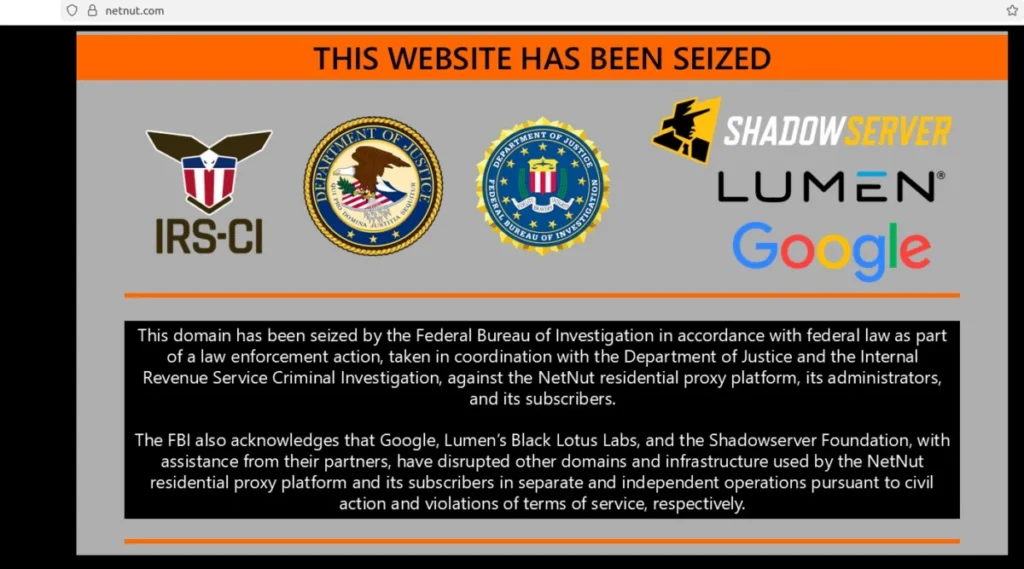
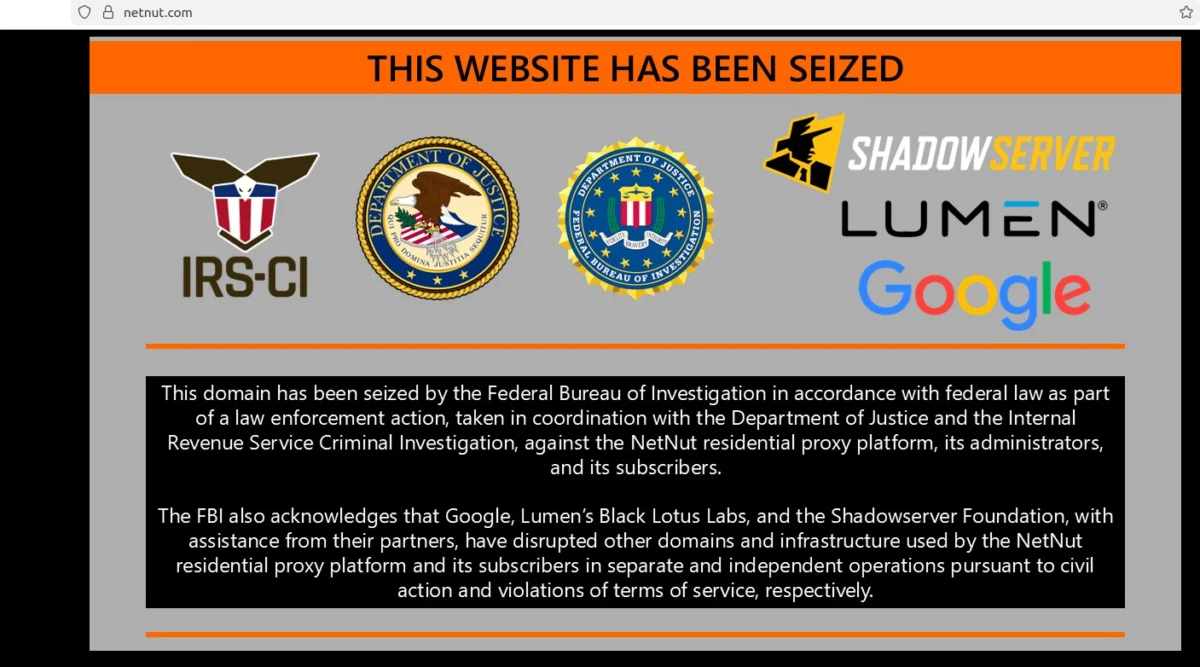
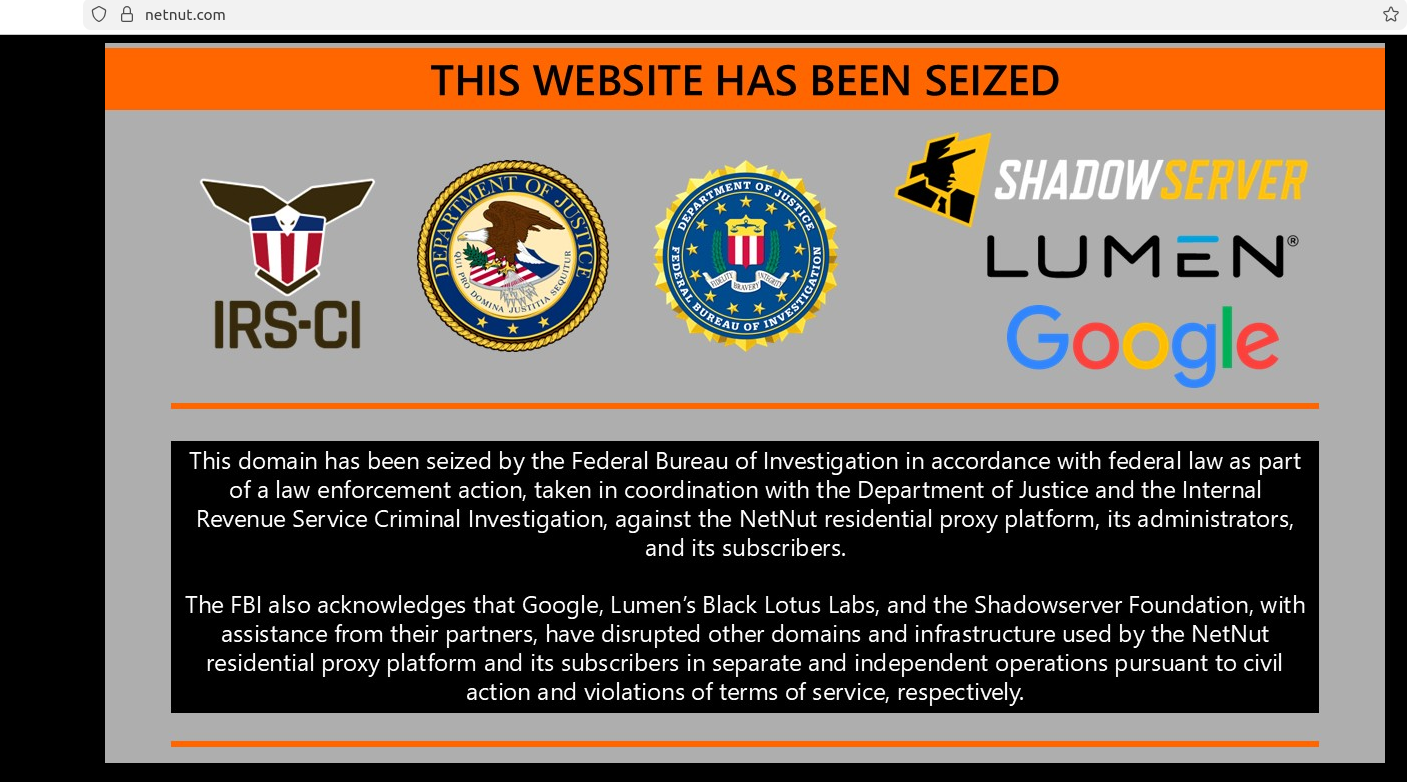
The situation reached a breaking point in early July. When users attempted to access NetNut’s primary domain, they were greeted by an official seizure banner issued by the FBI and the Internal Revenue Service (IRS) Criminal Investigation division. The notice explicitly acknowledged the collaborative efforts of industry giants including Google, Lumen, and the threat-intelligence organization Shadowserver.
The Aftermath
The disruption proved to be comprehensive. Within days of the initial domain seizures, the impact spread to the parent company. By July 8, the corporate website for Alarum Technologies (alarum[.]io) also displayed the FBI’s seizure notice. Market reactions were immediate and brutal; Alarum’s stock plummeted, shedding approximately 67 percent of its value in a single week, leaving it trading at $2.62 per share.
The Anatomy of the Popa Botnet
The synergy between NetNut’s proxy network and the Popa botnet provided a blueprint for how modern cybercriminals operate under the guise of legitimate "residential proxy" services.
How the Infection Works
NetNut’s operations relied on the silent hijacking of consumer electronics. Many of the devices involved—primarily non-branded Android TV boxes and smart televisions—came bundled with specific software development kits (SDKs). These SDKs, often hidden within "pirated" streaming apps, allowed the device to serve as a gateway for outside traffic.
For the average consumer, the device appeared to be functioning normally, perhaps occasionally slower than usual. In reality, the device was acting as an intermediary for:
- Advertising Fraud: Generating fake clicks on digital advertisements to drain marketing budgets.
- Content Scraping: Bypassing security measures on websites to harvest proprietary data.
- Account Takeover (ATO): Masking the true IP addresses of attackers attempting to brute-force login credentials on banking or retail platforms.
The Google Threat Intelligence Group (GTIG) Findings
Google’s investigation into the network revealed the sheer scale of the abuse. In just one week in June 2026, GTIG identified 316 distinct clusters of malicious actors—ranging from petty cybercriminals to state-sponsored espionage groups—actively leveraging NetNut exit nodes to obfuscate their digital footprint.
"These bad actors can use NetNut to mask their origin IP address when accessing victim environments, accessing their own infrastructure, and conducting password spray attacks," Google noted in a detailed technical report. Furthermore, by compromising the home router/TV setup, these actors gained a foothold within the user’s private home network, effectively bypassing firewalls and exposing other connected devices—such as laptops and smartphones—to direct compromise.
Official Responses and Corporate Accountability
As the digital infrastructure of NetNut crumbled, the response from its parent company was one of calculated cooperation.
Omer Weiss, legal counsel for Alarum Technologies, issued a statement following the seizure, confirming the company’s awareness of the investigation. "Alarum takes this matter seriously and will fully cooperate with law enforcement to ensure any misuse of its infrastructure is thoroughly investigated and those responsible are held to account," Weiss stated.
However, the legal promise of cooperation does little to mitigate the reputational damage or the reality of the business model. For years, the proxy industry has operated in a gray area, claiming "legitimate" use cases like market research and SEO tracking, while turning a blind eye to the reality that their infrastructure is indistinguishable from that used by botnet operators.
Broader Implications for the Proxy Ecosystem
The dismantling of NetNut and the Popa botnet has sent shockwaves through the "residential proxy" marketplace. Experts suggest that the ecosystem is far more fragile than its operators would have the public believe.
A Domino Effect
Benjamin Brundage, founder of the proxy tracking service Synthient, argues that this takedown is a "force multiplier" for security. NetNut had surged in popularity following the earlier FBI-backed seizure of IPIDEA, another major player in the proxy space.
"I think this takedown is going to have a big impact, because NetNut gained significant popularity after the IPIDEA takedown," Brundage explained. "NetNut was on par with IPIDEA in terms of daily traffic, quality, and price. Its removal significantly limits the options for bad actors."
The "Reseller" Problem
Despite the success of these operations, the threat remains fluid. Google’s intelligence reports warn that the residential proxy market is characterized by a "whitelabeling" culture. When one major network is seized, the underlying operators often simply move their traffic to a competitor or become a reseller, effectively keeping the same malicious botnet alive under a different corporate shell.
"What we have observed is that when faced with the degradation of their own botnet, proxy operators begin buying capacity from their competitors, effectively becoming a reseller," Google noted. Consequently, the challenge for law enforcement and tech giants is to scale their efforts to dismantle not just the "brand" names, but the interconnected backend infrastructure that supports them.
Consumer Protection: How to Defend Your Home
The vulnerability of modern smart devices is the primary fuel for these botnets. Consumers must shift their perspective from viewing "smart" devices as isolated appliances to seeing them as potential entry points for sophisticated attackers.
Avoid Non-Brand Hardware
The most effective defense is a change in purchasing habits. The devices most frequently commandeered by the Popa botnet are low-cost, unbranded TV boxes purchased from major e-commerce marketplaces. These devices often ship with modified, non-certified versions of Android.
Google advises consumers to:
- Stick to reputable brands: Buy hardware from manufacturers with a track record of security updates and official certification.
- Verify Play Protect: Ensure the device is certified for Google’s official Android TV OS. Devices that do not operate within the official Google Play store environment are essentially "wild west" devices where malicious SDKs can run unchecked.
- Exercise Caution with Apps: Be highly selective about the apps installed on smart TVs. Research by the security firm Spur revealed that 42 percent of apps available for LG’s webOS and over a quarter of apps for Samsung’s Tizen OS contain residential proxy SDKs.
A Final Warning
The fall of NetNut is a victory for digital hygiene, but it is not the end of the residential proxy threat. As long as there is a financial incentive for cybercriminals to "rent" the bandwidth of unsuspecting households, the market will continue to evolve.
For the average user, the message is clear: if an app or a streaming service seems "too good to be true"—offering free premium content or unknown "optimizations"—it is likely using your home network as a weapon against others. Protecting your network begins with skepticism, verified hardware, and the knowledge that your devices are valuable assets to those who wish to hide their tracks in the shadows of the internet.