Itch.io’s Mid-Year Evolution: A Deep Dive into the Latest Platform Overhaul
The digital storefront and community hub itch.io has long established itself as the premier destination for independent game developers, hobbyists, and experimental creators. Unlike traditional walled-garden platforms, itch.io prioritizes accessibility, creative freedom, and a direct line between creators and their audience. In their latest series of backend and frontend updates, the team behind the platform has addressed several long-standing requests from the developer community, ranging from how users discover games during massive sales to the fundamental infrastructure supporting collaborative bundles.
These updates represent a significant milestone in itch.io’s operational history, signaling a move toward more robust, scalable, and user-centric management tools. This article explores the core features of the recent changelog, the technical motivations behind them, and the broader implications for the independent gaming ecosystem.
Main Facts: The Core Updates
The recent suite of updates, detailed in the latest itch.io developer changelog, covers four primary areas of the site’s infrastructure:
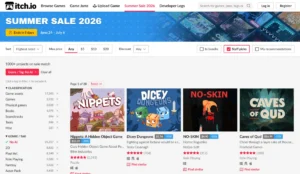
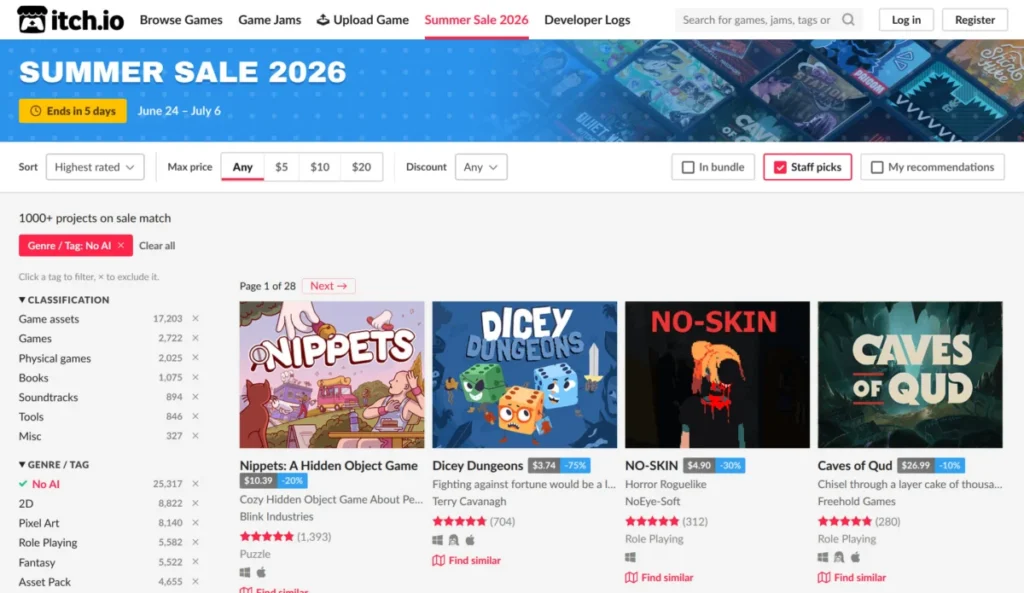
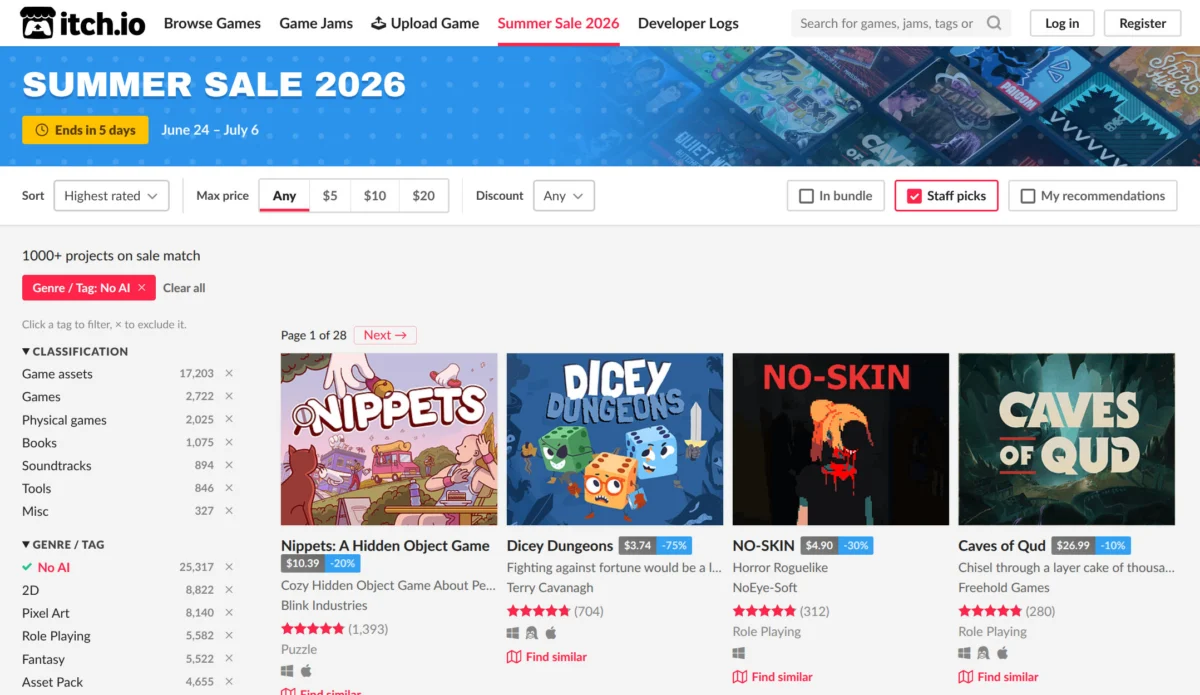
- The Sale Explorer: A bespoke interface designed to streamline the discovery process during the site’s high-traffic seasonal sales.
- Bundle Hosting Revamp: A total architectural rebuild of the system used to manage collaborative project collections.
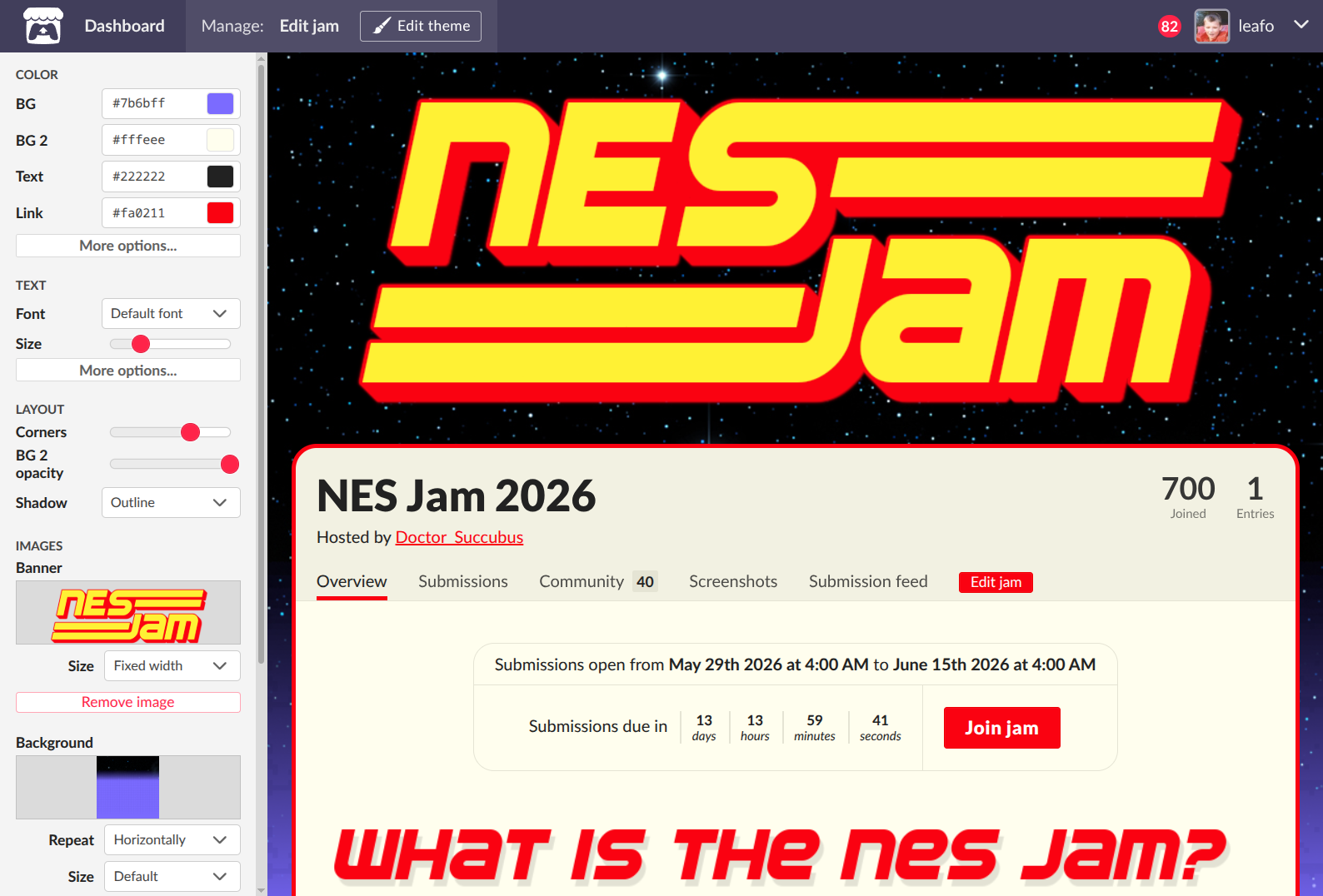
- Modernized Jam Theme Editor: A transition to a unified UI for game jam organizers, enhancing customization while maintaining backward compatibility.
- Enhanced Patreon Integration: A migration to the Patreon V2 API, allowing for more precise, tier-based access control for creators.
These changes were largely born out of necessity, as the platform has grown to host over 30,000 discounted projects during major events like the Summer Sale, rendering older, more static browsing methods inefficient for the average user.
Chronology of Development
The path to these updates was not instantaneous; it was the result of a deliberate, iterative process on the itch.io forums and developer dashboards.
Early 2024: The Planning Phase
Following feedback from developers struggling with managing large-scale collaborations, the itch.io team began internal testing on a more modular bundle system. During this period, the limitations of the existing Patreon integration—specifically regarding currency conversion issues—became a focal point of developer frustration.
May–June 2024: Implementation and Beta Testing
The "Jam Theme Editor" revamp entered its final testing phase, focusing on migrating the legacy CSS-heavy editor to the platform’s standardized UI framework. Simultaneously, the engineering team began stress-testing the "Sale Explorer" to ensure it could handle the traffic of the annual Summer Sale.
July 2024: Deployment
The features were officially rolled out in alignment with the start of the 2024 Summer Sale. The launch was accompanied by extensive documentation in the Developer Updates forum, allowing creators to immediately leverage the new tools for their active projects.
Supporting Data and Technical Context
The Sale Explorer: Managing Complexity
With over 30,000 projects participating in the current Summer Sale, the "Sale Explorer" is a critical piece of infrastructure. By implementing dynamic filtering, users can now slice through the volume of titles based on genre, platform, price point, and user ratings with minimal latency. The system is designed to "take over" the standard sales page, providing a curated, high-performance experience that prevents the site’s traditional search engine from being overwhelmed.
Bundle Hosting: The Backend Overhaul
The bundle system had remained largely unchanged for over a decade. The new architecture introduces:
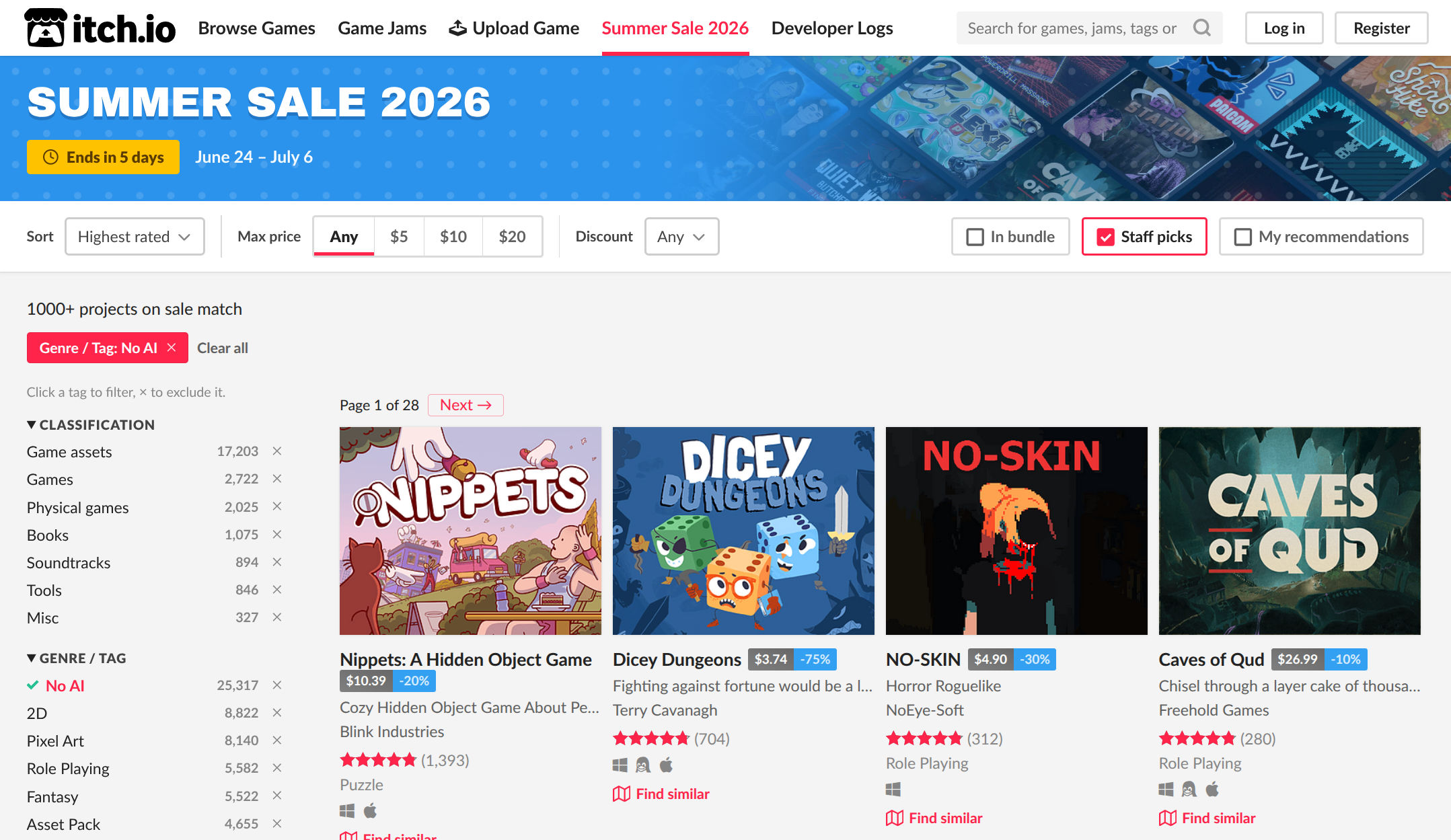
- Automated Participation Management: Streamlining the invitation and acceptance process for contributors.
- Revenue Split Transparency: While currently in the early stages, the new architecture sets the stage for more granular revenue distribution, a highly requested feature by community members.
- Enhanced Metadata Handling: Allowing for better categorization of projects within a bundle, making it easier for buyers to navigate large packs of games.
The Patreon V2 Migration
The transition to the Patreon V2 API is arguably the most impactful change for professional indie developers. The old system was hampered by pledge-amount-based logic, which failed to account for regional currency fluctuations. The new system switches to membership tier-based grants.
Key technical improvements include:
- Currency Agnosticism: Since access is granted via tier status, a patron in the UK, the US, or Japan receives the same access regardless of the currency they use to pay.
- Granular Granting: Creators can now choose to grant access to specific projects, specific files, or the entirety of their catalog based on their supporters’ specific tiers.
- Indefinite Access: The platform maintains its "once claimed, always owned" policy, ensuring that supporters retain their access even if they cancel their subscription after a specific grant period.
Official Responses and Community Interaction
The itch.io team has been notably active in the comment sections of their own changelog, providing transparency and soliciting further feedback.
When a user expressed a desire for a "per-project" revenue split feature to simplify collaborative work, platform founder "leafo" responded directly, acknowledging that while it is not currently available, it remains a high-priority item on the development roadmap. This level of accessibility is central to itch.io’s brand identity.
Furthermore, when users questioned the exclusion of certain platforms in the new filters or requested better management of "AI-assisted" tags, the staff provided technical context, explaining the current limitations of their tagging system and the ongoing efforts to improve search exclusion logic.
Implications for the Future of Indie Development
The impact of these changes extends far beyond mere convenience. They represent a maturation of the itch.io platform.
Professionalization of the "Creator Economy"
By integrating more sophisticated Patreon tools, itch.io is positioning itself as a viable long-term career platform for developers. When creators can confidently rely on their storefront to handle complex support structures, they are more likely to move away from third-party alternatives that take larger cuts of their revenue.
Improved Discovery as a Growth Driver
The "Sale Explorer" is a harbinger of future UI/UX improvements. If successful, the logic used to browse sales will likely be ported to the main store pages. For independent developers, this is a massive boon; better discovery tools mean that smaller, niche projects are less likely to be buried by the platform’s "top-grossing" charts.
The Power of Collaborative Bundles
The overhaul of bundle hosting is a direct nod to the rise of "charity bundles" and "developer collectives." By lowering the friction for managing these groups, itch.io is encouraging a more interconnected ecosystem where developers are incentivized to pool their resources, cross-promote, and grow their audiences collectively rather than in isolation.
Conclusion: A Platform Built for the People
The recent itch.io updates reflect a company that is listening closely to its user base. By focusing on "quality of life" improvements that have a tangible impact on the daily workflow of developers—such as fixing the Patreon currency issue or making large bundles easier to manage—the platform continues to solidify its status as the most developer-friendly space in the gaming industry.
As these features settle into the platform’s infrastructure, the focus will undoubtedly shift toward the next set of challenges: refining search algorithms, improving accessibility for diverse platforms (like Android, as hinted by community requests), and continuing to iterate on the revenue-sharing models that sustain independent game development. For now, the latest changelog stands as a testament to the fact that, even after a decade of success, itch.io remains committed to its foundational mission: empowering the individual creator.
Whether you are a developer looking to maximize your Patreon revenue or a player hunting for hidden gems in the Summer Sale, these updates provide the tools necessary to navigate the ever-expanding landscape of independent gaming with greater ease and precision than ever before.