Revolutionizing Cluster Lifecycle Management: The New Headlamp Cluster API Plugin
By Chayan Das (Independent)
Thursday, June 25, 2026
In the rapidly evolving ecosystem of cloud-native infrastructure, the management of Kubernetes clusters has transitioned from manual, one-off deployments to declarative, lifecycle-managed workflows. At the heart of this shift lies the Cluster API (CAPI), a CNCF sub-project that brings Kubernetes-style APIs to the provisioning, upgrading, and operation of multiple Kubernetes clusters. However, for platform engineers, CAPI has historically been a "terminal-first" discipline, requiring deep familiarity with complex ownership hierarchies and an endless stream of kubectl commands.
Today, the Headlamp project—an open-source, extensible Kubernetes UI—is changing that narrative. With the release of the new Cluster API plugin for Headlamp, platform teams can now manage the entire lifecycle of their infrastructure from a centralized, visual, and highly intuitive browser-based interface.
Main Facts: Bringing Clarity to Complexity
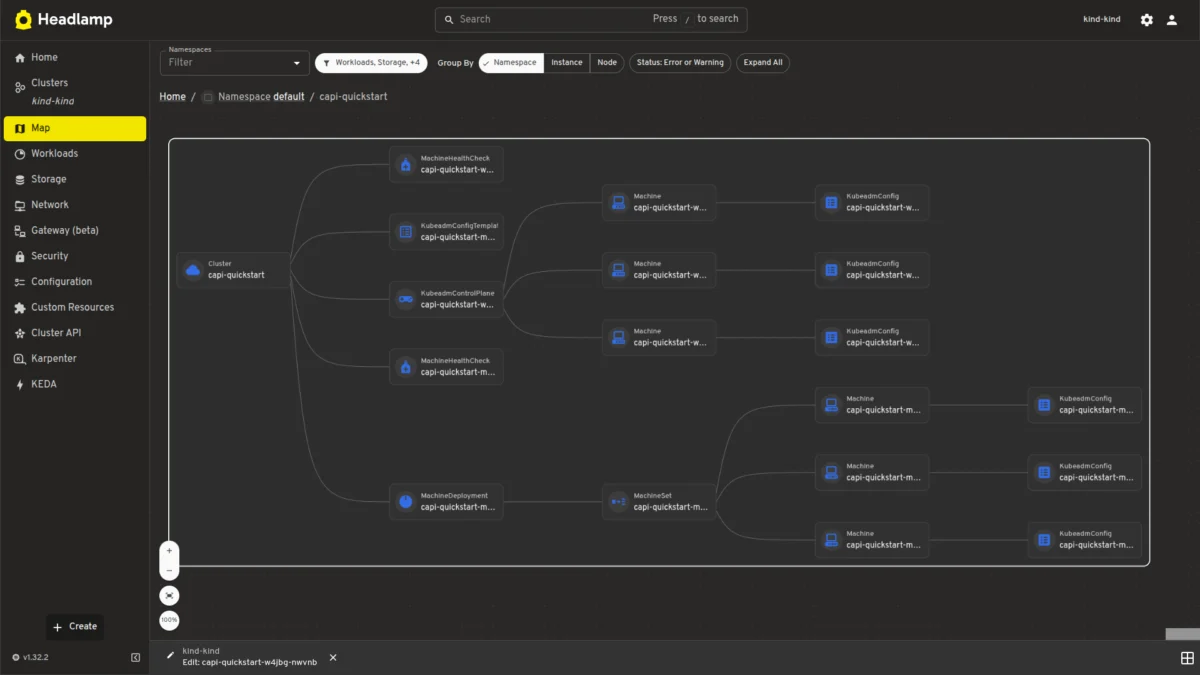
The Headlamp Cluster API plugin is designed to bridge the gap between declarative power and operational visibility. Headlamp, already known for its extensible architecture, now offers a dedicated module that translates raw CAPI resources into human-readable health metrics, relational maps, and actionable management workflows.
At its core, the plugin provides:
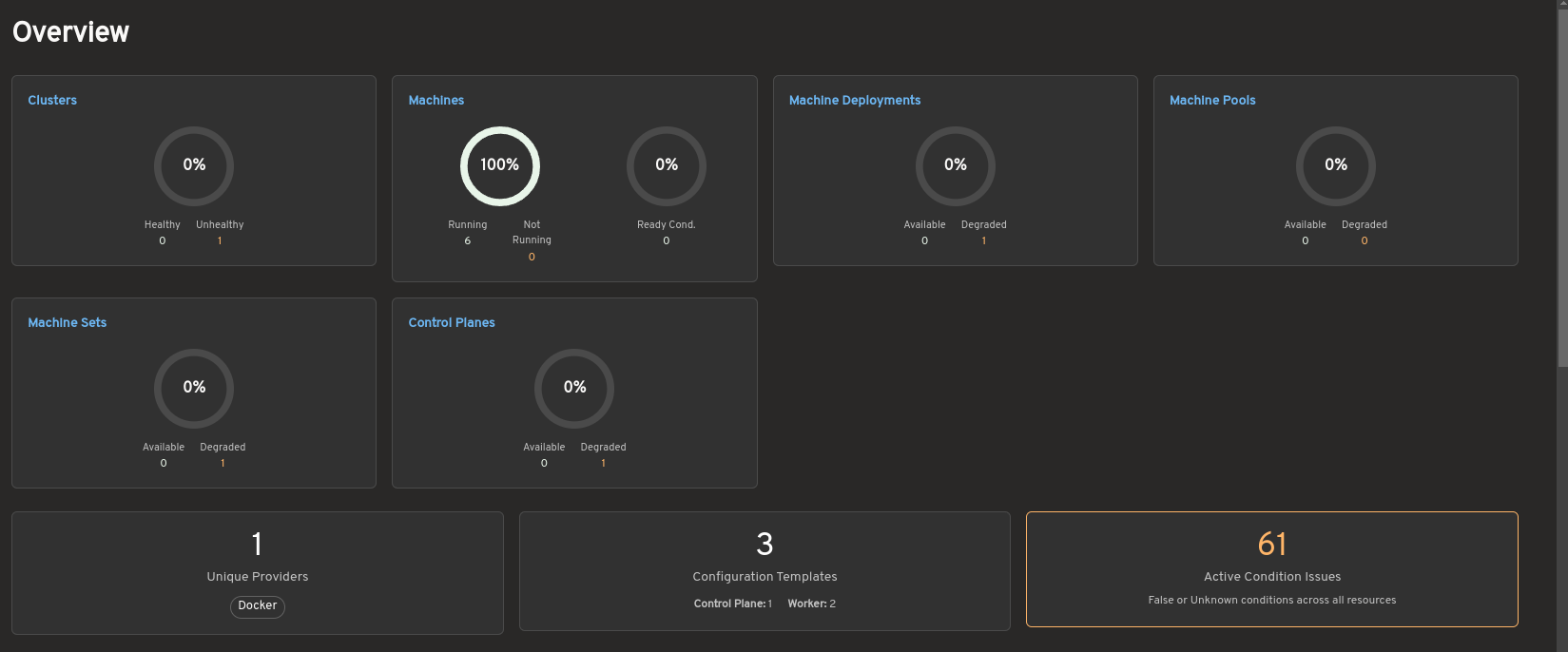
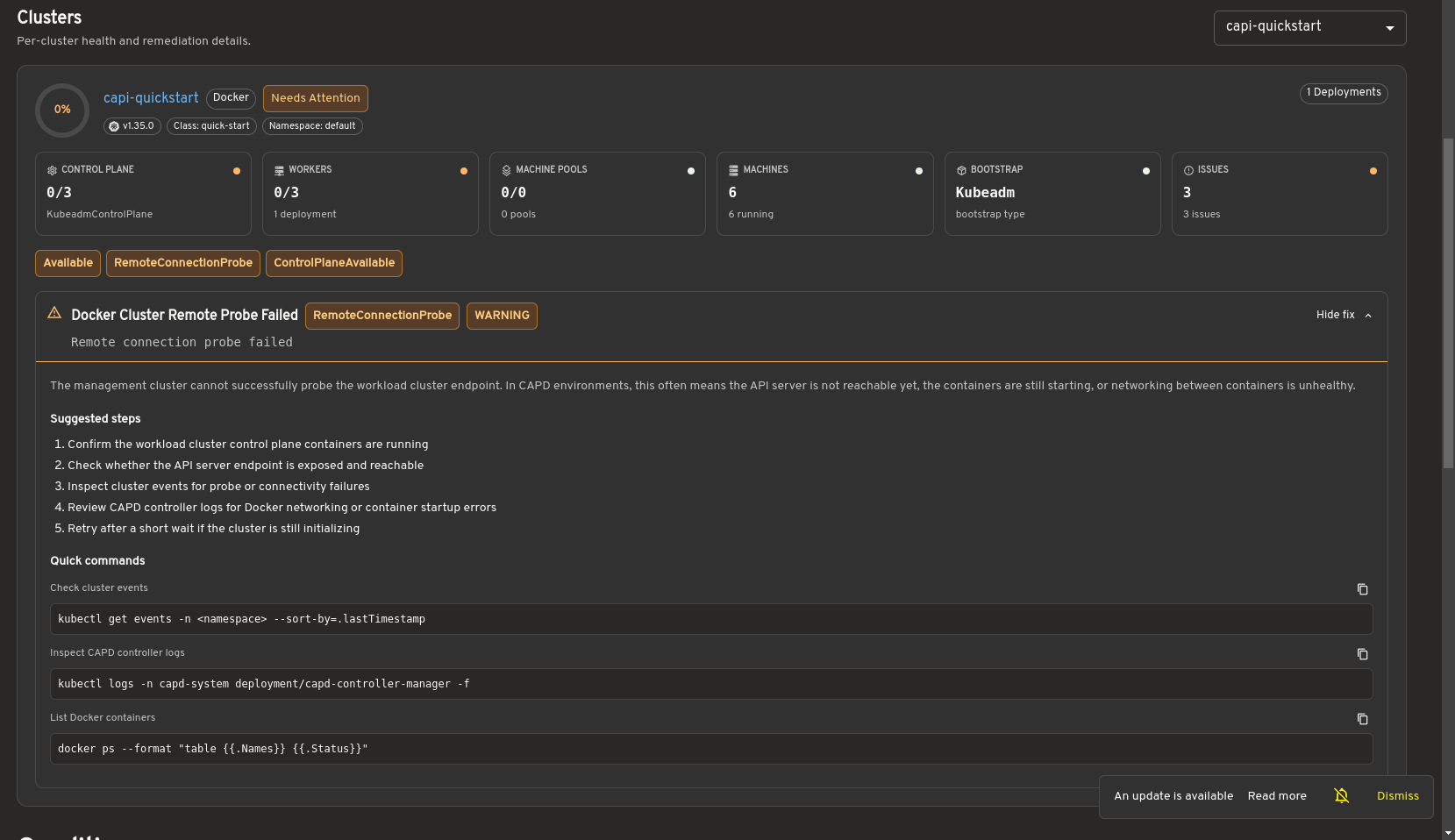
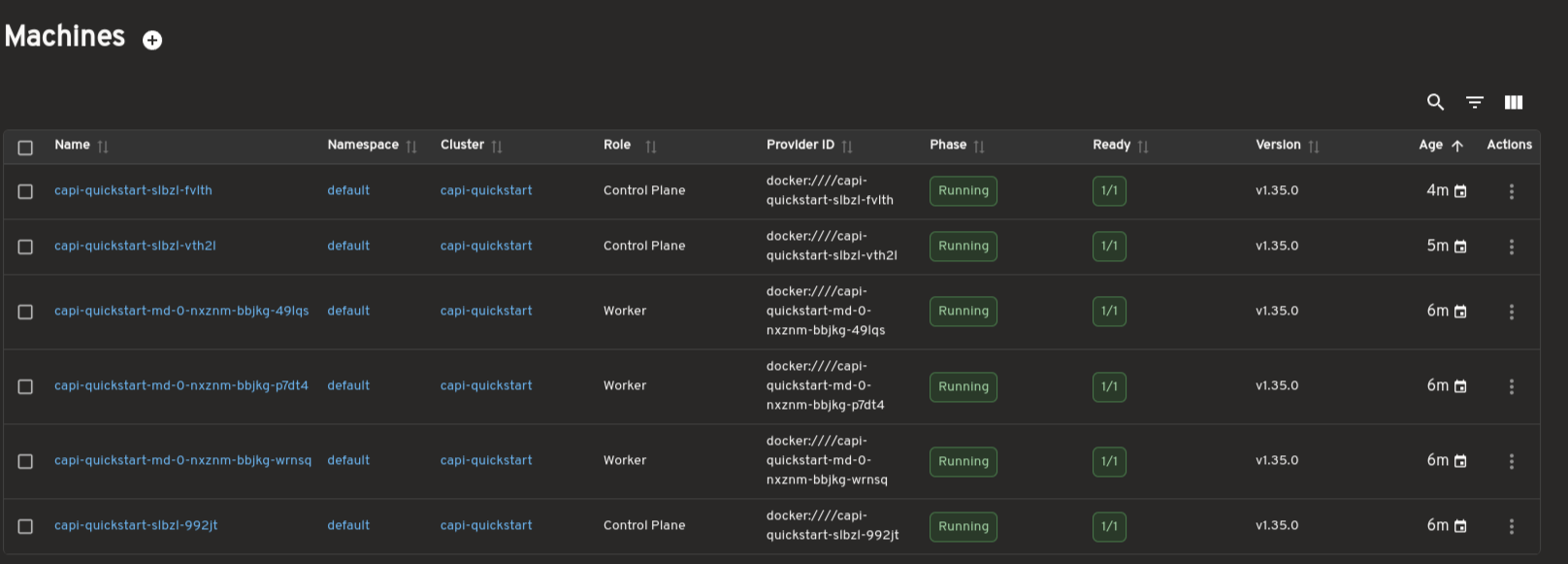
- Centralized Dashboards: A bird’s-eye view of cluster health, including control plane and worker node status.
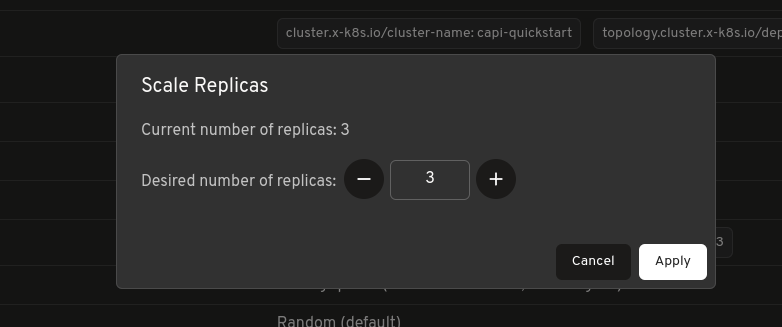
- Operational Control: The ability to scale
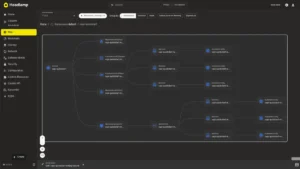
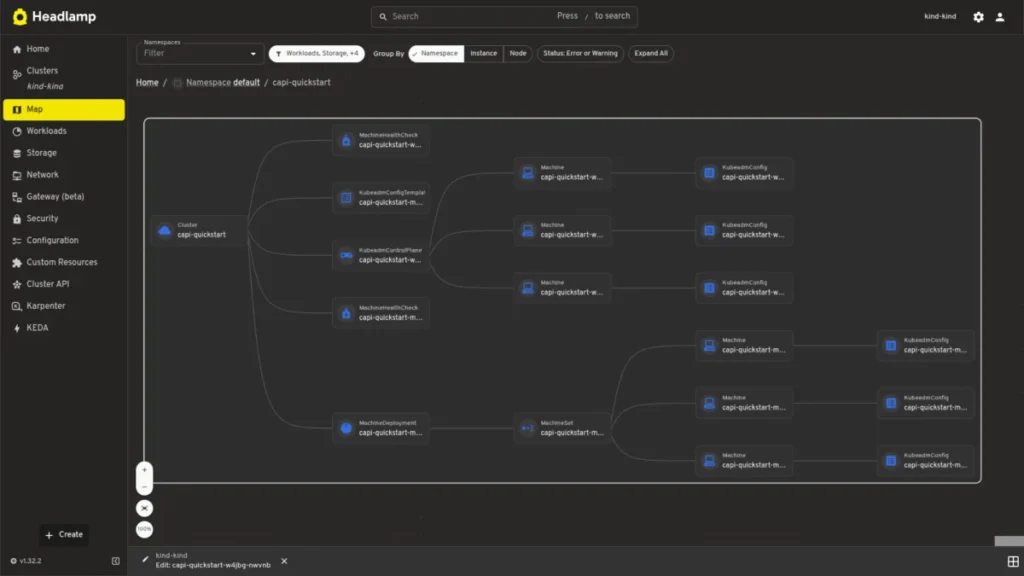
MachineDeploymentsandMachineSetsdirectly from the UI, eliminating the risk of syntax errors in terminal-based scaling commands. - Relationship Visualization: A map view that clarifies the often-convoluted hierarchy between Clusters, Control Planes, and worker resources.
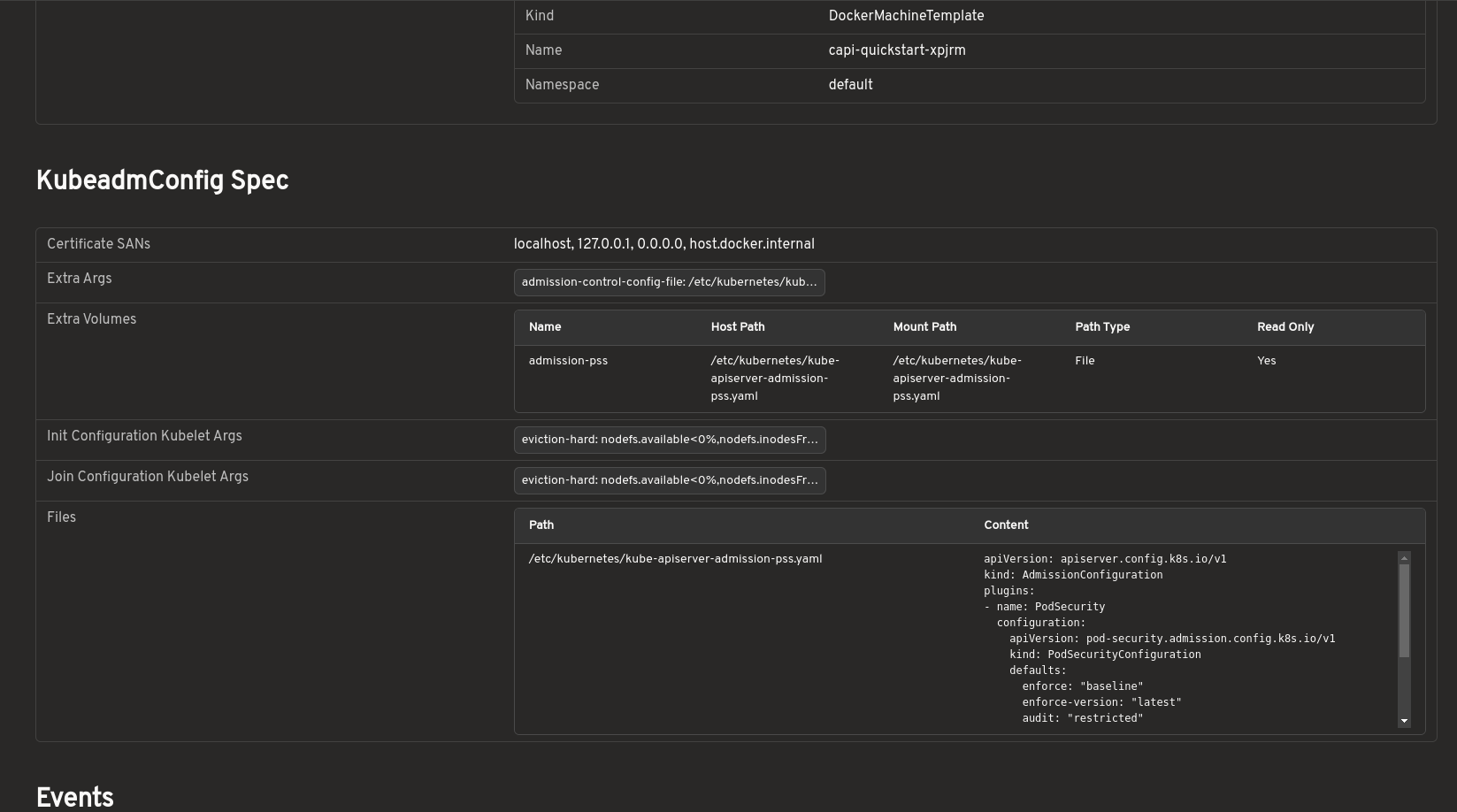
- Deep Inspection: Structured views of
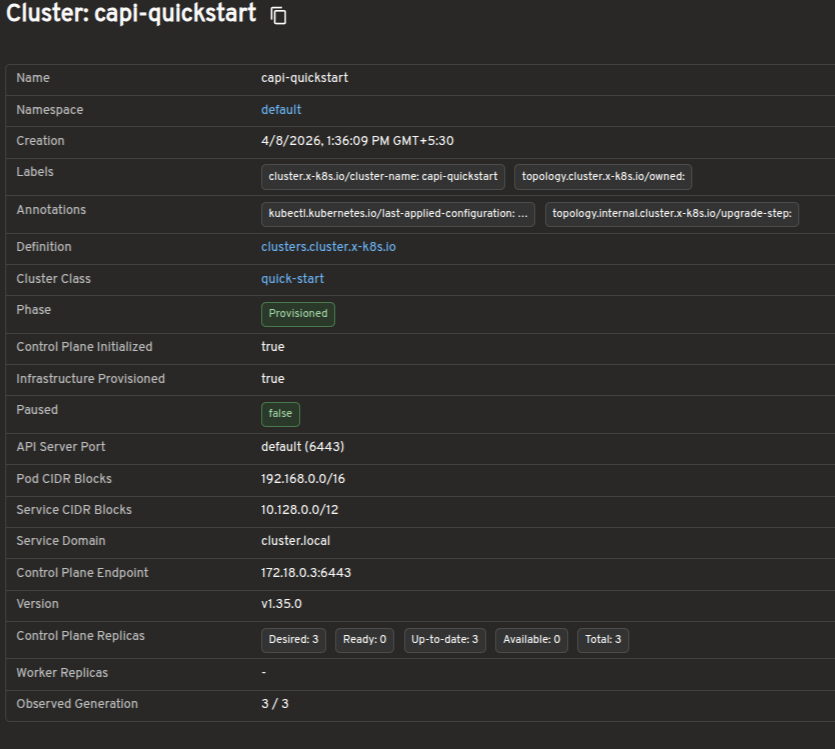
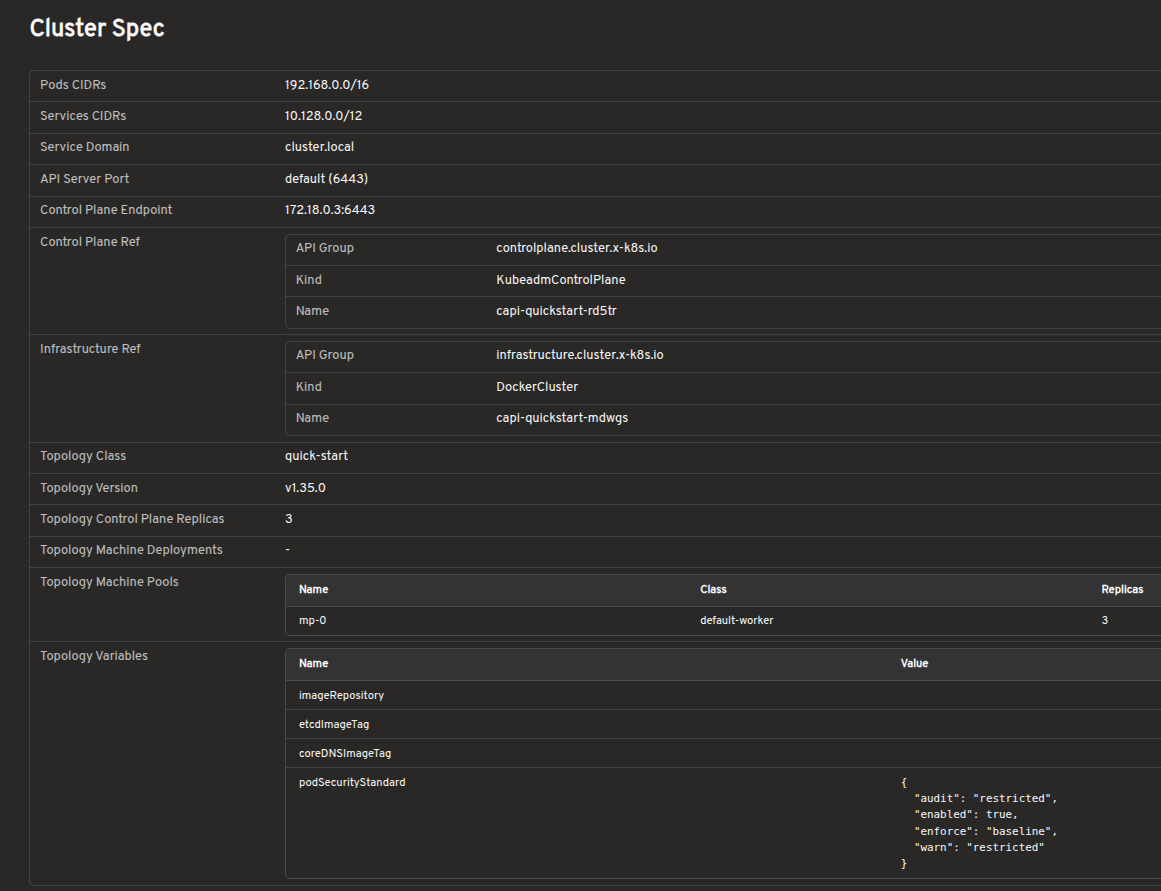
KubeadmConfigdata, allowing operators to inspect bootstrap configurations without wading through dense YAML files or manually decoded secrets.
By moving these operations into a web-based dashboard, Headlamp significantly lowers the barrier to entry for junior platform engineers while providing power users with faster, safer diagnostic pathways.

Chronology of Development: From Concept to Alpha
The genesis of this plugin is rooted in the CNCF’s commitment to fostering the next generation of open-source maintainers. The development of the Headlamp Cluster API plugin was conducted as part of the LFX Mentorship program, a prestigious initiative designed to integrate new contributors into the CNCF project ecosystem.
- Q1 2026: Initial design discussions focused on the "pain points" of CAPI users. Mentors and contributors identified that while CAPI provides excellent automation, the visibility into that automation was lacking.
- April 2026: Development began with an emphasis on creating a consistent UI/UX. The team prioritized the "Cluster List View" to ensure that the most critical data—replica counts and health status—were immediately accessible.
- May 2026: The feature set expanded to include scaling capabilities and "Map View" visualizations. This phase involved intense collaboration with the Headlamp maintainers to ensure the plugin adhered to Headlamp’s strict architectural standards for extensibility.
- June 2026: The Alpha release was finalized. This period focused on refining the integration with the existing Prometheus plugin, allowing users to overlay performance metrics directly onto infrastructure resource pages.
Supporting Data: Why Visibility Matters
The operational overhead of Kubernetes is often underestimated. According to recent surveys within the CNCF landscape, platform teams spend nearly 40% of their time performing "Day 2" operations—upgrades, scaling, and troubleshooting.
| Feature | Operational Benefit |
|---|---|
| Live Control Plane Status | Reduces MTTR (Mean Time To Recovery) by 30% for failed upgrades. |
| Machine Hierarchy View | Eliminates "orphan" resource confusion in large-scale environments. |
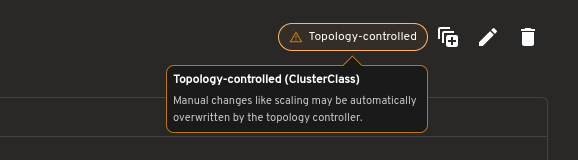
| Topology Awareness | Automatically detects ClusterClass-managed resources, preventing manual drift. |
| Prometheus Integration | Correlates resource health (CAPI) with performance (metrics) in a single pane of glass. |
The integration of Prometheus metrics is a standout feature. By embedding live performance data directly into the detail pages for MachineDeployments and Machines, operators no longer need to jump between Grafana dashboards and terminal windows. They can verify if a scaling event was triggered by a genuine performance spike or an underlying configuration error, all within the same browser tab.
Official Perspective: The Mentorship Impact
The project was more than a software release; it was a pedagogical exercise in open-source collaboration. Throughout the LFX Mentorship, the development process was defined by open communication.
"The goal was never just to add buttons to a UI," says Chayan Das, the primary contributor. "It was about understanding how platform teams work in the real world. We held design discussions that prioritized the user journey—how an operator finds an error, how they verify the fix, and how they ensure the cluster is in a stable state."
By engaging with the broader Headlamp community, the team was able to iterate on feedback rapidly. This collaborative approach ensured that the plugin isn’t just a static tool but a living component that will continue to evolve as Cluster API (which currently supports both v1beta1 and v1beta2) continues to mature.
Implications for the Future of Kubernetes Management
The release of this plugin signifies a maturation point for the Kubernetes ecosystem. As organizations scale from a handful of clusters to hundreds, the "human factor" becomes the primary bottleneck. Tools like the Headlamp Cluster API plugin are essential for scaling operations without scaling the headcount of the Platform Engineering team.
1. The Death of "Configuration Drift"
By providing a clear, visual interface for KubeadmConfig and topology-managed resources, the plugin makes it significantly harder for "shadow" configurations to persist. When operators can see the actual state of a cluster’s bootstrap configuration, they are less likely to rely on ad-hoc, unrecorded changes.
2. Democratizing Cluster Operations
Historically, Cluster API was the domain of the most senior SREs who were comfortable with the intricacies of CAPI’s ownership hierarchy. This plugin democratizes that access. By providing a safe, guard-railed UI for scaling and inspection, organizations can empower a broader range of engineers to participate in infrastructure management safely.
3. Strengthening the Headlamp Ecosystem
This plugin proves the viability of Headlamp’s "everything is a plugin" philosophy. By successfully integrating complex, multi-resource dependencies like CAPI, Headlamp demonstrates that it can serve as a comprehensive management platform that rivals proprietary enterprise dashboard solutions.
Looking Ahead: The Roadmap for the Alpha Release
While this Alpha release marks a significant milestone, it is just the beginning. The community is already discussing the next phase of development:
- Enhanced Remediation: Automating more of the troubleshooting workflow based on the "remediation guidance" already surfaced in the dashboard.
- Advanced Topology Editor: Moving beyond simple scaling to allow for complex topology modifications directly from the browser.
- Multi-Cluster Management: Extending the plugin to visualize resources across multiple management clusters, providing a global view for organizations with highly distributed infrastructure.
The Headlamp Cluster API plugin is currently available for testing and deployment. Users are encouraged to consult the official README for installation steps.
As we move into the second half of 2026, the success of this tool will be measured by its adoption within the community. For now, it stands as a testament to the power of open-source mentorship and the ongoing pursuit of a more usable, transparent, and manageable cloud-native world.
Have questions or feedback?
The Headlamp community invites all users to join the conversation on the official repository. Your feedback during this Alpha phase is instrumental in determining the features, performance optimizations, and user experience enhancements that will define the stable release. Join the discussion and help shape the future of cluster lifecycle management.