The FOSS Weekly Digest: Shifting Landscapes in Open Source and Big Tech
The landscape of open-source software and corporate computing is currently undergoing a period of significant recalibration. As we navigate through July 2026, the industry is witnessing a mix of administrative migrations, security-driven shifts in browser technology, and a renewed focus on local control over AI integration. From the state-level abandonment of proprietary platforms to the critical end-of-life warnings for Ubuntu users, this week’s developments highlight a growing trend: the move toward self-sovereignty and modular computing.
I. Major Industry Shifts: The Migration Away from Proprietary Ecosystems
The German Pivot: Mecklenburg-Vorpommern Ditches SharePoint
In a move that resonates across the European public sector, the German state of Mecklenburg-Vorpommern has officially initiated a transition away from Microsoft SharePoint. This is not merely a change of vendors; it represents a strategic shift toward digital sovereignty. The state government will transition its 5,000+ employees to Nextcloud, an open-source collaboration platform that allows organizations to host their data on-premises or within sovereign cloud environments.
This decision serves as a bellwether for the "Open Source First" policy gaining momentum across European administrative bodies. By moving to Nextcloud, the state ensures that sensitive governmental data remains under local control, reducing reliance on the fluctuating licensing and privacy policies of non-EU tech giants.
Tuxedo OS and the Debian Transition
The ecosystem of Linux distributions based on Ubuntu—historically the bedrock of the desktop Linux experience—is seeing a gradual contraction. Tuxedo Computers, a prominent vendor of Linux-preinstalled hardware, has announced that Tuxedo OS is shifting its base from Ubuntu to Debian.

This transition reflects a broader technical trend among power users and hardware vendors who prioritize the stability and "upstream-first" philosophy of Debian. For Tuxedo, the move allows for a more streamlined, predictable development cycle, free from the constraints of specific vendor-locked ecosystem changes. It is a calculated move to offer a "pure" Debian experience while maintaining the specialized hardware drivers that their customers expect.
II. Security and Browser Evolution: Brave and the Container Revolution
For years, the power of "Firefox Containers" has been the gold standard for privacy-conscious users, allowing individuals to isolate site data and cookies into distinct, segregated environments. This week, Brave Browser caught up with the release of version 1.92, which introduces native container functionality.

The Implications of Native Containers
By implementing containers natively, Brave 1.92 allows users to maintain multiple identities or sessions on the same website without cross-contamination. This is particularly vital for users managing multiple work accounts, testing web development projects, or mitigating the tracking capabilities of aggressive ad-tech networks. The feature is also slated for integration into "Brave Origin," the Linux-focused variant of the browser, further cementing its utility for the open-source community.
III. The AI Dilemma: Choice Over Coercion
As office suites rush to integrate generative AI, the user experience has often suffered from "AI bloat"—features that cannot be easily disabled. Collabora Office 26.04 is taking a starkly different, user-centric approach.

In the latest release, AI integration is disabled by default. If a user wishes to leverage AI capabilities, they must manually provide their own API credentials or point the software toward a self-hosted Large Language Model (LLM). This "opt-in" model protects privacy and gives power back to the user, ensuring that AI remains a tool they control rather than a service that controls them.
IV. Ubuntu Updates and the "Rustification" of the Stack
Canonical is making a substantial investment in the future of Ubuntu, pledging €40,000 annually to the Trifecta Tech Foundation. Their primary objective? The "Rustification" of core system components.

The first target is Ubuntu’s time synchronization components. By rewriting legacy C/C++ code into Rust, Canonical aims to eliminate entire classes of memory safety vulnerabilities. This transition is not just a trend-chasing exercise; it is a fundamental engineering shift aimed at hardening the Linux kernel-space and user-space interactions against modern security threats.
Critical Warning: Ubuntu 25.10 End of Life
Users currently running Ubuntu 25.10 must take immediate action. The interim release reaches its End of Life (EOL) on July 9, 2026. Beyond this date, security patches will cease. For those operating on this version, upgrading to the 26.04 LTS (Long Term Support) release is no longer a suggestion—it is a critical security requirement.
V. Hardware Innovation: From KVMs to E-Ink PDAs
The hardware scene is currently dominated by niche, high-utility innovations:
- Sipeed NanoKVM-Go: A revolution for homelabbers. This single USB-C device provides video, audio, keyboard, mouse, and disk emulation, all powered via a single cable with WiFi 6 connectivity. It effectively replaces bulky, expensive KVM switches.
- PocketMage: Targeting the "distraction-free" enthusiast, this e-paper PDA features a physical QWERTY keyboard and a dual-display setup, perfect for long-form writing without the battery drain or eye strain of modern tablets.
- DockFrame: Solving the "hub fatigue" issue, DockFrame utilizes Framework’s expansion card ecosystem, allowing users to swap out ports on the fly to fit their specific workflow requirements.
VI. Chronology of Events: July 2026
- July 1: Tuxedo Computers announces its transition to Debian for its primary OS.
- July 4: Commemoration of the 70th anniversary of the Whirlwind computer’s keyboard interface, a seminal moment in human-computer interaction.
- July 7: Brave releases version 1.92 with native container support.
- July 9: Deadline for Ubuntu 25.10 users to upgrade to 26.04 LTS before support is cut.
- July 10: Mecklenburg-Vorpommern confirms the full rollout of Nextcloud for its workforce.
VII. Supporting Data and Technical Analysis
The "500 GB" Windows Bug
Microsoft recently acknowledged a severe storage bug in Windows 11 that could consume up to 500GB of disk space due to cache mismanagement. While a fix has been pushed to preview builds, the delay in response—spanning several months—has fueled public discourse regarding the reliability of proprietary operating systems.
Community Insights: The "Do we need management?" Debate
The FOSS community is currently engaged in a lively discussion on whether AI can replace human system administrators. While AI can handle routine log analysis and basic automation, the consensus remains that the "human element"—contextual decision-making, ethical considerations, and physical hardware maintenance—remains outside the scope of current LLMs.
VIII. Final Thoughts: The Resilience of the Open Source Model
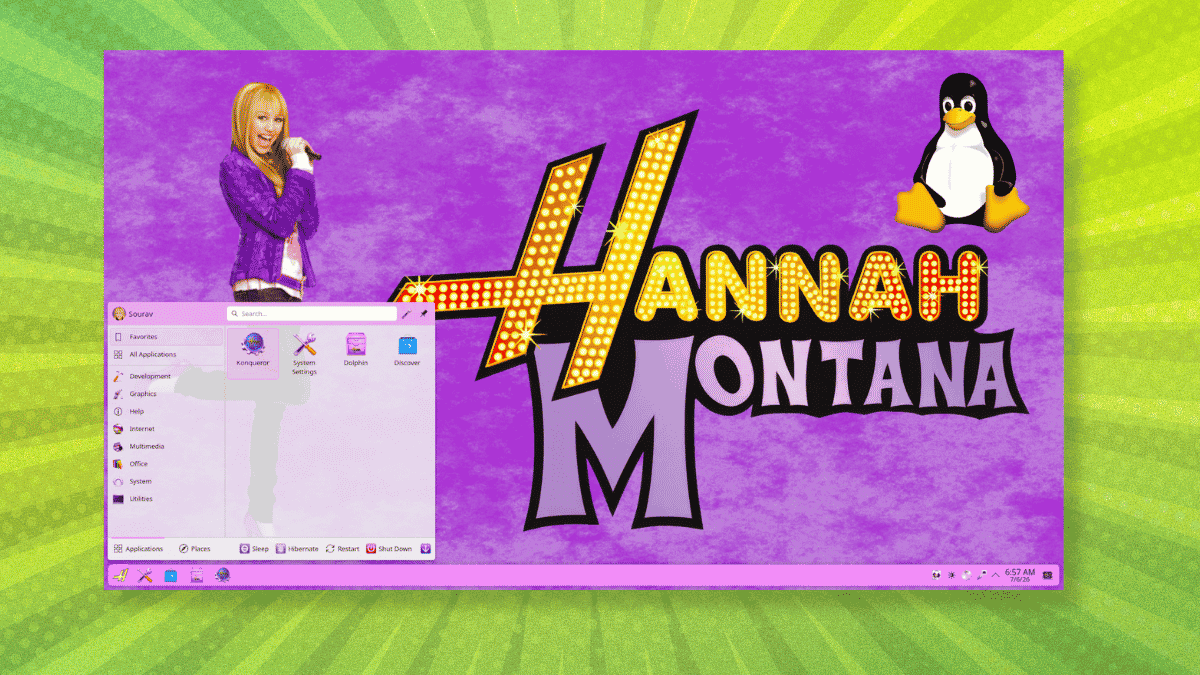
The overarching theme of this week’s developments is autonomy. Whether it is the German government choosing Nextcloud to protect data, Collabora ensuring AI remains optional, or the DIY community reviving the "Hannah Montana Linux" meme on modern Debian 13, the common thread is that users want to define their own computing environment.
As we look toward the remainder of 2026, the focus will undoubtedly stay on the intersection of security (via Rust and memory-safe coding) and user agency. The "Linux way" is proving once again that it is not just a collection of software, but a philosophy of transparency and control that is increasingly appealing to organizations and individuals alike.
Quick Tip for Power Users:
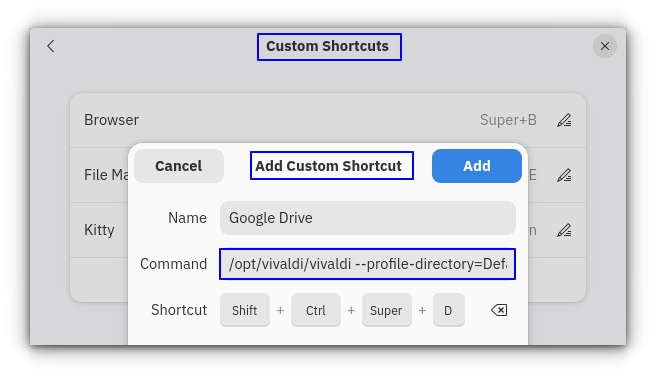
For those utilizing GNOME, remember that you can assign custom keyboard shortcuts to any Progressive Web App (PWA). By locating the Exec line in your application’s .desktop file and pasting it into the "Custom Shortcuts" menu in your System Settings, you can launch your most-used web tools with a single keystroke. This level of customization is exactly what separates a generic operating system from a personalized workspace.