The New Standard for Rumble: A Deep Dive into the Skullcandy Crusher 1080
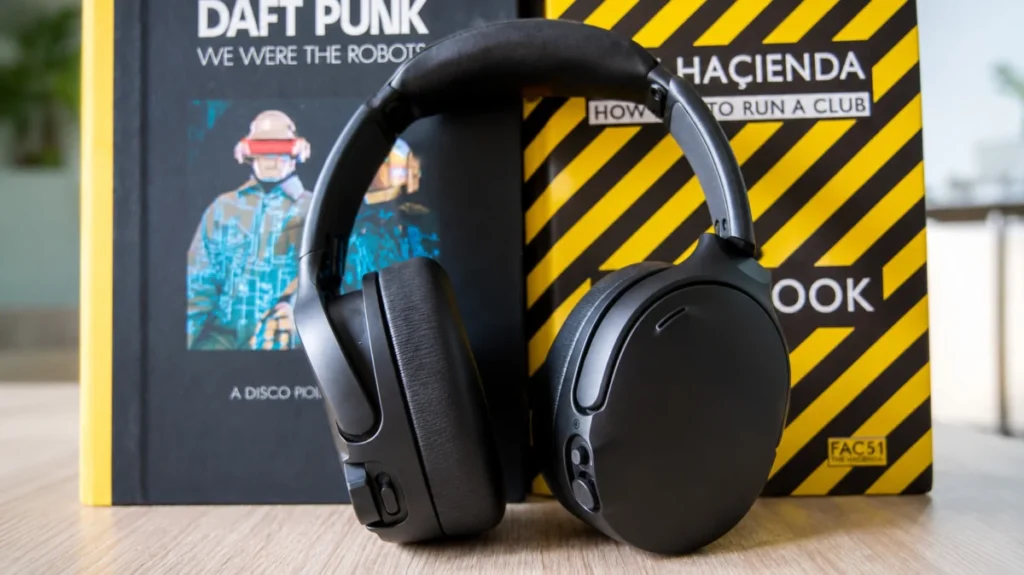
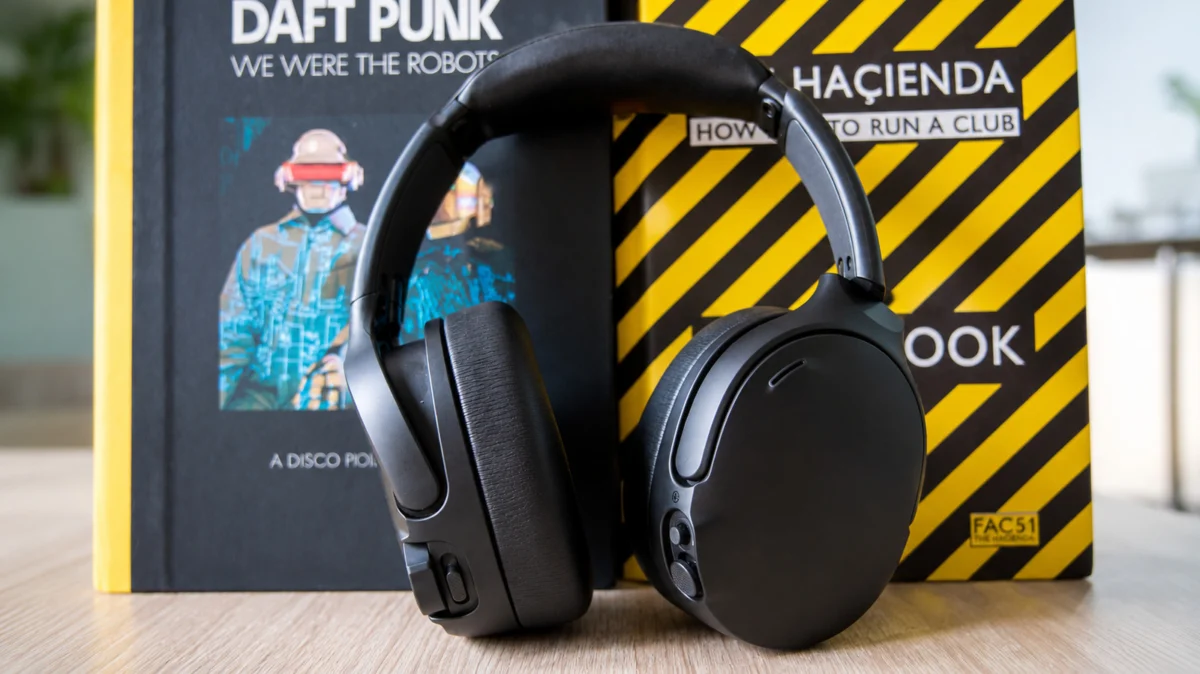
For years, the headphone market has been a battlefield of subtle refinements. Sony, Bose, and Sennheiser have engaged in an arms race defined by transparency, neutral sound signatures, and the incremental perfection of noise cancellation. Standing in stark, loud opposition to this trend has been Skullcandy. With its signature Crusher line, the brand carved out a lucrative niche by prioritizing physical, haptic-driven bass over the clinical accuracy favored by audiophiles.
However, the release of the new flagship Crusher 1080 marks a significant strategic pivot. By integrating core audio technologies from Bose—the undisputed titan of acoustic engineering—Skullcandy is attempting to bridge the gap between "party-trick" bass and premium, high-fidelity performance. Priced at $270, the Crusher 1080 is not merely an evolution of a cult favorite; it is an aggressive play for the mainstream crown.
The Main Facts: A Hybrid Philosophy
The Crusher 1080 is, at its core, a reconciliation of two opposing worlds. On one hand, you have the proprietary haptic bass engine that has defined the brand’s identity for a decade. On the other, you have the "Bose Sound" ecosystem, including the WaveForm audio engine, TrueSpatial directional audio, and the company’s industry-leading QuietControl active noise cancellation (ANC).
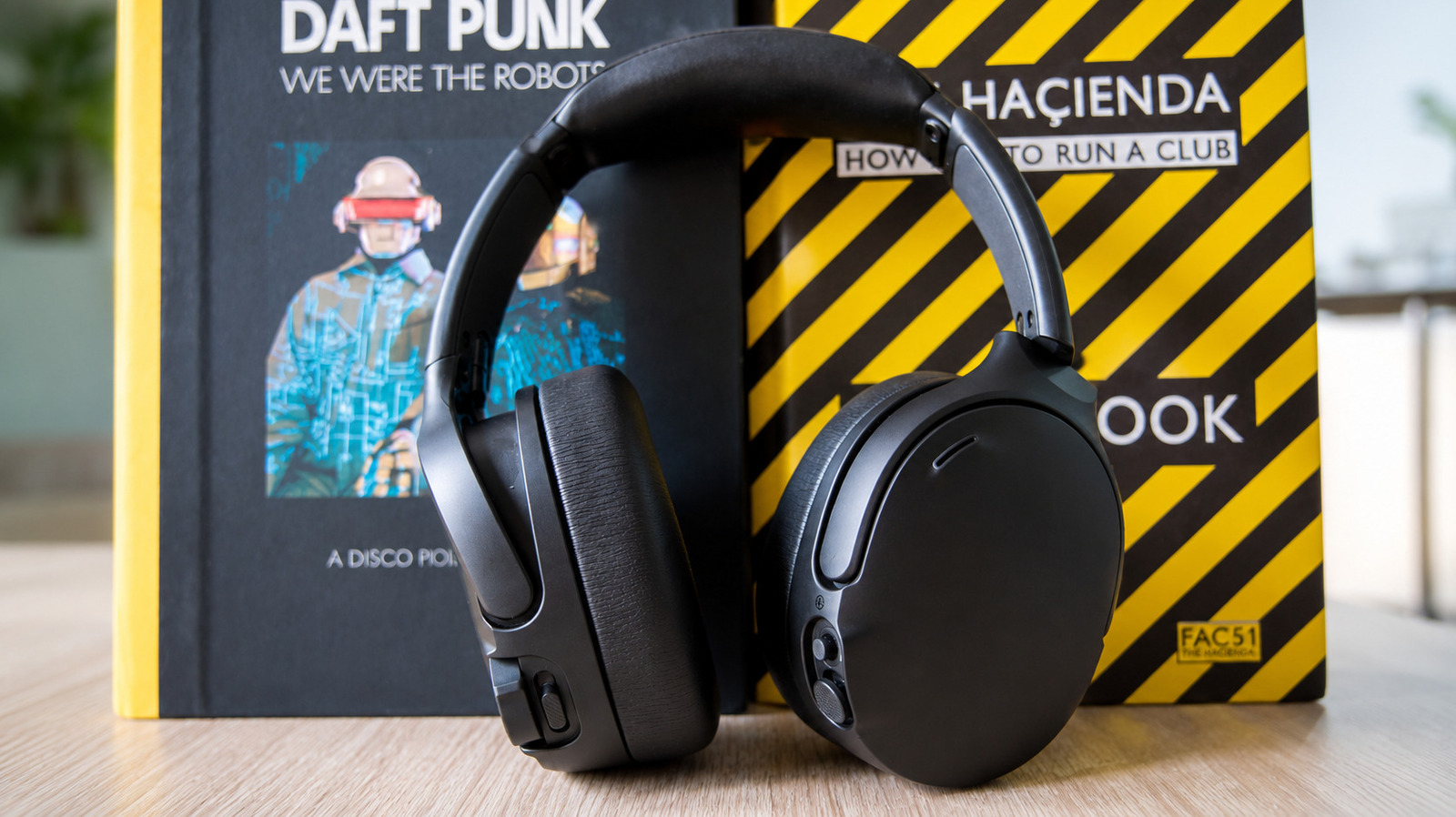
Key specifications include:
- Battery Life: 50 hours with ANC enabled; 60 hours without.
- Connectivity: Bluetooth with Multipoint support and Auracast compatibility.
- Charging: USB-C fast charging.
- Tuning: Bose-engineered sound profile with app-based EQ customization.
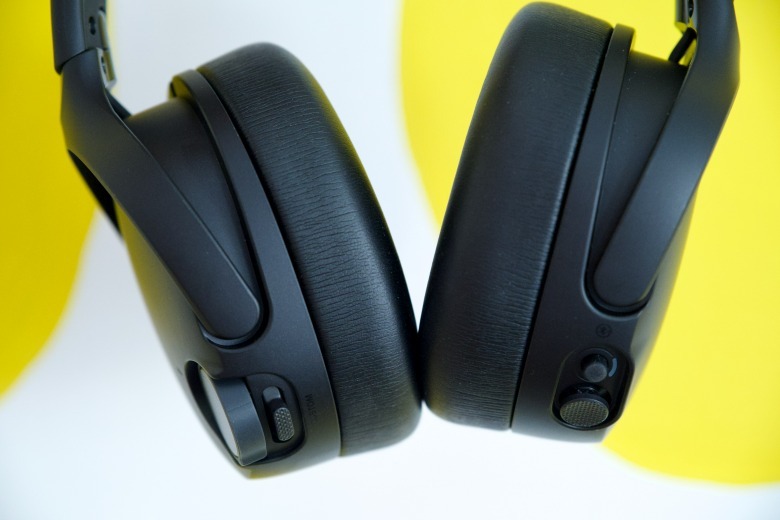
- Build: Premium metal-accented headband with high-capacity haptic bass dials.
Unlike its predecessors, which often felt like specialized gear for gym-goers or bass-heads, the 1080 is designed to compete with the likes of the Sony WH-1000XM series and the Bose QuietComfort Ultra, offering a balanced soundstage that doesn’t sacrifice the skull-rattling low end that loyal fans demand.
Chronology: From Niche Bass-Heads to Mainstream Contenders
Skullcandy’s journey to the 1080 was a gradual process of maturation. The early Crusher models were largely considered "novelty" items—fun for short bursts, but often fatiguing for daily use due to an imbalance in audio clarity.
- 2010s (The Formative Era): Skullcandy establishes its reputation with the original Crusher, focusing exclusively on aggressive, vibrating bass profiles.
- 2023–2024 (The Partnership Begins): Skullcandy begins its collaboration with Bose, initially testing the waters with the Method 360 ANC earbuds. These devices proved that Bose’s tuning could survive the transition into the Skullcandy hardware architecture.
- Early 2026 (The Crusher 1080 Launch): The company announces the 1080, representing the deepest integration of Bose technology to date. It is the first flagship to signal that Skullcandy is aiming to be a primary daily driver for commuters and office workers, not just an alternative for bass-heavy genres.
Supporting Data: Testing the Bose Influence
The technical transition from previous models to the 1080 is best observed in the frequency response and ANC performance.
Audio Quality
In side-by-side testing against competitors like the Sennheiser Momentum 5, the 1080 exhibits a noticeably more open, well-rounded soundstage. When the haptic bass is disabled, the headphones perform with a level of neutrality that would have been impossible on a Crusher model from five years ago.
The upper-mid-range performance is particularly striking. Percussion, hi-hats, and vocal clarity—areas where previous Skullcandy models often felt "muddy"—are now crisp and forward. This shift is directly attributable to the Bose WaveForm tuning, which prevents the bass from "bleeding" into the rest of the spectrum.
Noise Cancellation Metrics
Perhaps the most surprising finding in our evaluation is the efficacy of the ANC. In a busy office environment, the Crusher 1080 successfully neutralizes consistent low-frequency drone (such as HVAC systems) better than most headphones in the $200–$300 range. While they do not quite reach the "dead silence" achieved by the Bose QuietComfort Ultra, they outperform competitors like the Soundcore Space One Pro and the Sennheiser HDB 630. This makes the 1080 a viable candidate for frequent flyers and professionals working in loud environments.
Official Responses and Strategic Vision
Skullcandy’s leadership has been transparent about the intent behind the 1080. In recent briefings, the company has framed this product as a "graduation" for their customer base. "We wanted to prove that you don’t have to choose between excitement and fidelity," said a company spokesperson. "The Crusher 1080 is designed for the user who wants to feel their music, but also needs to hear the details of the mix while sitting on a flight."
The partnership with Bose is clearly the centerpiece of this strategy. By leveraging the "Bose Sound" badge, Skullcandy is effectively outsourcing the most difficult part of headphone development—the acoustic tuning—allowing their own engineers to focus on the haptic hardware that differentiates their product in a saturated market.
Implications: The Competitive Landscape
The release of the Crusher 1080 puts the headphone market in a state of flux. By pricing the unit at $270, Skullcandy is operating in a "no-man’s-land" of the market.
The Price-to-Performance Dilemma
At $270, the 1080 is significantly cheaper than the $400+ flagships from Sony or Bose. However, it is more expensive than the "mid-tier" options like Anker’s Soundcore series.
- The Argument for the 1080: It offers a unique feature (haptic bass) that no other competitor in this price bracket provides, combined with "Bose-level" noise cancellation.
- The Argument Against: If a user does not care about haptic bass, there are plenty of legacy flagship models (like the Sony WH-1000XM5) that can now be found on sale for near-equivalent prices, offering a more "premium" aesthetic and brand prestige.
The Future of "Fun" Audio
The 1080 serves as a litmus test for the industry. It asks a fundamental question: Do consumers want the most "accurate" sound, or the most "engaging" sound? If the 1080 succeeds, we may see a wave of other brands attempting to integrate haptic feedback into their own high-end models, effectively ending the era where "audiophile" and "bass-heavy" were mutually exclusive concepts.
Final Assessment: A Mature Pivot
The Crusher 1080 is not without its flaws. The design language, while functional, feels a bit dated compared to the sleek, minimalist aesthetics of modern competitors. The buttons are large and sometimes prone to accidental activation, and the weight can become a burden during extended listening sessions.
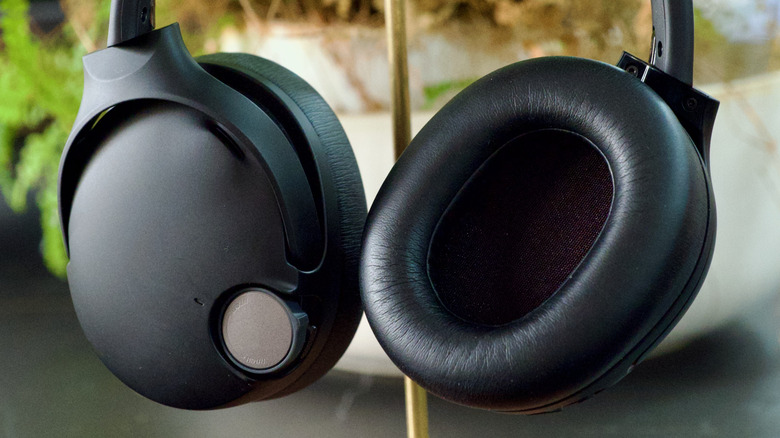
However, these are minor gripes when compared to the massive leap in overall capability. For the first time, a Skullcandy flagship can be recommended not just for its gimmick, but for its fundamental performance. It is a mature, capable, and genuinely enjoyable piece of hardware. Whether it will be enough to lure long-time Sony or Bose loyalists remains to be seen, but for those who have long felt that high-fidelity audio was missing a heartbeat, the Crusher 1080 finally provides the solution.