The Prescription Paradox: Are the New Ray-Ban Meta "Optics" Smart Glasses Worth the Premium?
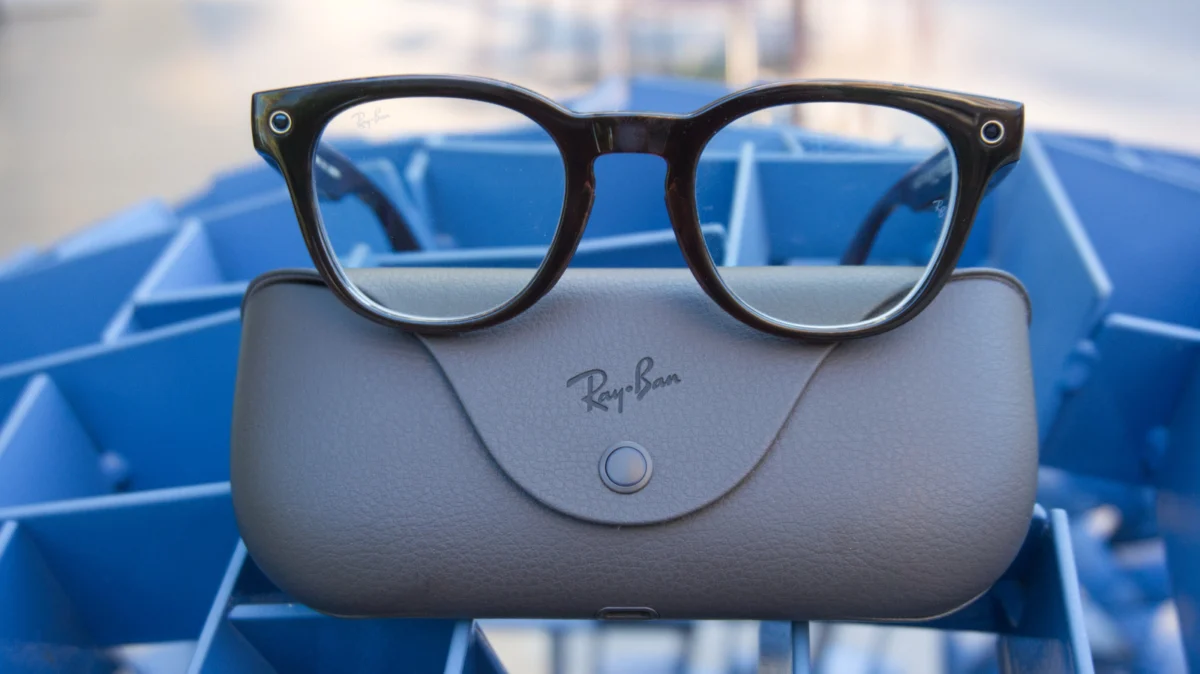
In the rapidly evolving landscape of wearable technology, Meta and EssilorLuxottica have long sought to move smart glasses from the realm of "gadget-curious early adopters" into the pockets—and onto the faces—of the general public. With the launch of the new "Optics" line, the companies are making their most aggressive play yet to normalize smart eyewear by targeting a demographic that wears glasses out of biological necessity rather than aesthetic preference.
The Ray-Ban Meta Optics collection represents a refined iteration of the second-generation frames, boasting improved ergonomics, customizable fit options, and a higher price point that challenges the consumer to decide exactly how much they are willing to pay for the integration of AI into their daily vision.
Main Facts: A Refinement of the Smart Eyewear Experience
The Ray-Ban Meta Optics line is not a complete departure from the previous second-generation lineup; rather, it is a high-fidelity refinement. The core functionality—the 12-megapixel camera, open-ear audio, and Meta AI integration—remains consistent with the existing Gen 2 portfolio. However, the hardware chassis has been engineered specifically for the prescription-lens user.
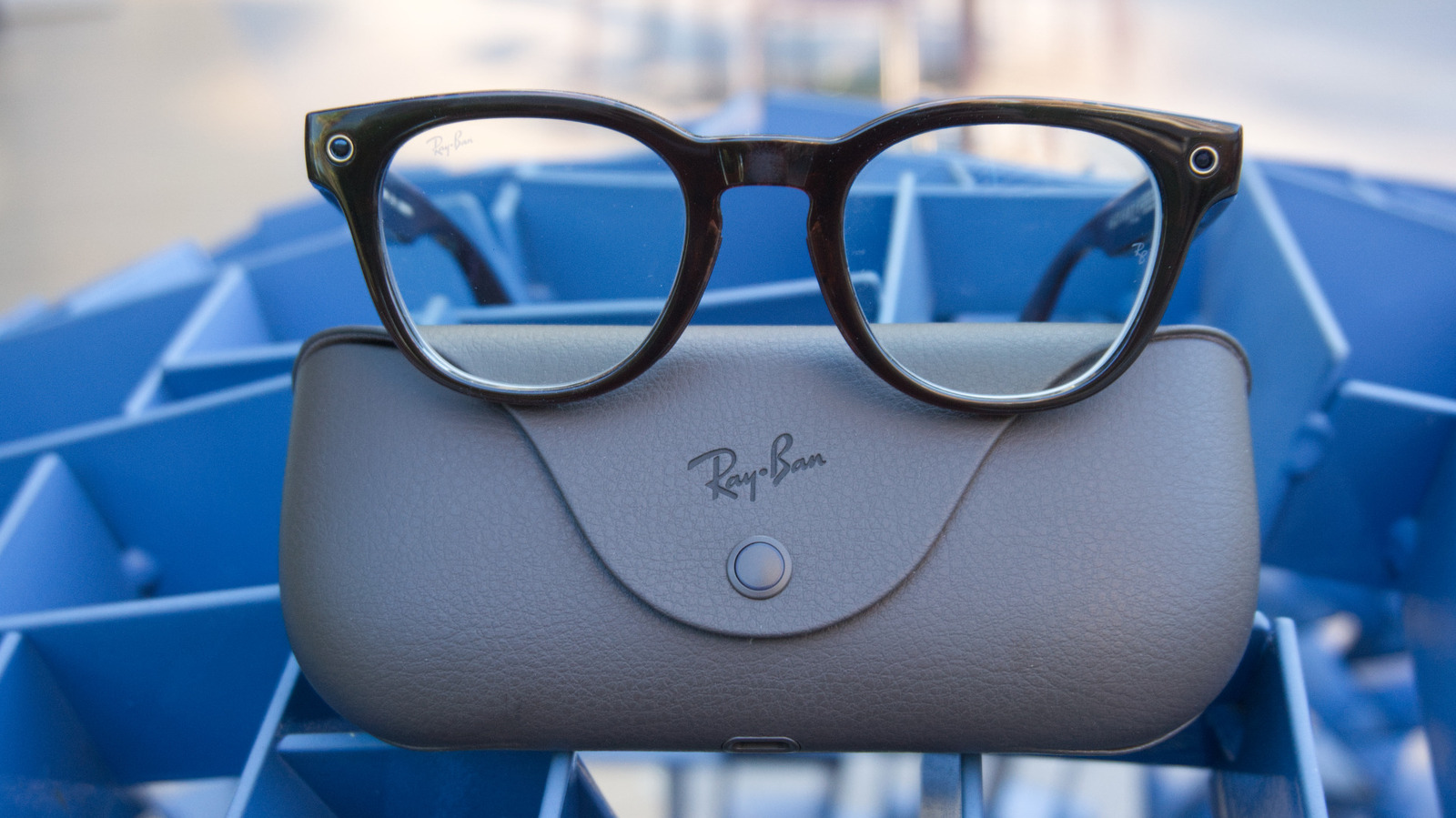
Key upgrades include:
- Enhanced Ergonomics: The frames now feature swappable nosepads, offering "universal," "high bridge," and "low bridge" options. This addresses a common complaint regarding the previous generation’s tendency to slide down the bridge of the nose.
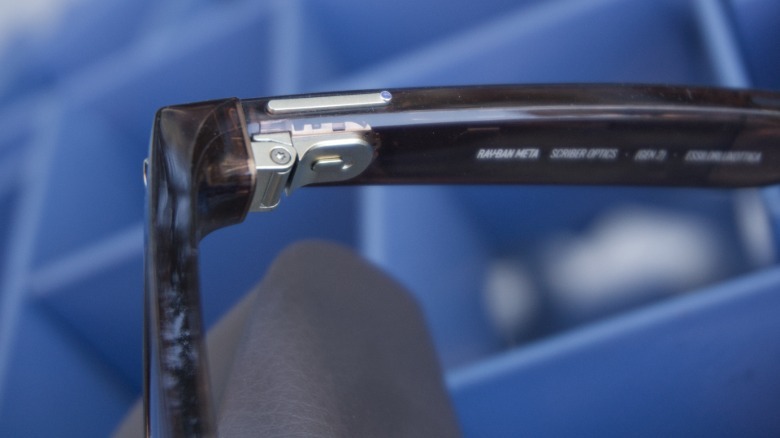
- Customizable Fit: The temples are now designed to be moldable by opticians, allowing for a bespoke fit around the ears, mirroring the standard adjustment process for high-end traditional eyewear.
- Action Button: A new, dedicated physical control allows users to map specific shortcuts, such as reading text messages or initiating specific AI prompts without needing to use the "Hey Meta" wake word.
- Optimized Battery Life: While still rated for "more than 8 hours," the power management has been subtly tuned, allowing for more reliable, all-day performance under moderate usage patterns.
Chronology: The Evolution of "Project Aria" to Consumer Reality
The journey toward the Optics line began long before the first Ray-Ban Meta collaboration. Meta’s Reality Labs division has spent years conducting R&D under the umbrella of "Project Aria," attempting to map the challenges of head-mounted displays and sensors.
- September 2021: The first-generation Ray-Ban Stories were released. They were met with mixed reviews, primarily criticized for poor battery life and limited utility.
- October 2023: Meta launched the second-generation Ray-Ban Meta smart glasses. These introduced a massive leap in audio quality, camera resolution, and, most importantly, the debut of Meta AI.
- Mid-2024: Reports emerged regarding the potential for facial recognition software (codenamed "name tag") within the companion app, sparking immediate public and regulatory scrutiny.
- Late 2024: The release of the "Optics" line signifies the pivot toward making the devices a permanent, "all-day" accessory, integrating prescription lens support as a primary, rather than secondary, feature.
Supporting Data: The High Cost of Convenience
For the average consumer, the Optics line introduces a significant financial hurdle. The base price for the frames starts at $499. When factoring in the necessity of professional-grade prescription lenses—especially if the user requires blue-light filters, high-index materials for stronger prescriptions, or transition technology—the total cost often exceeds $700.
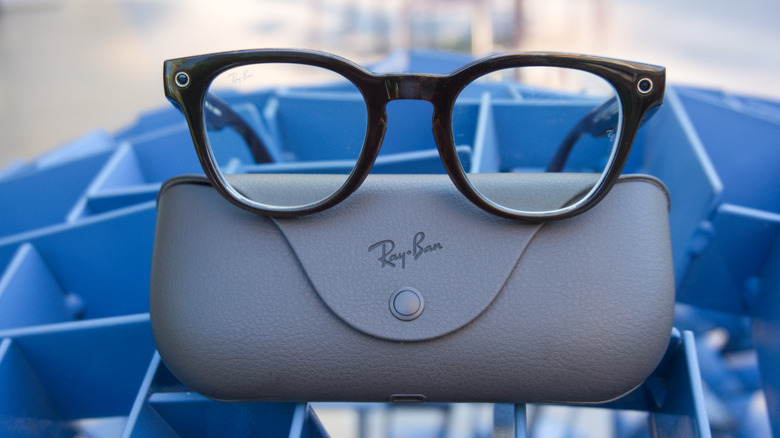
In testing, the "Scriber" frames proved to be the most comfortable implementation of the technology to date. Unlike previous iterations, which felt like bulky technology stuffed into a frame, the Optics line feels like a pair of high-quality, durable glasses. The overextension hinges are a welcome addition, reducing the pressure behind the ears during extended wear—a vital requirement for a device meant to be worn for eight to ten hours a day.
However, the "smart" features remain a battery-intensive drain. While Meta claims over eight hours of life, this is heavily contingent on the volume of audio playback and the frequency of camera usage. For the power user, the reliance on the charging case remains a logistical reality of daily life.
Official Responses and the AI Integration
Meta has been vocal about its "Muse Spark" model, which now powers the AI assistant on the glasses. This update allows for more fluid, conversational interactions, including the ability to interrupt the AI mid-response—a "barge-in" feature that makes the interface feel more human-like.

Meta has also touted the glasses as a health-assistant tool, capable of scanning food items to provide nutritional estimates. In practice, this feature remains in its infancy. While the AI successfully identified a slice of pizza as "Sicilian-style," it struggled with precise caloric counting, often requiring several prompts to provide an accurate reading.
Regarding privacy, Meta has maintained that it does not use the video or images captured to the user’s camera roll to train its AI models. However, the company has confirmed that "multimodal" queries—where a user asks the AI to analyze a photo of their surroundings—do involve processing that could be used for model improvement. This nuance is a frequent point of friction for privacy advocates.
The Privacy Dilemma: Surveillance or Innovation?
Perhaps the most significant barrier to the adoption of the Optics line is not the price tag, but the social contract. The discovery of code in the Meta AI app related to facial recognition—though subsequently removed—has left a lasting impact on public perception.

For many, the Ray-Ban Meta glasses represent a "dystopian" potential. Even if the user has no malicious intent, the presence of a camera on one’s face creates a sense of unease in social settings. When you combine the $700 price point with the social stigma of being a "glasshole"—a term coined during the Google Glass era—the value proposition becomes complicated.
Meta’s decision to remove the facial recognition code following public outcry is a clear sign that they are aware of these optics (pun intended). However, the company’s refusal to allow U.S. users to opt out of cloud-based voice recording storage remains a significant deterrent for privacy-conscious buyers.
Implications: The Future of Wearables
The Ray-Ban Meta Optics line is an impressive feat of miniaturization and industrial design. It proves that smart glasses can be comfortable, stylish, and functional enough to be worn all day. Yet, it also highlights the "prescription paradox": by making these glasses a necessity for the visually impaired, Meta is asking users to bet their primary daily vision on a hardware platform that is still in its "beta" phase.
If you are a tech enthusiast with a flexible budget and a high tolerance for the social friction that comes with wearing a camera in public, the Optics line is currently the best implementation of smart eyewear on the market. The improved nosepads, customizable temple tips, and more conversational AI make it a superior experience to its predecessor.
However, for the average glasses-wearer, the cost-to-benefit ratio remains skewed. Until the software becomes more reliable, the privacy concerns are fully addressed with iron-clad transparency, and the price becomes accessible through vision insurance partnerships, these remain a luxury item. Meta has successfully built a better frame, but the burden of proving that these glasses belong on everyone’s face—not just the early adopters—still rests heavily on the company’s future software updates and their ability to navigate the complex landscape of public trust.