The Sovereign Smart Home: Reclaiming Privacy in the Age of Constant Connectivity
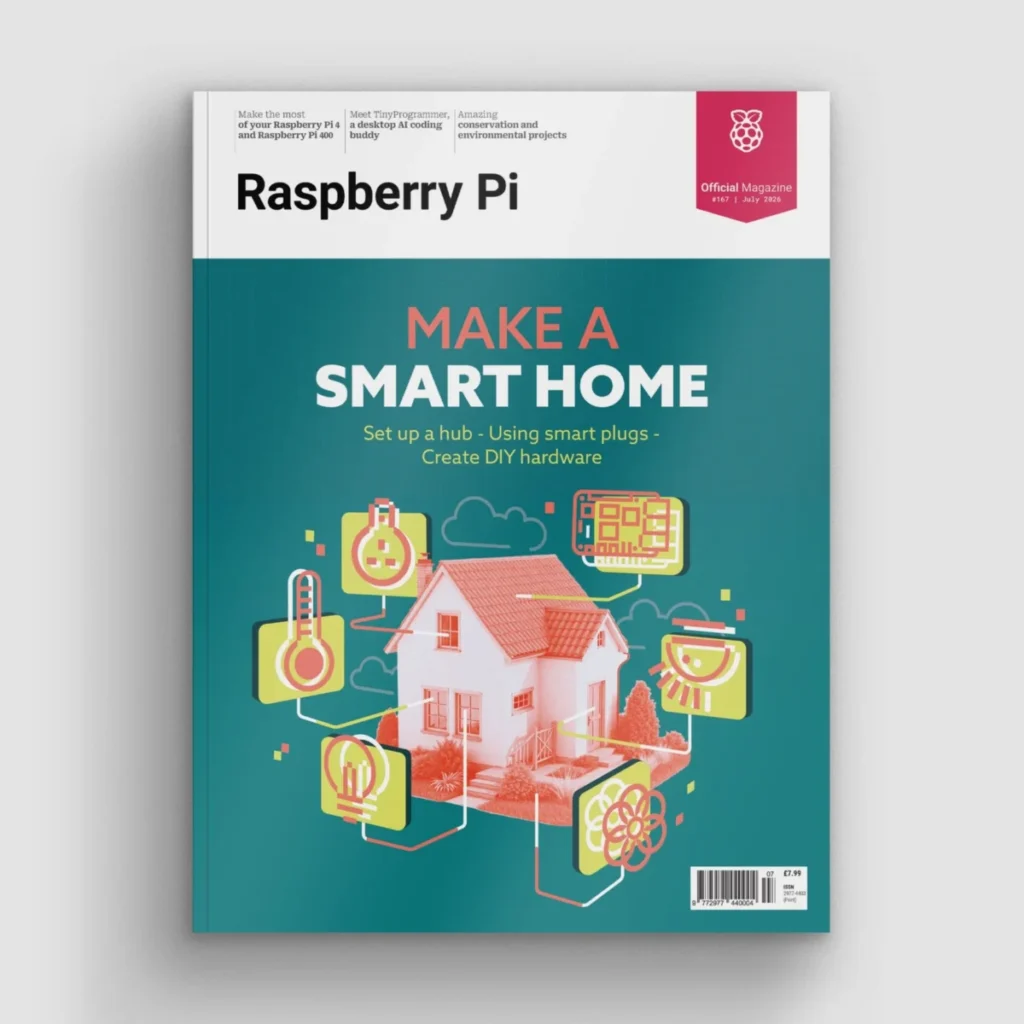
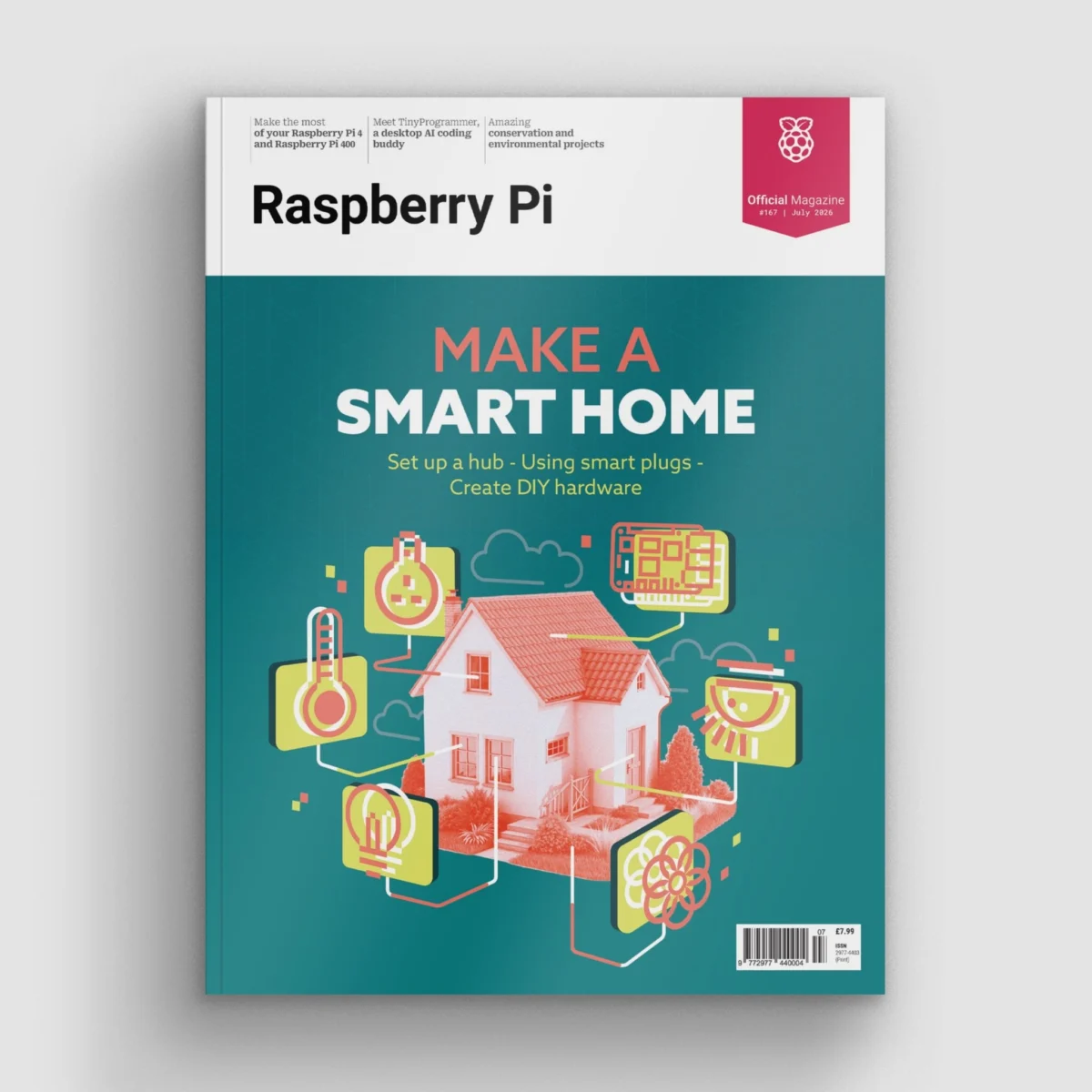
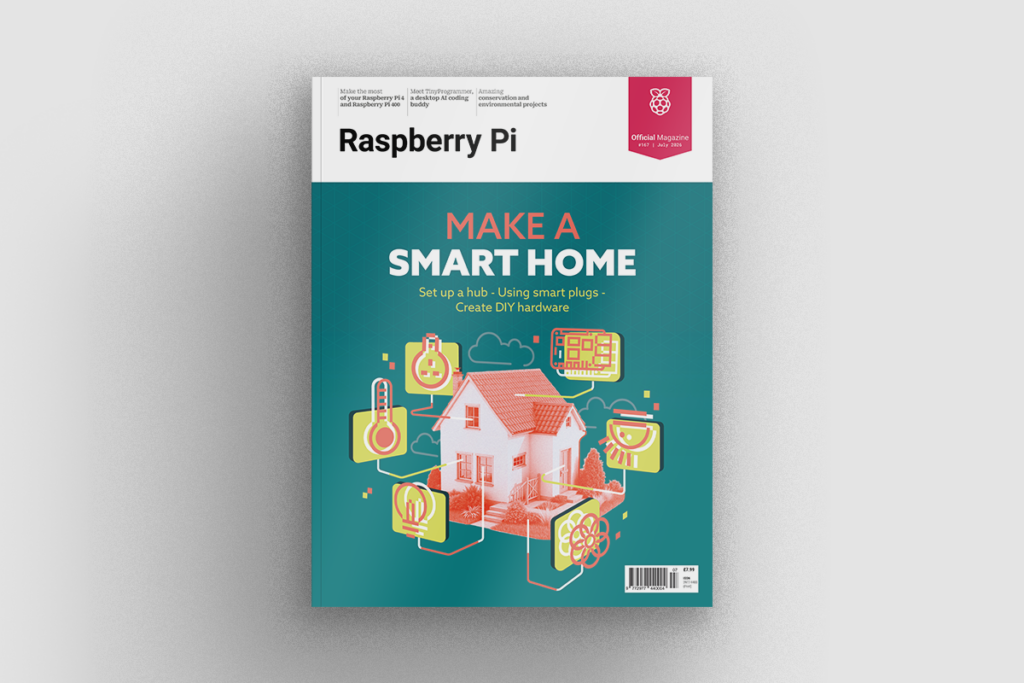
The mid-century dream of the automated home, once the exclusive province of science fiction, has transitioned from the whimsical animations of The Jetsons into a ubiquitous, albeit complicated, reality. In 1962, audiences marveled at George Jetson’s voice-activated appliances and robotic assistants. Today, nearly two-thirds of the developed world lives in some version of that future. However, as the latest issue of the Raspberry Pi Official Magazine (Issue 167) highlights, this convenience has come at a steep price: the erosion of digital privacy and the total dependence on "floaty" corporate clouds.
As the Internet of Things (IoT) matures, a growing movement of enthusiasts and privacy advocates is turning toward single-board computers, specifically the Raspberry Pi, to de-cloud their lives. By utilizing local-first software like Home Assistant and Pi-hole, users are beginning to build "sovereign" smart homes—systems that provide all the modern comforts of automation without the persistent "chatter" to external data centers in the United States, China, and beyond.
Main Facts: The Hidden Cost of Convenience
The modern smart home is a symphony of telemetry. Every smart light bulb, connected thermostat, and voice-activated speaker is designed to be "always on" and "always talking." While the user sees a light turn on via a smartphone app, the underlying architecture usually involves a complex round-trip: the command travels from the phone to a corporate server (often thousands of miles away), which then sends a command back to the device in the same room.
According to the editorial team at Raspberry Pi, this "chatter" represents a significant privacy risk. These devices do not merely execute commands; they phone home to analytics servers, send telemetry regarding usage patterns to manufacturers, and pass DNS queries through third-party infrastructures. Most consumers agree to these practices via lengthy Terms and Conditions (T&Cs) that are rarely read and even more rarely understood.
To combat this, the Raspberry Pi community is championing the "Privacy First" smart home. By using a Raspberry Pi 4 or 5 as a central hub, users can host their own control software. This ensures that when you ask your home to turn off the lights, that data never leaves your four walls. Issue 167 of the Official Magazine serves as a manifesto for this movement, providing technical blueprints for shifting from a cloud-dependent ecosystem to a locally hosted one.
Chronology: From Sci-Fi Dreams to the Privacy Backlash
The evolution of the smart home can be categorized into four distinct eras:
- The Visionary Era (1960s–1990s): Popularized by The Jetsons and world fairs, the "Home of the Future" was a mechanical marvel. It focused on robotics and hardware. Connectivity was non-existent; the "intelligence" was hardwired into the walls.
- The Early Adopter Era (2000s–2010): Systems like X10 allowed for basic automation over power lines. It was clunky, difficult to program, and largely the hobby of dedicated "tinkerers."
- The Cloud Explosion (2010–2020): The arrival of the Nest thermostat and Amazon Echo democratized the smart home. Ease of use became the priority. However, this era established the "Cloud-First" model, where devices became "bricks" if the manufacturer’s servers went offline or the company went bankrupt.
- The Local-First Renaissance (2021–Present): Sparked by high-profile data breaches and the "sunsetting" of popular smart devices by tech giants, consumers began seeking autonomy. This era is defined by open-source platforms like Home Assistant and hardware like the Raspberry Pi, which allow for local control and interoperability between different brands.
Supporting Data: The Scale of the Connected Household
The scale of IoT integration is staggering. A 2023 report from the UK House of Commons Committee on Culture, Media, and Sport provided a sobering look at the saturation of these technologies. The report stated that 77% of UK adults now own at least one smart home device. More impressively—or perhaps alarmingly—there are, on average, nine such devices in every UK home.
This density of devices creates a massive data footprint. Each of these nine devices represents a potential "leak" of behavioral data. When multiplied by millions of households, the volume of data flowing into corporate data centers is unprecedented.
From a hardware perspective, the move to local hosting is becoming more accessible. While the Raspberry Pi 5 is the current flagship, the Raspberry Pi editorial team emphasizes that older hardware is more than capable. A Raspberry Pi 4 with 4GB or 8GB of RAM is "perfectly powerful enough" to manage a complex home network. This lower barrier to entry is crucial for widespread adoption, especially as global supply chains stabilize and prices for these low-cost computers remain competitive.
One of the most popular projects identified by Raspberry Pi’s internal analytics is Pi-hole. This software acts as a "black hole" for internet advertisements and trackers. By sitting at the DNS level of a home network, it prevents devices from even reaching out to known tracking servers. The popularity of Pi-hole—confirmed by Raspberry Pi’s new AI-driven documentation search—suggests that the average user is becoming increasingly savvy about digital self-defense.
Official Responses and Editorial Insights
The Raspberry Pi Foundation and its magazine arm have taken a proactive stance on digital health. Ben Everard, a prominent voice in the community and contributor to Issue 167, argues that setting up a local system is not merely about "tinfoil hat" paranoia; it is about fundamental understanding and ownership.
Everard’s approach is echoed by the magazine’s editorial philosophy, which often cites literary and philosophical justifications for DIY technology. The magazine recently quoted author Jeanette Winterson: “If you want to keep your own teeth, make your own sandwiches.” In the context of the smart home, this translates to: if you want to keep your data, build your own system. Knowing what goes into the "sandwich" of your digital life is presented as a prerequisite for being "digitally healthy."
Furthermore, the Raspberry Pi team is utilizing modern tools to better serve this privacy-conscious audience. They have been training a specialized chatbot on their extensive archive of magazines and documentation. By analyzing the "meaning" of user queries rather than just keywords, they discovered a massive, underserved demand for refreshed tutorials on Pi-hole and local networking, leading to a commitment for updated guides in the coming months.
Implications: The Future of the "Digital Home"
The shift toward local-first smart homes has profound implications for the future of consumer electronics and civil liberties.
1. The End of "Planned Obsolescence"
When a smart device relies on a cloud server, its lifespan is tied to the manufacturer’s balance sheet. If the company decides the server is too expensive to maintain, the device becomes e-waste. Local-first systems, controlled via a Raspberry Pi, bypass this. As long as the hardware functions, the software (which is open-source) will continue to operate, significantly extending the lifecycle of home appliances.
2. The Democratization of Privacy
Historically, high-level digital security was the domain of the wealthy or the technically elite. By providing low-cost hardware and free, magazine-style tutorials, the Raspberry Pi ecosystem is democratizing privacy. A "privacy-first" home is no longer a luxury; it is a project that can be completed over a weekend for less than $100.
3. The AI Integration Challenge
As Raspberry Pi rolls out AI-enhanced documentation and search tools, the community faces a new irony: using AI to learn how to escape AI-driven surveillance. The editorial team expressed hope that the "AI data centre roll-out calms down soon," referring to the massive energy and hardware demands of the current AI boom, which has occasionally made small-scale hardware harder to procure.
4. A New Standard for "Smart"
The definition of a "smart" home is changing. In the 2010s, "smart" meant "connected to the internet." In the 2020s, "smart" is increasingly meaning "intelligent enough to work offline." The success of Issue 167 and the continued growth of the Home Assistant community suggest that the next generation of the smart home will be defined by its silence—its ability to serve the user without shouting their business to the rest of the world.
For those looking to begin this journey, the resources are more available than ever. Issue 167 of the Official Raspberry Pi Magazine is currently available at the Raspberry Pi Store in Cambridge, online for international shipping, and via digital platforms on Android and iOS. For the truly committed, the magazine is even offering a free Raspberry Pi Pico 2 W with new print subscriptions—a small piece of hardware that, fittingly, is perfect for building the very sensors that make a private smart home possible.