Unlocking the "Cholesterol Trap": New Biological Pathway Offers Hope for Treatment-Resistant Heart Disease
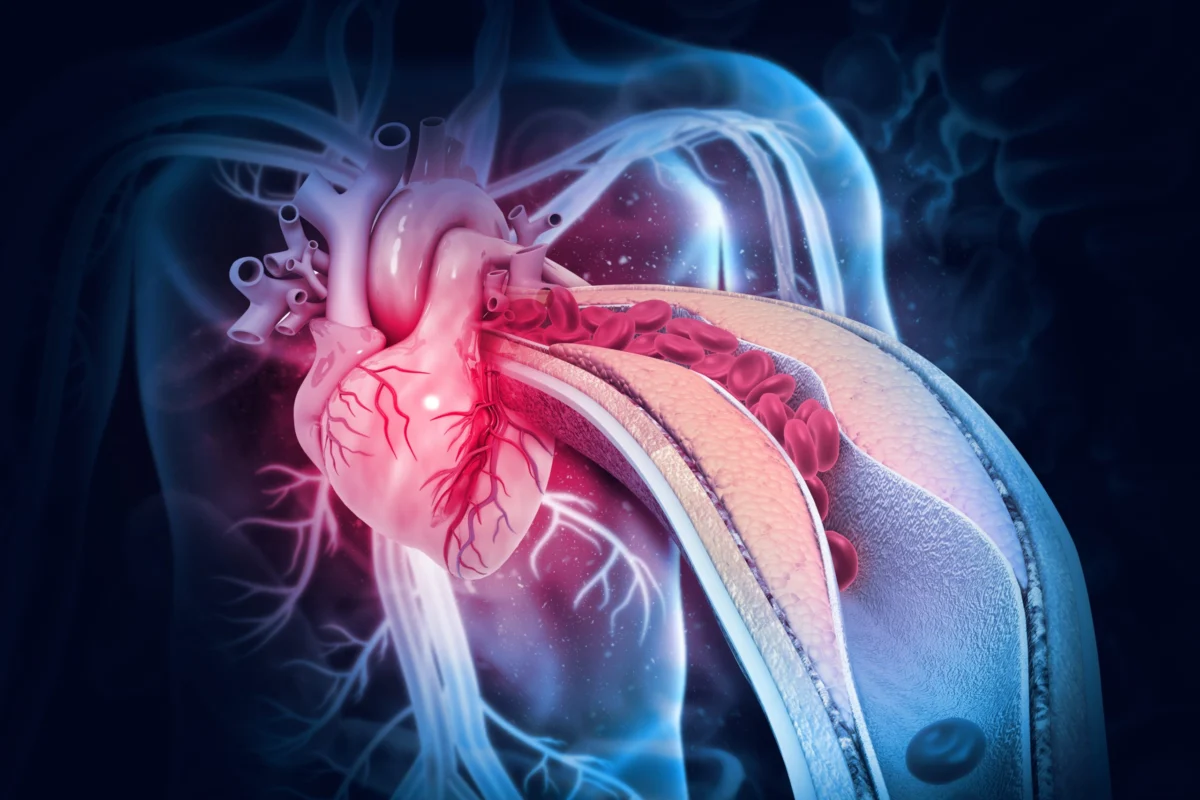
Despite decades of medical advancement and the widespread use of statins and PCSK9 inhibitors, cardiovascular disease (CVD) remains the leading cause of mortality across the globe. For millions of patients, current pharmaceutical interventions are either insufficient to reach healthy LDL-cholesterol targets or are rendered intolerable due to debilitating side effects.
However, a groundbreaking study published in the journal Nature by researchers at the University of California (UC), San Diego, School of Medicine may have finally identified why the body struggles to clear cholesterol in the face of poor dietary habits. By uncovering a hidden biological pathway governed by a protein called Ral, the research team has not only explained a fundamental metabolic failure but has also identified a "shelved" drug candidate that could potentially fast-track a new era of treatment.
The Core Discovery: Why Diets "Chip Away" at Cholesterol Clearance
For years, clinicians have observed a frustrating clinical reality: high-cholesterol diets seem to compromise the liver’s innate ability to purge harmful low-density lipoprotein (LDL) from the bloodstream. While the correlation was clear, the mechanism remained elusive.
The liver acts as the body’s primary filtration system, utilizing LDL receptors (LDLRs) on the surface of hepatocytes to "dock" and pull LDL cholesterol out of the circulation for breakdown. In a healthy state, these receptors act as a high-efficiency conveyor belt. However, in the presence of chronic dietary cholesterol stress, this system begins to fail.
The UC San Diego team, led by senior author Alan Saltiel, PhD, discovered that this failure is not merely a matter of receptor "wear and tear," but an active, protein-driven degradation process. When the body is inundated with dietary cholesterol, it triggers the activation of the Ral protein. Once activated, Ral initiates a cascade that effectively "hijacks" the LDL receptors, internalizing them and routing them to the lysosome—the cell’s recycling center—where they are systematically destroyed by a protease enzyme known as cathepsin A (CTSA).
Chronology of the Research
The path to this discovery was a meticulous process of mapping cellular signaling pathways that had previously been associated with fat cell biology.
- Initial Observations: The team began by investigating the molecular switches that coordinate LDLR trafficking. They noted that while existing drugs like statins aim to preserve LDLR function, they do not address the cellular signaling that triggers receptor turnover under nutritional stress.
- Identification of the Ral Pathway: Utilizing mouse models and human cell cultures, the researchers identified that the Ral protein—previously studied by Dr. Saltiel in the context of adipocytes—was the missing link in hepatocyte cholesterol regulation.
- Mapping the Degradation Chain: The researchers traced the pathway from the activation of Ral to the engagement of the endocytic RalBP1–REPS1 complex. This complex was found to be the delivery vehicle that transports LDLRs to the lysosome for degradation by CTSA.
- The "Eureka" Moment: The team successfully demonstrated that by blocking CTSA with a selective small-molecule inhibitor, they could stabilize the LDL receptors on the surface of liver cells, leading to a dramatic reduction in circulating cholesterol in mice.
- The Repurposing Opportunity: Upon confirming the efficacy of the CTSA inhibitor, the team realized the compound (SAR164653) had already cleared Phase I safety trials during its original development for heart failure.
Supporting Data: Understanding the Mechanism of Action
The study, titled "Dietary cholesterol activates a Ral-dependent pathway driving LDLR turnover," provides a detailed look at the metabolic consequences of Ral signaling.
The data confirms that the more Ral is activated by dietary input, the fewer LDL receptors remain on the surface of liver cells to clear blood lipids. This is a crucial finding because it shifts the focus from simply inhibiting cholesterol production (the mechanism of statins) to protecting the "docking stations" required to remove existing cholesterol from the blood.
In preclinical trials involving mice, the inhibition of cathepsin A (CTSA) resulted in a significant increase in hepatic LDLR function. By preventing the lysosomal degradation of these receptors, the liver was able to maintain a higher density of receptors even under high-cholesterol conditions. This "preservation" strategy represents a distinct pharmacological approach to hypercholesterolemia, one that functions independently of the HMG-CoA reductase pathway targeted by statins.
Official Responses and Expert Perspective
Dr. Alan Saltiel, who serves as the director of the UC San Diego/UCLA Diabetes Research Center, emphasized the necessity of this discovery for the future of cardiology.
"We’ve known for a long time that a high-cholesterol diet reduces the liver’s ability to clear cholesterol from the blood, but we didn’t fully understand why," Dr. Saltiel stated. "This new discovery explains a critical piece of that puzzle."
Reflecting on the limitations of current medicine, Saltiel noted: "There’s still a real need for new cholesterol-lowering options, since some people can’t get to safe levels even with the drugs we have now. This new pathway we discovered is completely separate from anything that existing drugs target, so it gives us a new opportunity to fill that gap."
The medical community has reacted with cautious optimism. Because the pathway is entirely novel, it offers a "second front" in the war against atherosclerosis. Furthermore, the existence of a safe, previously tested compound means that the transition from bench to bedside could be significantly shorter than the typical decade-long drug development cycle.
Implications for Future Clinical Practice
The implications of this study are profound, particularly for patients with refractory hypercholesterolemia—those for whom statins, ezetimibe, and PCSK9 inhibitors provide insufficient control.
1. A New Therapeutic Target
By identifying CTSA as a viable target for pharmacological intervention, researchers have opened a new lane for drug development. Rather than focusing on cholesterol synthesis, future treatments could focus on "receptor stabilization," ensuring that the liver’s natural ability to clear lipids remains intact despite dietary influence.
2. Fast-Track Clinical Trials
Perhaps the most exciting implication is the status of the CTSA inhibitor (SAR164653). Because it has already undergone Phase I clinical trials and was deemed safe for human use, the regulatory hurdle for initiating a Phase II trial—specifically targeting high cholesterol—is significantly lowered. Dr. Saltiel and his team are currently eyeing the possibility of moving this candidate into clinical testing, which could potentially bring a new treatment option to patients years ahead of schedule.
3. Precision Medicine in Cardiology
This discovery also hints at a more personalized approach to diet and medication. If the Ral-dependent pathway is more highly active in certain individuals due to genetic or environmental factors, clinicians may one day be able to test for Ral-pathway sensitivity, allowing for a more tailored approach to managing LDL levels.
4. Addressing Cardiovascular Inflammation
While the study focused on cholesterol, the downstream effect of lowering circulating LDL-C is the reduction of atherosclerotic plaque formation. By preventing the "turnover" or degradation of receptors, physicians may be able to lower systemic inflammation associated with lipid accumulation, thereby reducing the long-term risk of myocardial infarction and stroke.
Conclusion: The Path Ahead
The UC San Diego research serves as a stark reminder that even in the mature field of cardiovascular medicine, there are still fundamental biological mysteries waiting to be solved. By identifying the Ral-CTSA axis, researchers have provided a vital explanation for the persistence of high cholesterol in patients with poor dietary habits.
As the team moves toward potential clinical trials, the medical community will be watching closely. If the CTSA inhibitor can indeed bridge the gap left by current medications, it would mark one of the most significant advancements in lipid-lowering therapy in the last twenty years. For the millions struggling with the risks of cardiovascular disease, this "shelved" drug may offer a renewed sense of hope, potentially turning a biological trap into a manageable, treatable condition.