Powering the Future of Open Source Productivity: An In-Depth Look at Collabora Online Development Edition (CODE) 26.04
The landscape of open-source office productivity has shifted significantly with the arrival of the latest iteration of the Collabora Online Development Edition (CODE). As a UK-based powerhouse in the LibreOffice ecosystem, Collabora has long served as a bridge between community-driven software and the rigorous demands of enterprise environments. With the release of CODE 26.04, the company is not merely providing a suite of document tools; it is setting a new benchmark for AI integration, accessibility, and cross-platform interoperability in the open-source world.
The Foundation: Understanding the Collabora Ecosystem
To appreciate the significance of the 26.04 release, one must first understand the distinction between Collabora’s offerings. At the base of the stack is the engine that powers the experience: the same robust codebase used by the LibreOffice community.
Collabora structures its products into three distinct tiers:
- Collabora Online (COOL): The enterprise-grade, paid version. This product is designed for organizations requiring SLAs, long-term support, and the stability of thoroughly vetted updates. It is intended for mission-critical infrastructure where downtime is not an option.
- Collabora Office: A desktop-based counterpart that offers a consistent user interface across Linux, Windows, and macOS, ensuring that local work remains synchronized with cloud-based workflows.
- Collabora Online Development Edition (CODE): The bleeding-edge tier. CODE acts as the "rolling release" version of the suite. It is the testing ground for new features, where the community and early adopters can experiment with the latest innovations long before they reach the enterprise stable channel. While not recommended for production environments due to its fast-moving nature, it is an invaluable tool for developers, home users, and technology enthusiasts.
A Packed Release: What’s New in 26.04
The 26.04 update is arguably one of the most feature-dense releases in the project’s history. It touches every pillar of the office suite—Calc, Writer, and Impress—introducing AI-driven workflows that promise to streamline complex tasks.

Calc: Intelligent Data Analysis
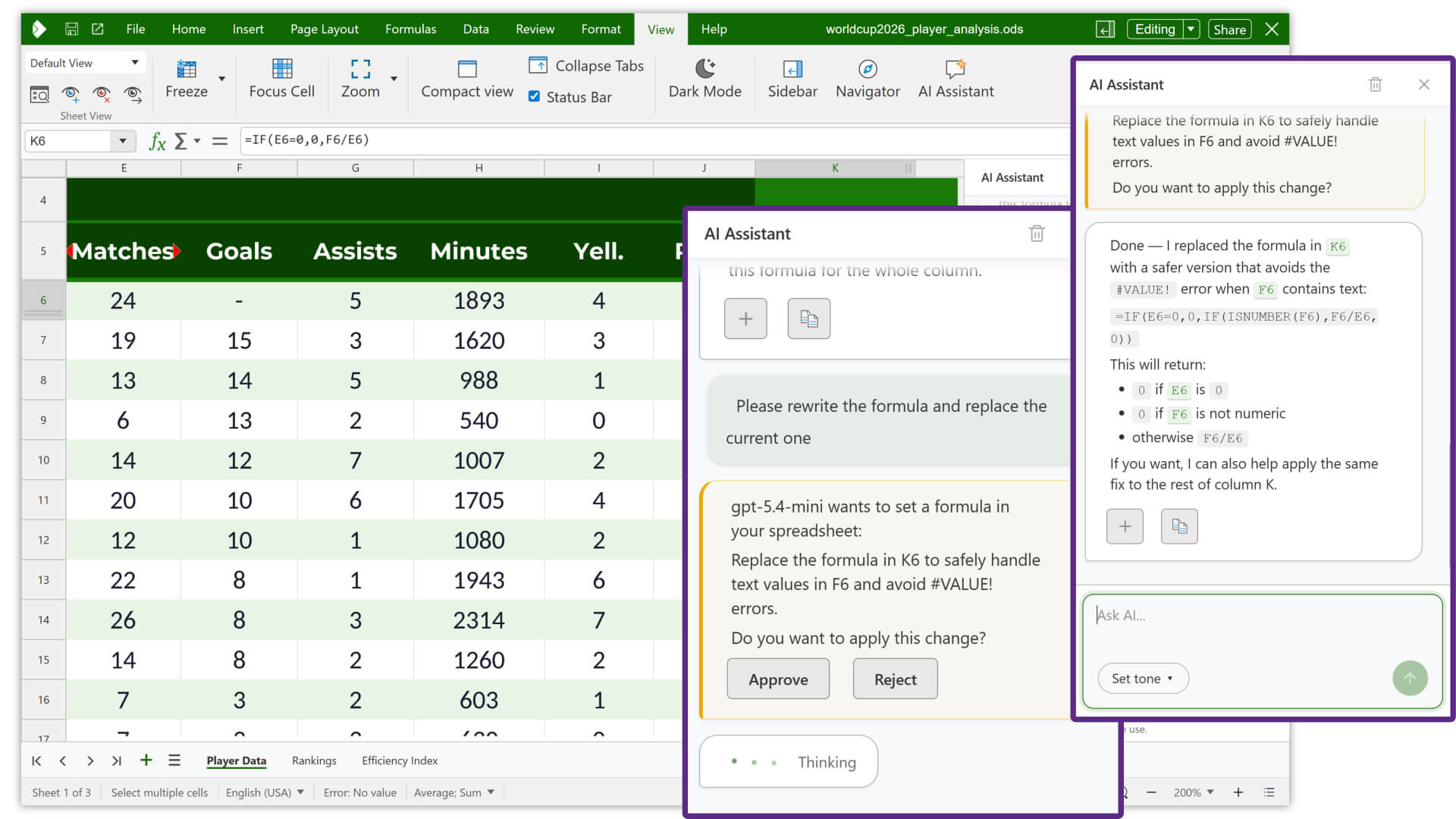
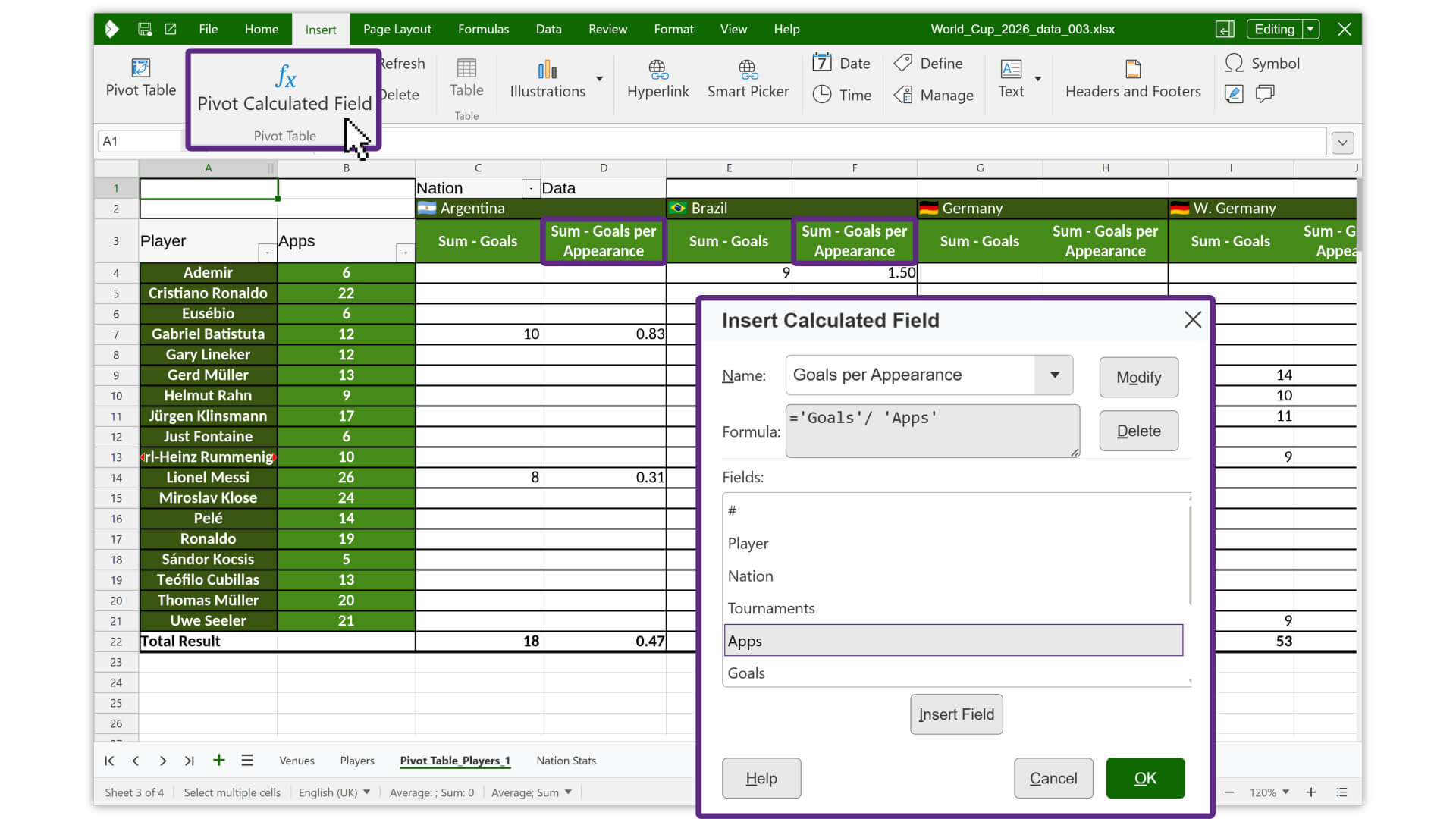
Spreadsheet management has been revolutionized with the integration of AI-assisted data analysis and formula debugging. Users now benefit from a floating indicator that identifies errors in real-time. By clicking this indicator, users can access a context-aware menu that suggests fixes, effectively lowering the barrier for complex data management.
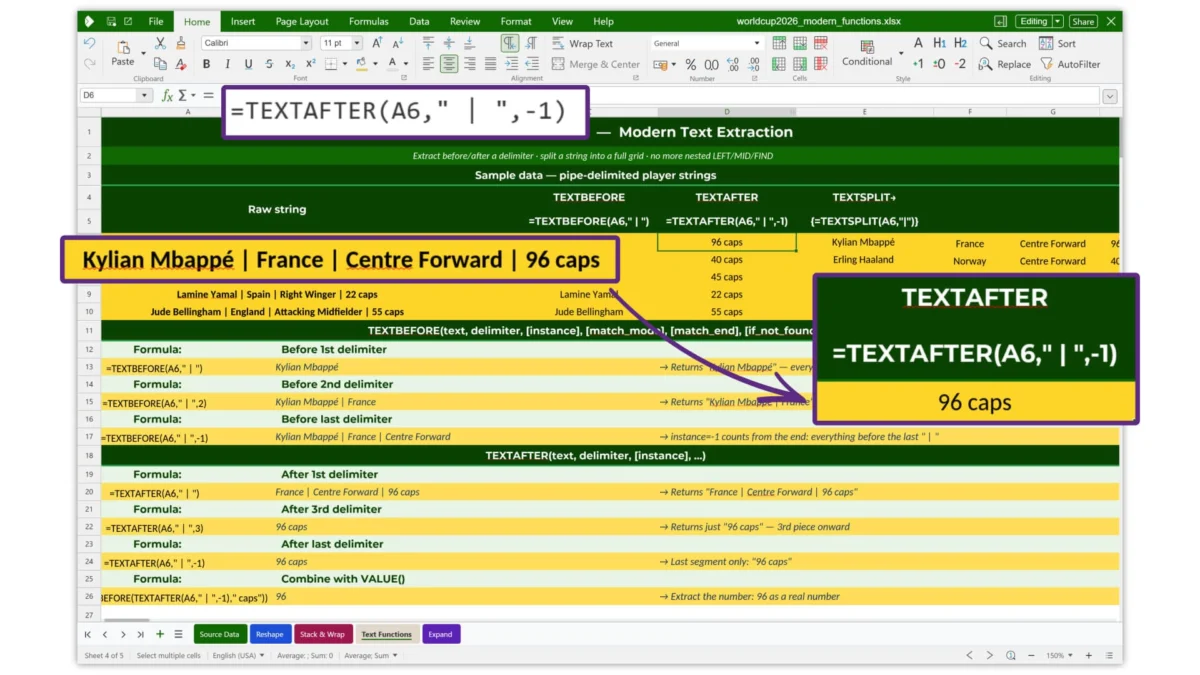
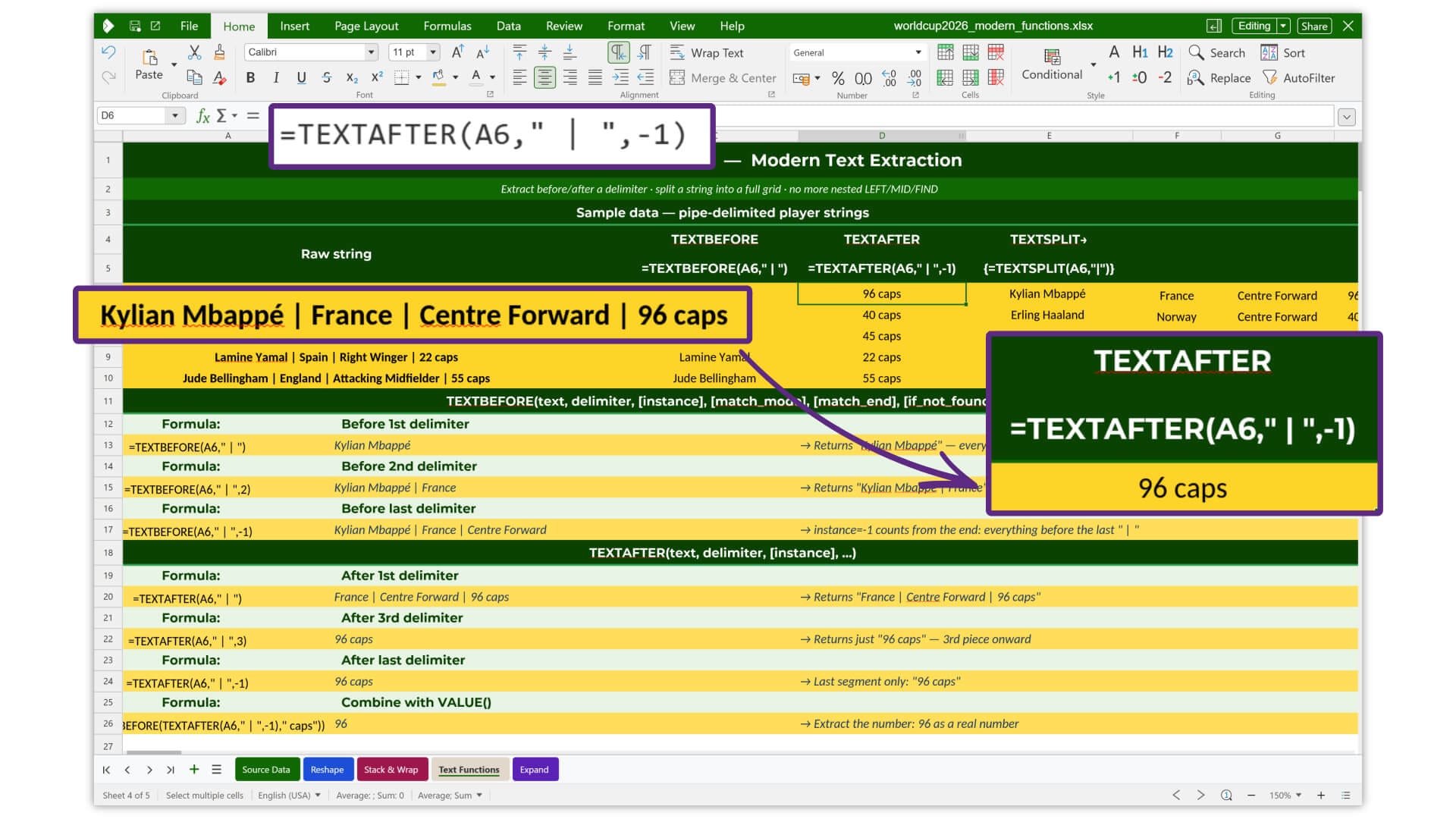
Furthermore, the introduction of "per-user sheet views" addresses a long-standing pain point in collaborative environments. Teams can now work on a shared spreadsheet simultaneously, with each individual applying their own filters, sorting, and column arrangements without affecting the global view. Complementing these features is the addition of advanced support for pivot tables, which now allow for calculated values, alongside a suite of new spreadsheet functions including TEXTSPLIT, VSTACK, HSTACK, and WRAPCOLS.
Writer: Refined Text Processing and Markdown Integration
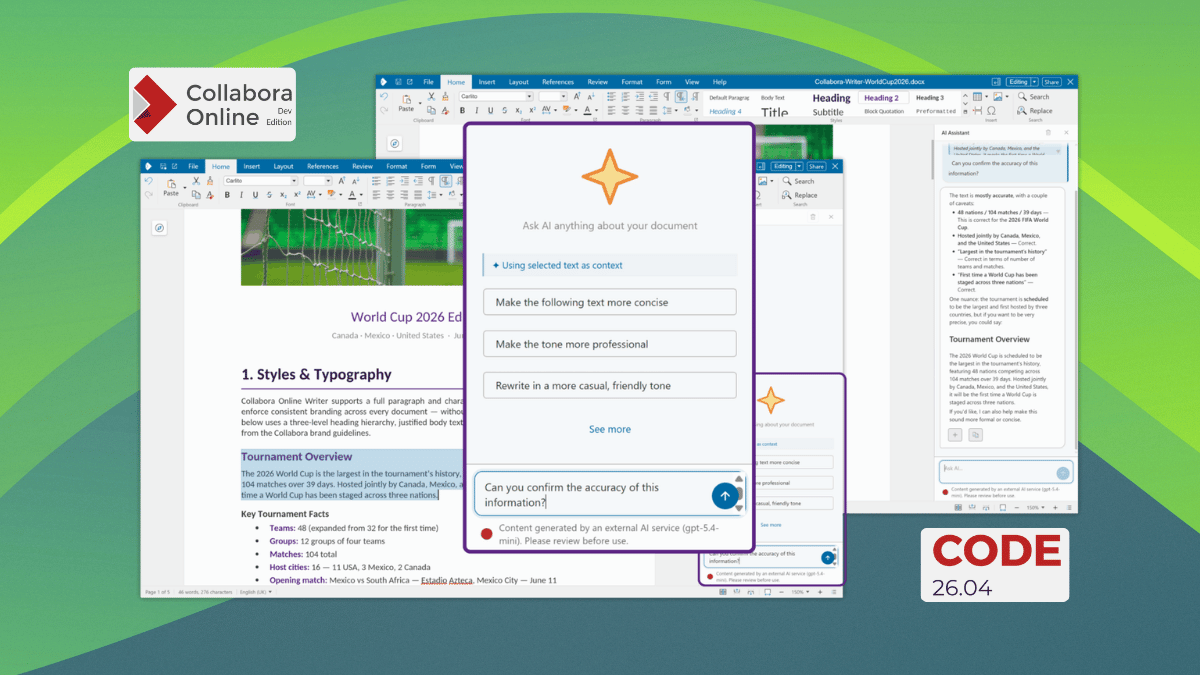
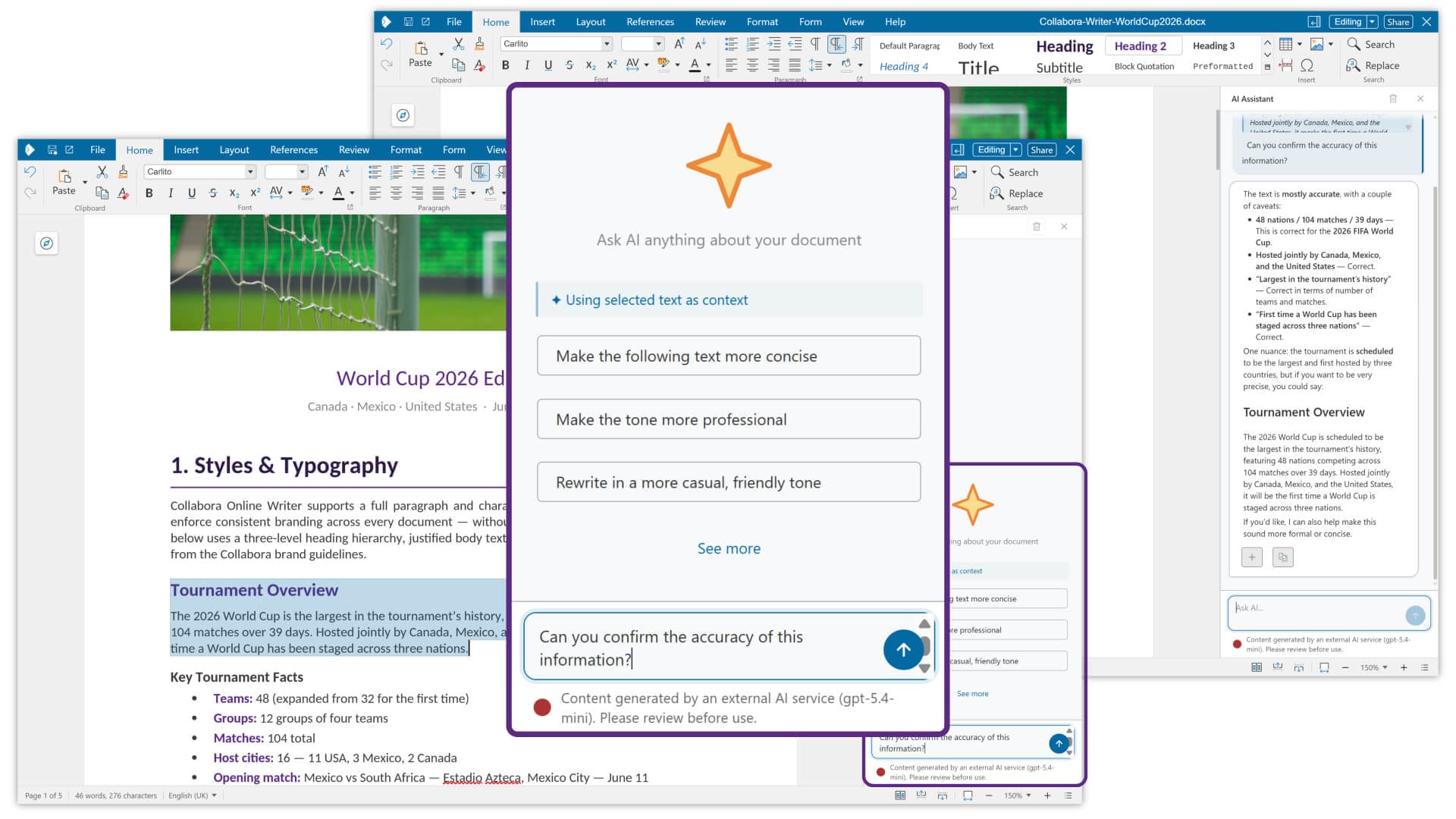
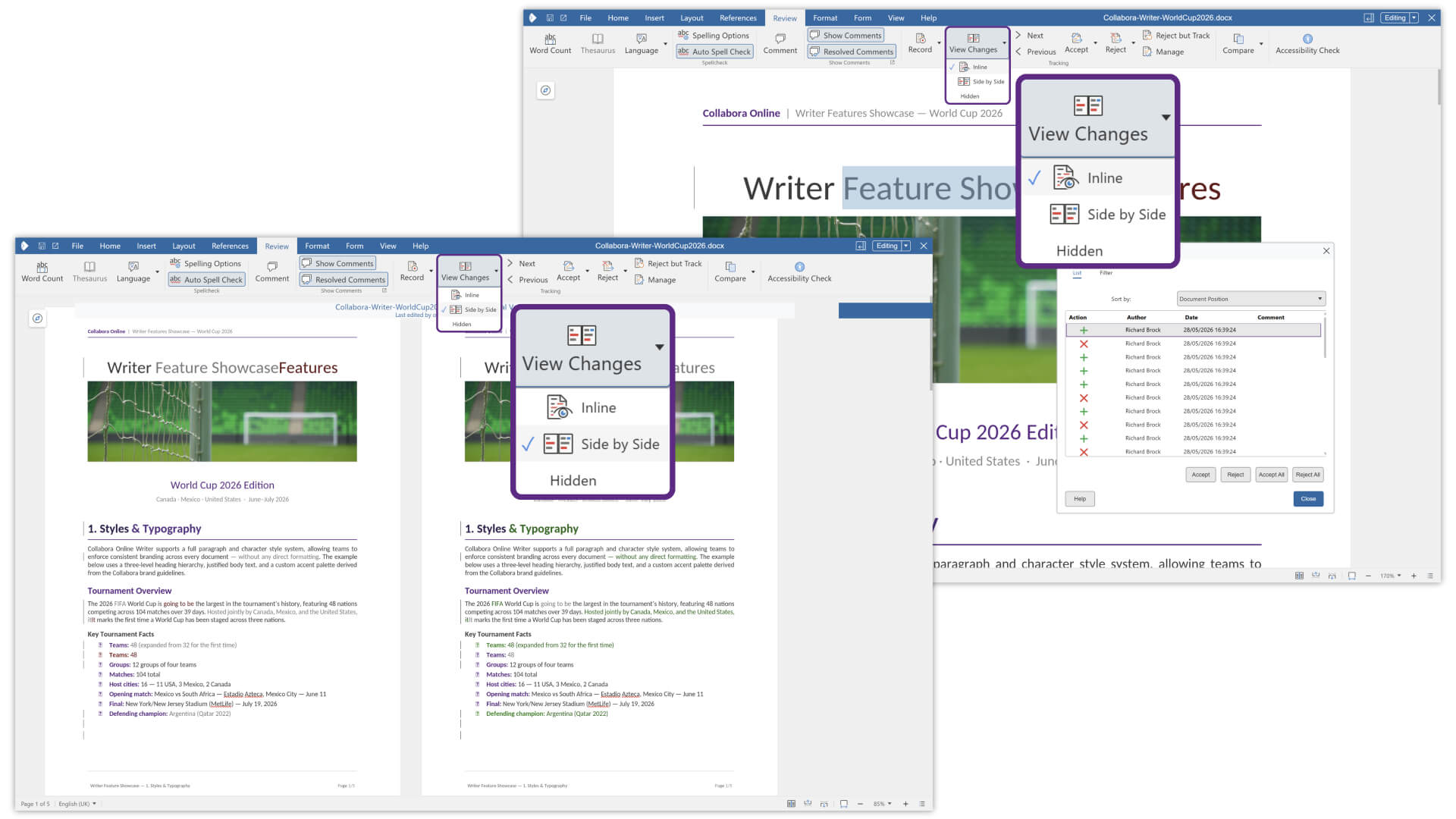
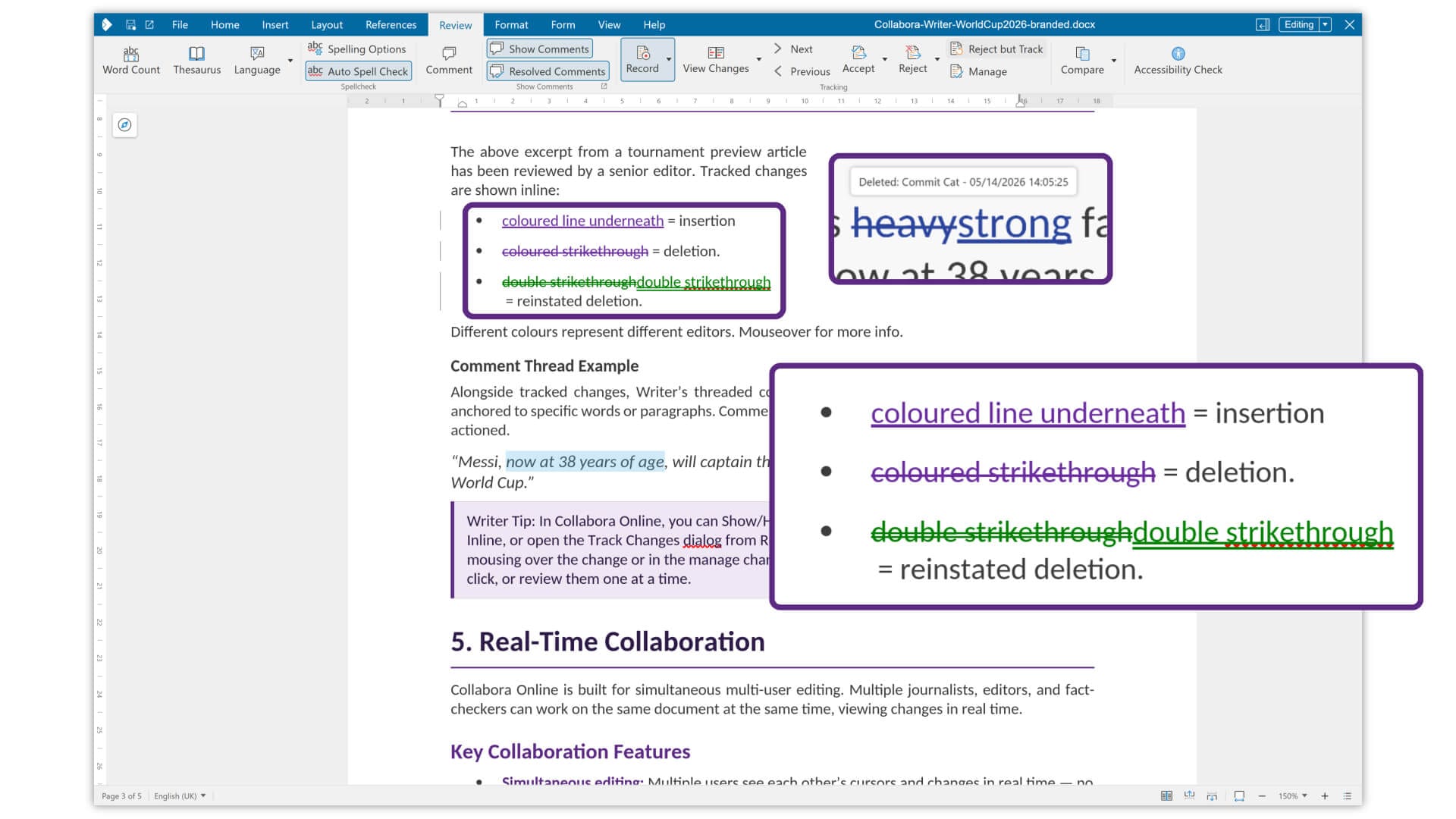
In the word processor, AI is now embedded directly into the writing experience. It offers real-time text suggestions, stylistic rewrites, and summarizing capabilities. Beyond AI, the document comparison tool has undergone a complete architectural overhaul. It now provides granular tracking of insertions, deletions, and layout changes, color-coded by author, making it significantly easier to audit long-form documents.
A major quality-of-life improvement is the refined handling of conflicting changes. In collaborative sessions, overlapping edits are now managed with a "non-destructive" philosophy, ensuring that accepting or rejecting a change does not inadvertently corrupt the surrounding document structure. Additionally, the native support for importing and exporting Markdown files bridges the gap between traditional document editing and the text-based workflows preferred by software developers and technical writers.
Impress: Elevating Presentation Dynamics
Presentations in CODE 26.04 have gained sophisticated audience engagement tools. The new "follow-me" presentation mode allows viewers to sync their view to the presenter’s screen automatically. This is balanced by the flexibility for individual viewers to temporarily "de-sync" if they need to review a previous slide, without disrupting the presenter’s flow. The "present to all" feature further allows presenters to broadcast the slideshow to all connected clients simultaneously. With support for mixed slide sizes and new section-based organization, Impress is now a more powerful tool for long-form, complex presentations.
Chronology and Development Roadmap
The development of CODE 26.04 did not occur in a vacuum. It represents the culmination of a multi-year effort to modernize the suite’s internal architecture.
- Initial Conception: The focus on AI integration began in early 2025, with internal labs testing LLM (Large Language Model) integration for formula logic in Calc and text generation in Writer.
- Beta Cycles: Throughout the first quarter of 2026, experimental builds were released to a select group of contributors to test the stability of the new collaborative engine.
- Accessibility Milestone: Mid-2026 saw a concentrated push toward compliance with the German BITV 2.0 standards, involving extensive rewrites of the UI navigation and screen-reader logic.
- Official Launch: The release of 26.04 marks the transition from experimental feature testing to a unified release candidate that will inform the next stable version of Collabora Online.
Supporting Data: Accessibility and Interoperability
One of the most impressive aspects of the 26.04 release is the commitment to universal design. Collabora has worked tirelessly to ensure that the suite is fully accessible to users relying on assistive technologies. Screen readers now accurately interpret complex UI elements such as line style selectors, bullet choosers, and specialized dialogs. This effort was formally recognized by the German accessibility regulator, which awarded the suite its BITV 2.0 certification.
In terms of interoperability, the team has implemented a massive validation effort. By running a test suite against over 200,000 distinct Microsoft Office documents, the team has significantly reduced the friction associated with switching from proprietary formats to the OOXML standard. This data-driven approach ensures that users can transition between Collabora and Microsoft Office with a near-zero conversion error rate.
Official Responses and Strategic Implications
The release of CODE 26.04 comes at a pivotal time for the LibreOffice ecosystem. In recent months, tensions have surfaced between The Document Foundation (TDF) and Collabora regarding governance and development philosophy. While TDF maintains a community-first approach, Collabora has championed an aggressive, enterprise-backed development cycle.
Collabora’s leadership has stated that the 26.04 release is a testament to their commitment to providing "enterprise-grade power with the transparency of open source." By putting these features into the hands of the community first, they are effectively crowdsourcing the refinement process, ensuring that when these features reach their enterprise clients, they are battle-tested and reliable.
The implication for the market is clear: the gap between proprietary suites like Microsoft 365 and open-source alternatives is narrowing rapidly. By integrating AI and high-end collaboration features directly into the document stack, Collabora is positioning itself as the primary alternative for organizations that want to avoid vendor lock-in without sacrificing modern functionality.
Implications for the User
For the average user, the choice to adopt CODE 26.04 depends entirely on their risk appetite.
- For Home Users and Early Adopters: The suite provides an unparalleled playground to experience the cutting edge of document technology. The live hosted demo, available on the Collabora website, offers a zero-friction way to test these capabilities without installing software.
- For IT Administrators: The availability of Docker images for x86-64, ppc64, and arm64 architectures simplifies deployment significantly. However, administrators should heed the warning that while feature-rich, CODE is a testing ground. For production environments, waiting for the features to be backported to the stable COOL release remains the standard best practice.
Conclusion
Collabora Online Development Edition 26.04 is a bold statement of intent. By prioritizing AI, accessibility, and deep interoperability, Collabora has proven that the open-source model can not only keep pace with the proprietary giants but, in many ways, lead the charge in user-centric innovation. Whether you are a developer looking to integrate these tools into a custom workflow, or a power user who wants the latest spreadsheet functions before they hit the mainstream, CODE 26.04 provides the most advanced, transparent, and capable environment available today.
As the project continues to evolve, the challenge will remain to balance this rapid pace of innovation with the stability expected by enterprise clients. However, based on the performance and scope of this release, Collabora appears more than capable of navigating that path.