The Microbial Renaissance: NorthX Biologics and enGenes Biotech Forge New Path for E. coli-Based Protein Production
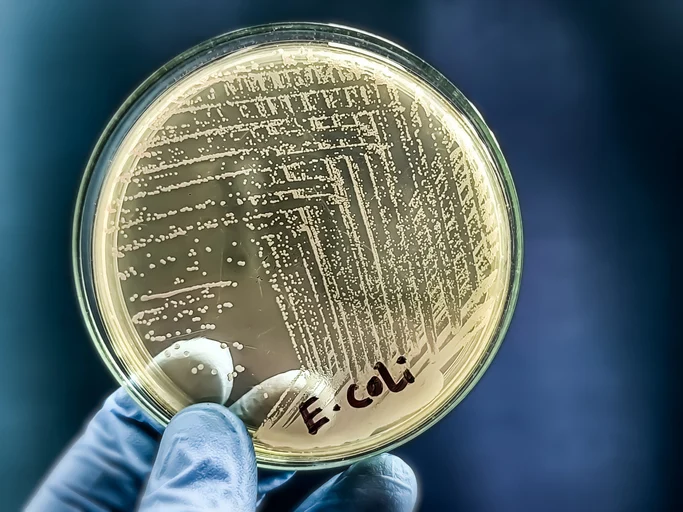
In a move set to redefine the economics and efficiency of biopharmaceutical manufacturing, Swedish contract development and manufacturing organization (CDMO) NorthX Biologics and Austrian biotechnology innovator enGenes Biotech have announced a strategic partnership. The two firms are joining forces to create an integrated, E. coli-based protein production platform designed to streamline the journey from initial strain design to commercial-scale Good Manufacturing Practice (GMP) production.
By merging enGenes’ specialized expertise in strain engineering with NorthX’s robust manufacturing infrastructure, the partnership aims to overcome the "fragmentation trap"—a common industry bottleneck where research, development, and manufacturing stages are outsourced to disparate entities, often resulting in costly delays and technical friction.
The Resurgence of a Workhorse: Understanding E. coli’s Evolution
E. coli-based protein expression systems are far from a novel technology. Since the 1970s, these microbial platforms have served as the bedrock of the recombinant protein industry. They were the primary engines behind the first synthetic human insulin and have long been used to produce treatments for conditions ranging from growth hormone deficiency to various metabolic disorders.
Despite the rise of complex mammalian cell culture systems, E. coli remains unrivaled in terms of speed, cost-effectiveness, and scalability. These systems offer significantly lower reagent costs and, crucially, a reduced risk of adventitious viral contamination compared to their mammalian counterparts.
However, historically, E. coli was pigeonholed into the production of relatively simple proteins. Because bacteria lack the sophisticated machinery for human-like post-translational modifications—such as complex glycosylation—they were long considered unsuitable for more complex biologics. Yet, as the industry stands on the precipice of a new era of biotechnology, that narrative is shifting rapidly.
Chronology of a Technical Shift
The pivot back to microbial systems did not happen overnight; it is the result of decades of incremental advancements in synthetic biology.
- 1970s–1980s: The foundational era. E. coli is successfully engineered to produce insulin, proving the viability of recombinant DNA technology.
- 1990s–2000s: The rise of CHO (Chinese Hamster Ovary) cells. As therapeutic proteins became more complex, the industry shifted heavily toward mammalian systems to ensure proper protein folding and glycosylation.
- 2010s: The advent of high-precision strain engineering. Tools like CRISPR-Cas9 and sophisticated metabolic modeling began to allow scientists to "reprogram" E. coli to better handle complex protein folding and, in some cases, mimic human-like modifications.
- 2025: The NorthX-enGenes Partnership. The industry moves from purely laboratory-scale strain engineering to an integrated, "seamless" industrial workflow, signaling the maturation of microbial systems for modern therapeutic pipelines.
Supporting Data: Why Microbial Systems are Gaining Traction
The economic and operational arguments for adopting enhanced microbial platforms are becoming increasingly difficult for biopharmaceutical firms to ignore. As Ola Tuvesson, CTO at NorthX, points out, the push is being driven by a "perfect storm" of market conditions.
The Cost-Efficiency Paradigm
Biopharmaceutical firms are currently facing intense pressure to reduce the Cost of Goods Sold (COGS). Mammalian cell cultures, while effective, require expensive media, complex bioreactor environments, and long incubation periods. Microbial systems, by contrast, offer:
- Rapid Fermentation: Cycles that can be completed in days rather than weeks.
- Lower Reagent Costs: Simplified, defined media requirements that drastically lower the barrier to entry for early-stage development.
- Simplified Upstream Processing: Easier scale-up protocols that translate directly into lower capital expenditure (CapEx) for manufacturers.
Addressing the Complexity Gap
Recent breakthroughs in strain engineering have expanded the scope of what E. coli can produce. By optimizing the host strain to reduce protease activity and enhance folding capacity, researchers are now successfully producing antibody fragments (such as Fabs and scFvs) and Antibody-Drug Conjugate (ADC) components. The ability to perform targeted glycosylation engineering means that microbial systems are now encroaching on territory once thought to be the exclusive domain of yeast or mammalian cells.
Official Responses and Strategic Vision
The collaboration between NorthX and enGenes is not merely a technical arrangement; it is a business model evolution. Speaking on the rationale behind the partnership, Ola Tuvesson emphasized that the primary goal is to address the inefficiencies inherent in the current outsourcing landscape.
"The E. coli development to GMP manufacturing pathway typically covers expression system development, process development, scale-up, and transfer into GMP production," Tuvesson explained in an interview with GEN. "While the technical steps are well established, the challenge in many programs is that these stages are often handled by different providers. This leads to handovers that cause delays, rework, and increased scale-up risk."
Tuvesson highlights that the partnership seeks to eliminate these "handovers." By aligning the design of the expression strain with the specific requirements of the GMP manufacturing suite from day one, the firms can ensure data continuity. "The pathway we are establishing addresses this fragmentation by integrating expression development and GMP manufacturing into a single, aligned workflow," he added.
Rather than licensing the platform as a standalone product, the firms are offering it as an end-to-end service. This ensures that the intellectual property and the process knowledge remain tightly coupled, providing customers with a "de-risked" path to the clinic.
Implications for the Biopharma Pipeline
The impact of this integrated platform is expected to be felt across three primary growth vectors: biosimilar manufacturing, peptide therapeutics, and antibody fragments.
1. The Biosimilar Boom
As numerous blockbuster biologics reach patent expiry, the market for biosimilars is expanding exponentially. For these products, price is the primary competitive differentiator. By utilizing high-efficiency microbial platforms, biosimilar developers can achieve the necessary clinical parity while maintaining a manufacturing cost structure that allows for competitive pricing in global markets.
2. Peptide Therapeutics and ADC Components
The increasing interest in peptide-based medicines and the surging ADC market presents a unique opportunity for E. coli. The ability to engineer specific, high-yield strains for these smaller, more specific protein molecules is a critical advantage of the enGenes technology, allowing for higher purity profiles and lower contaminant levels compared to traditional synthesis methods.
3. Future-Proofing Manufacturing Infrastructure
The NorthX-enGenes alliance is also positioning itself for the next wave of manufacturing: continuous production. "The collaboration may also open up opportunities to implement more continuous manufacturing approaches over time," Tuvesson noted. Continuous processing, which allows for the constant harvest of product from the fermenter, represents the "holy grail" of efficiency in the biologics space, further reducing the physical footprint of manufacturing facilities.
Challenges and Considerations
While the promise is significant, the path forward is not without hurdles. Transitioning a process from a small-scale, high-throughput screening platform to a multi-fermenter GMP environment requires rigorous multivariate experimental design. Data integrity and the ability to demonstrate "decision-grade" data early in the process are essential to gaining regulatory approval.
Furthermore, the industry’s reliance on mammalian systems is deeply entrenched. Shifting the mindset of drug developers—who are often risk-averse when it comes to manufacturing platforms—will require sustained evidence that these engineered microbial strains can deliver consistent, high-quality products batch after batch, across global jurisdictions.
Conclusion: A New Standard for Collaboration
The partnership between NorthX Biologics and enGenes Biotech serves as a microcosm of a broader trend in the biopharmaceutical industry: the move toward integrated, technology-driven manufacturing partnerships. By marrying the raw power of microbial expression with the precision of modern strain engineering and the stability of established GMP manufacturing, the two companies are providing a blueprint for how to bring complex therapeutics to market faster and more affordably.
As biopharma continues to face pricing pressures and the need for more agile, scalable production, the "microbial renaissance" led by firms like NorthX and enGenes may well provide the solution to the manufacturing bottlenecks of the 21st century. For patients waiting for more affordable access to life-saving biologics, the outcome of this collaboration could be nothing short of transformative.