The Agrigenomics Revolution: How Precision Science is Cultivating a New Agricultural Era
Agriculture is currently undergoing a transformation as profound as the Green Revolution of the mid-20th century. If traditional farming was the long, arduous trek of a slow-moving caravan, the modern era of agrigenomics is a high-speed transit. By fusing sophisticated genomic tools with artificial intelligence (AI), satellite imagery, and high-resolution spatial analysis, the agricultural sector is shifting from broad-acre guesswork to hyper-targeted precision farming.
This convergence of biology and data science is compressing decades of traditional field trials into single growing seasons. More importantly, it is enabling the expression of specific, desirable traits—such as drought resistance, disease immunity, or enhanced nutritional profiles—without the need for introducing foreign genes or relying on the slow, hit-or-miss outcomes of Mendelian hybridization.
Main Facts: The Intersection of Data and Biology
The fundamental shift in modern agriculture lies in the transition from viewing a farm as a monolithic block of land to understanding it as a complex, multi-layered biological system. Today, innovators are treating soil health with the same diagnostic rigor used in precision medicine.
Key players like Miraterra, Pairwise, Heritable Agriculture, and Verinomics are leading this charge. They are not merely "growing crops"; they are engineering agricultural outcomes through:
- Molecular Soil Fingerprinting: Moving beyond archaic chemical testing to real-time, AI-driven soil analysis.
- Accelerated Breeding Cycles: Using CRISPR and other gene-editing platforms to achieve in three years what previously took 40.
- Climate-Adaptive Traits: Rapidly evolving plant genetics to withstand the accelerating stresses of global climate change.
- Non-GMO Precision Editing: Achieving desired phenotypic outcomes by fine-tuning native genes, thereby bypassing the regulatory and social friction associated with traditional transgenic GMOs.
Chronology: From Mendelian Luck to Digital Design
For thousands of years, agricultural improvement was limited by the speed of sexual reproduction. To improve a crop—such as increasing the size of a berry or the resilience of a tree—breeders had to cross-pollinate, wait for the fruit to grow, harvest, select the best seeds, and repeat the process over generations. This often meant a 20- to 40-year window for a single significant trait to become commercially viable.
The Turning Point
- The Early 2000s: The widespread adoption of genomic sequencing began to demystify the plant genome, yet the practical application remained largely trapped in academic research.
- The 2010s: CRISPR-Cas9 emerged as a game-changer. Suddenly, breeders had a pair of "molecular scissors" that allowed for the precise modification of DNA sequences.
- 2020–2025: The integration of AI and machine learning created a "predictive breeding" era. Companies began modeling plant growth digitally, simulating thousands of variations before a single seed was planted in the dirt.
- The Current Landscape (2026 and beyond): We are currently witnessing the commercialization of this technology. From seedless blackberries to self-pollinating almonds, the "accelerated breeding" era is no longer theoretical—it is hitting the market.
Supporting Data: The Efficiency Gap
The economic and biological data supporting these advancements is staggering. Consider the traditional methods of crop development versus the new paradigm:

The Cost of Analysis
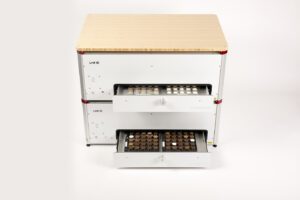
Nate Kelly, CEO of Miraterra, notes that the current system of soil measurement is outdated. Traditional labs charge roughly $40 per sample for chemical analysis, a process that is slow and limited in scope. Miraterra’s "Digitizer" technology, which uses shifted-excitement Raman difference spectroscopy, aims to reduce this cost to under $5—a 90% reduction in overhead. By providing molecular-level insights into soil texture, organic matter, and carbon content in minutes rather than days, the barrier to entry for precision farming is collapsing.
The Speed of Innovation
The contrast in development timelines is perhaps the most compelling metric for the industry:
- Traditional Breeding: Developing a new variety of strawberry or cherry takes 10 to 12 years.
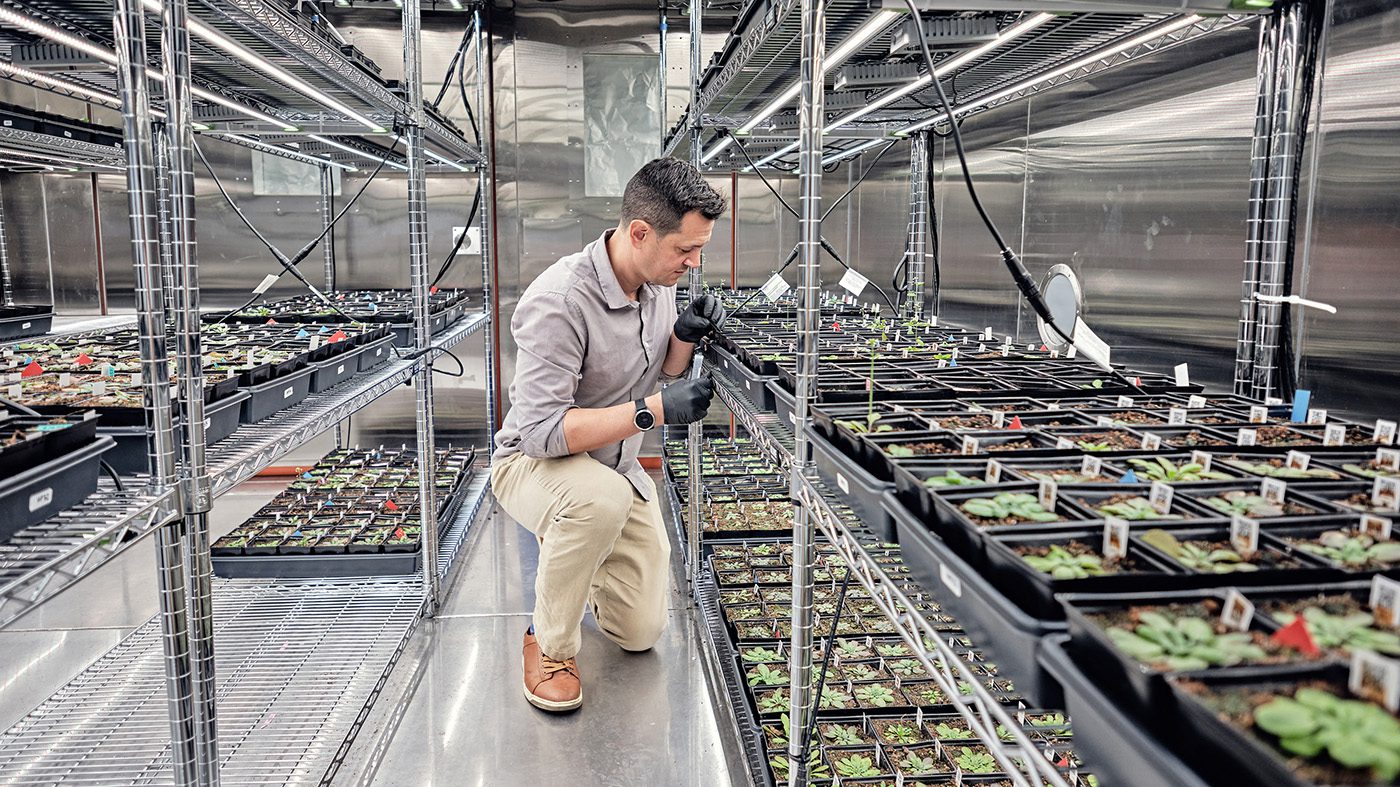
- Heritable Agriculture’s Model: By identifying causative genes for specific traits (like flowering time), they can validate these traits in plants within 18 months.
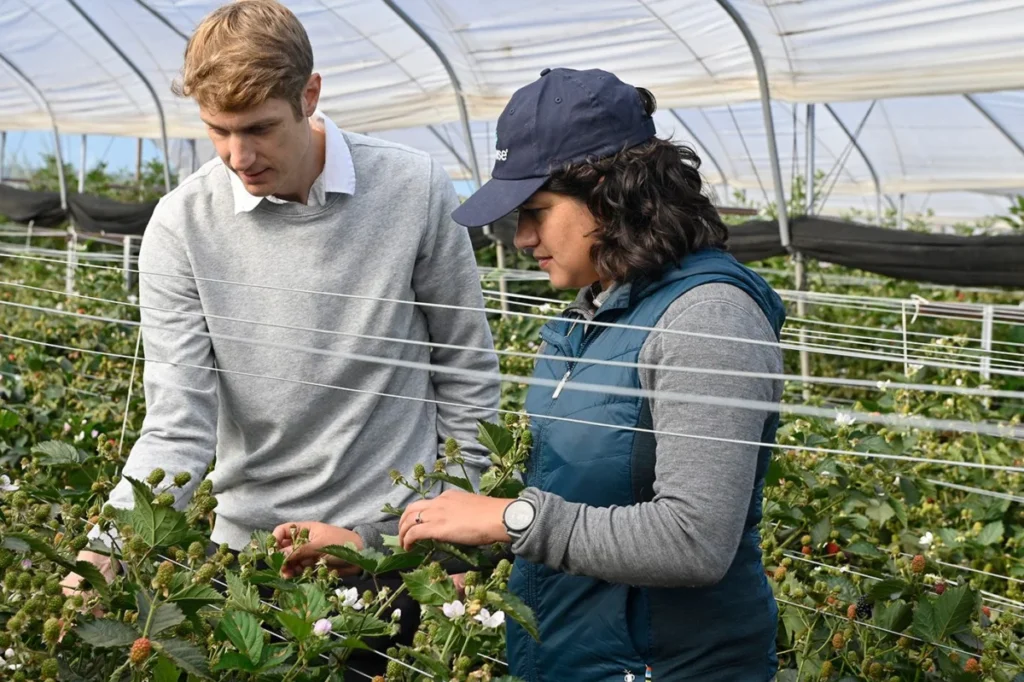
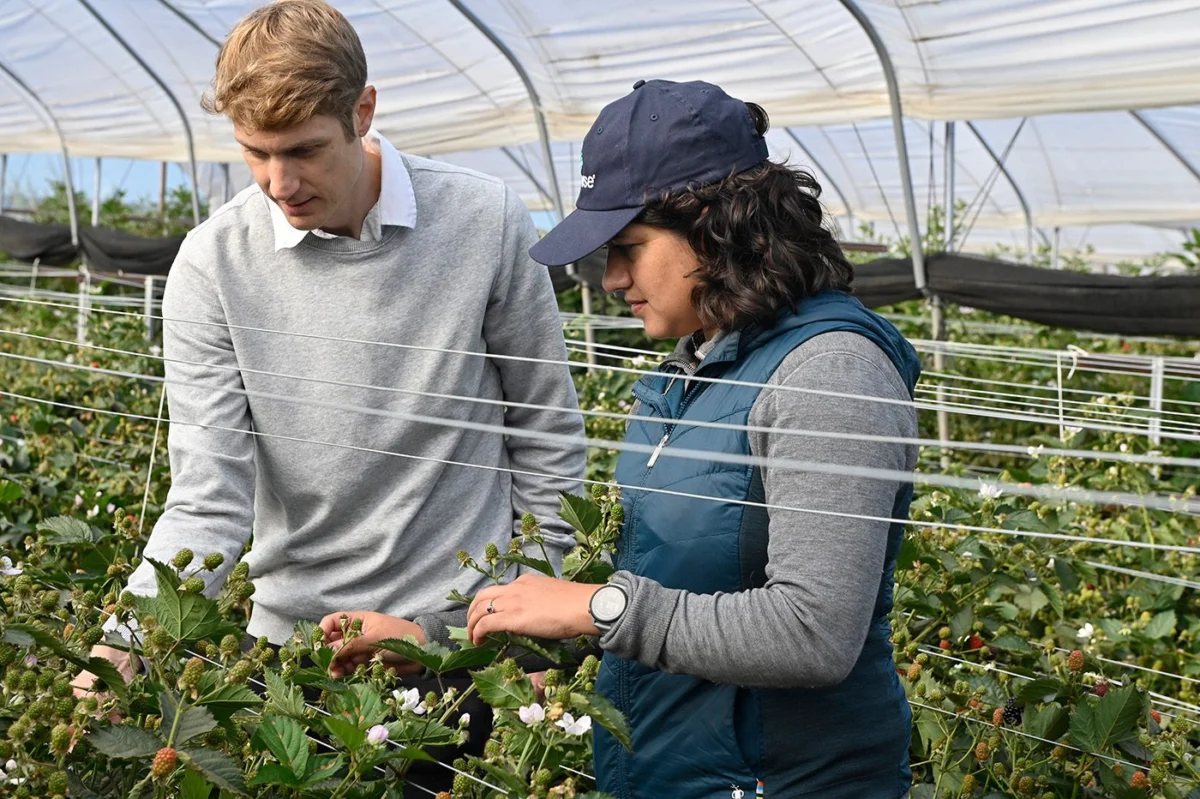
- Pairwise’s Efficiency: By utilizing their Fulcrum platform, Pairwise developed a new variety of blackberry in just three years, effectively cutting 37 years off the standard developmental timeline.
Success Rates
The "hit rate" for finding viable genes is also skyrocketing. Brad Zamft, CEO of Heritable Agriculture, points to a sobering industry statistic: out of 1,671 unique genes field-tested in traditional trials, only 22 were validated as successful leads. In contrast, by using AI-driven predictive modeling, Heritable identified three causative genes for flowering time in corn on their first attempt.
Official Responses and Strategic Vision
Industry leaders emphasize that this is not about "playing God" with plants, but rather accelerating natural evolution to meet human needs.
Nate Kelly (Miraterra) on Soil
"Soil is the most complex, beautiful system on the planet," says Kelly. He argues that we cannot continue to treat soil with "simple probes" that yield incomplete data. His company’s acquisition of Trace Genomics allowed them to map 400,000 biological components—including nitrogen fixers and pathogens—effectively creating a microbiome map of the farm.
Ryan Bartlett (Pairwise) on Consumer Health
"The goal is to make growers more sustainable and efficient, and to give consumers the opportunity to consume more healthy things," explains Bartlett. By developing compact, thornless, and seedless varieties, Pairwise is making crops like blackberries not only easier to grow but more convenient to eat, potentially driving higher consumption of nutrient-dense produce.

Stephen Dellaporta (Verinomics) on Practical Solutions
For Dellaporta, the focus is on solving "unsolvable" problems. His work on the self-pollinating Nonpareil almond is a masterclass in economic pragmatism. By editing the self-incompatibility gene, he has rendered the need for secondary pollinator rows and rented beehives (which cost roughly $400 per acre) obsolete. "Gene editing may create a modification to allow the plant to be resistant without losing its varietal identity," he says, referencing his work on citrus greening.
Implications: A Global Paradigm Shift
The implications of this agrigenomic shift extend far beyond the laboratory.
Economic Democratization
By lowering the cost of soil analysis and accelerating breeding cycles, these technologies democratize high-tech farming. Smallholder farmers who were previously priced out of precision data can now access insights that were once reserved for massive corporate plantations.
Environmental Stewardship
Precision farming allows for the targeted application of nutrients and water. When a grower knows the exact nutrient flow of a 10-square-meter plot, they can minimize runoff and waste. Furthermore, the development of disease-resistant crops—such as those immune to citrus greening—reduces the reliance on chemical pesticides and fungicides, creating a more sustainable agricultural footprint.
Future-Proofing the Food Supply
Perhaps the most critical implication is the ability to adapt to a changing climate. Traditional breeding is too slow to keep pace with shifting rainfall patterns and rising temperatures. With the ability to "design" crops that thrive in specific, newly challenging environments, agriculture can provide a buffer against the food insecurity that many nations face.
As we look to the future, the boundary between the field and the lab will continue to blur. We are moving toward a reality where every aspect of a plant’s life—from the microbial activity in the soil beneath its roots to the exact expression of its genome—is understood, optimized, and managed. This is the "genomics-fueled bounty," and it is arriving much faster than the world ever anticipated.