Google Play’s Strategic Pivot: A Comprehensive Analysis of New Billing, Fee Structures, and Developer Programs
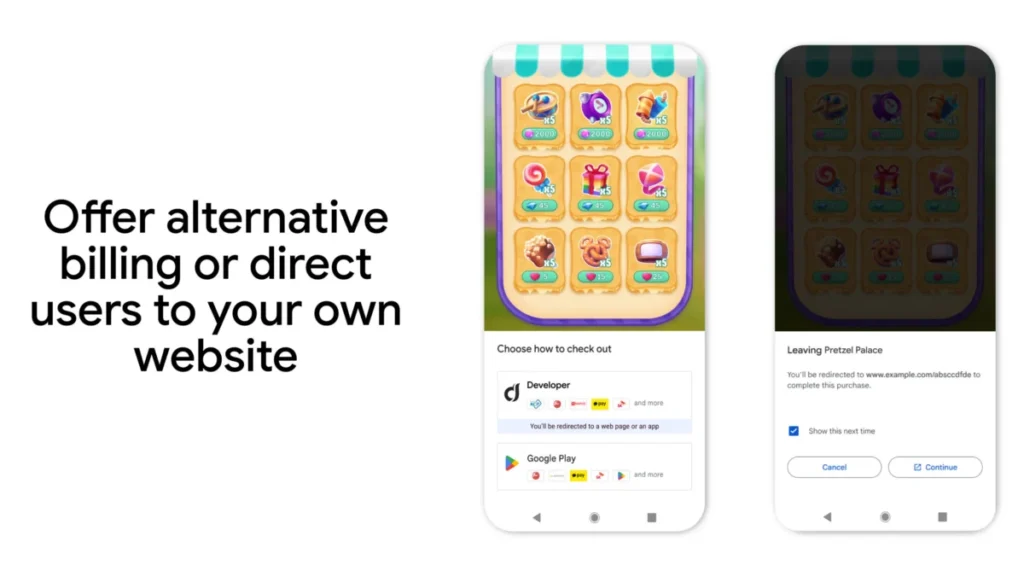
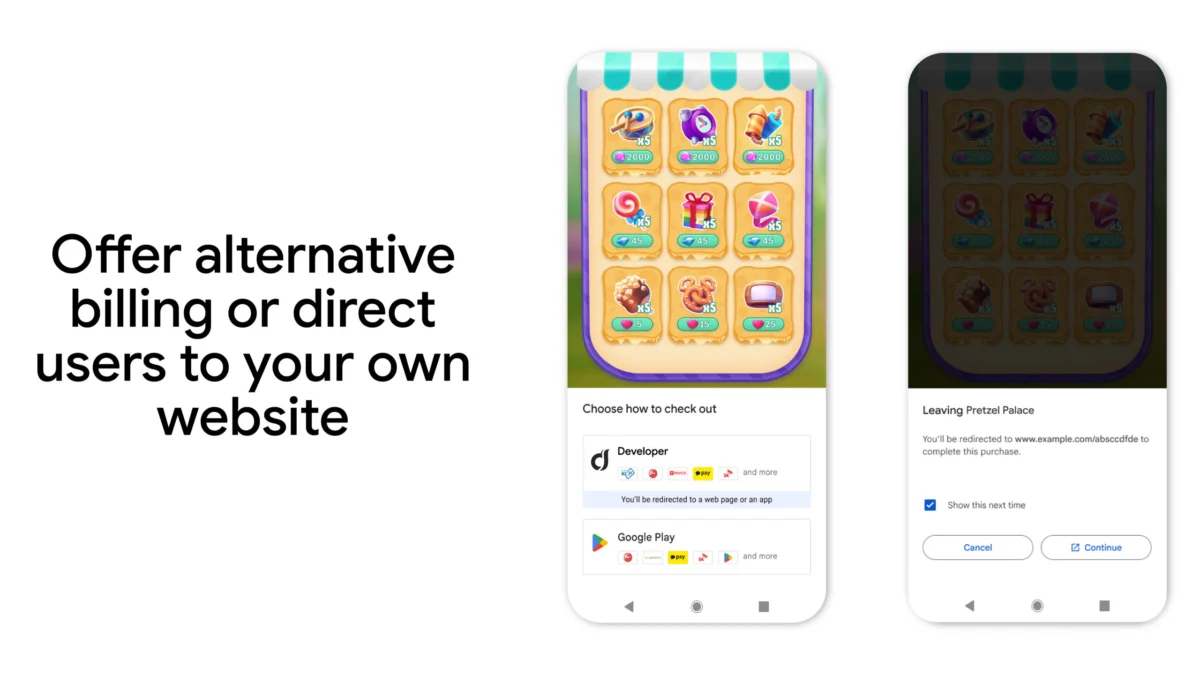
In a significant move aimed at reshaping the digital ecosystem, Google has announced a fundamental shift in its Google Play business model. As outlined by Paul Feng, Vice President of Google Play Engineering, Product, and UX, these changes are designed to provide developers with greater autonomy in payment processing while simultaneously incentivizing high-quality user experiences. By uncoupling service fees from billing fees and launching new, specialized programs for app and game developers, Google is attempting to balance the demands of global regulatory bodies with the needs of its expansive developer community.
Main Facts: The Core of the Transformation
The cornerstone of these updates is the introduction of increased billing flexibility. Developers operating within the United Kingdom, the European Economic Area (EEA), and the United States will now have the option to offer alternative billing systems or direct users to external websites for digital purchases. This departure from a “walled garden” payment model is a major concession to market pressures and regulatory environments that have long scrutinized the dominance of proprietary app store billing.
Beyond billing, Google is implementing a structural change to its fee architecture. Starting June 30, 2026, the company will bifurcate its fee structure into two distinct components: the service fee and the billing fee.

- The Service Fee: This covers the cost of maintaining the Google Play platform, discovery services, security, and distribution. It is set at a baseline of 10% on the first $1 million (USD) in annual earnings, a rate that also applies to all auto-renewing subscriptions.
- The Billing Fee: This is specifically associated with the processing of payments through Google Play’s proprietary system. In the US, UK, and EEA, this fee is set at 5%. Crucially, this 5% fee is waived if a developer opts to use an alternative billing provider or an external link, effectively lowering the total take-rate for those who handle their own payment infrastructure.
Chronology: A Staggered Path to Implementation
Google has emphasized that the rollout of these changes will be methodical, acknowledging the technical complexity of integrating global payment systems. The timeline is designed to give developers ample time to audit their current business models and prepare for the transition.
- Initial Announcement (Early 2026): Google signaled its intent to overhaul the business model, emphasizing "choice and openness."
- June 30, 2026: The implementation of the new, separate fee structure begins, starting with the US, UK, and EEA markets.
- September 30, 2026: The official launch of the updated "Games Level Up" and the new "Apps Experience" programs. These programs offer a further reduced rate card for developers who meet specific, high-standard user experience benchmarks.
- Ongoing (2026 and Beyond): A global, phased expansion of billing choice programs to additional markets beyond the initial three regions, as Google works to align its infrastructure with local regulations worldwide.
Supporting Data: Fee Structures and Economic Implications
The economic impact of these changes is nuanced. By separating the service fee from the billing fee, Google is creating a "pay-for-what-you-use" environment.
For developers, the math is straightforward: if a developer uses Google’s billing, they pay the combined service and billing fee. If they choose to integrate a third-party payment gateway, they are responsible for the service fee alone. However, developers must account for the transaction costs of these third-party providers, which may or may not be lower than Google’s 5% billing fee.

The program rate cards for the "Games Level Up" and "Apps Experience" initiatives further complicate the economic landscape but offer a clear incentive for quality. Developers who invest in high-performance, user-friendly, and secure apps are rewarded with lower service fees. This strategy serves a dual purpose: it mitigates the risk of developers fleeing the platform for lower-cost alternatives, and it ensures that the Google Play ecosystem maintains a reputation for high-quality software, which is essential for user retention.
Official Responses and Strategic Intent
Paul Feng’s communication underscores a desire to move toward a model of "choice and adaptability." The official stance from Google is that the company is listening to the developer community’s feedback regarding the complexity of taxes, compliance, and global payment methods.
"Google Play’s billing system safely, efficiently, and intuitively handles the complexities of taxes, compliance, and subscriptions across 195+ markets with 300+ local payment methods," Feng noted in his announcement. By maintaining this system as an option while allowing for alternatives, Google is essentially framing its own billing service as a "premium" convenience tool rather than a mandatory requirement.

This pivot is clearly a response to years of antitrust litigation and regulatory scrutiny in jurisdictions like the EU and the US. By proactively adjusting its terms of service, Google is attempting to preempt more restrictive government-mandated changes, ensuring it maintains a degree of control over the platform’s evolution while appearing to be a champion of developer agency.
Implications for the Ecosystem
For Indie Developers
The 10% service fee on the first $1 million in annual revenue remains a significant win for independent developers and startups. It lowers the barrier to entry and allows smaller teams to reinvest more of their earnings into development and marketing. The ability to use external billing may also allow smaller studios to negotiate better payment processing rates than what the standard Google Play billing fee might dictate.
For Large Enterprises
For established gaming studios and subscription-based service providers, the impact will be felt in the operational layer. Moving away from Google Play’s billing requires significant technical investment—managing local tax compliance, currency conversion, and fraud prevention across 195+ markets is a non-trivial challenge. Large companies will need to weigh the potential savings of a lower total fee percentage against the high operational overhead of building or maintaining their own commerce infrastructure.

For the User
Users may notice a change in the purchasing journey. Some apps will now direct users to browser-based payment pages, which could lead to a more fragmented user experience. However, Google’s inclusion of "UX guidelines" for choice screens suggests that the company is attempting to standardize these alternative paths to ensure that the user remains protected and informed, even when stepping outside of the native Play Store environment.
The Competitive Landscape
This shift effectively redefines the competitive landscape between Google Play and other platforms like the Apple App Store. By opening up its billing system, Google is positioning itself as the more "flexible" and "developer-friendly" ecosystem. This could lead to a shift in how developers prioritize their platform roadmaps. If the cost of doing business on Android becomes demonstrably lower and more transparent than on iOS, developers may prioritize the Android user experience, potentially shifting the center of gravity in the mobile app economy.
Looking Forward: Preparing for the Future
As the September 30, 2026, deadline approaches for the new program rate cards, the onus is on the developers. Success in this new era of Google Play will require more than just writing code; it will require a deep understanding of the new fee tiers, a strategic decision regarding payment processing, and a commitment to meeting the rigorous requirements of the "Games Level Up" and "Apps Experience" programs.

Google has provided a wealth of documentation in its Help Center and through its dedicated program portals. Developers are encouraged to conduct a cost-benefit analysis of their current payment models against the new fee structure. Those who can successfully navigate these complexities stand to benefit from a more open, competitive, and potentially more profitable platform.
In conclusion, the evolution of Google Play is reflective of a maturing digital market. By shedding the rigid, one-size-fits-all model of the past and embracing a more fragmented, choice-driven approach, Google is betting that a more flexible platform will foster long-term loyalty among developers. Whether this move satisfies regulators and stabilizes the market remains to be seen, but one thing is certain: the era of the monolithic app store billing system is rapidly coming to an end.