Weekend Gaming Digest: From Retro Demakes to Celestial Fishing
As the work week draws to a close, the digital landscape of itch.io remains as vibrant and unpredictable as ever. This week’s selection highlights a fascinating intersection of nostalgia, experimental narrative design, and pure, unadulterated charm. Whether you are looking to revisit a seminal classic through a modern lens, explore the existential depths of the cosmos, or simply guide an adorable amphibian through a hand-drawn world, these three titles represent the ingenuity currently driving the independent game development scene.
The Resurgence of the Border Agent: Analyzing ‘LCD, Please’
The Legacy of a Masterpiece
Ten years ago, Lucas Pope released Papers, Please, a game that fundamentally shifted the perception of what a "simulator" could achieve. By tasking players with the role of a border agent in the fictional, oppressive state of Arstotzka, Pope managed to turn bureaucratic drudgery into a harrowing moral exploration of duty, survival, and family. It remains a titan of the genre, cited frequently in academic and critical circles as a definitive example of ludonarrative harmony.
The Demake Phenomenon
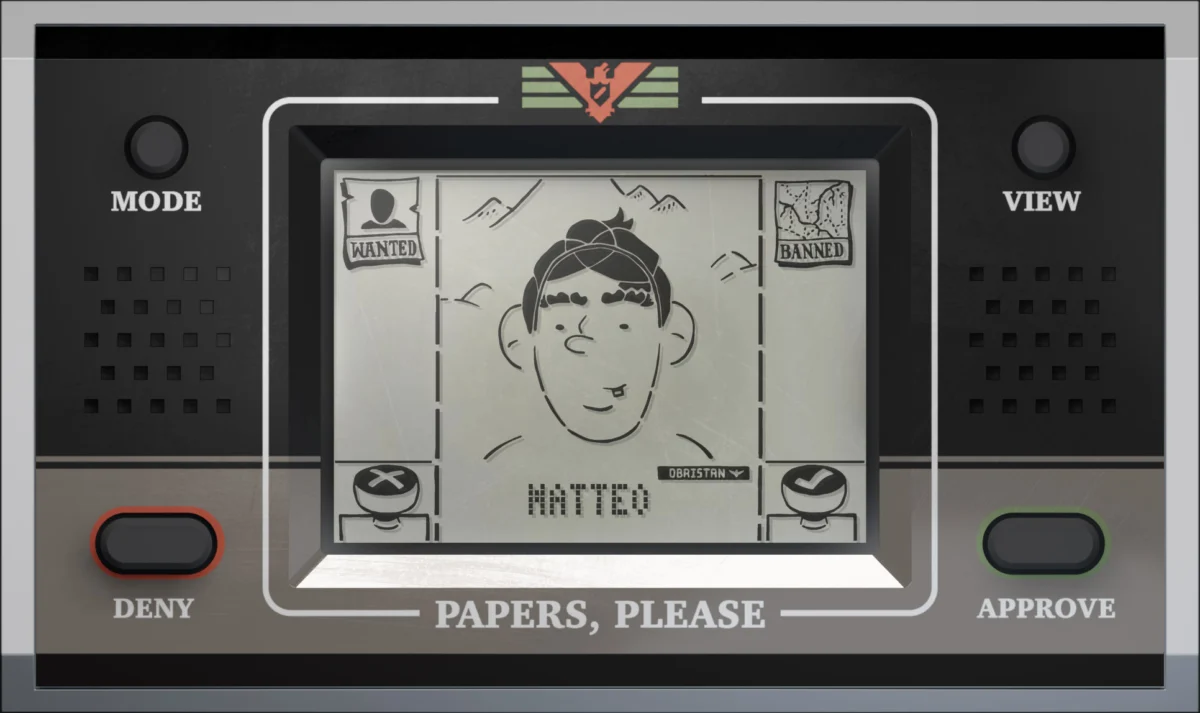
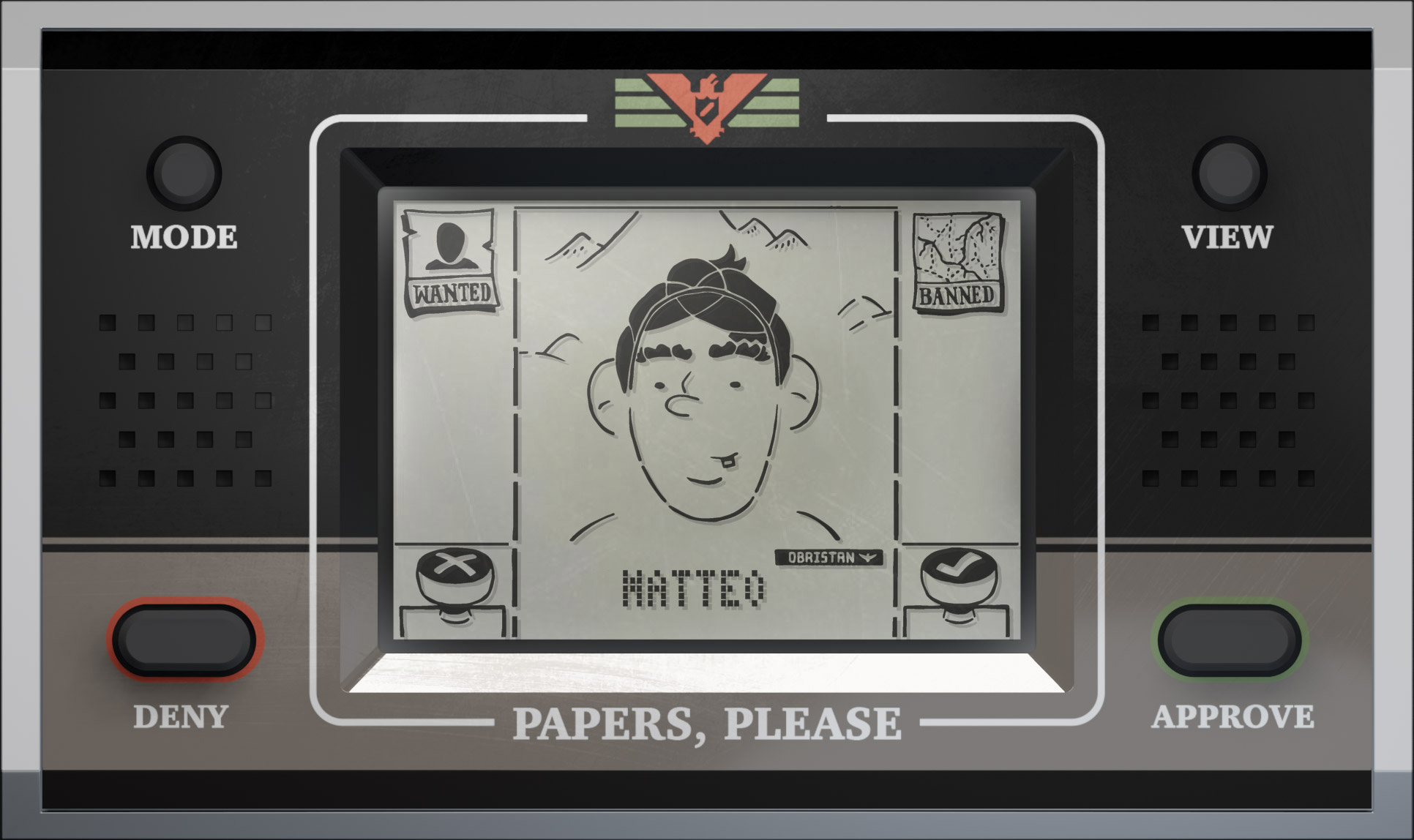
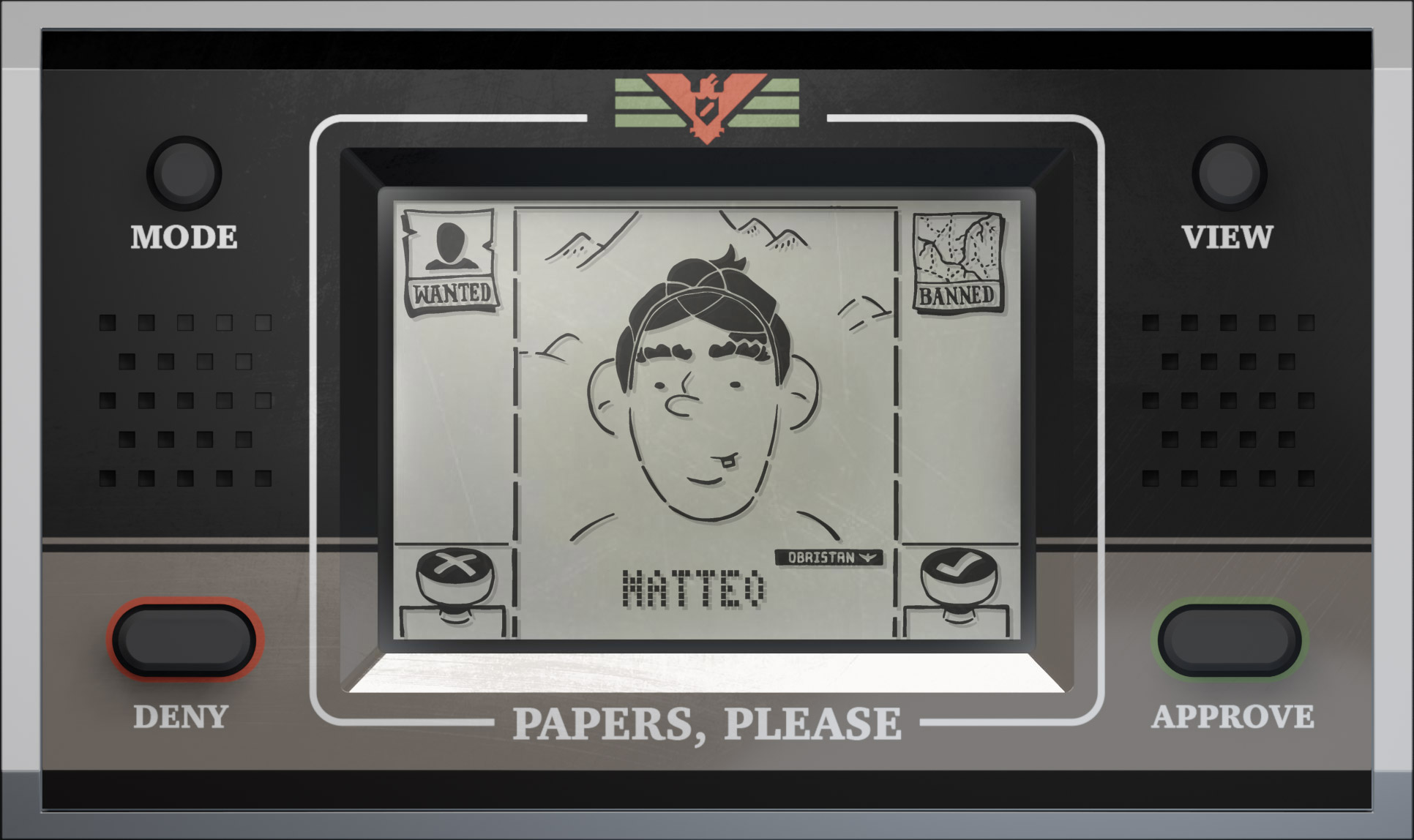
In a move that serves as both a retrospective tribute and a technical challenge, Pope has released LCD, Please. This "demake" strips the original’s complex mechanics down to their foundational essence, reimagining the experience as if it were rendered on a vintage handheld LCD screen.
By limiting the visual fidelity to the stark, segmented black-and-white displays of 1980s portable electronics, the game forces players to engage with the core loop of sorting and verification without the atmospheric weight of the original’s color palette or orchestral score. This transformation highlights a crucial fact of game design: when the core loop is intrinsically engaging, the graphical interface becomes secondary. LCD, Please is not merely a nostalgic gimmick; it is a clinical study of how successfully Pope’s original systems were engineered. For those familiar with the source material, it offers a refreshing, bite-sized challenge, while newcomers are encouraged to seek out the original to fully appreciate the depth of the narrative.
Celestial Fishing and Narrative Depth: ‘The Anglerfish Project’
Bridging Genres
Genre-mashing is a common trope in indie development, but rarely does it yield a result as emotionally resonant as The Anglerfish Project. Developed by Selkie Harbour, this title attempts the unthinkable: marrying the contemplative, patience-based mechanics of fishing simulators with the expansive, often lonely themes of space exploration.
Mechanics and Narrative Pastiche
In The Anglerfish Project, the player does not hunt for aquatic life. Instead, they navigate a cosmic void, utilizing a modified probe to "fish" for messages drifting through the abyss. This mechanical choice serves as a brilliant narrative device. Each "catch" provides the player with fragments of information, slowly assembling a mosaic of the universe’s history and the lives of those who inhabit it.
The game is a masterclass in minimalism. Rather than relying on high-octane action, it prioritizes the "human" element of storytelling. The writing is characterized by a profound sense of empathy, treating the player’s journey as a restorative act. While some critics might point to its brief runtime as a limitation, it is arguably the game’s greatest strength; it provides a complete, polished emotional experience that does not overstay its welcome. It stands as a testament to the idea that games can be, first and foremost, a medium of comfort and reflection.
The Sokpop Phenomenon: ‘Frog’s Adventure’
The "Boy Band" of Indie Development
Sokpop Collective has carved out a unique niche in the gaming industry. Operating on a model of monthly releases, the group—often jokingly referred to as a "gaming boy band"—has maintained an output velocity that would be unsustainable for almost any other studio. However, what makes Sokpop truly remarkable is not just the quantity of their work, but the consistent upward trajectory of their quality.
Aesthetics and Joyful Exploration
Frog’s Adventure, their latest offering, is a triumph of hand-drawn art and whimsical game design. The protagonist is an anthropomorphic frog rendered with such expressive charm that the game succeeds even before the player initiates a single interaction.
At its core, Frog’s Adventure is an homage to classic adventure games. Players guide their amphibian companion through various environments, managing item-based puzzles and engaging with a cast of colorful characters. While the gameplay loop of "fetch-and-carry" is a staple of the genre, Sokpop elevates it through sheer stylistic joy. The vibrant colors, fluid animations, and infectious sense of wonder turn the mundane task of traversing a map into an act of pure entertainment. It proves that in the current market, an uncompromising commitment to artistic vision and "feel" is just as valuable as technical complexity.
Implications for the Indie Ecosystem
The success of these three titles points toward several key trends within the independent gaming sector:
- The Persistence of Nostalgia: Developers are increasingly comfortable "deconstructing" their own work, as seen in LCD, Please. This indicates a maturing market where creators and players alike are interested in the historical and mechanical lineage of games.
- The Rise of "Cozy" Narrative Experiences: Titles like The Anglerfish Project confirm a growing audience for shorter, emotionally driven experiences that prioritize narrative resonance over traditional "game-over" stakes.
- Experimental Production Models: Sokpop’s rapid-fire development cycle continues to challenge traditional notions of "long-form" development. Their success suggests that smaller, more frequent releases can build a more loyal and engaged community than massive, years-long projects.
Supporting Data and Community Engagement
The discourse surrounding these games on platforms like itch.io highlights the importance of the comments section as a space for community interaction. When users share their own gaming plans—such as playing Lancer or engaging with Neurocracy 2.049—it creates a vibrant ecosystem where creators and consumers are on equal footing.

Community Insights
- Engagement: The volume of traffic to these specific titles indicates that the itch.io community prioritizes discoverability. Blogs that categorize games by "vibe" or "mechanical interest" see higher conversion rates.
- Player Retention: Games that offer a "complete" experience (like The Anglerfish Project) tend to see higher levels of community discussion, as players are eager to compare their interpretations of the narrative.
- Technical Accessibility: Both LCD, Please and Frog’s Adventure are highly accessible, requiring little in the way of high-end hardware. This accessibility remains the primary driver for adoption within the indie space.
Conclusion: A Weekend of Discovery
As we look toward the upcoming week, the variety represented by these three titles serves as a reminder of the industry’s breadth. Whether it is the cold, analytical interface of a border-crossing simulator, the lonely, ethereal reaches of a space-fishing expedition, or the bright, hand-drawn warmth of a frog’s journey, there is something here for every type of player.
The beauty of the indie scene lies in its ability to surprise us—to take a known genre and turn it inside out, or to take a simple concept and imbue it with profound meaning. As the community continues to grow, we look forward to seeing how these developers continue to push the boundaries of what a game can be.
What are you playing this week? The conversation is far from over—share your experiences and join the community discussion below.