The Renaissance of Local Audio: An In-Depth Look at Astra, the Open-Source Powerhouse
In an era dominated by the ephemeral nature of streaming—where licensing agreements dictate the longevity of your favorite albums and connectivity is a prerequisite for listening—a quiet rebellion is brewing. Much like the resurgence of vinyl and the nostalgic longing for the dedicated MP3 players of the early 2000s, there is a palpable shift among audiophiles and digital minimalists alike. Users are increasingly seeking to reclaim their music libraries, favoring locally stored, high-fidelity files over the compressed, algorithmically gated streams of modern platforms.
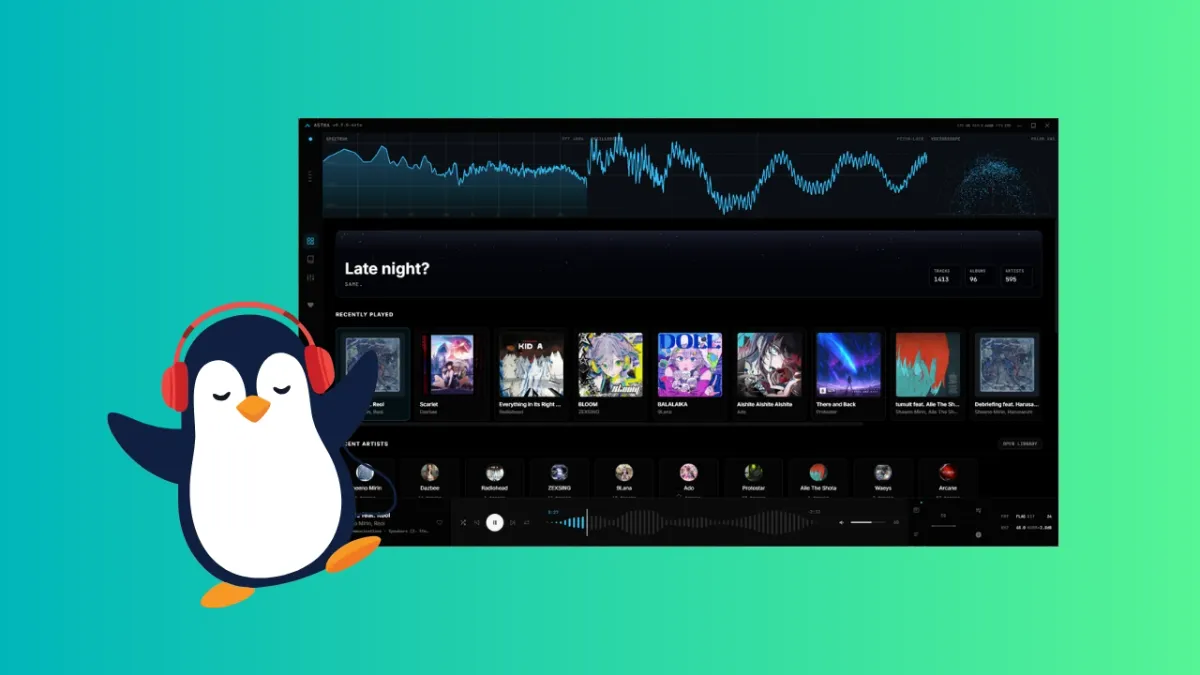
Enter Astra, an open-source music player designed to bridge the gap between vintage ownership and modern technical demands. Astra does not merely play files; it processes them with an analytical precision usually reserved for professional audio engineering environments.
Main Facts: The Astra Philosophy
At its core, Astra is built on the Electron framework, a choice that grants it cross-platform versatility and a modern, responsive UI. However, it distinguishes itself from the bloated media players of the past by prioritizing high-fidelity playback and granular control.
Astra supports an exhaustive list of audio formats natively, including FLAC, MP3, WAV, OGG, AAC, M4A, OPUS, WMA, and AIFF. For those with more obscure or legacy file formats, the application integrates a robust background FFmpeg layer, ensuring that no file is left unplayable. Beyond mere playback, Astra aims to provide a "studio-grade" experience for the average consumer, offering tools that peel back the layers of your audio files to reveal the technical data hidden beneath the surface.

Chronology of Development
The trajectory of Astra has been swift, moving from a niche hobbyist project to a polished beta release that is already garnering attention in the open-source community.
- Early Development Phase: The project began with the goal of creating a "no-compromise" player that could handle high-resolution audio without the common pitfalls of playback latency.
- The Integration of AI: A notable chapter in Astra’s history is its transparent embrace of artificial intelligence. Contributors have utilized AI tools—including Claude—to streamline complex codebases, allowing for a rapid feature rollout that usually takes years for traditional open-source projects to achieve.
- Beta Launch: Currently in its beta phase, the software has stabilized into a functional, reliable release, though the developers continue to iterate based on feedback regarding system resource management and UI accessibility.
Supporting Data: Engineering the Sound
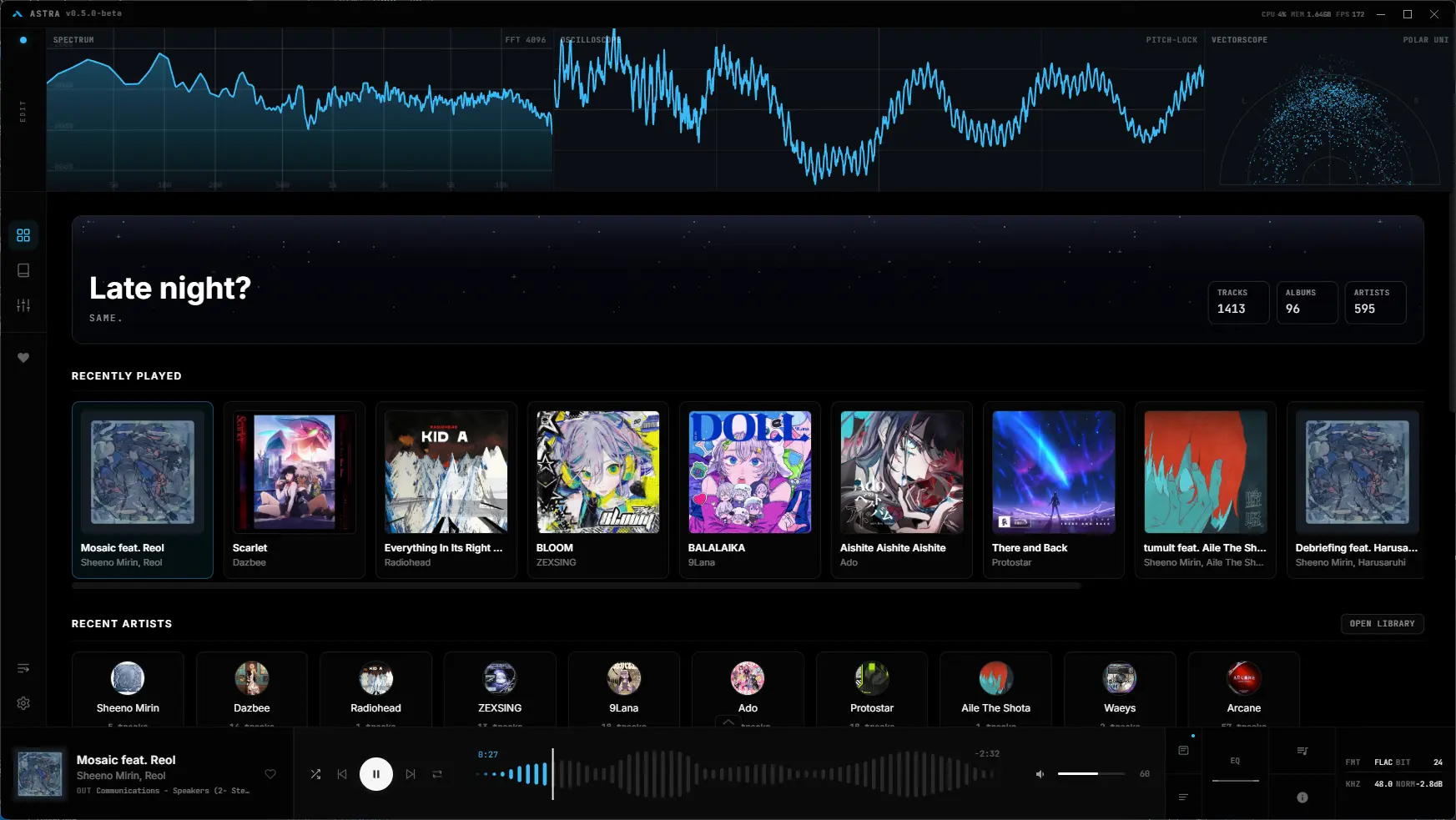
Astra’s feature set is designed for those who want to see their music as much as they hear it. The application’s commitment to technical transparency is evident in its three primary visualizer modules.
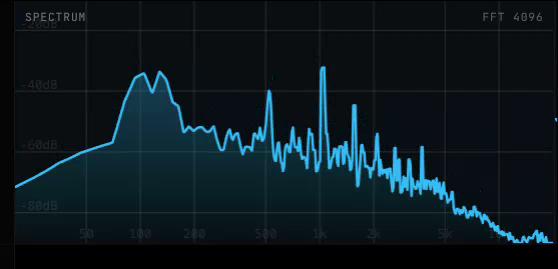
The Spectrum Analyzer
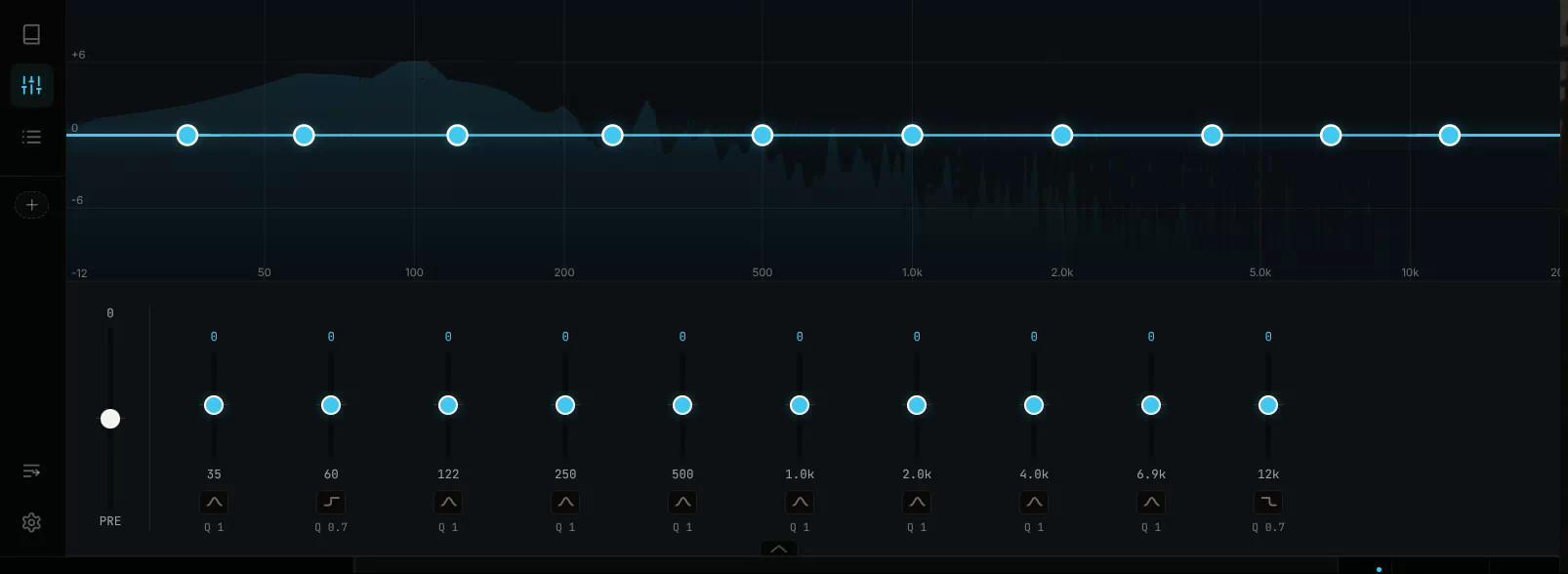
Spanning the standard 20 Hz to 20,000 Hz range, this tool provides a real-time visual representation of frequency intensity. For users looking to fine-tune their audio output, this is an indispensable diagnostic tool, allowing them to spot "muddy" bass or harsh, piercing treble frequencies instantly.
The Oscilloscope and Physics
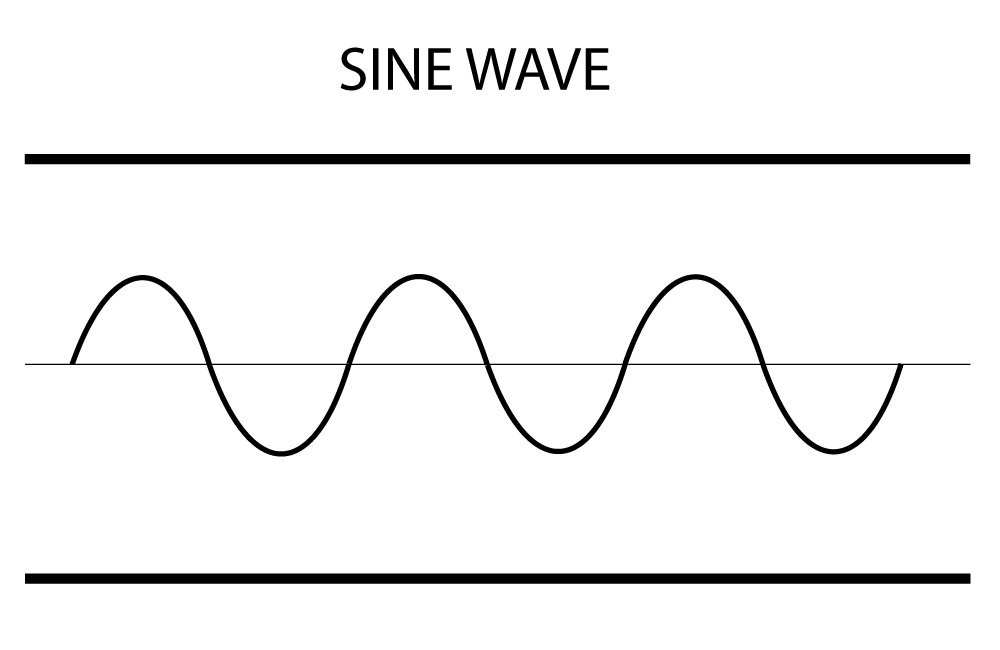
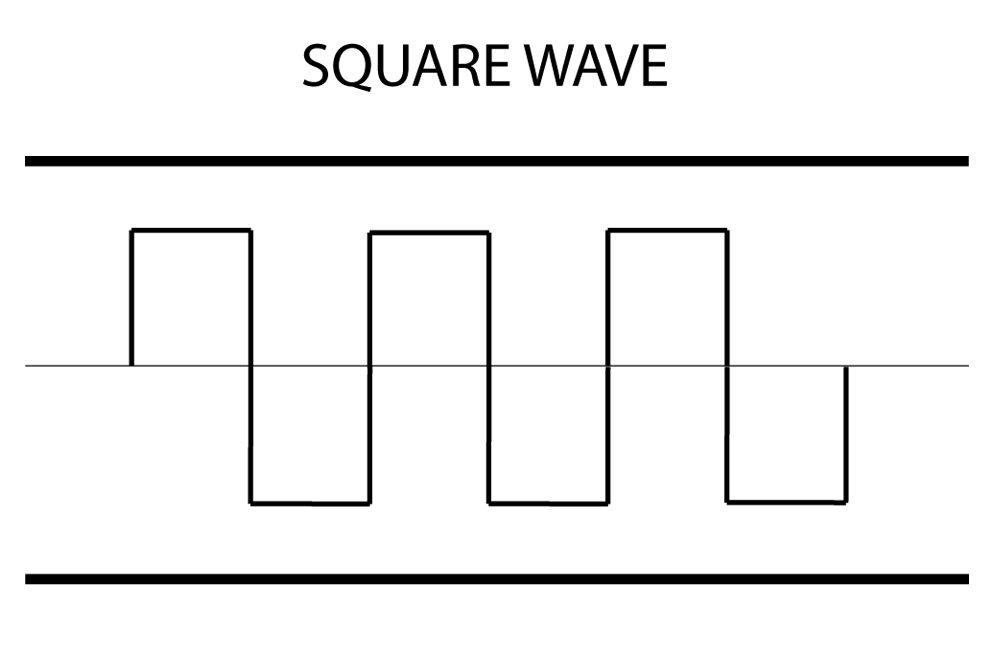
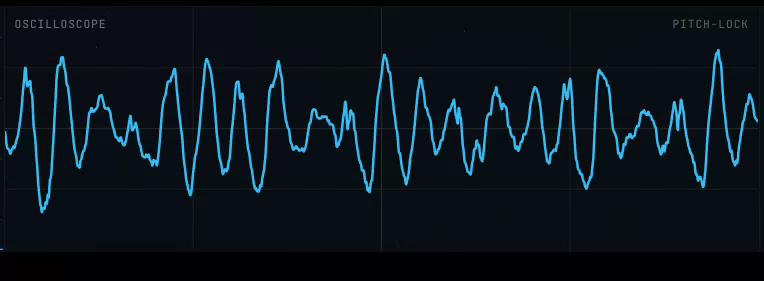
For the technically inclined, the oscilloscope offers a window into the raw waveforms of a track. By displaying the superposition of sine waves, the oscilloscope allows producers and enthusiasts to monitor dynamic range and identify potential clipping or distortion that might otherwise go unnoticed in compressed streaming environments.
The Vectorscope
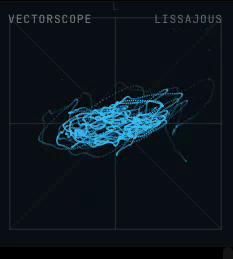
Stereo imaging is often lost in casual listening. The vectorscope in Astra visualizes stereo correlation, helping users understand the spatial depth of a mix. It provides a visual confirmation of mono vs. stereo signals, and can even reveal the presence of phase effects or wide-panning reverb techniques used by audio engineers.
Dolby Atmos and Playback Continuity
Astra’s ability to decode Dolby Atmos content—even on hardware not specifically designed for it—is a technical marvel. By adapting the spatial data to the user’s specific output device, it provides a "surround-feel" that significantly elevates the listening experience. Furthermore, its pre-buffering engine eliminates the "gap" between tracks, creating a seamless, vinyl-like continuity that removes the jarring silence often found in standard digital players.
The Parametric Equalizer: Studio Control in a Desktop App
Perhaps the most impressive feature for power users is the 10-band parametric equalizer. While many music players offer simple "Bass/Treble" sliders, Astra provides a level of control typically restricted to Digital Audio Workstations (DAWs). With presets ranging from "Vocal Focus" to "Flat," users can manually carve out specific frequency ranges. The background visualization of the EQ panel, which tracks frequency volume in real-time, ensures that users are never "flying blind" when adjusting their sound profiles.
Official Responses and Developer Transparency
The development team behind Astra has been refreshingly open regarding the software’s current state. By acknowledging the inclusion of AI in their development process, they have invited a broader conversation about the future of software engineering. While some users may be concerned about the resource footprint of an Electron-based app, the developers have stated that optimization remains a top priority for the post-beta roadmap.
The software’s GitHub repository serves as a testament to this collaborative spirit, where issues are tracked in real-time and user feedback is integrated into the next build cycle.
Implications: The Shift Toward Local Ownership
The release of Astra carries significant implications for the future of digital media consumption.
1. Reclaiming Autonomy
Astra empowers users to move away from the "rental model" of music. By providing an interface that is as attractive as it is functional, it removes the primary friction point that has kept users tethered to Spotify or Apple Music: convenience.
2. The Rise of "Prosumer" Tools
Astra signals a trend where software is no longer dumbed down for the masses. By offering tools like vectorscopes and parametric EQs, Astra assumes its users are intelligent, curious, and invested in the quality of their media. It treats the listener as a participant rather than a passive consumer.
3. Challenges and Future Hurdles
Despite its strengths, Astra faces challenges. The current UI, while sleek and reminiscent of early 2000s "futuristic" aesthetics, has been criticized for low-contrast issues in dark mode, particularly for users with visual impairments. Additionally, as a beta project, it remains resource-intensive. For users on older hardware, the "heavy" nature of the application may prove to be a barrier to entry.
Conclusion: A New Standard for Audiophiles
Astra is more than just a media player; it is a declaration of intent. It asserts that local files are not a relic of the past, but the future of high-fidelity, independent listening. Through its sophisticated visualizers, seamless playback, and integration with services like Last.fm, Discord, and media servers like Jellyfin, it provides a holistic ecosystem for the modern music lover.
While it is still in its beta infancy, Astra’s trajectory is clear. If the developers can successfully balance the resource consumption of the Electron framework with further UI refinements—specifically regarding accessibility and contrast—it has the potential to become the gold standard for Linux-based audio playback.
For now, the invitation is open: organize your local files, fire up the parametric EQ, and experience your library with the level of detail it was always meant to have. In the world of Astra, the music never stops, and for the first time in a long time, you are the one in complete control of the sound.