Indie Game Spotlight: Sludge, Stickers, and Seals – This Week’s Must-Play Titles
As the summer heat reaches its peak, the digital landscape offers a perfect sanctuary for gamers looking to retreat into curated, immersive experiences. This week, we dive into three standout titles currently making waves on itch.io. From the surreal, graffiti-laden streets of a sludge-punk dystopia to the cozy, entrepreneurial embrace of a sticker shop, and finally, the rhythmic absurdity of a seal-led circus, there is something for every type of player.
Sludge Life 2: Expanding the Surreal
The Evolution of a Cult Classic
Terri Vellman’s Sludge Life was a revelation in the indie space, introducing players to an open-world sandbox defined by its "sludge-punk" aesthetic. It was a game about movement, exploration, and the quiet joy of tagging a bizarre, industrial landscape with graffiti. With the release of Sludge Life 2, developers have taken those foundational elements and magnified them.
The sequel does not merely iterate; it elevates. The cast of "weirdo" characters has grown, providing more opportunities for strange, cryptic dialogue and memorable encounters. The art style, while maintaining the gritty, low-poly charm of its predecessor, has been refined to offer more visual depth, while the soundtrack continues to provide that signature atmosphere that feels both nostalgic and alien.
Core Mechanics and Exploration
At its heart, Sludge Life 2 remains a game about verticality and discovery. Players control a "wiggly weirdo"—an avatar that feels less like a traditional protagonist and more like a tourist in a hostile, fascinating world. The gameplay loop centers on navigating complex, multi-layered environments that prioritize environmental storytelling over linear progression.
The world design is intentional; every climbable surface and hidden alcove serves a purpose. As players traverse these wide, industrial zones, they are encouraged to seek out new tagging spots, a process that feels akin to playground exploration. By layering in a robust collection of sidequests and hidden collectibles, the game subtly encourages players to engage with its "vibes-based" universe, turning the simple act of exploration into a rewarding, challenge-driven experience.
Sticky Business: A Cozy Take on Modern Entrepreneurship
The Simulation of the Side-Hustle
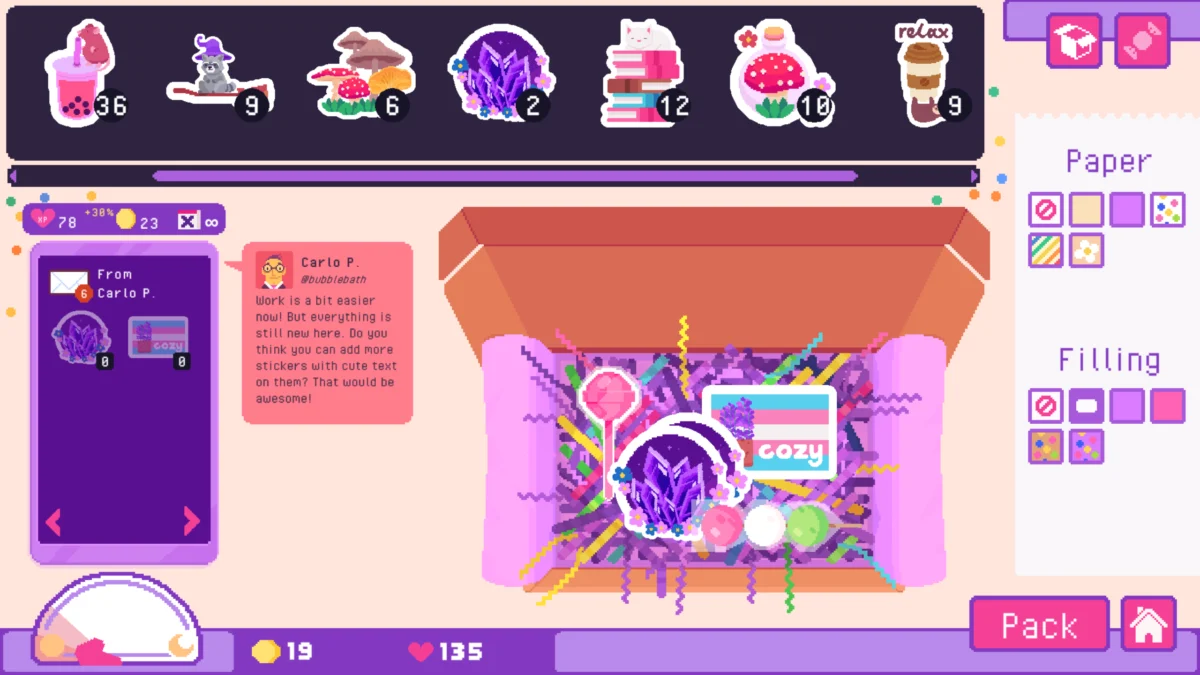
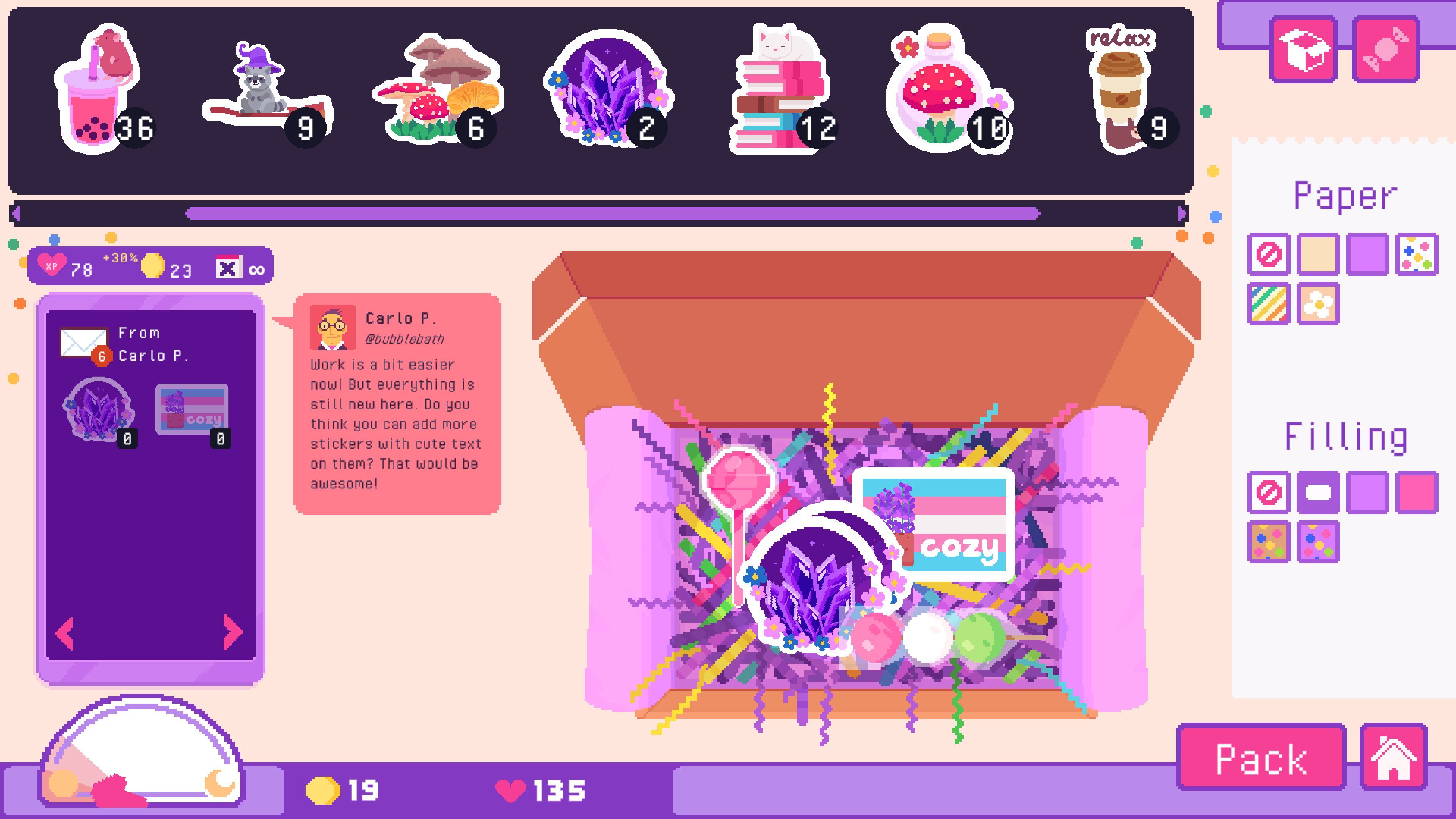
In an era where the concept of the "side hustle" has become ubiquitous, Sticky Business offers a refreshingly cozy take on the realities of modern commerce. Developed as a business simulator, the game tasks players with managing a sticker shop, from the initial design process to the final shipment.
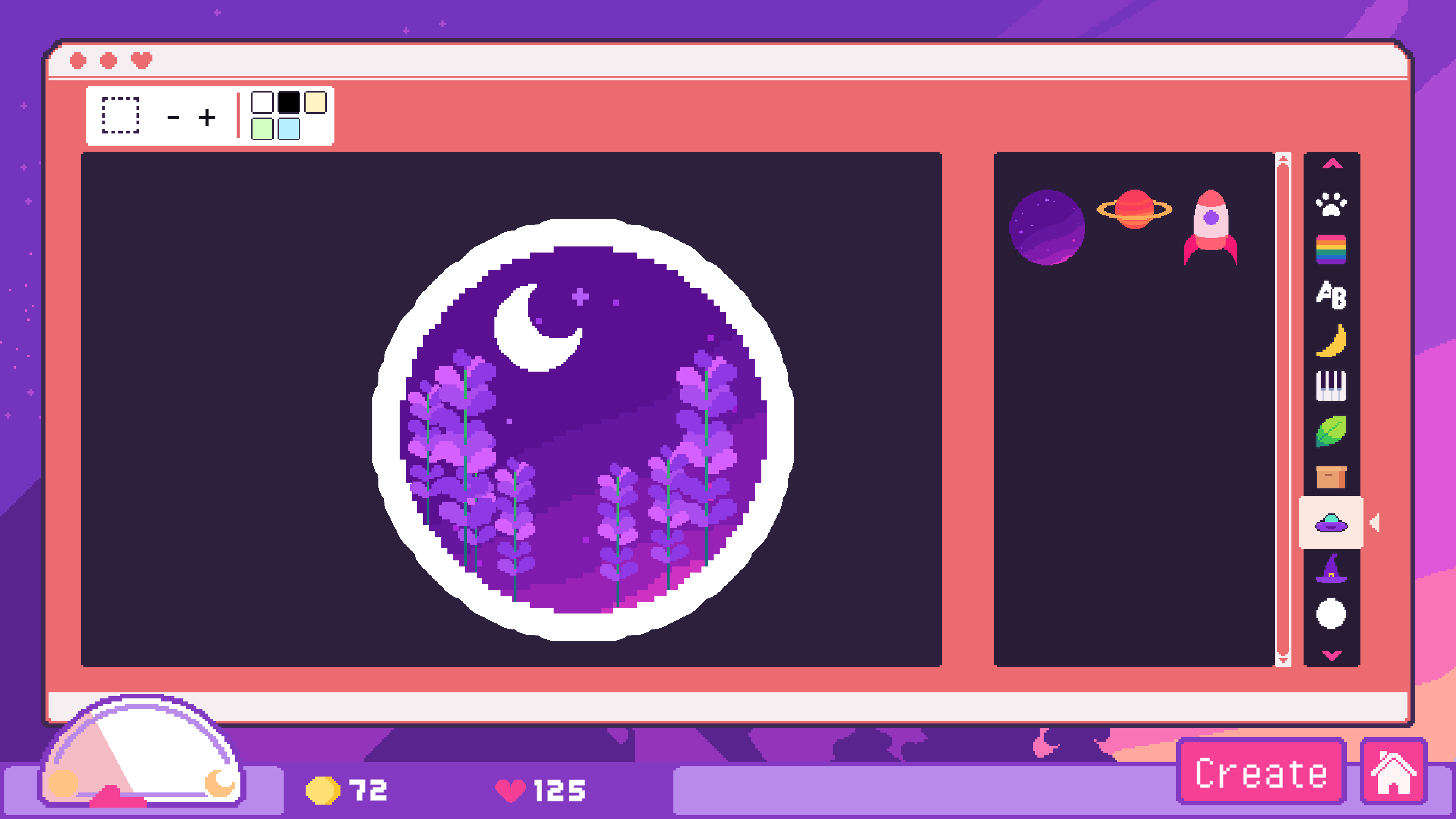
The game’s appeal lies in its low-stakes, high-reward environment. While it simulates the logistics of running an online storefront, it strips away the corporate anxiety, replacing it with creative freedom. Players have access to an in-depth sticker maker that allows for significant customization, ensuring that every shop feels unique to the person running it.
Emotional Resonance and Design
Beyond the mechanics of inventory and shipping, Sticky Business excels in its narrative approach to customer interaction. As players fulfill larger and more complex orders, they begin to piece together the lives of their patrons. These small, unfolding stories provide a sense of connection that elevates the game from a simple simulator to a narrative experience.
The game’s aesthetic is meticulously crafted to function as a "warm hug." From its soothing color palette to a soundtrack designed to lower the player’s heart rate, every design choice serves the goal of comfort. In a gaming market often saturated with high-intensity experiences, Sticky Business serves as a necessary respite, proving that productivity, even in a virtual sense, can be a form of self-care.
Rhythm Hell: The Art of the Polyrhythmic Seal
Minimalist Design, Maximum Stress
In contrast to the expansive worlds of Sludge Life 2 or the management depth of Sticky Business, Rhythm Hell takes a minimalist approach to gameplay. Developed as an homage to the musical stylings and whimsical animal illustrations of artist Louie Zong, Rhythm Hell is a masterclass in how a single mechanic can be leveraged to create a high-stakes experience.

The premise is straightforward: you are a small seal. Next to you sits a larger, noticeably more judgmental seal. Your only input is a "clap" button. When the larger seal claps, you must follow suit. However, the simplicity of the control scheme masks the increasing difficulty of the polyrhythms presented to the player.
The Psychology of Failure
What makes Rhythm Hell particularly compelling—and at times, hilariously stressful—is the feedback loop. When the player misses a beat, the larger seal offers a look of profound disappointment. This anthropomorphic sass provides a narrative layer to what would otherwise be a standard rhythm game.
As the game progresses, the polyrhythms become increasingly complex, forcing players to clap along to patterns that defy standard musical expectations. The result is a chaotic, laugh-out-loud experience that keeps players on the edge of their seats. The fact that Rhythm Hell is available for free further enhances its accessibility, inviting anyone to join the "polyrhythmic circus."
Official Responses and Community Impact
The reception of these titles has been overwhelmingly positive, with the itch.io community acting as a primary driver for their popularity. Discussions on the platform’s blog and community forums highlight a shared appreciation for the diversity of experiences currently available.
Notably, the discourse surrounding these games has been characterized by active developer-player engagement. For instance, following the publication of the original spotlight, community members were quick to point out minor errors in artist attribution, such as the spelling of Louie Zong’s name. The developers responded promptly, acknowledging the correction and fostering a transparent environment that encourages user participation.
Implications for the Indie Market
The success of these three games underscores a significant trend in the independent gaming sector: the move toward "vibe-centric" design. Whether it is the industrial grit of Sludge Life 2, the comforting atmosphere of Sticky Business, or the comedic timing of Rhythm Hell, players are increasingly drawn to titles that prioritize a specific, cohesive experience over traditional AAA metrics like graphical fidelity or play-time length.
Data Points and Trends
- Accessibility: All three titles occupy distinct niches that require minimal hardware, ensuring that they remain accessible to a wide audience.
- Community Engagement: The integration of comment sections and direct feedback loops on platforms like itch.io has become a vital component of the indie ecosystem, allowing for rapid iteration and community-led polish.
- Narrative Complexity: Modern indie games are proving that meaningful storytelling does not require massive budgets; rather, it requires thoughtful integration into the game’s core mechanics.
Conclusion: The Future of Curated Play
As we look toward the remainder of the year, the titles featured here represent a broader shift in how we consume and appreciate digital entertainment. By focusing on niche interests and specific emotional outcomes, indie developers are creating a more vibrant, inclusive, and experimental gaming landscape.
Whether you are looking to climb the industrial scaffolding of a surreal cityscape, design stickers for a digital customer base, or test your rhythm against a sass-filled seal, these games provide the perfect opportunity to engage with the best of what independent developers have to offer. As always, the community is encouraged to share their own experiences and recommendations, as the dialogue between players and creators remains the lifeblood of the indie gaming movement.