The Connected Feed: How the Internet of Things is Redefining the Social Landscape
The evolution of social media has been marked by a transition from static bulletin boards to algorithmic powerhouses. In the early days, the social experience was deliberate and manual: users captured a moment, crafted a caption, and published it to a digital gallery, waiting for the dopamine hit of engagement. Today, that paradigm has shifted toward predictive, AI-driven feeds that know our preferences better than our closest friends.
However, we are currently standing on the precipice of a much larger transformation. As the Internet of Things (IoT) matures and integrates into the bedrock of our daily lives, the boundary between our physical environment and our digital social presence is dissolving. With the number of connected devices projected to exceed 50 billion by 2035, we are entering an era where our homes, vehicles, and even our clothing act as autonomous content creators.
The Convergence of IoT and Social Media: Main Facts
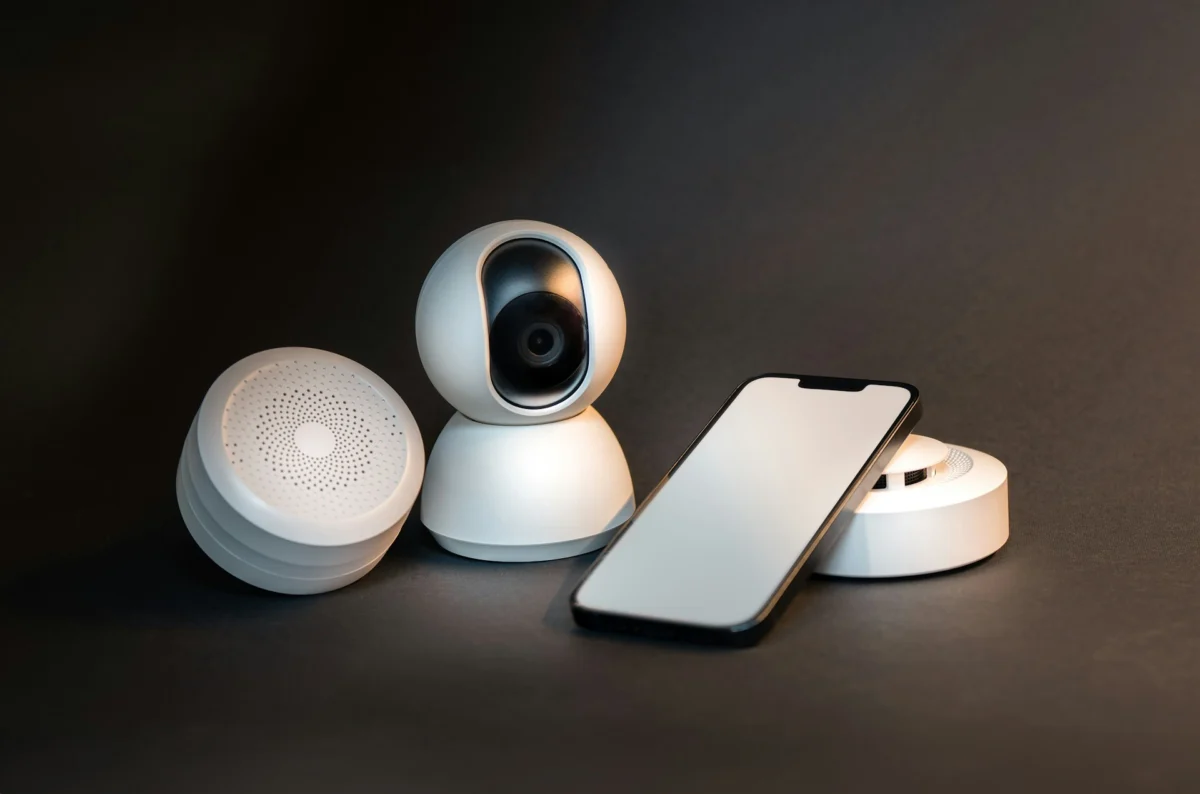
At its core, the Internet of Things refers to the vast, interconnected network of "smart" hardware—ranging from household appliances and thermostats to wearable health trackers and autonomous vehicle sensors. These devices are designed to collect, process, and transmit data without human intervention.
When these devices interface with social media platforms, the nature of "sharing" changes from a conscious action to an automated byproduct of existence. The implications are profound: social media will no longer be a separate application we open; it will become a living, ambient layer of our reality. The data collected by these devices—ranging from kitchen inventory levels to physiological responses during a workout—will serve as the new raw material for social content, enabling a level of connectivity that was previously the domain of science fiction.
A Chronological Evolution: From Manual to Ambient
To understand the trajectory of this shift, one must look at the timeline of digital integration:
- 2005–2012 (The Manual Era): Social media was characterized by user-generated content (UGC). The focus was on logging in, typing, and uploading. Interaction was strictly between users.
- 2013–2020 (The Algorithmic Era): The rise of machine learning transformed feeds. Platforms began prioritizing content based on engagement metrics, effectively "curating" reality for the user.
- 2021–2024 (The Smart Integration Era): The early adoption of IoT-social bridges began. Platforms integrated with fitness apps (like Strava or Apple Health) and smart home ecosystems (such as Samsung SmartThings), allowing users to push "achievements" automatically to their social feeds.
- 2025–2035 (The Ambient Era): We are moving toward a period where the "Internet of Things" acts as a persistent, background social contributor. Devices will have the agency to initiate social interactions, curate digital footprints, and facilitate hyper-localized discovery.
Supporting Data and Market Trajectory
The scale of this shift is supported by staggering hardware adoption rates. According to IDC, the market saw over 156 million smartwatches sold in 2024 alone. These devices are not merely timepieces; they are biological data engines. When this hardware volume is combined with the growth of smart home adoption, the sheer density of data points is unprecedented.
IoT Analytics forecasts suggest that by 2035, the world will have more than 50 billion connected devices. This represents a massive increase in the velocity of data generation. As platforms compete for user attention, the integration of this data becomes a competitive necessity. For example, Samsung’s SmartThings ecosystem already serves over 400 million users. If even 1% of these users authorize their appliances to "socialize" their data, we are looking at billions of new, automated content pieces appearing on social feeds globally.
The Four Pillars of the IoT-Social Revolution
The merger of these technologies will fundamentally reshape the social experience in four critical ways:
1. Real-Time, Auto-Generated Content
The friction of content creation—taking the photo, editing, and posting—is a barrier to entry. IoT removes this friction. A marathon runner’s watch could live-stream biometric data and GPS progress to a dedicated fan page; a vehicle could post updates about road conditions and scenic landmarks to a travel group. Content becomes a stream of "life-logs" rather than curated highlights.
2. Hyper-Personalization and Predictive Feeds
Current feeds are personalized based on clicks and dwell time. Future feeds will be personalized based on physical reality. If your IoT-connected fridge knows you are low on specific nutrients and your health tracker notes a lack of protein, a social platform could surface targeted content—or even sponsored posts—about meal-prep kits that solve both problems.
3. Social SEO and the Decision Engine
The traditional search engine is being sidelined. Approximately 46% of Gen Z users already utilize social platforms as their primary search engine. With IoT, the "search" happens before you even ask. If your smart speaker or car dashboard knows you are in a specific area and uses social sentiment data (derived from real-time posts) to recommend a restaurant, social media becomes the primary decision-making engine for the physical world.
4. Seamless Augmented Reality (AR) Experiences
As smart glasses (like the Meta-Ray-Ban partnership) become more prevalent, the data from IoT devices will be projected directly onto our vision. Walking down a street could display floating "social tags" on buildings or items, showing you what your peers have said about a business or product. This transforms social media from a digital activity into a persistent visual overlay of the real world.
Official Perspectives and Regulatory Implications
The industry response to this shift has been mixed. While technology companies view this as the next frontier of user experience, privacy advocates and legal experts are raising red flags.
The core concern involves the "Data Privacy Paradox." While 51% of consumers, according to PWC, express a preference for personalized experiences, the infrastructure required to deliver this is inherently invasive. Legal proceedings, such as the ongoing litigation against Meta regarding the impact of social media on mental health, highlight the risks of platform design that favors engagement over well-being.
Privacy experts argue that if IoT devices—which monitor our most private habits, from sleep patterns to emotional states—are linked to social profiles, the risk of data breaches becomes existential. If a malicious actor gains access to an IoT-social ecosystem, they possess a granular map of the victim’s daily life, not just their digital credentials.
Implications for the Future: A Human-Centric Perspective
Despite the technological advancements, the fundamental desire for human connection remains unchanged. The IoT-social revolution is ultimately a set of tools, not a replacement for human interaction.
The Regulatory Hurdle
For this transition to be sustainable, it must be accompanied by robust data protection laws. Users require "granular consent"—the ability to decide exactly which devices share which data, and for how long. The future of this technology will likely be decided in legislative halls as much as it is in Silicon Valley engineering labs.
The Human Element
We must ask ourselves: as our devices become more vocal on our behalf, do we risk losing our authentic voice? The "curated" life is already a subject of intense psychological scrutiny. An "automated" life, where our appliances post on our behalf, could further distance individuals from the genuine, messy, and unscripted nature of human relationships.
Conclusion
The integration of the Internet of Things into the social media landscape is not merely an upgrade; it is a fundamental shift in how we interact with our environment and each other. As we move toward a future where 50 billion devices act as potential conduits for social content, we must tread carefully.
The potential for convenience, hyper-personalization, and immersive discovery is immense. Yet, the responsibility lies with developers to prioritize privacy, and with users to remain the masters of their own digital shadows. While our devices may soon be able to speak for us, the value of social media will continue to be measured by the depth and quality of the human connections we cultivate—not the volume of data we broadcast.