Indie Gaming Weekly: Steam Summer Sale, New Releases, and the Future of the Steam Deck
The independent gaming landscape is currently experiencing a period of intense activity, marked by the arrival of the highly anticipated Steam Summer Sale and a diverse array of fresh titles hitting the market. As players scour the storefront for discounted gems, the hardware ecosystem—specifically the Steam Deck—is seeing a surge in experimental titles designed to push the boundaries of handheld play. However, the industry is not without its challenges, as recent studio closures and project delays serve as a reminder of the volatility inherent in the indie development sector.
The Steam Summer Sale: A Catalyst for Ecosystem Growth
The Steam Summer Sale, a cornerstone event in the PC gaming calendar, is currently underway and will run through July 9. This year’s event carries significant weight, as it coincides with the rollout of the latest iteration of Valve’s Steam Machine.
While the new hardware—a low-spec Linux system—has faced scrutiny regarding its price point, the current sale offers a compelling value proposition. By leveraging the deep discounts inherent to the Steam storefront, players can rapidly build an extensive library of games for a fraction of what they would pay for equivalent console titles.
Beyond the economics of the sale, the hardware conversation has shifted toward the viability of the Steam Deck and SteamOS as a primary gaming platform. Valve has successfully incentivized a shift away from traditional console subscriptions by maintaining a free-to-play model for online multiplayer. Furthermore, the modular nature of the ecosystem is gaining traction; while official support for certain high-end hardware like NVIDIA GPUs remains slated for 2027, the community is already experimenting with custom-built iterations of SteamOS, proving that the platform is as much about user agency as it is about convenience.
Chronology of Industry Shifts
The past week has provided a snapshot of the industry’s ongoing evolution.
- Early July: The Steam Summer Sale officially kicks off, prompting a wave of hardware interest.
- Mid-Week: Reports confirmed that Douze Dixièmes, the developer behind the acclaimed Metroidvania MIO: Memories in Orbit, has ceased operations. Despite positive critical reception, the studio struggled to gain traction in an increasingly saturated market.
- Late Week: Ratatan, the spiritual successor to the beloved Patapon series, announced a delay. Originally scheduled for July 16, the game is now set for an October 15 release across all platforms, as developers seek additional time for final polish.
- July 6: The demo for Tears of Metal will be removed from Steam, marking a shift toward the game’s early access launch on July 22.
Spotlight: New Indie Releases
This week’s arrivals showcase a range of creative ambition, from retro-styled platformers to experimental hardware-specific titles.
Dark Scrolls
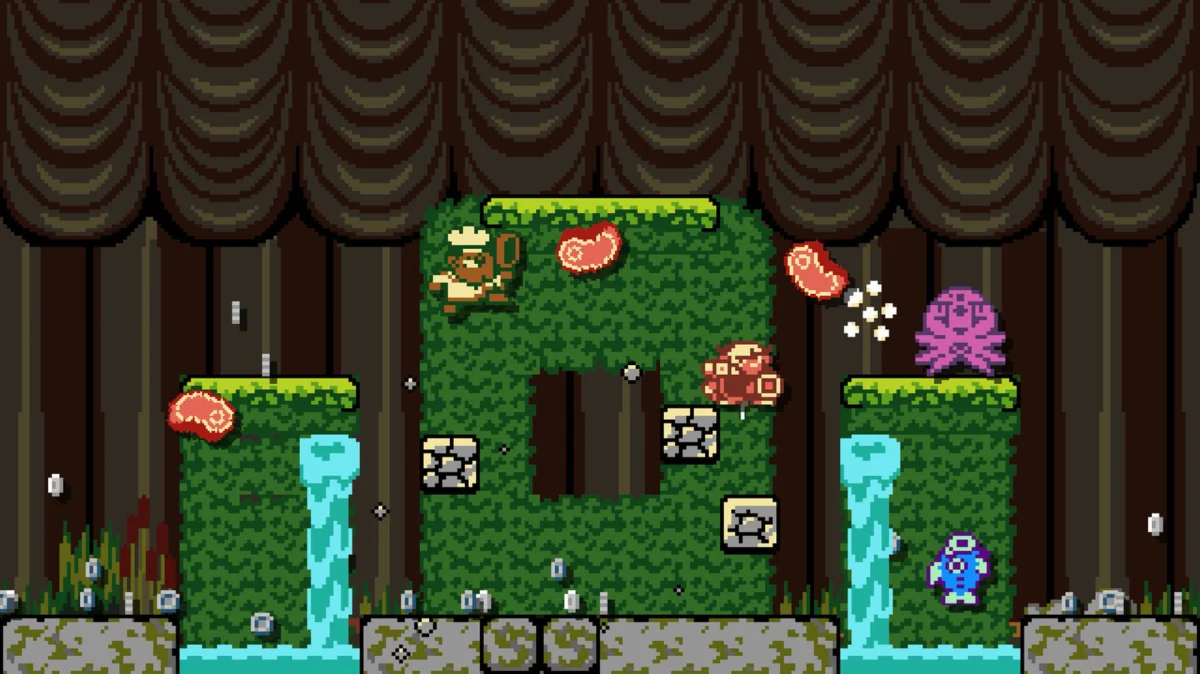
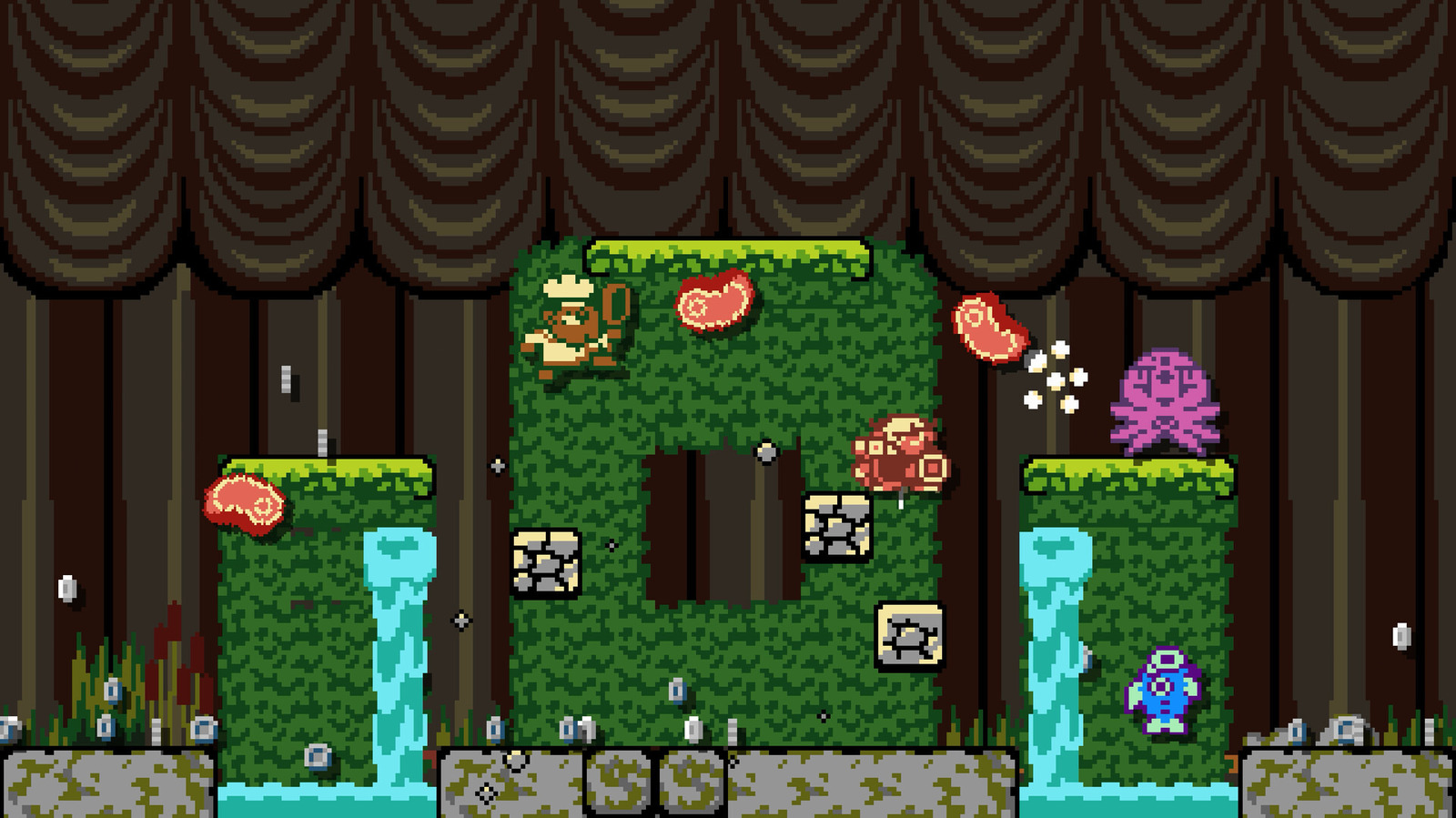
Developed by Doinksoft and published by Devolver Digital, Dark Scrolls is a side-scrolling platformer heavily influenced by the high-difficulty, exploration-heavy design of FromSoftware titles. Its Master System-inspired visuals provide a nostalgic aesthetic, while its robust co-op support offers a modern social experience. Notably, the game eschews modern hand-holding, opting instead for a manual-heavy, "old-school" approach to instruction that includes an actual in-game hotline for player support—a nod to the golden age of gaming helplines.
Mini AirHockey
Designed specifically for the Steam Deck by Geert Verhoeff, Mini AirHockey is a testament to the handheld’s unique form factor. By utilizing the device’s dual touchpads, the game allows two players to face off across a single handheld. While the title is admittedly "janky," it serves as an intriguing proof-of-concept for how portable hardware can facilitate local, shared-screen multiplayer in ways traditional controllers cannot.
Dart Racer
For those awaiting the full release of Star Wars Galactic Racer, Dart Racer provides an immediate, arcade-style alternative. This podracing simulator features N64-era graphics and a deep customization suite for the player’s ship. With a roadmap that includes a future campaign mode and an intriguing—if motion-sickness-inducing—VR cockpit mode, this early access title is one to watch.
Deer & Boy
Lifeline Games’ Deer & Boy stands out for its narrative-driven, wordless approach. As a family-friendly platformer, the game relies on an emotional bond between a boy and a fawn, using soundscapes and visual storytelling to guide the player through a hostile wilderness. It draws clear inspiration from the "calm-yet-tense" genre popularized by Inside.
Upcoming Titles and Strategic Implications
The pipeline for indie games remains robust, with several titles aiming to bridge the gap between niche appeal and mass-market success.
Tears of Metal
Paper Cult, known for the high-octane Bloodroots, is set to release Tears of Metal on July 22. This hack-and-slash title focuses on large-scale combat and, crucially, a persistent settlement-building meta-game. By allowing players to unlock permanent upgrades and new hero classes, the studio is aiming for high replayability. The decision to remove the current demo on July 6 suggests that the team is prioritizing a focused, high-quality early access launch over keeping an outdated vertical slice available.
Erosion and the Evolution of Roguelikes
Erosion represents a fascinating intersection of mechanics and storytelling. The game’s central hook—a Western-themed roguelike where death causes the passage of time—forces players to witness the aging of their characters and the shifting of the world around them. With a playtest currently live until June 30, developers are leaning into early player feedback to refine the game’s core loop ahead of its 2027 release window.
Dinoblade
Perhaps the most "indie" concept in the current queue is Dinoblade, an action RPG featuring a sword-wielding Spinosaurus. While the premise is intentionally absurd, the underlying mechanics—parrying, combo-building, and skill-based combat—point to a serious effort to deliver a polished experience. The release date of July 23 is highly anticipated, as it promises to satisfy a very specific demand for prehistoric, weaponized action.
Supporting Data and Industry Trends
The current climate highlights a divergence in indie success stories. The closure of Douze Dixièmes serves as a cautionary tale: in a market where thousands of games are released annually, even "gorgeous" and "well-reviewed" titles can fail to secure the necessary visibility. Conversely, the success of titles like Dark Scrolls and the anticipation surrounding Tears of Metal demonstrate that developers who lean into distinct, "bonkers," or highly specific mechanical niches (like the Steam Deck-specific controls of Mini AirHockey) are better positioned to carve out a loyal player base.
Conclusion: The Path Forward
The indie sector is currently in a state of high-velocity development. The Steam Summer Sale is more than just a consumer event; it is a vital mechanism for sustaining the ecosystem that supports these diverse titles. As we move into the second half of the year, the industry’s focus will likely remain on balancing the need for polish and stability (as seen in the Ratatan delay) with the experimental, often chaotic, creativity that defines the indie spirit. Whether through sword-wielding dinosaurs or innovative uses of handheld touchpads, the indie scene continues to prove that, despite the risks, it remains the primary driver of innovation in the modern gaming world.