Miniature Marvels: A Deep Dive into the Ludum Dare 56 Game Jam Showcase
The world of game development is often associated with massive, multi-year projects led by hundreds of developers. However, the true heartbeat of the industry often pulses brightest during high-intensity game jams. On October 7th, 2024, the curtains closed on Ludum Dare 56, one of the most prestigious and long-running game development competitions in the world. With a strict time constraint of 48 or 72 hours, developers were challenged to bring the theme "Tiny Creatures" to life. The result was a staggering influx of over 800 unique, experimental, and creative titles submitted to itch.io.
This report serves as an expanded look at the second wave of our curated recommendations, highlighting the ingenuity required to build compelling mechanics under extreme time pressure.
The Chronology of the Jam: From Concept to Completion
Ludum Dare 56 was not merely a contest; it was a global synchronization of creative effort. The process began with the theme announcement, a moment that always sparks a flurry of brainstorming across Discord, Twitter, and the official forums. For the participants, the clock starts the moment the theme is dropped.
- Phase 1: Ideation: Developers spent the first few hours dissecting the "Tiny Creatures" prompt. How does one define "tiny"? Does it imply scale, fragility, or a specific aesthetic?
- Phase 2: The Crunch: Throughout the 48-hour (Compo) or 72-hour (Jam) window, teams and solo developers balanced code, art assets, and sound design. The intensity of this period often leads to "happy accidents"—glitches or limitations that turn into core gameplay loops.
- Phase 3: The Submission: As the deadline approached, the itch.io platform saw a massive surge in traffic, with hundreds of projects being polished and uploaded in the final moments of the event.
- Phase 4: Evaluation: Following the submission window, the community-led voting process began, allowing developers to play one another’s work and provide feedback, fostering a unique culture of peer-to-peer mentorship.
Supporting Data: The Scale of Innovation
The breadth of entries for Ludum Dare 56 demonstrates the versatility of the "Tiny Creatures" theme. Data from the itch.io community reveals that while the constraints were tight, the variety of genres represented was immense.

| Genre | Percentage of Entries (Approx.) |
|---|---|
| Puzzle / Strategy | 35% |
| Simulation / Incremental | 25% |
| Exploration / Adventure | 20% |
| Action / Platformer | 20% |
The high volume of puzzle and simulation games suggests that the "Tiny Creatures" theme naturally lends itself to management-style gameplay, where the player acts as a caretaker or overseer of small, vulnerable entities.
Curated Highlights: A Closer Look at the Standouts
1. Creature Packets: A PS1 Nostalgia Trip
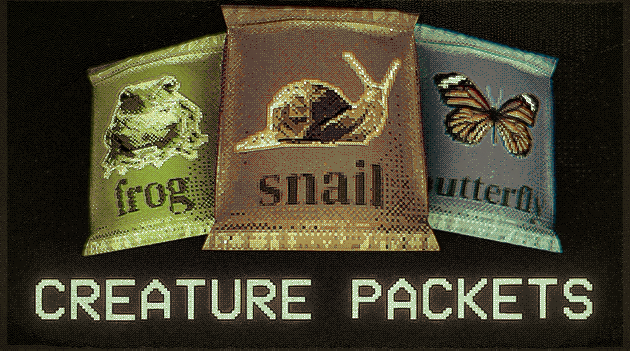
Creature Packets stands out for its commitment to aesthetic cohesion. By utilizing a PlayStation 1-inspired visual style, the developers evoke a sense of uncanny, low-poly wonder. The gameplay loop—cooking tiny creatures retrieved from packets via a microwave—is a darkly humorous take on the theme. It forces the player to consider the "tiny" as a consumable resource, blending simulation with a surreal, nostalgic art style.

2. Build The Sun: Celestial Evolution
In the god-game genre, scale is everything. Build The Sun flips this on its head by asking players to nurture a tiny spark until it becomes a celestial body. The use of pixel art here is particularly effective; it emphasizes the "tiny" beginnings of the player’s world, creating a satisfying sense of progression as the fire expands into a massive, life-giving sun.
3. Maginot: The Incremental Colony Builder
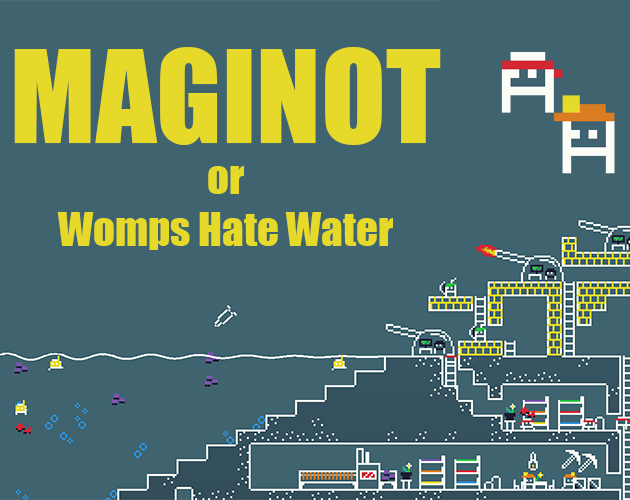
Maginot captures the essence of the "incremental" genre perfectly. By forcing players to manage "Womps"—tiny creatures digging for minerals to fight off the sea—the game creates a compelling loop of expansion and defense. Its browser-based accessibility ensures that the addictive nature of colony building is available to a wide audience without the barrier of downloads.
4. Head’quarters: Linguistic Mystery
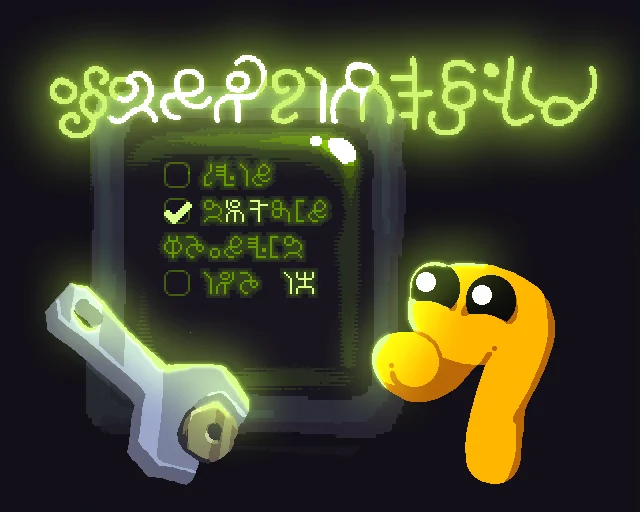
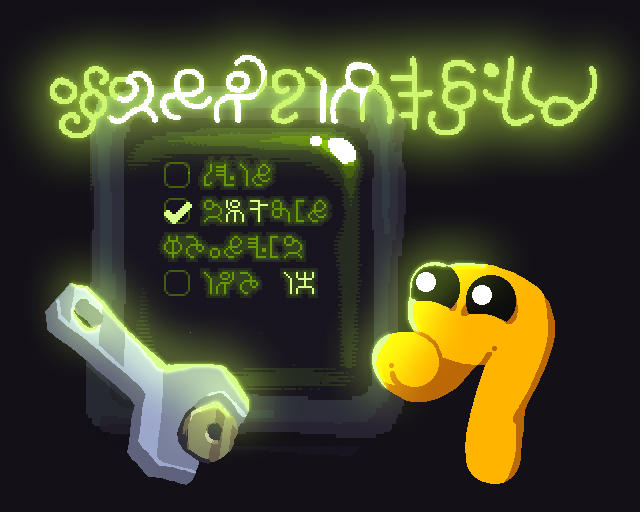
A refreshing departure from traditional mechanics, Head’quarters serves as a point-and-click mystery. By tasking the player with deciphering an unknown alphabet, the game treats language itself as a "tiny creature" to be discovered and understood. It is a brilliant example of how a jam game can prioritize atmosphere and narrative mystery over high-octane action.
5. Tiny Colony: Slingshot Physics
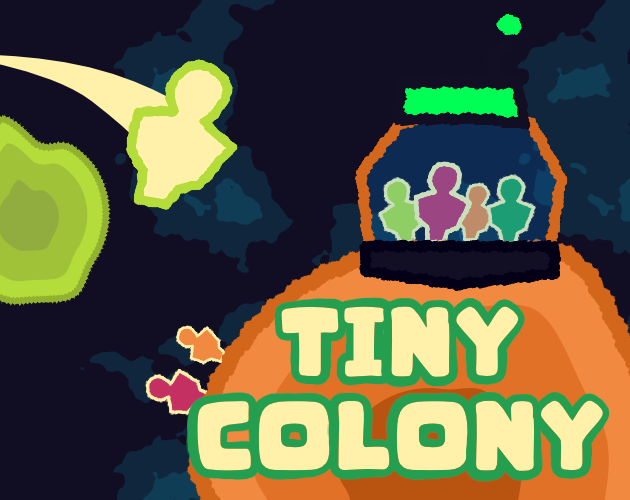
Tiny Colony utilizes the interplanetary slingshot mechanic to turn space travel into a delicate art. The focus here is on precision—using gravity wells to guide your tiny creatures across the void. It’s a testament to how physics-based gameplay can feel polished even when developed in under three days.
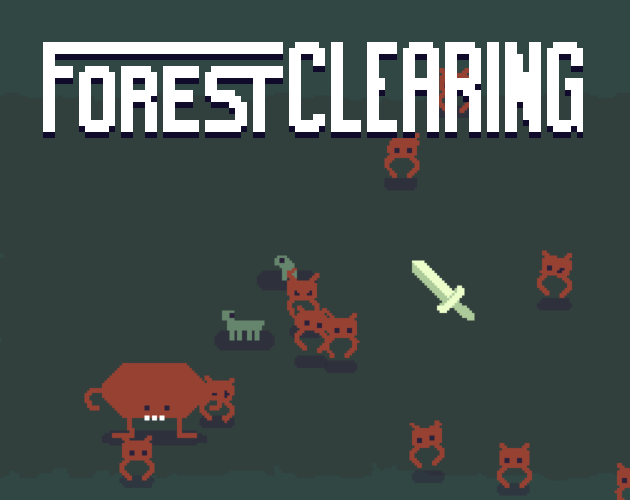
6. FOREST CLEARING: The Ethical Dilemma
This title introduces a moral conflict: do you protect your forest friends, or do you harvest them for resources? By framing the gameplay around the trade-off between preservation and survival, FOREST CLEARING adds a layer of depth that many larger titles fail to achieve.
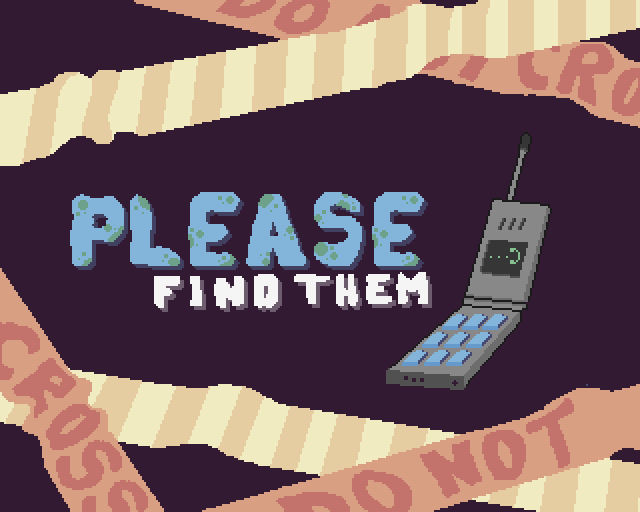
7. Please Find Them: The Exterminator’s Quest
Hidden object games are a staple of casual gaming, and Please Find Them excels by grounding the "tiny" theme in the mundane. Playing as an exterminator looking for shrunken creatures in a house provides a relatable, domestic scale to the competition’s overarching theme.
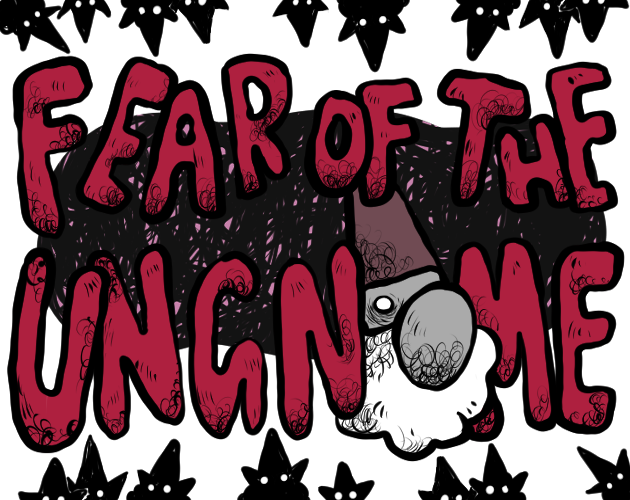
8. Fear of the Ungnome: Procedural Exploration
Fear of the Ungnome leverages procedural generation to ensure that the hunt for the elusive gnome feels different every time. The first-person perspective, combined with puzzle-solving elements, makes it one of the most immersive experiences from this year’s jam.
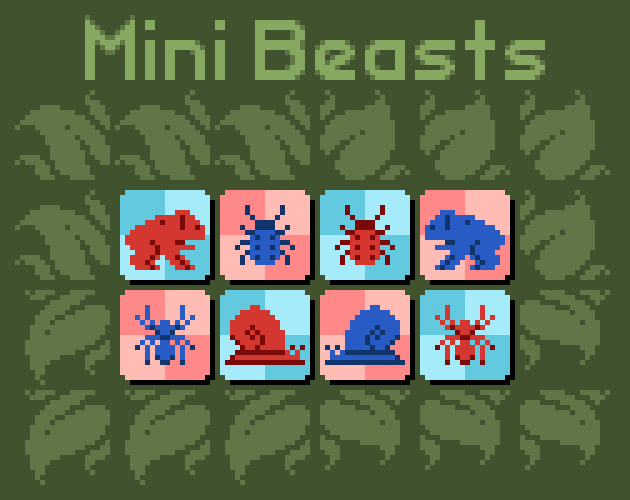
9. Mini Beasts: Minimalist Puzzles
Sometimes, the best game jam entries are the most refined. Mini Beasts focuses on a single, strong mechanic: color-matching critters. It’s a perfect example of "less is more," proving that a game doesn’t need a sprawling world to be deeply engaging.
10. Vox Regis: Voice-Controlled Intrigue
Vox Regis is perhaps the most ambitious entry in the collection. By utilizing voice-controlled mechanics to manipulate political factions, it moves beyond the mouse and keyboard to interact with the player directly. It is a masterful use of the "Tiny Creatures" theme, where the "tiny" refers to the groups you are actively destabilizing as the king.
Implications: The Future of the Jam
The success of Ludum Dare 56 highlights the ongoing vitality of the indie game development scene. These games are not just "jam entries"—they are proof-of-concepts that frequently evolve into full-fledged commercial titles.
For the industry, these events provide a breeding ground for new mechanics and innovative storytelling. When developers are forced to simplify their scope, they often stumble upon the "purest" form of their gameplay, stripping away the bloat that often plagues modern AAA titles. The "Tiny Creatures" theme served as a reminder that even the smallest ideas, when executed with precision and creativity, can leave a massive impact on the player.
As the industry continues to shift, platforms like itch.io remain vital hubs for this collaborative spirit. By fostering a community where developers can iterate, experiment, and fail safely, Ludum Dare ensures that the next big breakthrough in gaming might just come from a developer working in a small room, in a small window of time, focusing on a very small creature.
Conclusion
The entries from Ludum Dare 56 represent a snapshot of the current state of indie development: creative, experimental, and deeply connected to the community. Whether it is through the procedural puzzles of Fear of the Ungnome or the political machinations of Vox Regis, these games invite players to explore the world through a lens of scale and curiosity.
We encourage all readers to visit the itch.io Ludum Dare 56 page to experience these titles firsthand. Whether you are a developer looking for inspiration or a player seeking unique, bite-sized experiences, there is a wealth of talent to be discovered.
What were your favorite Ludum Dare 56 games? The conversation continues in the comments below—let us know which of these miniature worlds captured your imagination the most.