Bridging the Gap: Introducing the Headlamp Knative Plugin for Streamlined Serverless Management
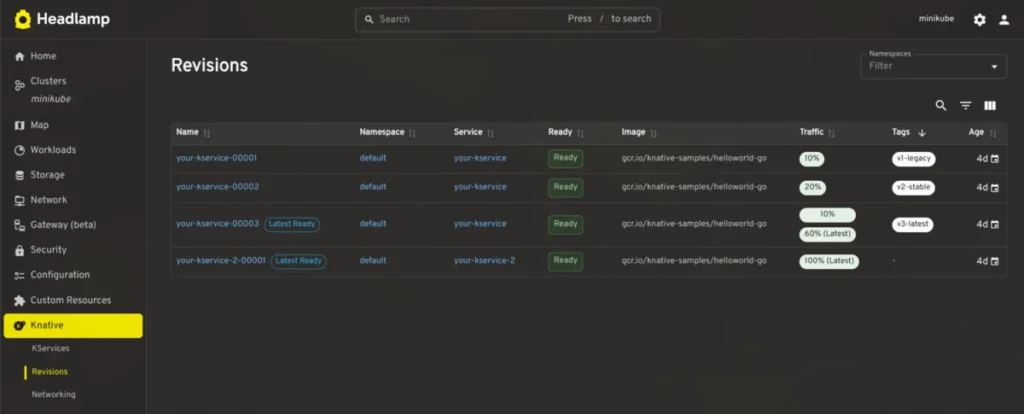
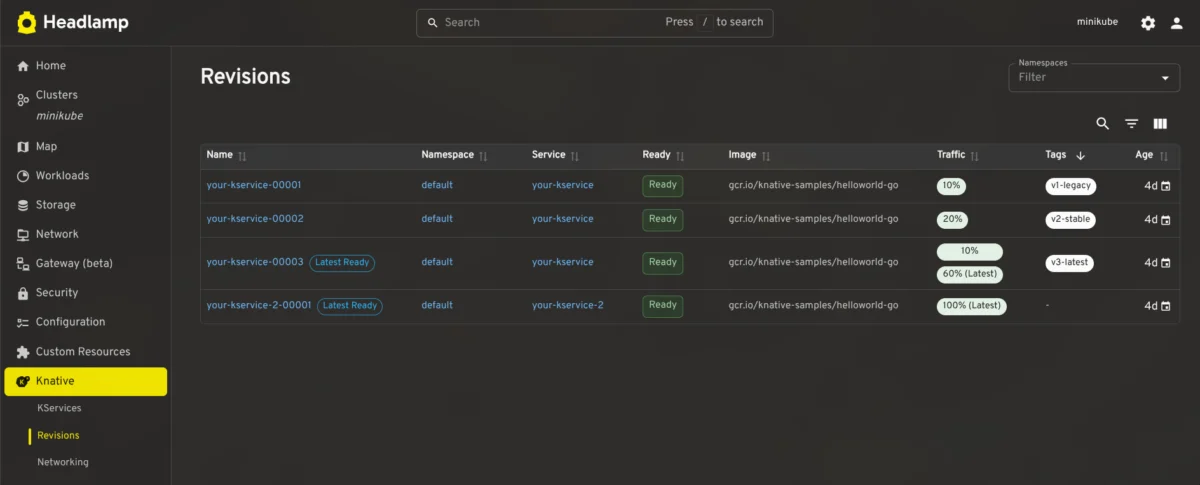
In the rapidly evolving landscape of cloud-native development, Kubernetes has emerged as the definitive operating system for the cloud. Yet, as organizations shift toward serverless architectures, the complexity of managing these environments has grown exponentially. Knative has long been the industry standard for bringing serverless capabilities—such as traffic routing, autoscaling, and revision management—to Kubernetes. However, the operational reality of managing Knative often involves a fragmented workflow, forcing engineers to juggle the kn CLI, kubectl, and various disparate web dashboards to maintain visibility.
On June 25, 2026, the team behind Headlamp, the open-source, extensible Kubernetes SIG UI project, announced a significant leap forward in addressing this "fragmentation tax." By releasing the Headlamp Knative plugin, the project aims to unify the serverless experience, allowing operators to inspect, understand, and manage their workloads within a single, cohesive interface.
The Chronology of Development: From Concept to Community Contribution
The development of the Knative plugin for Headlamp was not merely an internal engineering task; it was a collaborative endeavor facilitated through the LFX Mentorship program. This initiative, designed to foster open-source talent and drive innovation within the Cloud Native Computing Foundation (CNCF) ecosystem, provided the framework for the plugin’s creation.
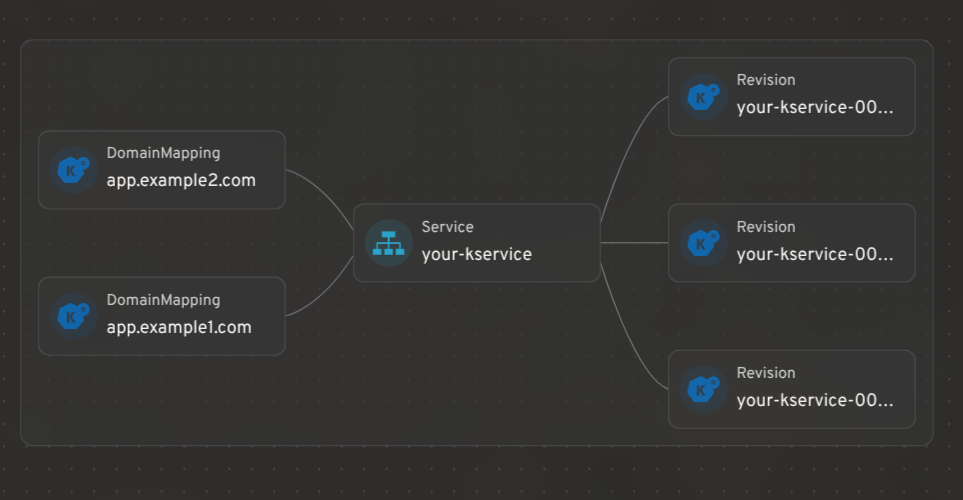
The project lifecycle began with a clear identification of the friction points inherent in Knative operations. Mentors and contributors identified that while Knative simplifies application deployment, it complicates the "day-two" operations of debugging and traffic management. Over the course of the mentorship, the team worked to map the complex CRDs (Custom Resource Definitions) that define Knative—specifically KServices, Revisions, and DomainMappings—into the intuitive, graph-based visual interface that Headlamp is known for.
By mid-2026, the team achieved the 0.3.0-beta milestone, transforming from a experimental concept into a functional tool ready for community testing. This release represents a culmination of months of effort to ensure that the UI not only displays data but provides actionable intelligence to DevOps engineers and SREs.
Deep Dive: Empowering Operators with Integrated Management
The core philosophy behind the new plugin is to reduce "context switching." For an operator, switching between terminal tabs to check traffic split percentages and then back to a UI to verify pod logs is a slow, error-prone process. The Headlamp Knative plugin systematically removes these hurdles.
Integrating Resources into the Map View
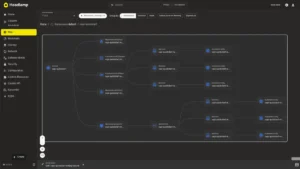
One of Headlamp’s most praised features is its resource mapping capability. By extending this to Knative, the plugin allows users to visualize the hierarchical relationship between KServices, Revisions, and DomainMappings in a single, interactive graph. This spatial representation helps engineers quickly identify the "blast radius" of a potential configuration change or locate the source of a traffic-routing anomaly.
Enhanced KService Lifecycle Management
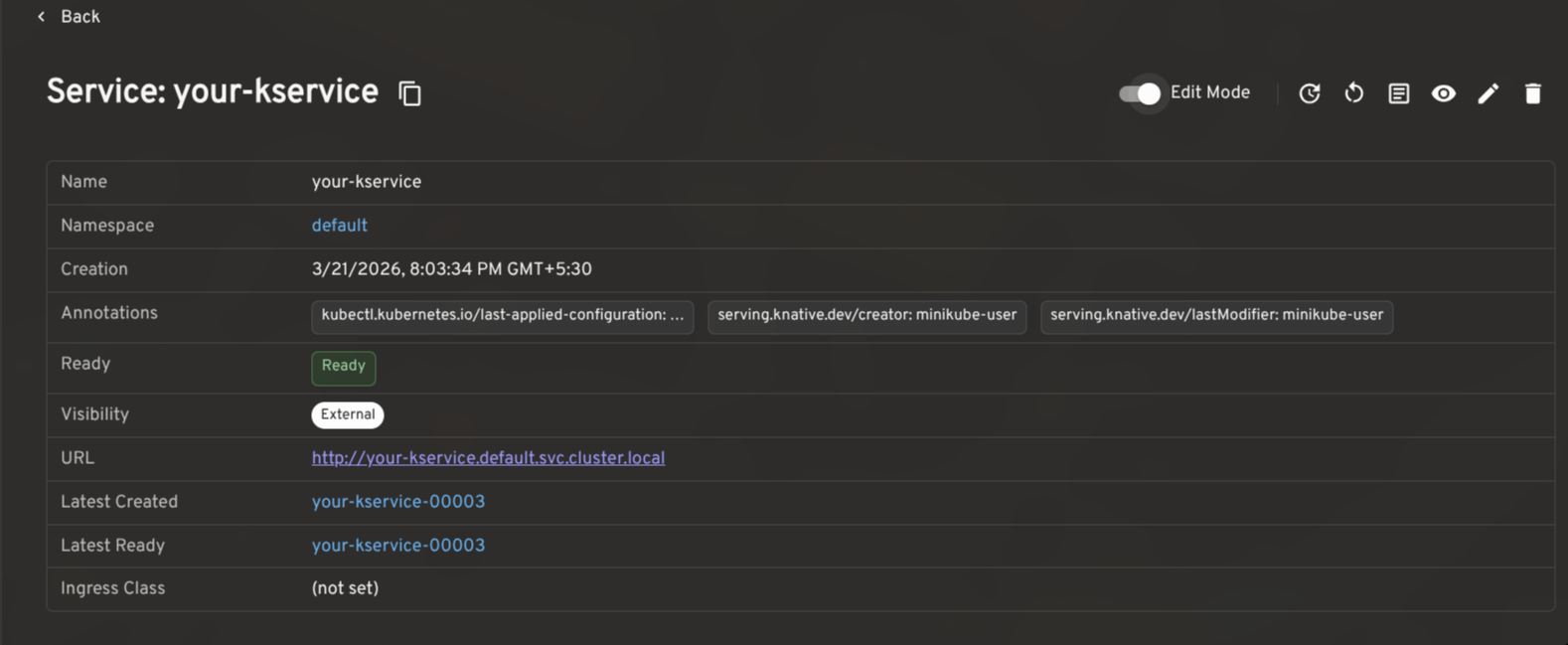
A KService serves as the central control plane for a Knative workload. The plugin introduces a sophisticated detail view that acts as a cockpit for the service. Key features include:
- Edit Mode Toggle: Allows for real-time adjustments to traffic splits and autoscaling annotations without needing to construct complex YAML files manually.
- Action-Oriented Header: Common tasks—such as restarting pods, viewing logs, or triggering redeployments—are now surfaced directly in the header, gated appropriately by the user’s existing RBAC (Role-Based Access Control) permissions.
- YAML Transparency: While the UI simplifies interaction, it maintains full transparency by allowing operators to view and validate the underlying YAML at any time.
Precision Traffic Splitting
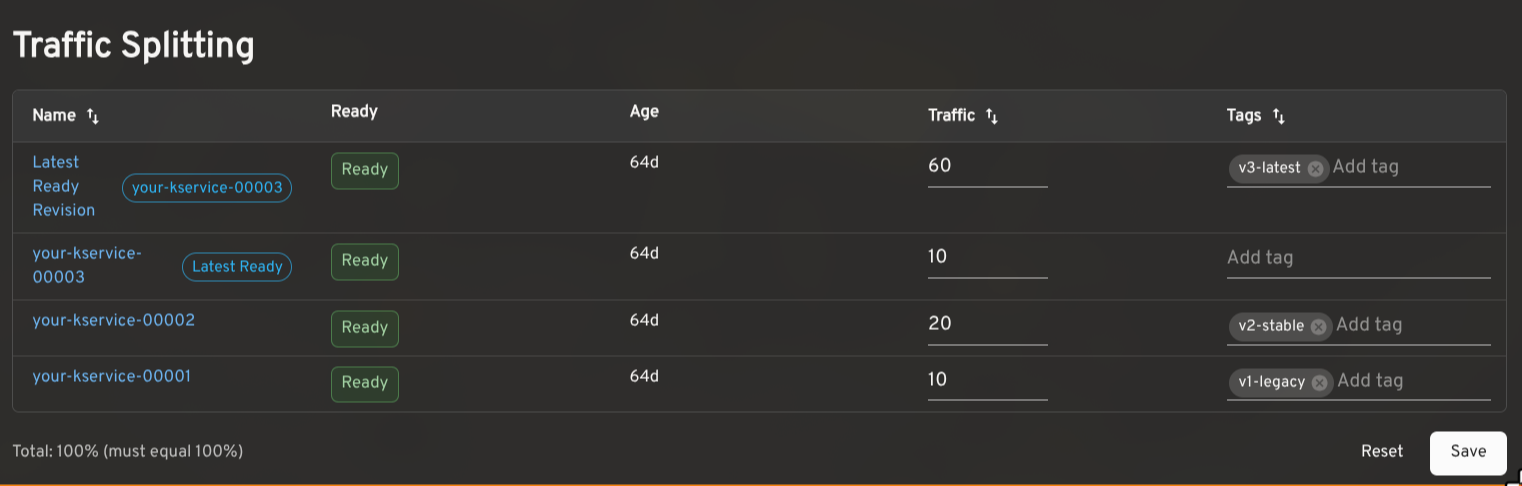
For organizations practicing canary releases or A/B testing, traffic splitting is critical. The plugin provides a granular interface to manage traffic assignments across different revisions. It includes built-in validation logic to ensure that traffic percentages always sum to 100% and that tags remain unique, preventing common configuration errors that could lead to service outages. Furthermore, tagged routes that provide a public URL are rendered as clickable links, enabling instant testing of new code versions.
Supporting Data and Technical Context
The complexity of serverless often lies in the "magic" behind the scenes—specifically, how autoscalers interact with cluster-wide defaults. The plugin provides a comprehensive view into the "effective configuration" of a workload.
Autoscaling and Concurrency Visibility
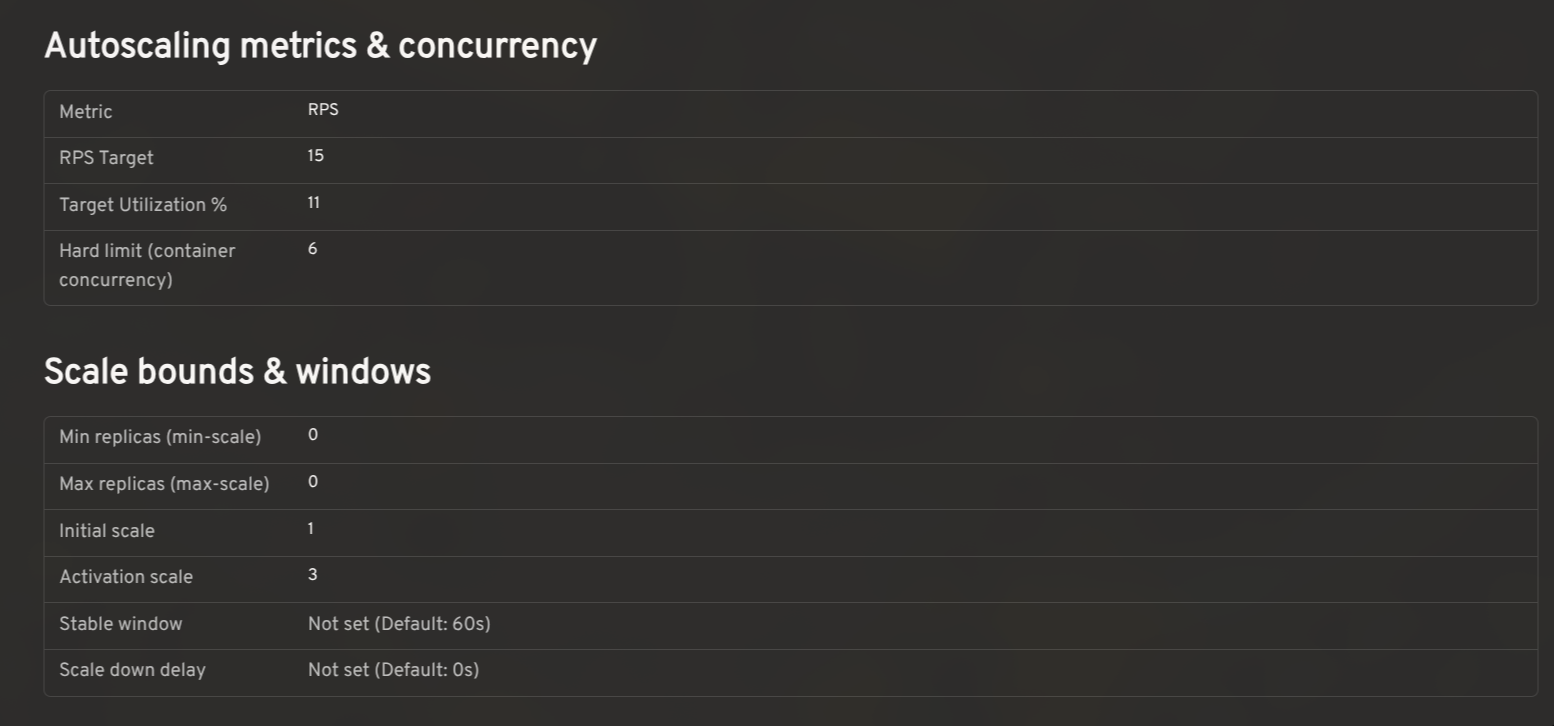
Knative’s autoscaling is governed by a combination of KService-level annotations and global ConfigMaps (such as config-autoscaler and config-defaults). Previously, an engineer might see an annotation but be unaware of the underlying cluster default that was actually driving the behavior. The Headlamp plugin reconciles this by displaying the effective configuration, allowing operators to distinguish between custom settings and inherited defaults at a glance.
Metrics and Observability
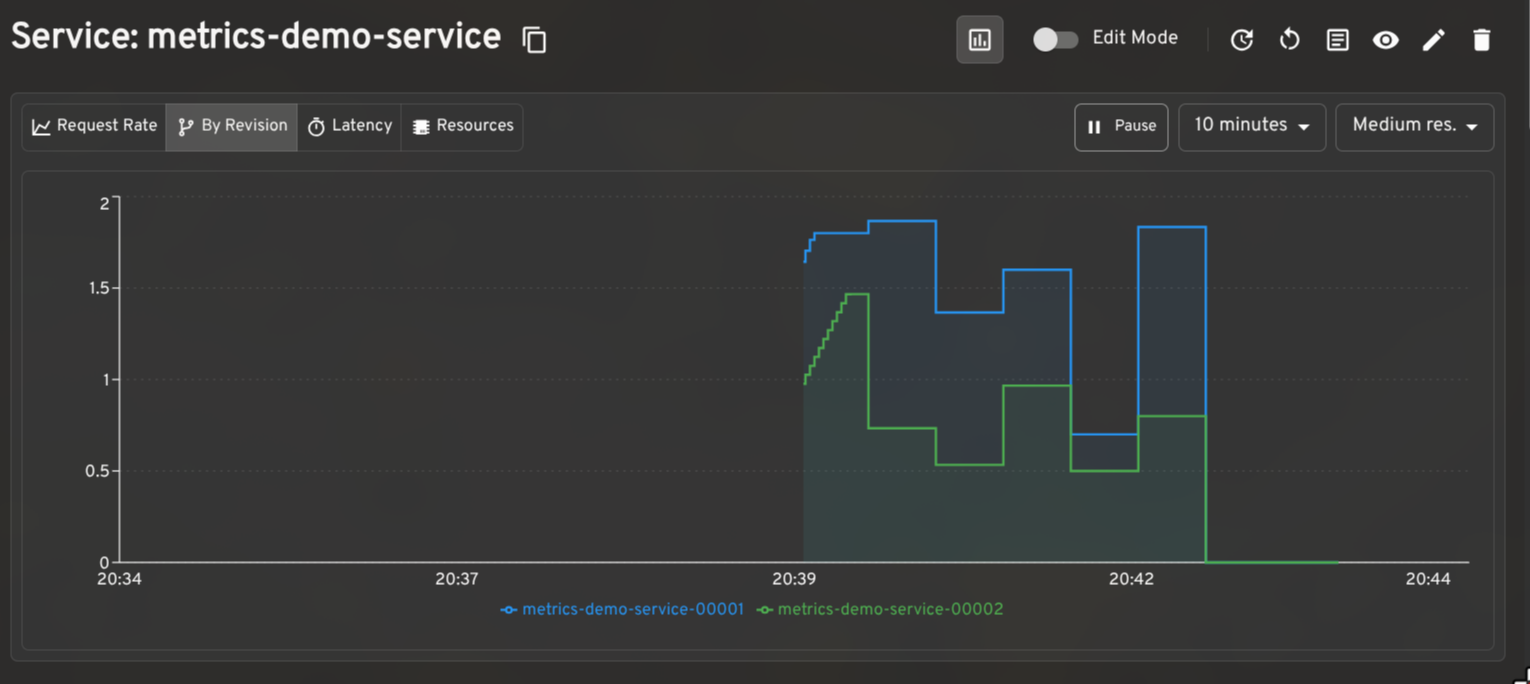
Integration with the Prometheus plugin for Headlamp elevates the utility of the tool. By rendering request rates, latency, and resource utilization graphs directly on the KService and Revision detail pages, the plugin provides immediate feedback on the health of a deployment. The ability to break down request rates on a per-revision basis is particularly valuable during traffic shifts, allowing teams to monitor the impact of a rollout in real-time.
Official Perspective and Community Response
The Headlamp team emphasizes that this plugin is a direct response to the community’s demand for better observability. "We built the Headlamp Knative plugin to bridge that very gap," the project maintainers stated in their release announcement. By consolidating the kn CLI functionality into a GUI, they aim to lower the barrier to entry for teams adopting serverless patterns.
Early feedback from the Kubernetes community, particularly within the #headlamp channel on the official Kubernetes Slack, has been largely positive. Users have highlighted the "Domain Mapping" and "Networking Overview" features as particularly useful for debugging complex ingress issues. The inclusion of these administrative views—reading config-network and config-gateway settings—provides a holistic view of the networking stack that is rarely available in standard Kubernetes dashboards.
Implications for the Serverless Ecosystem
The introduction of this plugin has significant implications for how organizations operate serverless workloads.
- Reduced Operational Overhead: By centralizing management, teams can reduce the time spent on routine tasks like traffic shifting or log retrieval. This leads to faster iteration cycles.
- Increased Accessibility: The intuitive UI allows developers who may not be experts in the intricacies of Knative CRDs to manage their own services safely, reducing the burden on dedicated platform engineering teams.
- Enhanced Reliability: By providing visual validation for traffic splits and transparent visibility into autoscaling settings, the plugin reduces the likelihood of human error during configuration updates.
- Open-Source Synergies: The project serves as a prime example of the power of the LFX mentorship program, demonstrating how directed investment in open-source development can solve real-world problems for enterprise users.
Moving Forward
As the industry moves toward 2027, the focus is shifting from "how to deploy" to "how to manage at scale." The Headlamp Knative plugin is a necessary evolution in this journey. For teams currently struggling with the "jumping between tools" problem, the 0.3.0-beta release offers a compelling path toward a more integrated, efficient, and transparent serverless future.
Those interested in adopting the plugin are encouraged to review the official documentation and contribute to the ongoing development. As with all open-source projects of this nature, community feedback is the primary driver for future feature sets, including potential support for advanced service-mesh integrations and expanded multi-cluster visibility.
By bridging the gap between command-line power and user-friendly interface design, Headlamp is positioning itself not just as a Kubernetes dashboard, but as an essential component of the modern cloud-native operational stack.