In an era where web browsers have increasingly become "all-in-one" platforms—burdened with AI assistants, integrated crypto-wallets, VPN services, and complex rewards ecosystems—a significant segment of the power-user community has begun to voice a demand for simplicity. Recognizing this shift, Brave Software has introduced "Brave Origin," a stripped-down, performance-oriented version of its flagship browser designed specifically for users who prioritize privacy and speed over integrated service bloat.
While the standard Brave Browser remains a feature-rich powerhouse for the average consumer, Brave Origin represents a tactical pivot. It maintains the core identity of the Brave ecosystem—industry-leading ad-blocking and tracker-prevention—while systematically removing the auxiliary services that have transformed modern browsers into resource-heavy applications.
Main Facts: What is Brave Origin?
Brave Origin is essentially a "clean-room" build of the Brave browser. It is built upon the same Chromium foundation as the standard version, ensuring that users still benefit from critical security updates, Chromium-specific patches, and web compatibility. However, the feature set is drastically pruned.
Key exclusions in the Origin build include:
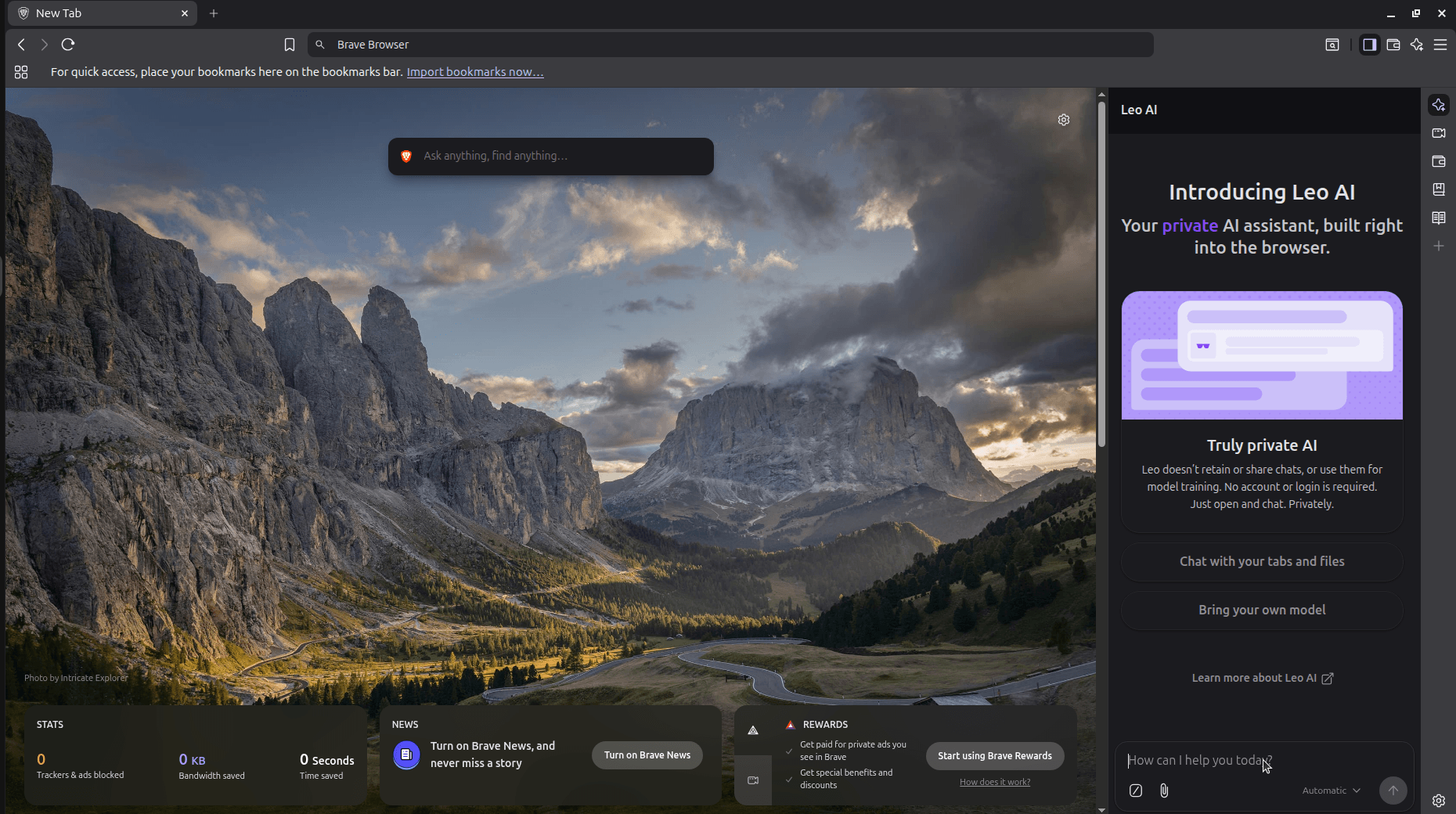
Leo AI: The integrated AI assistant is absent.
Brave Rewards: The tokenized advertising and creator-support ecosystem has been removed.
Crypto Wallet: The built-in Web3 wallet and associated domain support are gone.
VPN Services: The integrated Brave VPN has been stripped out.
Miscellaneous Utilities: Features like the Speedreader, Brave Talk, and the Wayback Machine integration are not part of the standard Origin experience.
For the vast majority of non-Windows and non-macOS users, this represents a streamlined browsing experience. While Windows, Android, macOS, and iOS users are subject to a $59.99 one-time license fee to access this "pro" minimal version, Linux users have been granted a unique concession: the browser is entirely free to use and requires no account registration.
Chronology: The Road to Origin
The concept of Brave Origin began as a direct response to community feedback. Throughout the previous year, Brave’s support forums and GitHub issue trackers saw a growing number of requests for a "lean" version of the software. Users argued that while they appreciated the underlying privacy technology—specifically the Shields system—the added "bloat" made the browser feel less like a tool and more like a platform.
Early 2026: Internal discussions at Brave Software regarding "feature fatigue" among power users lead to the development of a stripped-down build.
Early June 2026: Brave officially announces "Origin." The marketing messaging centers on the idea of supporting the company’s privacy mission without the friction of unwanted features.
Mid-June 2026: The software enters a public testing phase. Enthusiasts and privacy-conscious Linux users begin evaluating the build, comparing its footprint to the standard browser.
Late June 2026: Full documentation for Linux installation (APT, DNF, and AUR) is finalized and distributed, marking the official availability for the open-source community.
Supporting Data: Performance and Onboarding
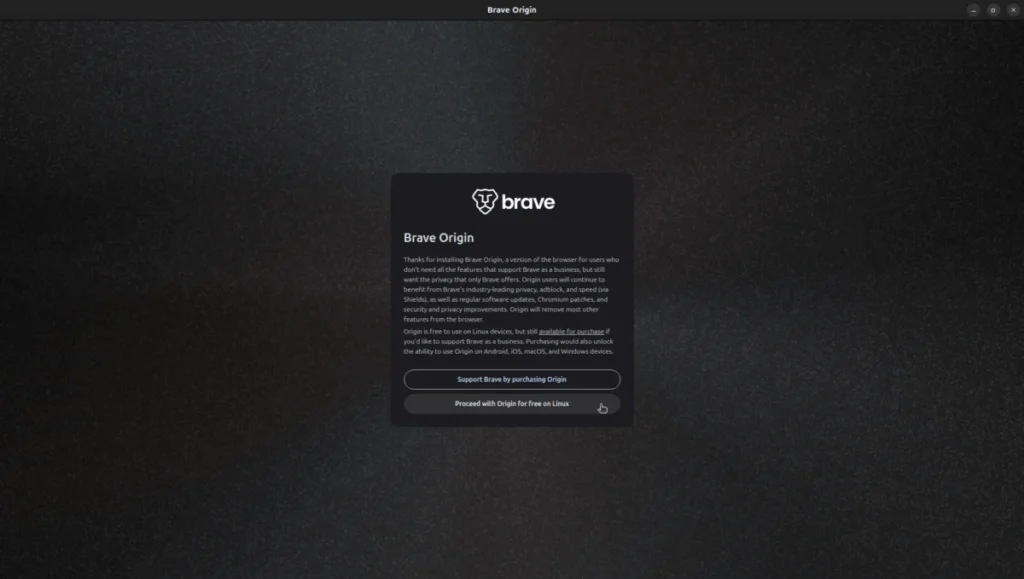
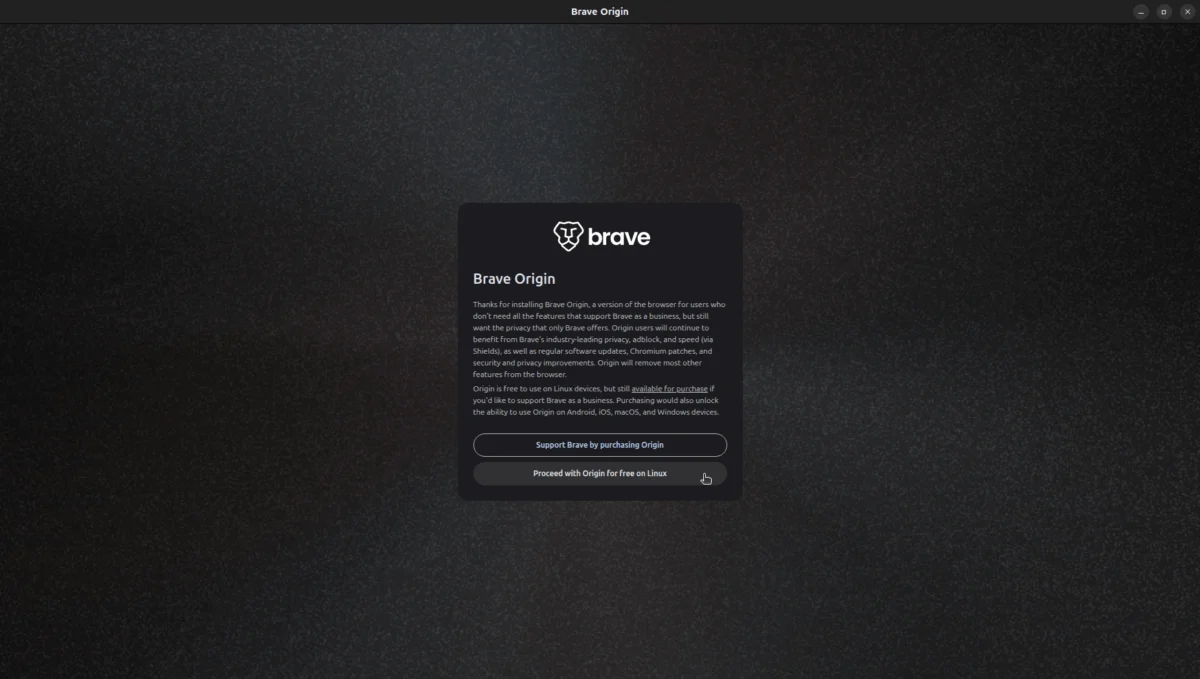
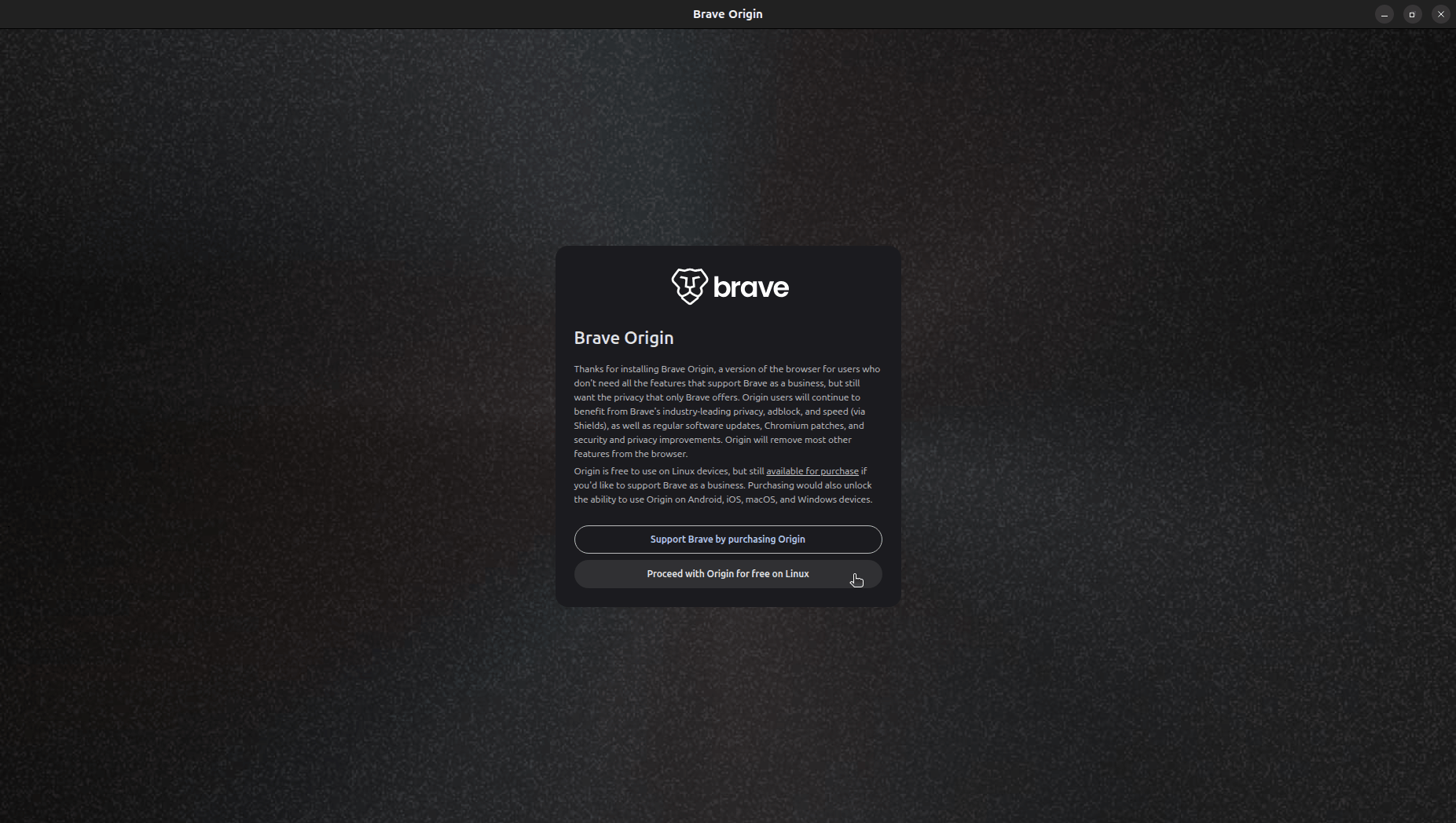
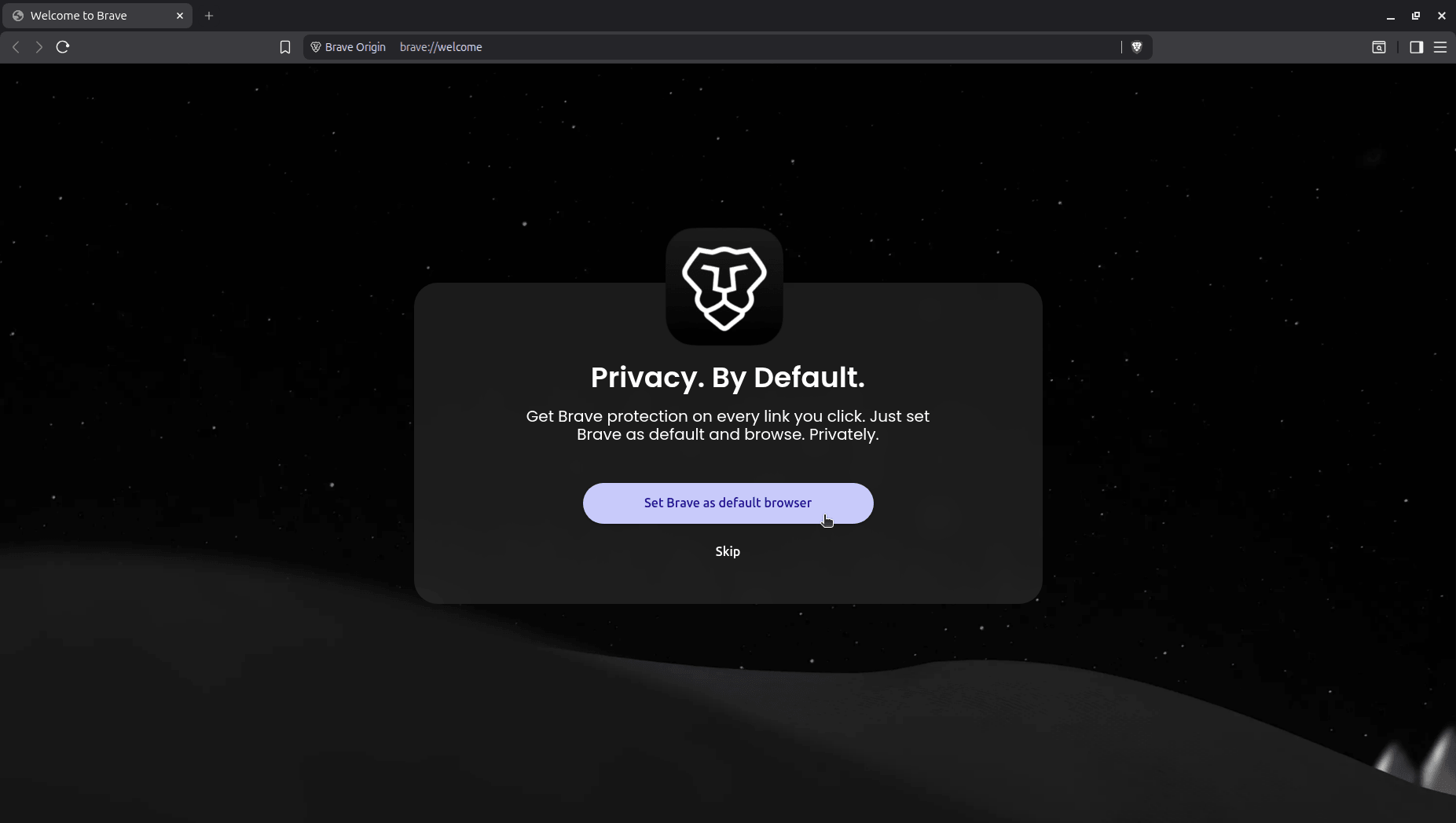
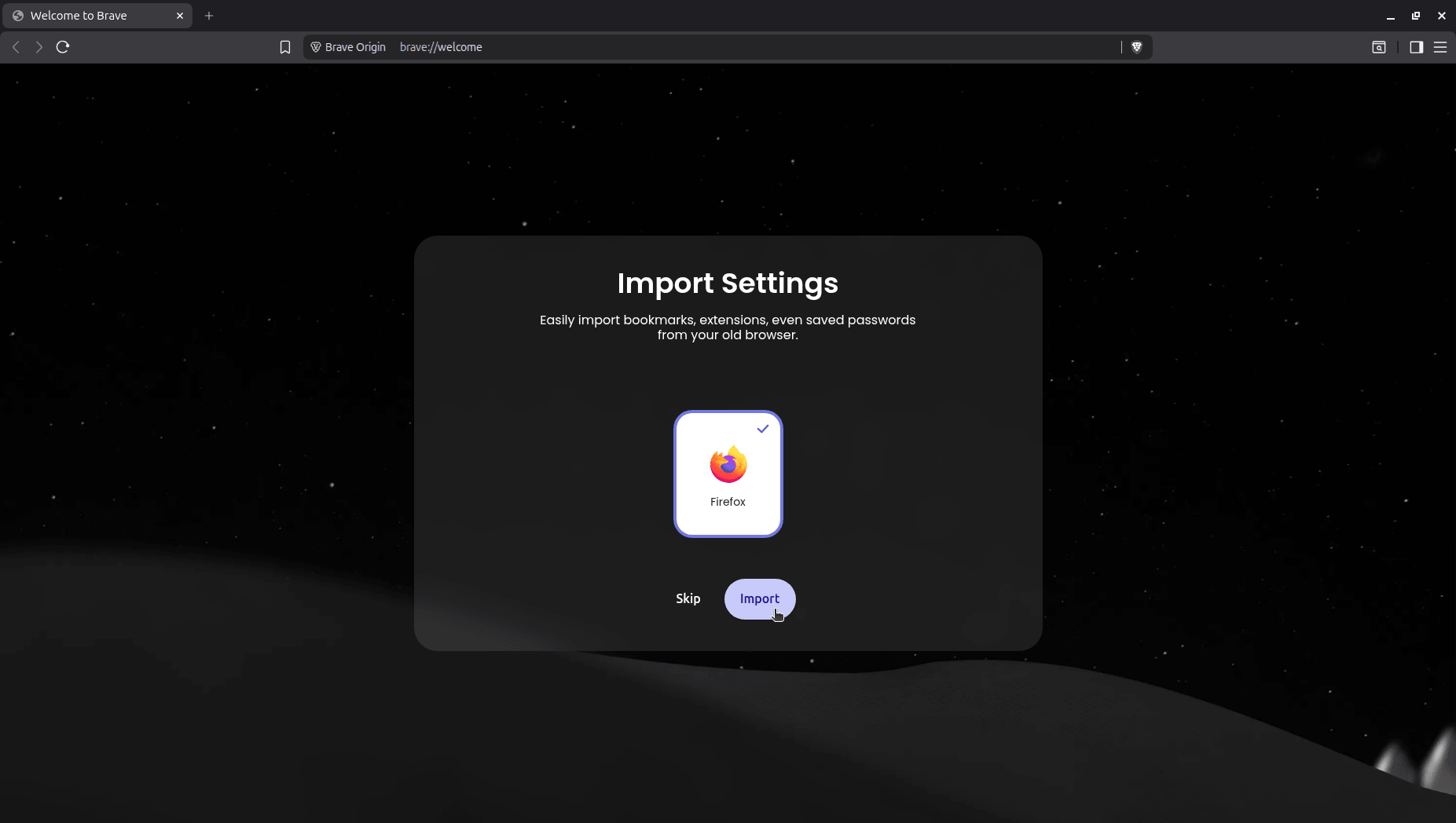
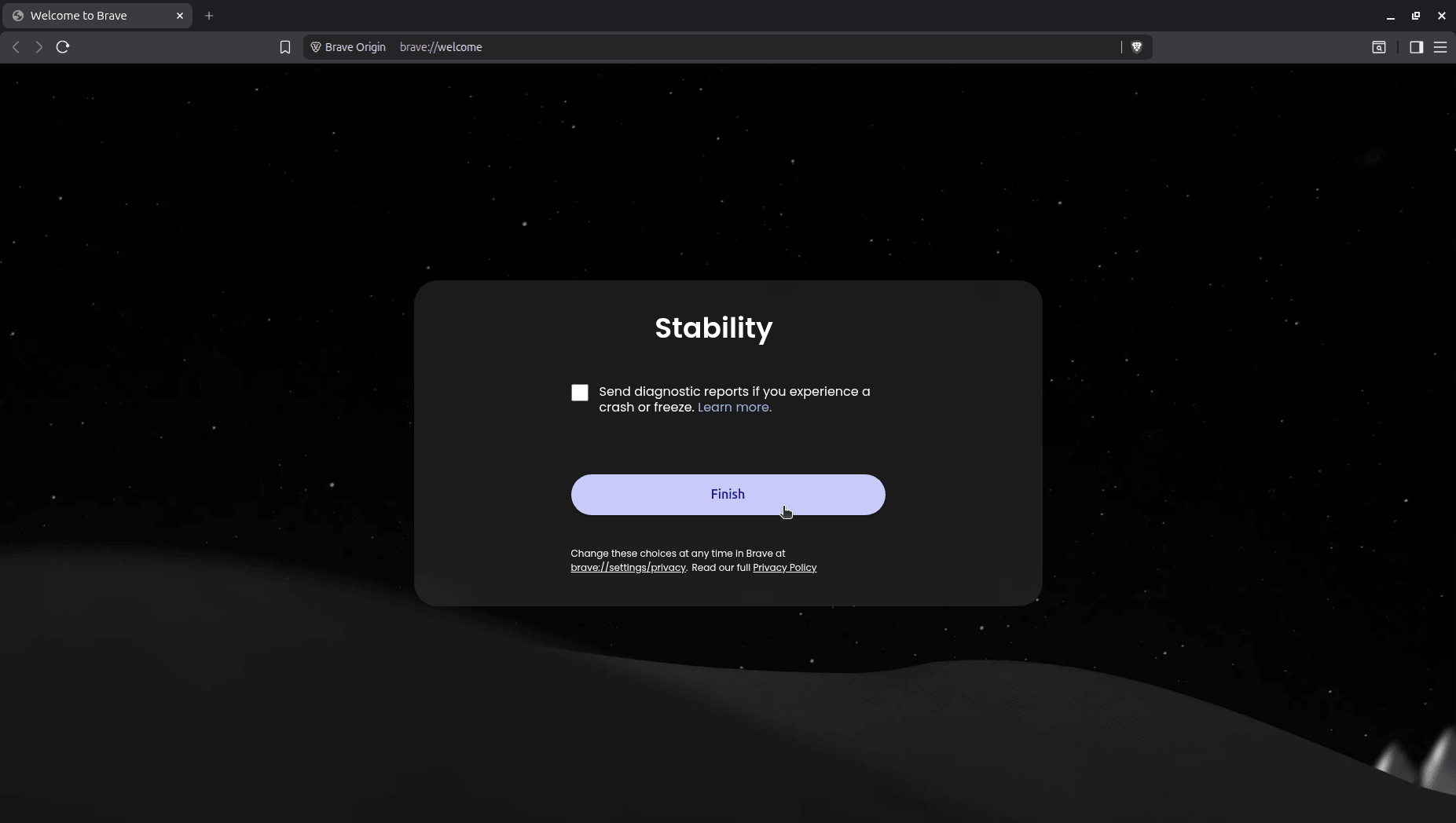
To understand the practical difference, one must look at the onboarding and performance metrics. During the initial setup, Brave Origin asks minimal questions: it requests to be the default browser, asks to import bookmarks and passwords, and provides an option to send crash telemetry—which, notably, is disabled by default.
The Speedometer Benchmark
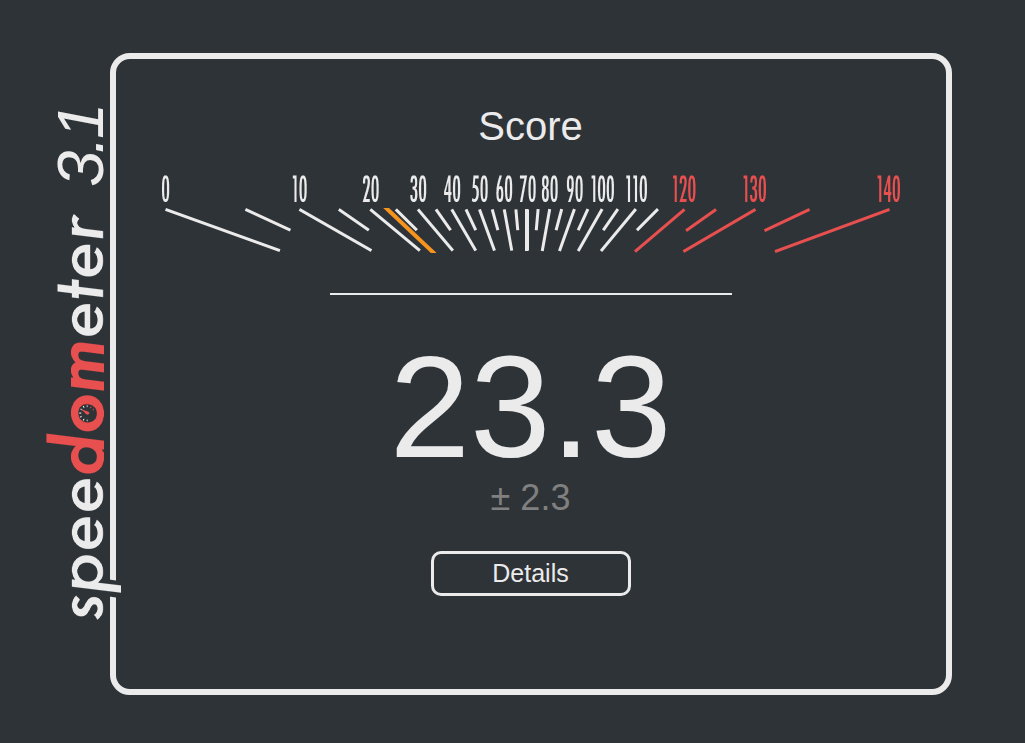
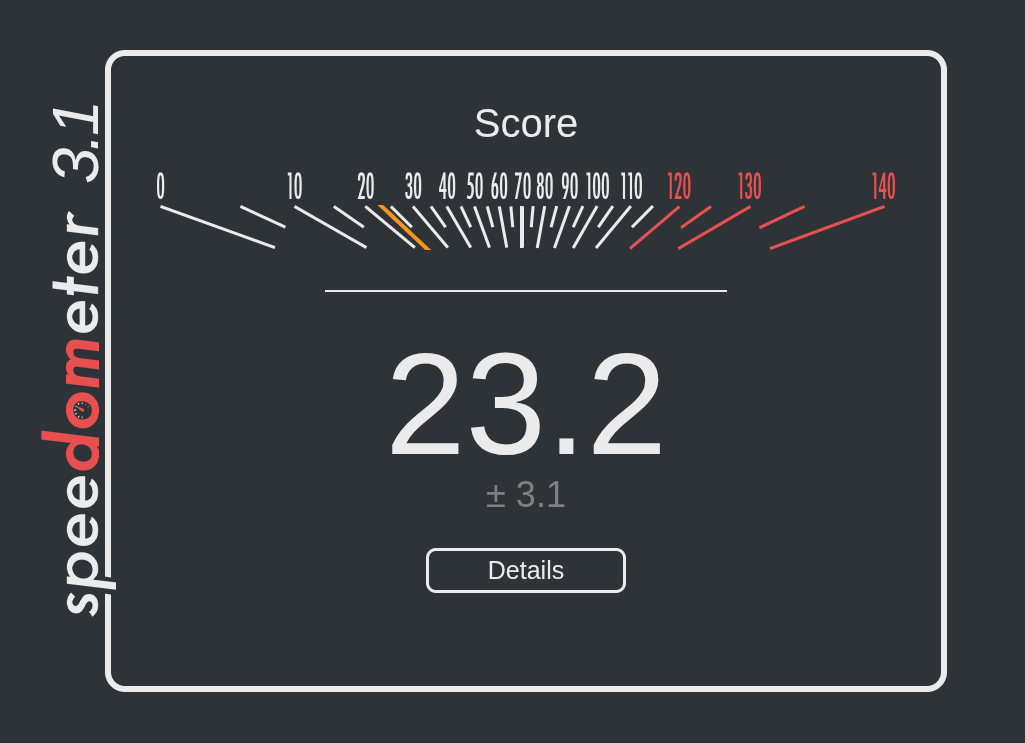
In recent testing conducted on a virtual machine running Ubuntu 26.04 LTS, the lean Origin build achieved a score of 23.3 on the BrowserBench Speedometer 3.1 test. For comparison, a fully customized Vivaldi browser running on a bare-metal Fedora workstation scored a 23.2.
While these numbers are nearly identical, the implications are significant. Achieving parity with a high-performance, customized browser while running in a virtualized, "clean" environment suggests that Origin is highly efficient. By stripping out the background processes associated with AI queries, wallet syncing, and telemetry, the browser demonstrates a high degree of responsiveness.
Brave Shields Effectiveness
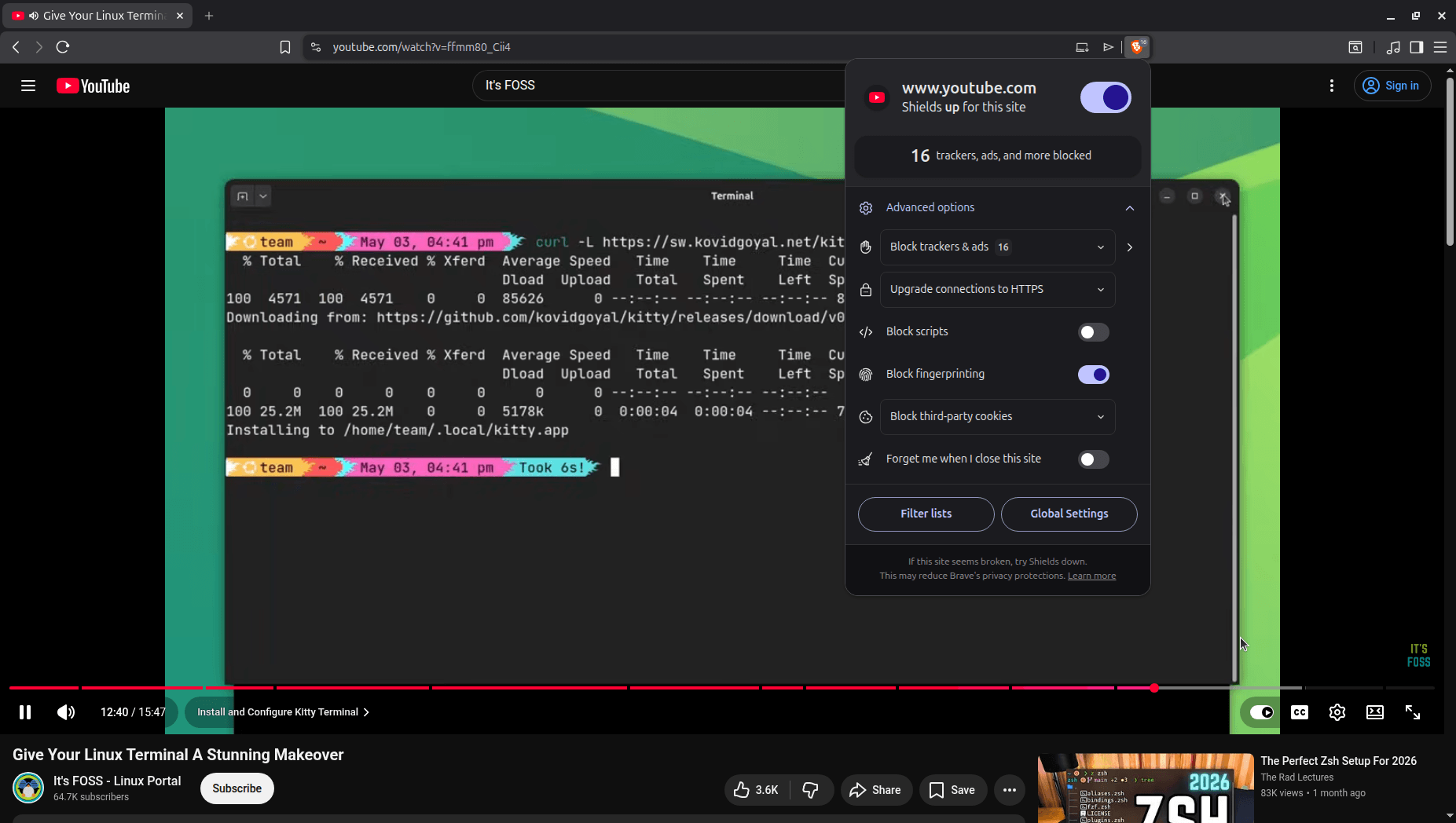
The core of the Brave experience remains intact. When navigating to media-heavy sites such as YouTube, the Shields widget operates silently in the background. In observed tests, the browser successfully blocked 16 trackers and ad-scripts on a single page without requiring manual configuration. The user experience remained seamless; the "stripped-down" nature of the browser does not result in broken web pages, as the underlying filtering engine remains identical to the standard Brave version.
Official Responses: The Philosophy of Choice
Brave’s official stance on the release of Origin is rooted in the philosophy of user autonomy. In their announcement, the company stated:
"We built Brave Origin in response to requests from users who wanted to support Brave’s industry-leading work on Web privacy and open-source adblocking, without having to manage or remove features they weren’t interested in using."
This statement highlights a pivot in Brave’s business model. By offering a paid version (for non-Linux users), they are validating the "browser as a product" model, moving away from a reliance solely on advertising and affiliate revenue. For the Linux community, the decision to offer it for free is a nod to the open-source ethos that helped build the company’s foundation.
Implications: Why Use Origin Instead of the Standard Browser?
The existence of two versions of the same browser poses a logical question: Why would one choose Origin over the standard offering?
1. The "Bloat" Factor
For users who find the sidebar, the crypto-wallet alerts, and the AI sidebar distracting, Origin offers a "peace of mind" experience. These features are not merely hidden; they are compiled out of the build. This results in a smaller binary and a reduced memory footprint—a critical factor for users on older hardware or those who keep dozens of tabs open simultaneously.
2. Security and Telemetry
While the standard Brave Browser provides an "opt-out" system for telemetry, Origin takes this further by design. With the majority of external services stripped away, there are fewer endpoints to communicate with. For the privacy-hardened user, this reduction in the "attack surface" of the browser is a tangible security benefit.
3. Workflow Separation
The ability to run both standard Brave and Brave Origin simultaneously provides an interesting workflow opportunity. A user might use the standard version for personal browsing—leveraging the rewards and wallet—while using the clean, distraction-free Origin for work, research, or high-security banking sessions.
Technical Installation Guide for Linux
The deployment of Brave Origin is designed to be familiar to anyone accustomed to Linux package management.
Ubuntu (APT)
To install on Ubuntu, users must ensure curl is present and then add the official repository:
Arch users can utilize their preferred AUR helper:
yay -Sy brave-origin-bin
The Universal Approach
For those who prefer a single-line command, Brave provides a universal script: curl -fsS https://dl.brave.com/install.sh | FLAVOR=origin sh
It is worth noting that there is no separate "Origin" source code on GitHub. Origin is a build-time configuration of the brave-core repository. This ensures that when the core browser receives security patches, Origin receives them simultaneously, preventing the "security lag" that often plagues alternative or "forked" browsers.
Conclusion
Brave Origin is a significant development in the browser wars. It acknowledges that the "modern web experience" has become too noisy for many users. By creating a professional, streamlined, and highly performant alternative, Brave is catering to a demographic that values efficiency above all else. Whether this will lead to a broader industry trend of "pro" or "minimalist" browser tiers remains to be seen, but for the Linux community, the arrival of Origin is a clear win for those who believe a browser should be a simple window to the web, not a dashboard for digital commerce.