Small Scale, Big Impact: A Retrospective on Ludum Dare 56 and the "Tiny Creatures" Theme
The global game development community recently converged for one of its most celebrated traditions: Ludum Dare. Held from October 4th to October 7th, 2024, the 56th iteration of this bi-annual game jam challenged developers to transform a specific constraint into a creative masterpiece. With the theme "Tiny Creatures," thousands of independent creators pushed the boundaries of scale, perspective, and mechanics. As the dust settles on this high-pressure 72-hour window, the resulting catalog of titles serves as a testament to the ingenuity of the indie scene, showcasing everything from complex roguelike strategies to deeply emotive narrative experiences.
The Chronology of the Jam: 72 Hours of Creativity
Ludum Dare is defined by its rigorous structure. For those unfamiliar with the process, the event begins with a multi-stage voting process to determine the theme, followed by a frantic, sleepless sprint to produce a functional game.
Phase 1: The Incubation (Pre-Event)
In the week leading up to October 4th, the itch.io and Ludum Dare communities debated hundreds of potential themes. When "Tiny Creatures" was officially unveiled, the reaction was immediate. The prompt offered a wide interpretative berth: developers could focus on the literal size of the protagonists, the ecosystem of microorganisms, or the metaphorical concept of "tiny" creatures in a vast, indifferent world.
Phase 2: The Sprint (October 4–7)
Once the clock started, the primary goal for thousands of developers was the "MVP" (Minimum Viable Product). The first 24 hours were spent on core prototyping—establishing the movement of the creatures and the fundamental game loop. The second 24 hours focused on asset creation, level design, and the inevitable struggle with "scope creep." The final 24 hours, often referred to as "crunch time," were dedicated to bug fixes, sound design, and the final web-build deployment on itch.io.
Phase 3: The Showcase (Post-Event)
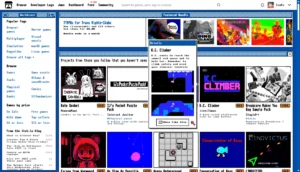
As of the immediate aftermath, the platform has seen a surge in engagement. The itch.io "Ludum Dare 56" tag has become a digital gallery, allowing participants to provide feedback to one another—a core tenet of the Ludum Dare philosophy that fosters community growth over cutthroat competition.
Analyzing the "Tiny Creatures" Landscape: Featured Selections
While the volume of submissions is vast, several titles have emerged as standouts, demonstrating how a simple theme can host a variety of complex genres.
Strategic Complexity and Roguelikes
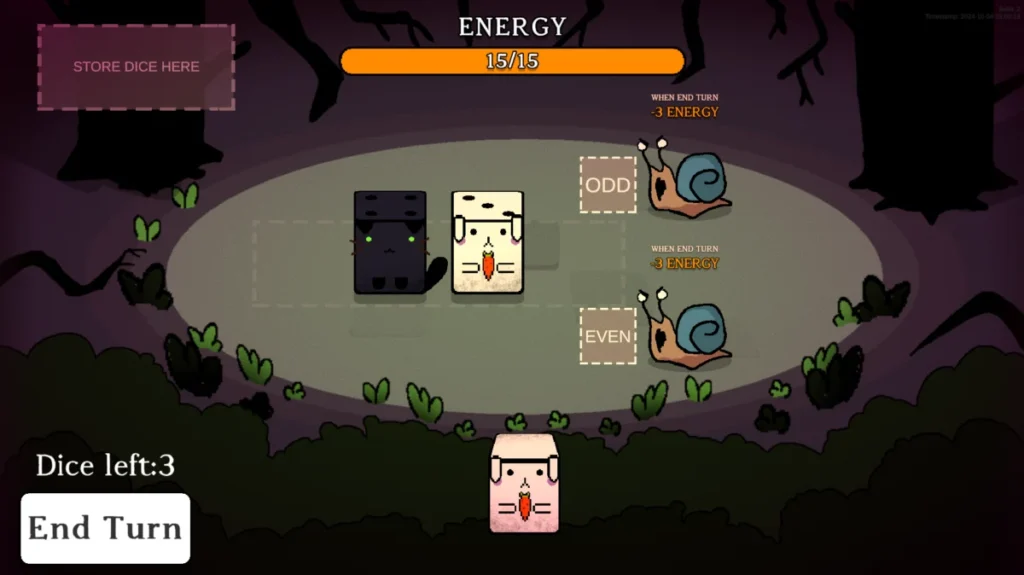
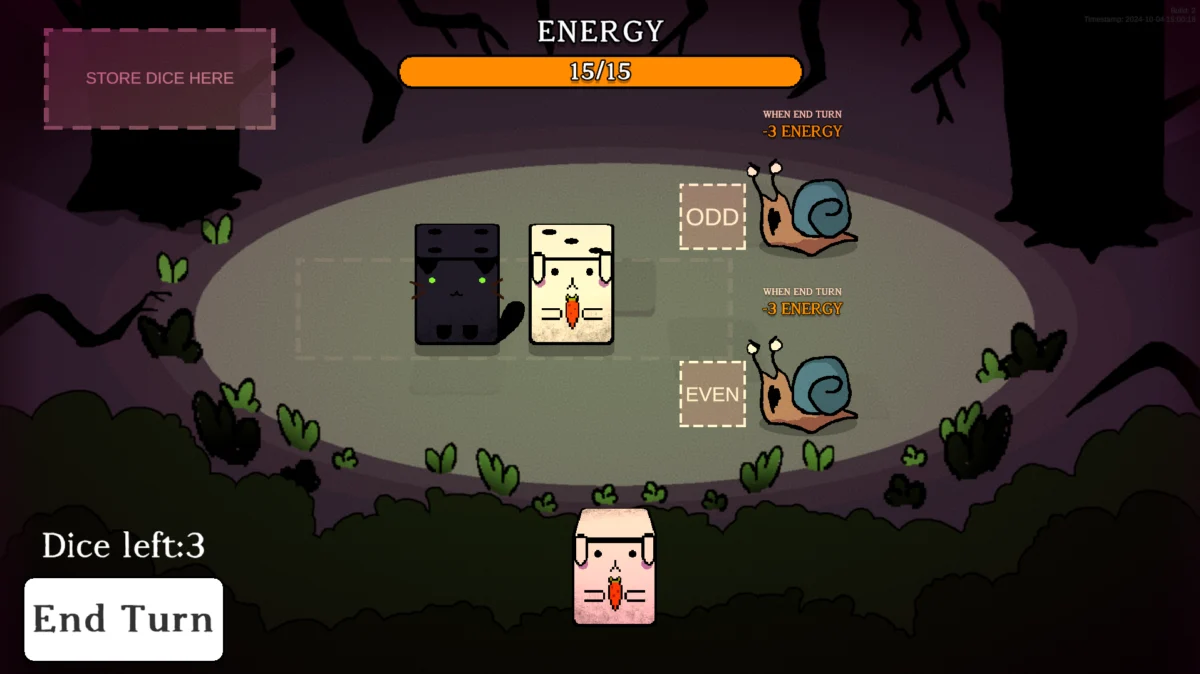
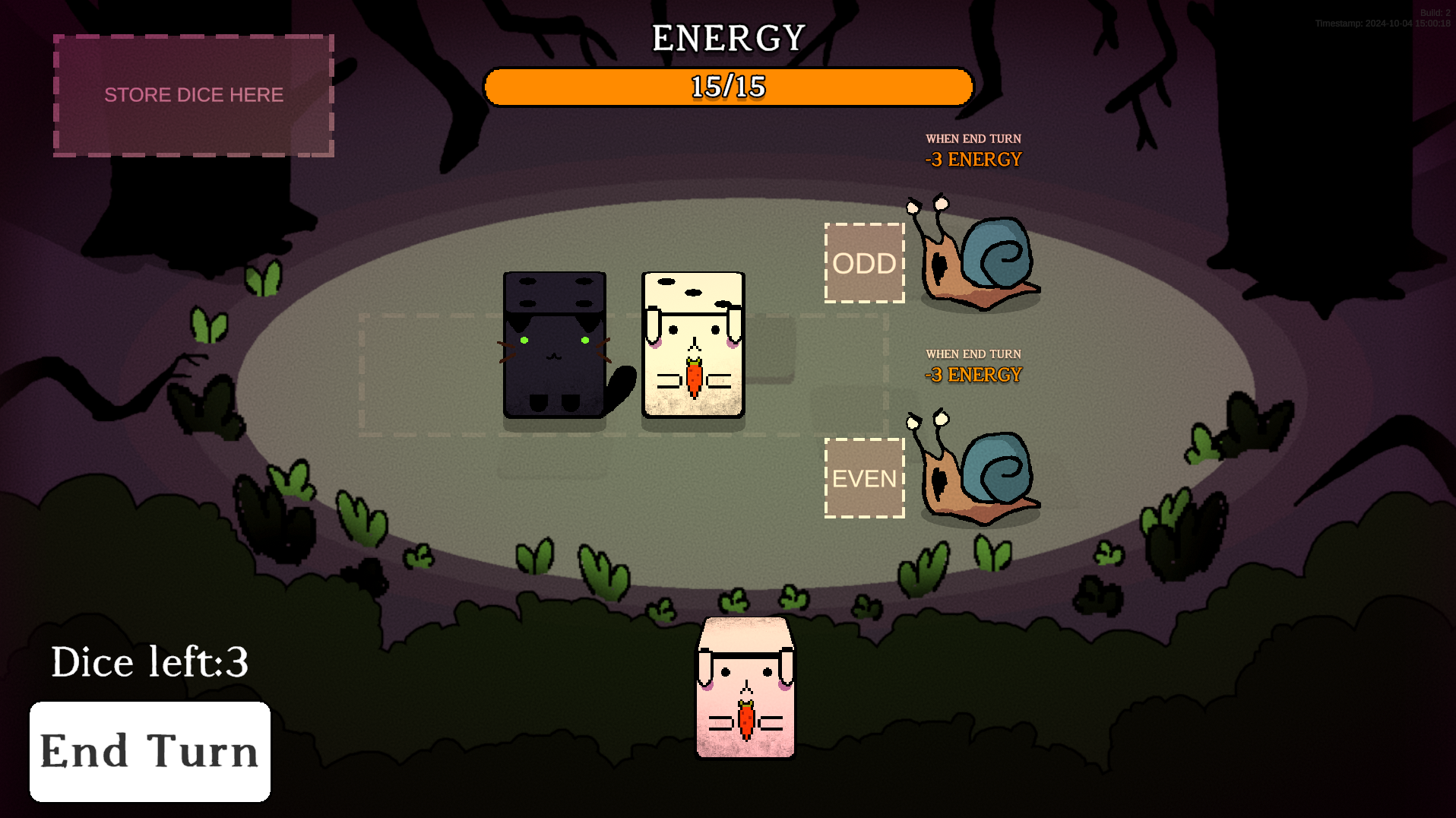
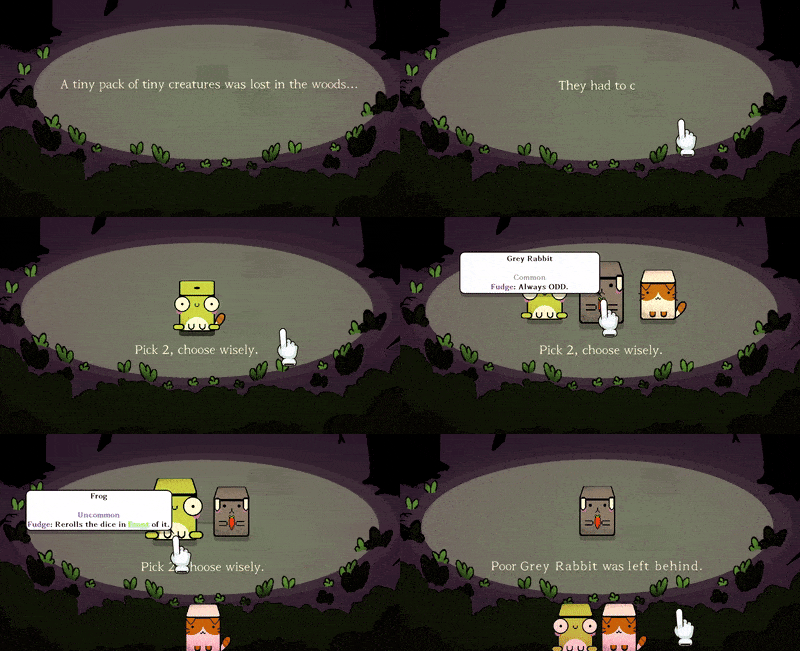
- TINY PACK: Perhaps the most ambitious of the batch, this title masterfully blends deck-building mechanics with turn-based strategy. By tasking players with managing a pack of forest-dwelling creatures using dice-based abilities, it elevates the "Tiny" theme into a tactical experience. The pixel-art aesthetic reinforces the charm of the woodland setting while maintaining the high-stakes tension inherent to the roguelike genre.
- Combo Critters: Taking a different approach, Combo Critters focuses on the card-battling aspect of creature collection. By forcing players to build synergistic teams, it highlights the importance of individual unit stats in a game where every creature is, quite literally, small.
Puzzle and Platforming Innovations
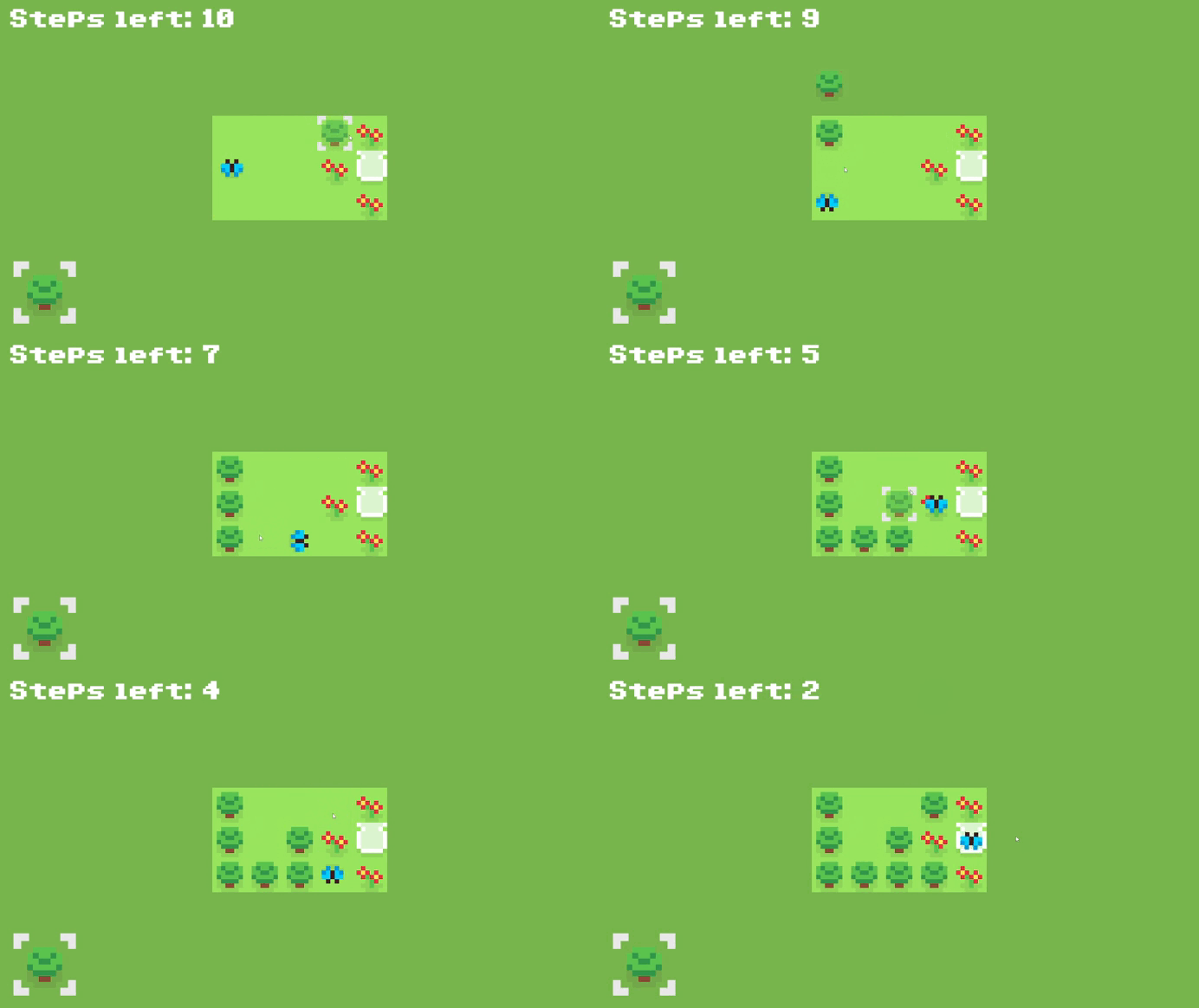
- Butterjar: A lesson in brevity, Butterjar provides a focused 10-minute experience. The mechanics are simple—guide a butterfly into a jar—but the execution relies on precise puzzle-platforming physics. It is an excellent example of how a singular, polished mechanic can satisfy a player more than a bloated, unfinished epic.
- Candyween: Blending the "Tiny Creatures" theme with the upcoming Halloween season, this isometric puzzler introduces a feline protagonist. The game’s charm lies in its environmental hazards; navigating past dogs and ghosts while managing a cat’s movement makes for a delightful, if slightly spooky, experience.
- GO BLO: This title plays with the concept of scale. Players lead a troop of blue beings, where the core puzzle element is the collection of followers. The larger your "tiny" group, the more complex the environmental puzzles you can solve, effectively turning the player’s swarm into a living key.
Simulation and Narrative Depth
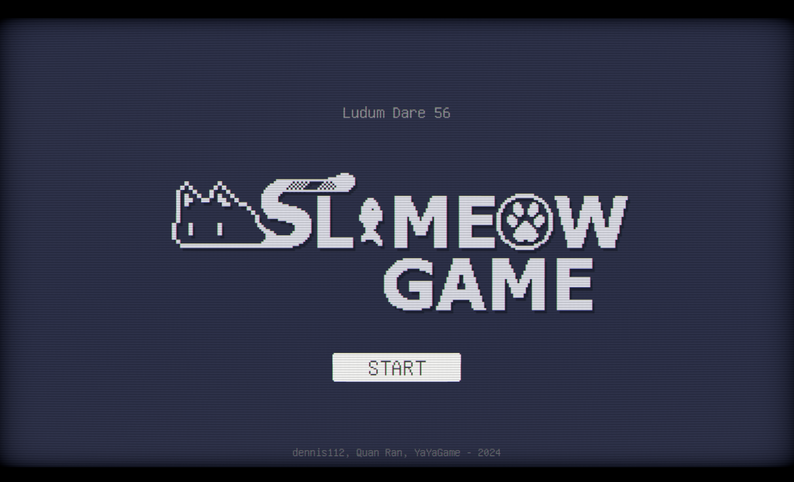
- Slimeow Game: Bridging the gap between tower defense and incremental design, Slimeow Game tasks players with managing a colony of slimes. It’s an engaging loop of resource gathering and defense that highlights the "creature" aspect of the jam’s theme.
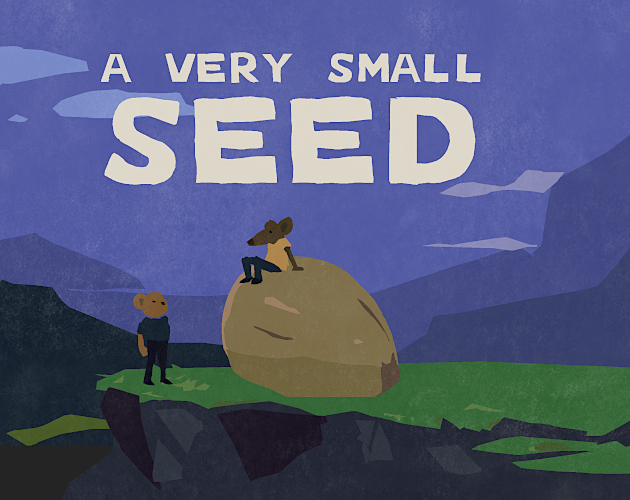
- A very small seed: This hand-drawn adventure offers a more meditative take on the theme. By focusing on the journey of two tiny entities, the developers managed to craft an interactive experience that prioritizes mood and atmosphere over twitch-reflex gameplay.
- Would You Still Love Me?: This title stands out as a narrative outlier. It explores the psychological and relational impact of transformation, asking the player to confront the "tiny creature" trope from a place of emotional vulnerability rather than mechanical combat.
Supporting Data: The Impact of Jamming on Indie Development
The data surrounding Ludum Dare 56 suggests that game jams are no longer just "hobbyist" events; they are critical incubators for the professional gaming industry. According to industry analysis, over 40% of indie games currently on the market began as a prototype in a 48- or 72-hour window.
The "Tiny Creatures" tag on itch.io alone has generated thousands of downloads in the days following the event. Furthermore, the average "browser-play" rate for these submissions remains significantly higher than that of standalone downloads, indicating that accessibility—a key feature of the Ludum Dare ecosystem—is the primary driver of player engagement.

The diversity of genres submitted is also noteworthy. While platformers traditionally dominate game jams, Ludum Dare 56 saw a marked increase in incremental, idle, and narrative-driven games. This suggests that the "Tiny Creatures" theme encouraged developers to lean into systems-heavy or story-heavy design rather than just reflex-based mechanics.
Official Perspectives and Community Sentiment
In the aftermath of the event, the sentiment among participants and observers has been overwhelmingly positive.
"The beauty of Ludum Dare 56 was the sheer variety of interpretations," notes one prominent indie developer in a community forum. "When you give a thousand people the prompt ‘Tiny Creatures,’ you expect a thousand games about ants. Instead, we got card battlers, emotional dramas, and complex simulations. It proves that the constraint is the catalyst, not the barrier."
itch.io, which serves as the primary host for these submissions, continues to support the jam through its tagging system and curated collections. The platform’s infrastructure allows for real-time feedback, which is essential for the "voting" portion of the jam. Unlike commercial releases, where post-launch patches are the norm, Ludum Dare titles are judged on their "as-is" state, forcing developers to prioritize stability and clarity above all else.
Implications for the Future of Indie Gaming
What does the success of Ludum Dare 56 mean for the wider industry?
- The Rise of "Micro-Experiences": Players are increasingly showing a preference for high-quality, short-form games that can be played in a single sitting. The success of games like Butterjar confirms that "short and sweet" is a viable, and perhaps even preferred, model for indie developers.
- Cross-Genre Integration: The fusion of mechanics—such as combining tower defense with incremental systems in Slimeow Game—is becoming the new standard. Developers are no longer satisfied with creating a "platformer"; they are creating "hybrid-genre" experiences that challenge traditional categorization.
- The Persistence of Browser Gaming: The fact that the vast majority of these games are playable directly in a browser without the need for high-end hardware remains a democratizing force. It ensures that regardless of the player’s machine or technical literacy, the barrier to entry remains near zero.
- Narrative as a Core Mechanic: The inclusion of projects like Would You Still Love Me? indicates that narrative and emotional resonance are becoming as important as gameplay mechanics. Even in a time-constrained environment, developers are finding ways to tell meaningful stories that linger with the player long after the screen fades to black.
Conclusion
Ludum Dare 56 was more than just a 72-hour sprint; it was a global showcase of creativity that proved "Tiny Creatures" could hold massive weight. Whether through the tactical depth of TINY PACK, the atmospheric storytelling of A very small seed, or the charming puzzle mechanics of Candyween, the participants have once again demonstrated the vitality of the independent gaming scene.
As these games move from the "jam" stage to potential full-scale projects, the industry will be watching. The next indie breakout hit is likely already buried within these submissions, waiting to be polished, expanded, and shared with a wider audience. For those who missed the event, the itch.io tag remains open, and the community invites everyone to play, rate, and engage with these tiny, but incredibly significant, creations. The future of gaming is being built in 72-hour intervals, and if Ludum Dare 56 is any indication, that future is in very capable hands.