The Autonomous Frontier: Tesla Expands Robotaxi Service into Miami’s Competitive Landscape
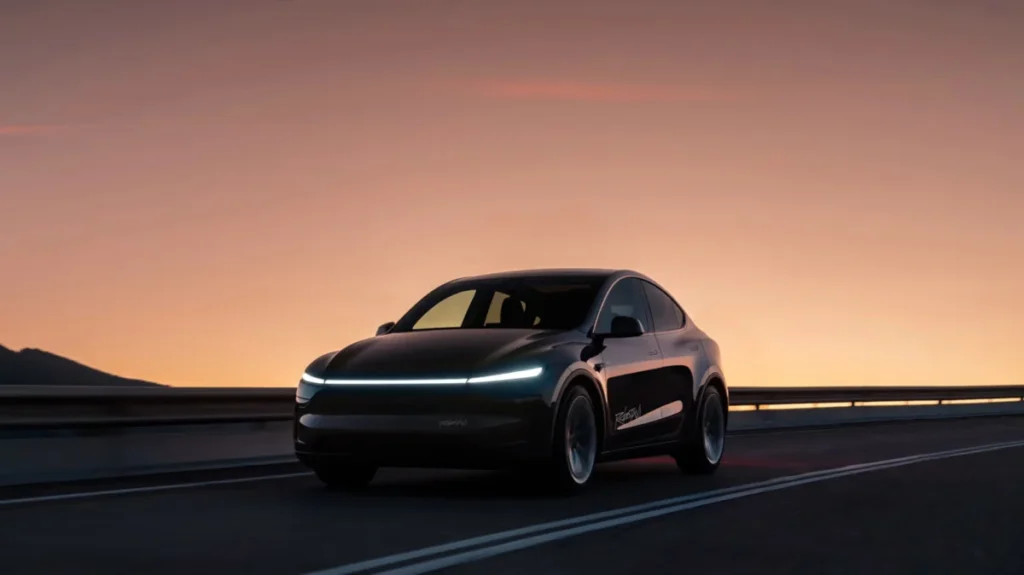
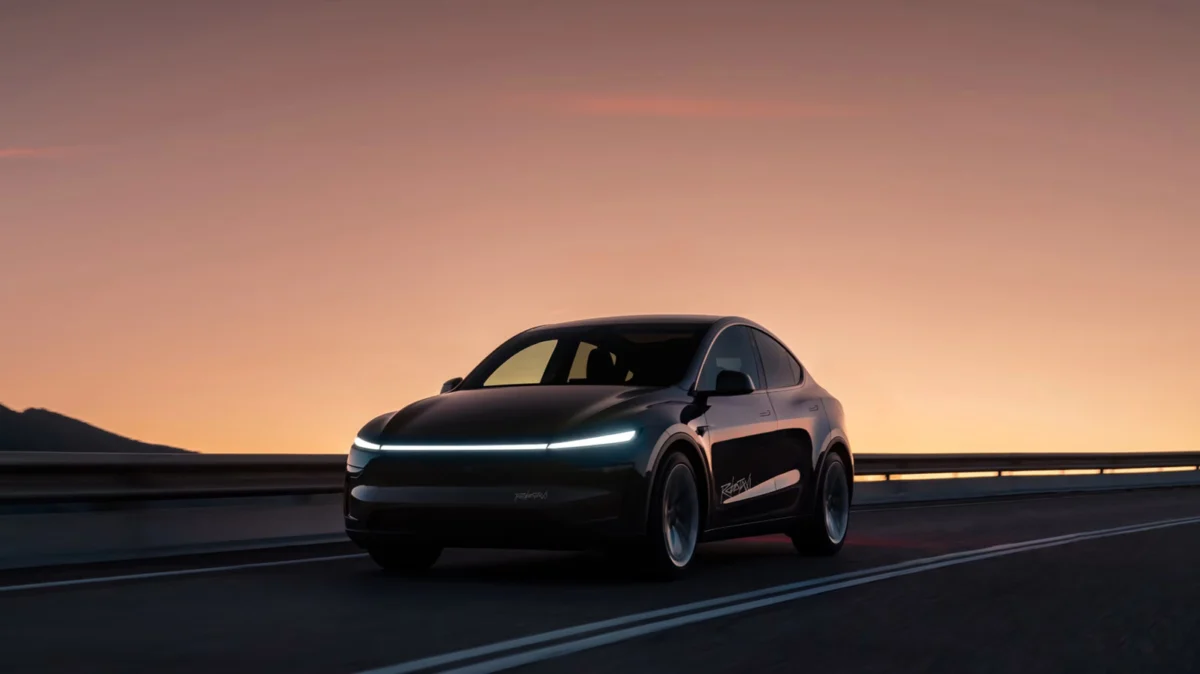
The landscape of urban transportation in Florida is undergoing a seismic shift. Tesla, the electric vehicle giant led by Elon Musk, has officially brought its autonomous ride-hailing service to Miami, marking a critical milestone in the company’s push to dominate the nascent robotaxi market. While the initial rollout is confined to a specific geographic footprint in West Miami, the move signals a broader, aggressive strategy to scale its autonomous network across the United States.
This expansion places Tesla in direct competition with established industry players like Waymo and Zoox, turning the streets of South Florida into a high-stakes proving ground for artificial intelligence and driverless technology.
Main Facts: The Miami Deployment
As of this week, residents in select areas of West Miami can now summon a Tesla robotaxi via the company’s proprietary app. Unlike the initial cautious rollouts seen in other states, this deployment is notable for its confidence: reports and social media documentation confirm that these vehicles are operating without a human safety monitor on board.
The transition to fully unsupervised, driverless operation represents a significant jump from Tesla’s previous testing phases. When the service first launched in Austin, Texas, human monitors were required to remain behind the wheel to intervene in case of software anomalies. The absence of these monitors in the Miami fleet suggests that Tesla has reached a level of internal data confidence that satisfies both its engineering teams and the necessary regulatory frameworks, even as the public remains wary of the technology’s safety record.
The service is currently limited, avoiding the dense, high-traffic corridors of downtown Miami. By starting in the periphery, Tesla is likely looking to optimize its fleet’s performance in predictable, suburban-style environments before attempting to navigate the chaotic, high-density traffic of the urban core.
A Chronology of Autonomous Expansion
To understand the weight of the Miami expansion, one must look at the rapid-fire trajectory Tesla has maintained over the last 18 months.
- Early 2025: The Austin Prototype. Tesla inaugurated its robotaxi service in Austin, Texas, with strict safety protocols, including mandatory human safety drivers. This phase served as a data-gathering exercise, focusing on edge-case scenarios and mapping urban grid layouts.
- Mid-2025: The Dallas and Houston Push. Leveraging the data collected in Austin, Tesla expanded its operational domain to the Dallas and Houston metropolitan areas. This marked the company’s first attempt at operating in diverse, multi-city climates.
- Late 2025: Scaling in Austin. By the end of last year, Tesla successfully expanded its service footprint to cover the entire Austin metropolitan area, proving that its software could handle a wider variety of road types and traffic volumes.
- Early 2026: The Florida Incursion. Tesla announced its intent to enter the Florida market, viewing the state as a critical hub due to its high population density and year-round favorable weather conditions—a boon for sensor performance compared to snowy, northern climates.
- Mid-2026: The Miami Launch. Tesla officially enters West Miami. This launch coincides with a published roadmap that points to Orlando and Tampa as the next logical targets for the company’s Florida expansion.
Supporting Data: A Crowded Florida Market
Tesla is not entering a vacuum. Florida has become a premier testing site for autonomous vehicle (AV) companies, largely due to its lack of snow and clear, grid-based road layouts.
The Waymo Benchmark
Waymo, the Alphabet-owned company, set the pace in Miami when it launched its autonomous ride-hailing service in January. With years of testing in cities like Phoenix and San Francisco, Waymo brought a reputation for hyper-cautious, lidar-heavy technology that many consumers trust. Tesla’s strategy, by contrast, relies almost entirely on camera-based vision systems, positioning itself as a more affordable, data-driven alternative.
The Zoox Factor
Zoox, the Amazon-owned subsidiary, has also begun testing its custom-built, carriage-style robotaxis in Miami. Unlike Tesla, which retrofits existing consumer vehicles, Zoox utilizes a "purpose-built" vehicle that lacks a steering wheel entirely. Their entry into the market is currently limited to employee-only testing, but their presence suggests that the local municipal government is open to competitive pilot programs.
The Roadmap Ahead
Tesla’s internal documents reveal an ambitious, if not aggressive, timeline. Beyond Miami, Orlando, and Tampa, the company has identified Phoenix and Las Vegas as the next major US hubs. These cities offer the regulatory environment and the tourist-heavy infrastructure required to make the robotaxi model financially viable.
Official Responses and Public Sentiment
The reaction to the Miami launch has been a blend of tech-optimist enthusiasm and safety-conscious skepticism. On social media platforms, videos of the driverless Teslas navigating West Miami intersections have gone viral. Users are documenting the "ghost rides"—trips where the driver’s seat remains empty—with a mix of wonder and unease.
Tesla has maintained a relatively low-profile communication strategy regarding the specifics of the Miami rollout, relying instead on its direct-to-consumer app updates and social media channels to announce service area expansions. However, industry analysts have been quick to point out the tension between Tesla’s "vision-only" approach and the industry standard of using Lidar (light detection and ranging).
Safety advocates have expressed concerns regarding the lack of a human "safety net" in the cars. In previous iterations of autonomous testing, a human monitor was legally mandated to ensure that, should the neural network falter, a human could override the system. By removing this requirement, Tesla is essentially betting its reputation on the reliability of its FSD (Full Self-Driving) stack. Should an accident occur, the regulatory fallout could be catastrophic for the company’s expansion plans.
Implications: The Future of Urban Mobility
The implications of Tesla’s move into Miami go far beyond the convenience of a taxi ride.
1. The Death of the Personal Vehicle?
The primary goal of the robotaxi model is to shift the paradigm from ownership to utility. If a resident of West Miami can summon a car for a fraction of the cost of an Uber or a personal car payment, the incentive to own a vehicle—which sits parked 95% of the time—diminishes significantly. This could lead to a reduction in parking infrastructure requirements and a shift in urban planning priorities.
2. The Data Monopoly
Every mile driven by a Tesla robotaxi adds to the massive pool of "real-world" training data the company uses to refine its AI. This feedback loop is the company’s greatest competitive advantage. While Waymo has high-fidelity sensors, Tesla has millions of "shadow drivers" on the road, providing data that constantly improves the system’s ability to recognize pedestrians, cyclists, and unpredictable driver behavior.
3. Regulatory Pressure
As Tesla expands into Orlando and Tampa, it will inevitably face pushback from local transit unions and city planners concerned about traffic congestion and labor displacement. The success of the Miami rollout will likely serve as the litmus test for whether Florida’s state government continues to provide a "sandbox" environment for AV testing or if it will begin to implement more restrictive, state-level safety regulations.
4. Economic Disruption
The ride-hailing industry is bracing for impact. If the cost of a robotaxi ride drops below the cost of public transit or traditional ride-sharing, services like Uber and Lyft may be forced to pivot their entire business models toward partnering with autonomous fleets rather than relying on human contractors. This transition represents a potential massive economic shift for the gig economy, potentially displacing thousands of drivers in the process.
Conclusion: A High-Stakes Bet
Tesla’s expansion into Miami is a testament to the company’s belief that its autonomous software is ready for the "real world." By choosing to operate without human monitors, they are signaling a departure from the cautious, incremental testing favored by their competitors.
However, the road ahead is fraught with challenges. Technical hurdles, such as navigating Florida’s unpredictable tropical rainstorms, remain a significant test for camera-based vision systems. Furthermore, the court of public opinion will be unforgiving if the fleet struggles with the complexity of urban traffic.
As Tesla sets its sights on Orlando, Tampa, and beyond, the Miami pilot will stand as the pivotal chapter in the story of autonomous transportation. Whether this leads to a safer, more efficient urban future or a series of logistical and safety nightmares remains to be seen. What is certain, however, is that the era of the robotaxi has arrived, and the streets of Florida are where the future of mobility is currently being written.