The Dawn of the Graviton5 Era: AWS Redefines Cloud Compute and Security
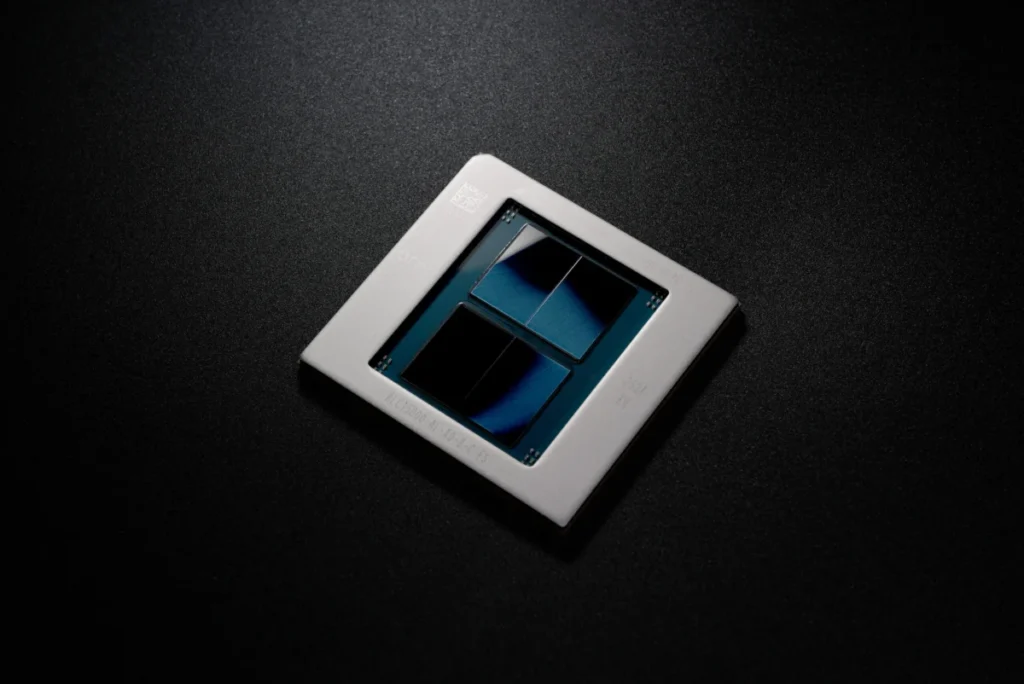
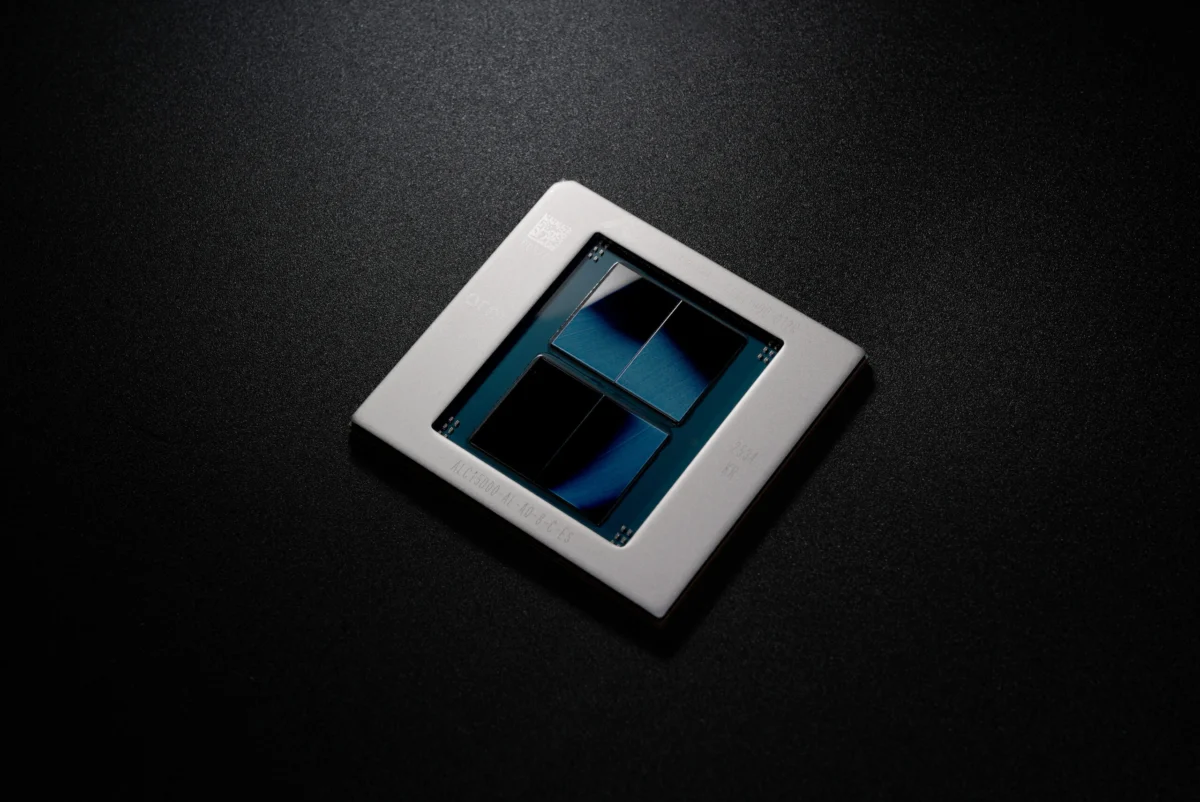
The cloud computing landscape has reached a significant inflection point. Amazon Web Services (AWS) has officially announced the general availability of its M9g and M9gd instances, marking the commercial debut of the Graviton5 processor. Representing the culmination of eight years of proprietary silicon development, this fifth-generation chip is engineered to address the modern era’s most demanding workloads: agentic AI, massive-scale data analytics, and high-performance microservices.
By integrating the latest advancements in PCIe Gen6, DDR5-8800 memory, and the groundbreaking Nitro Isolation Engine, AWS is not merely offering a speed upgrade; it is setting a new technical benchmark for what enterprises can expect from cloud-native infrastructure.
The Chronology of Innovation: Eight Years of Silicon Evolution
To understand the magnitude of the Graviton5 launch, one must look at the trajectory of AWS’s custom silicon strategy. Since the inception of the Graviton project, AWS has moved with a rhythmic, predictable cadence of innovation, consistently outpacing general-purpose commodity hardware.
- 2018: AWS introduces the original Graviton processor, signaling the company’s intent to bring Arm-based architecture into the data center.
- 2019-2023: The rapid iteration of Graviton2, 3, and 4 solidified the architecture’s reputation for superior price-performance, leading to widespread adoption across thousands of customers.
- December 2025: At re:Invent 2025, AWS officially previews the M9g instances, giving early adopters a glimpse into the performance capabilities of the fifth-generation architecture.
- June 2026: The official general availability of M9g and M9gd instances marks the end of the preview phase, transitioning the platform into production-ready status for global enterprise workloads.
Throughout this timeline, the focus has shifted from simple "arm-conversion" to architectural dominance. The Graviton family now powers over 350 distinct instance types, serving an ecosystem of more than 120,000 customers.
Technical Specifications and Performance Benchmarks
The Graviton5 is, by all metrics, the most powerful and energy-efficient processor ever deployed by AWS. With 192 cores and a 5x increase in L3 cache compared to its predecessor, the architecture is designed to eliminate the bottlenecks that plague compute-intensive applications.
Key Architectural Gains
The transition from Graviton4 to Graviton5 yields significant performance jumps:
- Compute Performance: Up to 25% improvement across the board.
- Web Application Throughput: Up to 35% faster performance.
- ML Inference: 35% faster execution, critical for real-time AI agents.
- Database Operations: Up to 30% performance gains.
The inclusion of DDR5-8800 memory provides the highest bandwidth currently available in the cloud, while the support for PCIe Gen6 ensures that data movement between storage, network, and compute units is no longer a limiting factor.

The Role of M9gd Instances
While the M9g series targets standard compute-heavy tasks, the M9gd instances provide a vital alternative for workloads requiring high-speed, low-latency local storage. By incorporating up to 11.4 TB of NVMe SSD storage, the M9gd offers a 30% increase in IOPS over the M8gd generation. This makes them the ideal choice for applications involving heavy log processing, media encoding, or temporary "scratch" file management where local data access speed is paramount.
The AI Shift: Powering the Age of Agents
Perhaps the most significant driver behind the design of Graviton5 is the paradigm shift in Artificial Intelligence. We are moving beyond simple Large Language Models (LLMs) that respond to prompts; we are entering the era of "Agentic AI"—systems capable of taking actions, running code, and orchestrating multi-step workflows.
These tasks are notoriously CPU-intensive. Unlike static model inference, agentic workflows require constant logical reasoning, context switching, and tool execution. Graviton5’s 192 cores and reduced inter-core latency (down by 33%) allow these agents to process instructions at a velocity previously unattainable on standard cloud silicon.
Meta, a titan in the AI space, has already committed to deploying Graviton at a massive scale. By utilizing tens of millions of cores, Meta is leveraging the Graviton5’s density to manage complex agentic AI tasks, proving that custom silicon is the backbone of the next generation of generative AI.
Security: Introducing the Nitro Isolation Engine
Innovation in performance is hollow without a foundation of ironclad security. With the M9g and M9gd, AWS has introduced the Nitro Isolation Engine, a technological leap that standardizes "mathematically proven" security.
The Nitro System has long been the gold standard for cloud hypervisors, but the Isolation Engine takes this further by employing formal verification. This technique uses mathematical proofs to verify that the hardware and software behave exactly as intended, eliminating the possibility of logic errors or vulnerabilities in the isolation boundary. By mediating all access to VM memory and CPU registers through a minimal, verified API set, AWS provides a level of multi-tenant security that is arguably the most rigorous in the industry.
Industry Impact and Case Studies
The real-world validation of Graviton5 has been nothing short of transformative for early testers.

- ClickHouse: The high-performance database provider reported a 36% performance boost over M8g instances with zero code changes, demonstrating that the architectural improvements in Graviton5 are transparently beneficial to legacy codebases.
- Honeycomb: Through a grueling six-month A/B test of production observability workloads, Honeycomb achieved a 36% improvement in throughput per core, highlighting the stability and efficiency of the new hardware.
- HubSpot: By deploying M9g for their MySQL databases, HubSpot saw a dramatic 60% reduction in query duration, a testament to the chip’s optimized memory bandwidth and cache architecture.
These results underscore a crucial point: Graviton5 is not just for greenfield projects. It is a drop-in replacement that allows enterprises to slash costs and improve performance without requiring significant engineering overhead.
Implications for the Future of Cloud Infrastructure
The widespread adoption of Graviton5 signals a broader trend in the tech industry: the end of the "one-size-fits-all" processor era. As cloud workloads become more specialized, the ability of cloud service providers to vertically integrate their hardware and software becomes a critical competitive advantage.
Economic and Sustainability Implications
Beyond raw speed, the energy efficiency of Graviton5 is a key selling point for enterprises with strict ESG (Environmental, Social, and Governance) targets. By achieving more compute per watt, AWS is helping companies lower their carbon footprint while simultaneously reducing their AWS bill. With tools like the Graviton Savings Dashboard and the AWS Transform service—which automates the migration of Java applications to Graviton—the barrier to entry for adopting this hardware has been lowered to nearly zero.
The Competitive Landscape
While other cloud providers are scrambling to develop their own Arm-based silicon, the sheer scale of the AWS ecosystem remains unmatched. With five generations of R&D, a proven track record of security, and a deep integration with managed services, AWS has created a "moat" that is becoming increasingly difficult for competitors to cross.
Conclusion
The launch of the M9g and M9gd instances powered by Graviton5 is more than a product update; it is a declaration of the future direction of cloud computing. By focusing on core density, massive cache structures, and mathematically verified security, AWS is ensuring that the infrastructure of the internet is prepared for the high-intensity demands of the AI-driven future.
As businesses continue to navigate the complexities of digital transformation, the Graviton5 provides a clear path forward: faster, safer, and more efficient. Whether you are running a startup’s microservices or managing the massive compute demands of an agentic AI engine, the fifth generation of Graviton processors is set to be the engine of innovation for years to come.