The Definitive Guide to Functional Testing: Strategies, Techniques, and Automation
In the modern software development lifecycle (SDLC), the ability to deliver robust, high-quality applications is no longer a luxury—it is a baseline requirement. As software complexity grows, so does the risk of functional failure. Functional testing stands as the bedrock of quality assurance, ensuring that an application behaves precisely as intended. This comprehensive guide explores the mechanisms, methodologies, and strategic considerations required to master functional testing in an era of rapid deployment.
Understanding the Core of Functional Testing
At its most fundamental level, functional testing is a form of black-box testing. It operates on the premise that the internal architecture of the system is less critical than the output it produces in response to specific inputs. By verifying each function of an application against the defined requirement specifications, testers confirm that the system meets the user’s needs and business objectives.
While non-functional testing—such as performance, security, and usability—examines how a system behaves under stress or specific conditions, functional testing focuses exclusively on what the system does. It answers the question: "Does this feature work according to the design document?"
The Hierarchy of Functional Testing Types
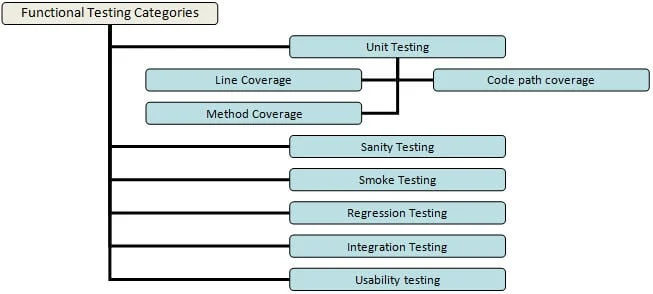
Functional testing is not a monolith; it comprises several distinct layers, each serving a specific phase in the development process:

1. Unit Testing
Usually performed by developers, unit testing validates the smallest testable parts of an application—typically individual methods or functions. By passing parameters and verifying return values, developers ensure that the building blocks of the software are sound. Key metrics here include line, code path, and method coverage.
2. Smoke and Sanity Testing
- Smoke Testing: Often referred to as "build verification testing," this is the first line of defense. Performed after a new build is released, it confirms that the most critical, high-level functionalities are operational. If a smoke test fails, the build is deemed unstable and rejected.
- Sanity Testing: Once a build passes the smoke test, sanity testing is conducted to verify the specific functional changes or bug fixes introduced in the current version.
3. Integration Testing
Software is rarely built in isolation. Integration testing focuses on the interaction between modules. Even if individual units function perfectly, they may fail when linked. This testing validates the "handshake" between components, ensuring data flows seamlessly across the system.
4. Regression Testing
As new code is added, the risk of breaking existing features grows. Regression testing is the process of re-executing functional tests to ensure that recent updates or patches have not introduced unintended side effects.
5. System and End-to-End (E2E) Testing
System testing evaluates the application as a complete, integrated entity. End-to-end testing goes further, simulating real-world user scenarios from start to finish—such as logging in, performing a transaction, and logging out—to ensure the entire workflow remains intact.

The Functional Testing Process: A Strategic Framework
Effective functional testing follows a structured lifecycle to minimize "defect escape"—the phenomenon where bugs reach production.
Entry and Exit Criteria
Before testing begins, specific entry criteria must be met, such as the completion of the build, the availability of a stable test environment, and the documentation of test requirements. Exit criteria, conversely, define when testing is complete—typically when all test cases are executed, critical bugs are resolved, and the system meets the established success threshold.
The Anatomy of a Test Case
A well-structured test case serves as the blueprint for validation. It typically contains:
- Test Case ID: A unique identifier.
- Description: The objective of the test.
- Pre-conditions: The state the system must be in before the test starts.
- Test Steps and Expected Results: A clear, reproducible path from input to outcome.
Practical Application: The HRMS Example
Consider an online Human Resource Management System (HRMS). The login module acts as the gatekeeper.

- Specifications: A username must be 6–10 characters, starting with a letter or number. A password must be 6–8 characters.
- Positive Testing: Validating that a user with a correct 6-character ID and valid password gains access. This is the "happy path."
- Negative Testing: Attempting to log in with 5 characters or special characters at the start. This ensures the system handles invalid input gracefully rather than crashing or providing unauthorized access.
Advancing Through Automation
As projects scale, manual testing becomes a bottleneck. Automation is essential for efficiency, consistency, and repeatability, but it is not a panacea.
Selecting the Right Tools
The market is saturated with tools like Selenium, UFT, Ranorex, and Sahi. The choice should be driven by the technical stack of the application, the team’s expertise, and the cost of ownership. For instance, if an application is heavy on cross-browser requirements, Selenium may be the standard choice.
Best Practices for Automation
- Don’t Automate Everything: Focus on stable, high-value, and repetitive test cases. Do not automate complex, one-off edge cases that require heavy configuration.
- Dedicated Teams: Avoid the "everyone does everything" approach. Assign dedicated members to maintain the automation framework to ensure high code quality and script stability.
- Data-Driven Design: Decouple test data from test scripts. By reading data from XML, JSON, or databases, you make your automation framework modular and reusable.
- UI Robustness: UI changes are the primary cause of script failure. Use stable element locators to ensure that a slight shift in a web page layout does not break your entire suite.
The Intersection of Functional and Non-Functional Testing
While functional testing confirms the "what," non-functional testing—which includes performance, scalability, and security—confirms the "how." A system that functions perfectly but takes 30 seconds to load a page is effectively broken in the eyes of the user. Therefore, organizations must treat functional and non-functional testing as two halves of a whole.
Simultaneous testing is highly recommended. By integrating performance monitoring into the functional testing cycle, teams can identify bottlenecks before they reach the production environment.

Implications for Modern Organizations
The shift toward Agile and DevOps has fundamentally changed the role of functional testing. It is no longer an end-of-lifecycle phase; it is an integrated, continuous process. "Shift-left" testing—moving testing activities earlier into the development process—is the current industry standard. By testing early and often, organizations reduce the cost of fixing defects and accelerate time-to-market.
Conclusion: The Path Forward
Functional testing remains the heartbeat of software quality. It provides the assurance that the software serves its purpose and adds value to the end-user. While automation, cloud-based test environments, and AI-driven testing continue to evolve the landscape, the core principles remain unchanged: deep understanding of requirements, meticulous test design, and an unwavering commitment to quality.
For the modern tester, the challenge lies in balancing manual rigor with automated efficiency. By adopting a strategic approach to test coverage and choosing the right tools for the right tasks, teams can ensure their products are not just functional, but exceptional.
References & Further Learning:
- For those interested in the evolution of testing, we recommend reviewing the differences between Unit, Integration, and Functional testing methodologies.
- Explore tools like Ranorex Studio or UFT for advanced automation capabilities.
- Stay updated with industry trends by visiting resources dedicated to software testing methodologies.