Meta Unveils "Content Seal": A New Frontier in AI Transparency and Detection
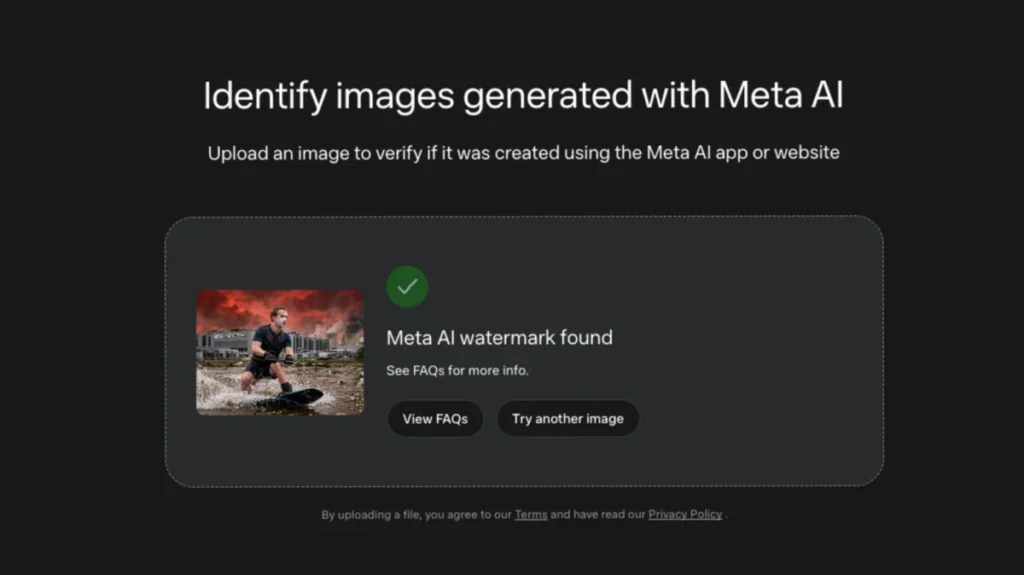
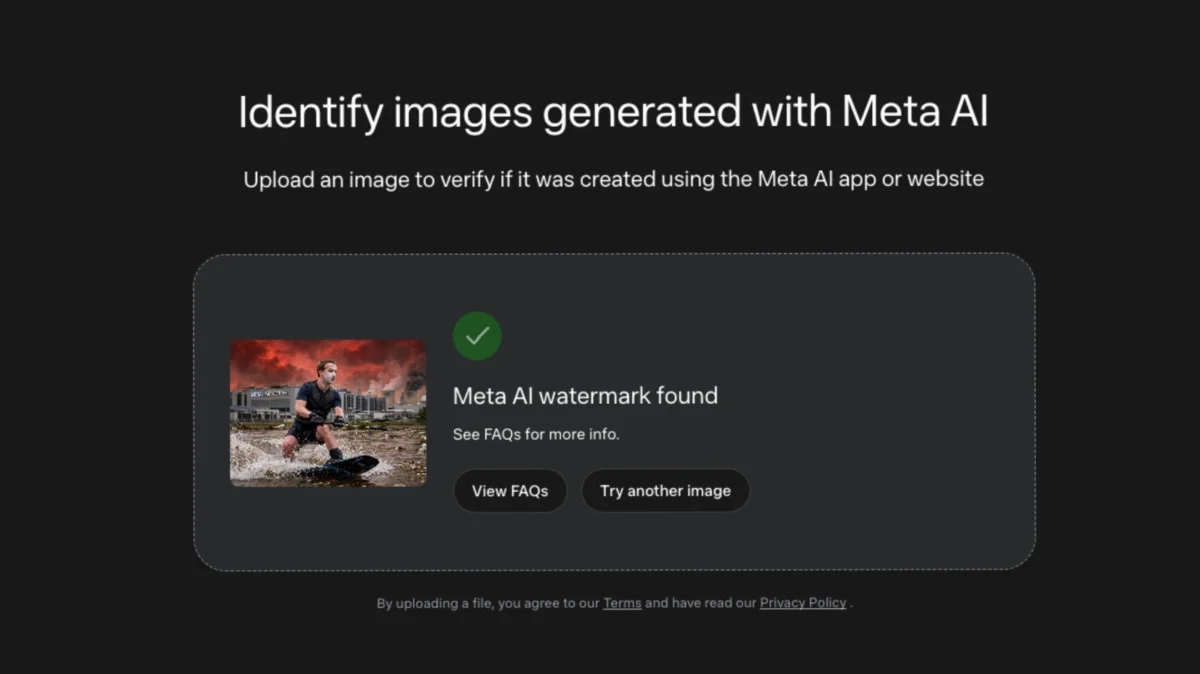
In an era where the boundary between human-captured reality and synthetic generation is increasingly blurred, Meta has taken a significant step toward digital provenance. The tech giant recently unveiled a web-based detection tool designed to identify images and videos generated or modified by its latest artificial intelligence model, Muse Image. By utilizing an invisible, persistent watermarking technology dubbed "Content Seal," Meta aims to provide users with a mechanism to verify the origins of the visual content they encounter online.
However, as the company rolls out this sophisticated identification framework, the initiative faces scrutiny regarding its limitations, compatibility with industry standards, and the overall consistency of Meta’s approach to AI labeling.
The Genesis of Content Seal
The introduction of the Content Seal system marks a strategic shift in how Meta manages the output of its generative AI tools. Unlike previous iterations of Meta AI, which often relied on overt, visual cues—such as a small logo embedded in the bottom-right corner of an image—the new system prioritizes invisible integration.
Content Seal is engineered to be resilient. According to Meta’s internal documentation, the watermark persists even when the underlying media undergoes common digital manipulations, including cropping, heavy compression, resizing, or simple screen capturing. This durability is crucial; malicious actors frequently attempt to strip metadata or alter files to hide their synthetic nature. By embedding the "seal" directly into the pixel data, Meta hopes to maintain a verifiable link between the generated output and its source.
Chronology: From Criticism to Implementation
The development of this tool did not occur in a vacuum. For years, Meta has faced mounting pressure from regulators, the public, and its own Oversight Board to clarify the provenance of AI-generated content.
- Early 2024: The Meta Oversight Board issued a stern critique, expressing "concern" regarding the company’s inconsistent implementation of digital watermarks. The Board argued that the lack of clear, uniform labeling policies undermined user trust and allowed for the unchecked spread of AI-manipulated misinformation.
- Mid-2024: Meta accelerated its research into generative models, specifically the "Muse" series (Muse Image and the upcoming Muse Video). Recognizing that high-quality generative models pose risks regarding deepfakes and misinformation, engineers began integrating the Content Seal architecture into these models.
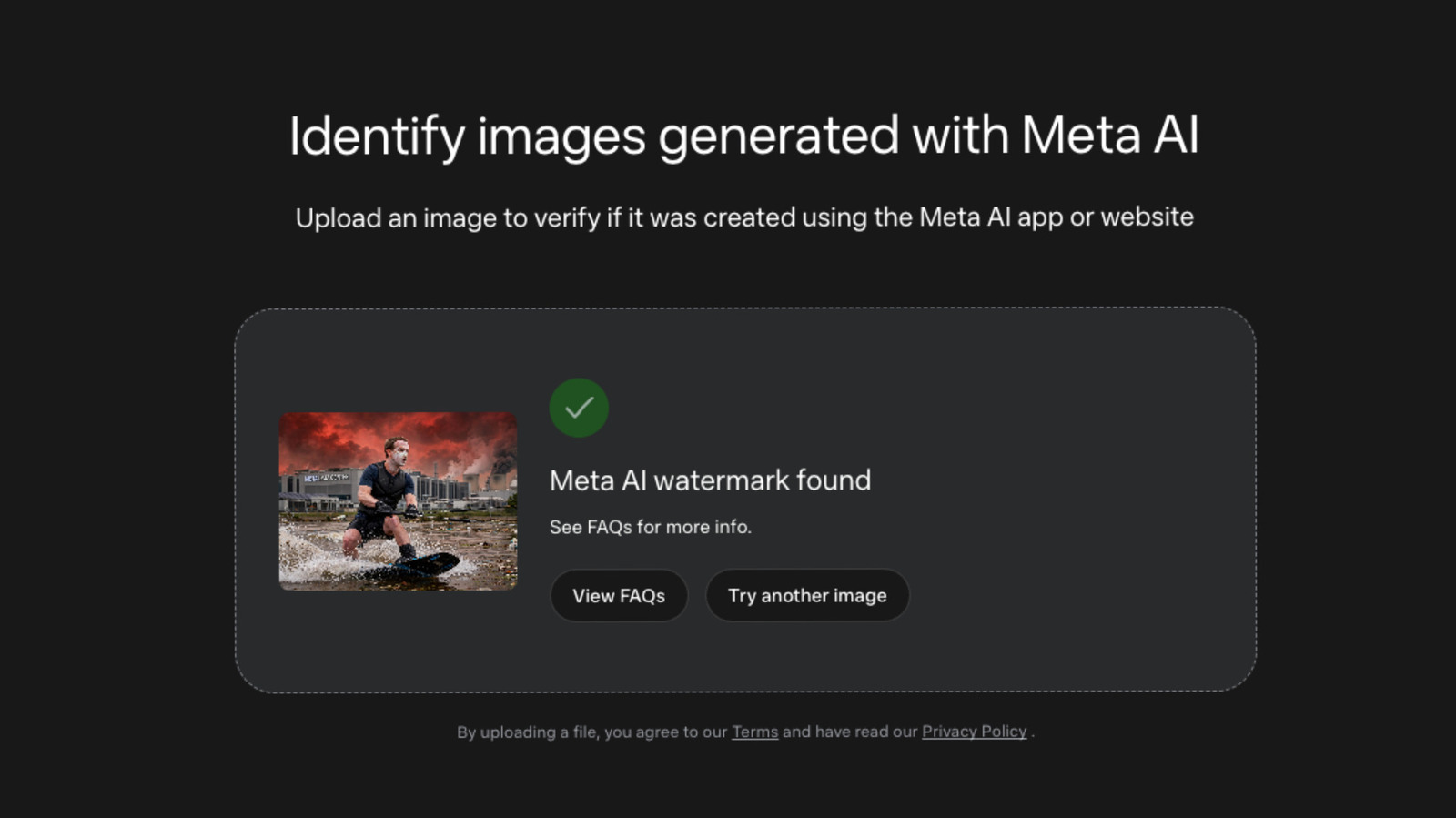
- Current Development: The company released a preview of its web-based detection portal. This allows users to upload images to verify if they bear the Content Seal signature, marking the first time the public has been granted direct access to Meta’s proprietary detection logic.
Supporting Data and Technical Limitations
Despite the technical ingenuity of Content Seal, initial testing reveals significant hurdles. When researchers and early adopters put the tool to the test, several constraints became apparent.
The "Rate Limit" Barrier
One of the most immediate points of friction is the existence of arbitrary usage caps. During testing, users reported that the tool abruptly stopped functioning after a modest number of uploads, displaying a notification that the user had reached their "daily limit on identification checks." This restriction raises questions about Meta’s infrastructure capacity and the intended scale of the tool’s public utility.
Interoperability Gaps
Perhaps more concerning for the broader AI safety ecosystem is the lack of compatibility with established industry standards. The current iteration of Content Seal does not recognize or interact with:
- SynthID: Developed by Google DeepMind, this is currently one of the most widely used invisible watermarking systems.
- C2PA (Coalition for Content Provenance and Authenticity): An open technical standard that provides a way to verify the history and provenance of digital media.
Because Content Seal operates as a proprietary "walled garden," it cannot identify images generated by competing models or even, in many cases, images generated by Meta’s own legacy AI tools. In testing, the tool failed to identify images created with older versions of Meta AI, suggesting that the "seal" is specific only to the most recent Muse-based architecture.
Official Responses and Internal Inconsistency
A peculiar dichotomy exists within Meta’s current AI ecosystem. While the web-based tool is capable of identifying Content Seal-protected imagery, the primary Meta AI application—the very place where most users interact with the technology—remains disconnected.
When questioned about specific images identified by the web tool as AI-generated, the Meta AI chatbot within the app often provides a contradictory response. "I can’t tell you definitively if this specific image was made with Meta AI just by looking at it," the assistant stated. "Meta AI doesn’t automatically watermark images, and I don’t have a tool that can detect which AI model made an existing image."
This internal disconnect highlights a fragmented rollout. While the technology for detection exists, it has not yet been integrated into the user-facing interfaces where it would be most effective at preventing the spread of misinformation.
Implications for the Digital Landscape
The implications of Meta’s move are twofold: it represents a victory for transparency in synthetic media, but it also underscores the growing "arms race" between generative AI and detection technology.
The Trust Dilemma
As AI becomes more ubiquitous, the ability to verify content is becoming a cornerstone of digital literacy. If a user receives an image that does not return a positive result from the Meta tool, they may mistakenly assume the image is "authentic" or "human-made," even if it was created by a different AI model like Midjourney or Stable Diffusion. This creates a false sense of security that could be exploited.
The Future of Verification
Meta’s commitment to expanding Content Seal to its upcoming "Muse Video" model suggests that the company understands the gravity of the deepfake threat. However, the lack of support for C2PA or other universal standards remains a missed opportunity for collective industry action. Without a unified, interoperable watermark, the internet remains a patchwork of competing proprietary systems, making it difficult for platforms and users to form a cohesive defense against sophisticated synthetic media.
Regulatory and Ethical Considerations
The pressure from the Oversight Board suggests that Meta will continue to be held to a higher standard regarding its AI outputs. The company is now in a position where it must balance its proprietary interests with the public good. If the Content Seal remains a closed system, it may face further regulatory scrutiny for failing to contribute to a broader, cross-platform provenance standard.
Conclusion: A Work in Progress
Meta’s new detection tool is a promising, albeit incomplete, step forward. The technology behind Content Seal is undeniably robust, capable of surviving significant image degradation. However, the tool is currently hampered by artificial usage limits, a lack of cross-model interoperability, and a frustrating lack of integration with Meta’s own primary AI app.
For Meta to truly address the challenges of AI-generated content, it must move beyond siloed detection methods and toward a more collaborative, industry-wide framework. Until then, the Content Seal will remain a useful utility for checking one’s own creations, but it will fall short of being the comprehensive verification tool that a global, AI-saturated digital ecosystem desperately requires. As Meta continues to iterate on the Muse series, the tech community will be watching closely to see if these early limitations are addressed or if they become permanent features of the company’s approach to digital transparency.