Waymo Accelerates Expansion: Driverless Robotaxis Set to Conquer Four New Major Markets
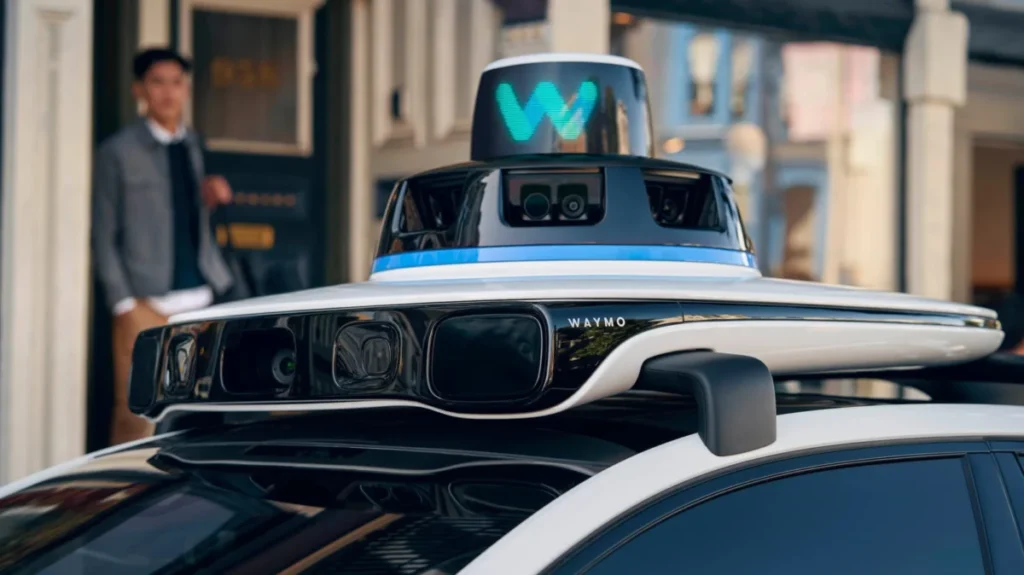
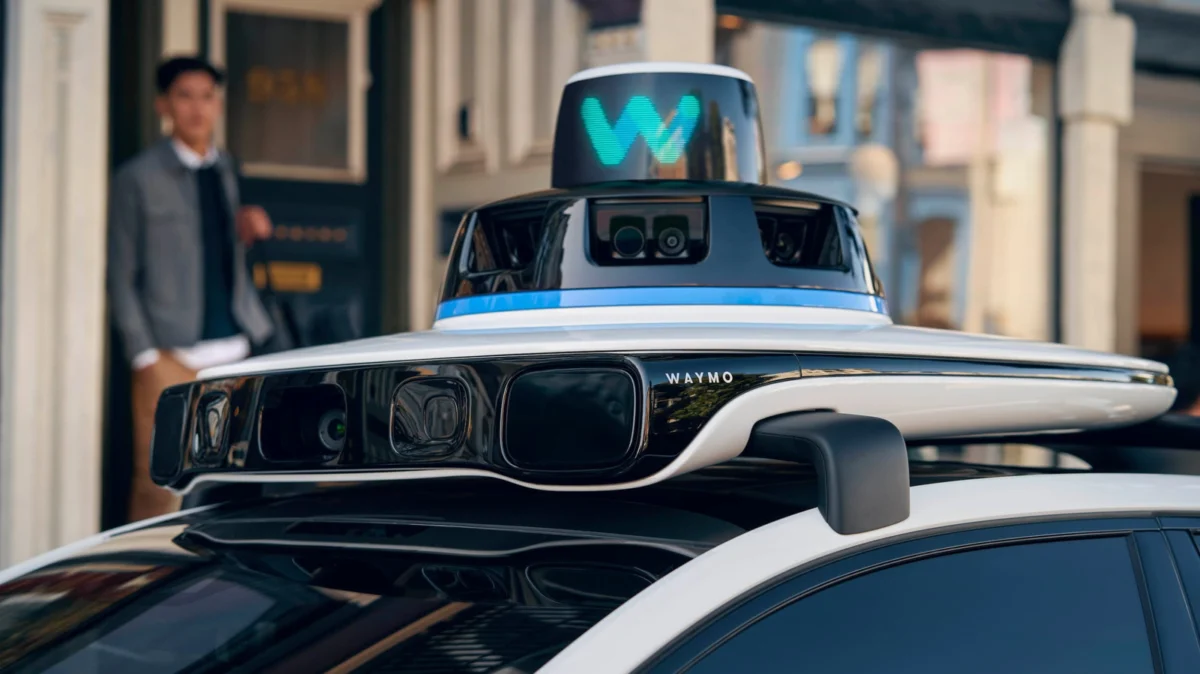
Alphabet-owned Waymo is doubling down on its aggressive expansion strategy, announcing that it will soon transition to fully autonomous operations—removing human safety drivers entirely—in San Diego, Las Vegas, Tampa, and Denver. This milestone represents a significant leap forward for the company’s mission to normalize driverless transport, signaling that the era of the robotaxi is transitioning from a high-tech experiment to a mainstream urban utility.
The Evolution of the Robotaxi: Key Facts
The transition to "fully autonomous" status is a critical threshold in the industry. For months, Waymo has operated in these four cities with human supervisors behind the wheel to monitor systems and intervene if necessary. By removing these safety drivers, Waymo is signaling that its software stack and sensor arrays have reached a level of reliability that satisfies both internal safety benchmarks and local regulatory requirements.
- Geographic Scope: The expansion covers diverse urban environments, ranging from the dense, traffic-heavy streets of San Diego to the unique tourist-centric transit needs of Las Vegas and the sprawling suburban corridors of Tampa and Denver.
- Phased Rollout: Initially, these fully driverless vehicles will be restricted to Waymo employees. This "dogfooding" phase allows the company to stress-test the systems in real-world conditions without the volatility of the general public, ensuring that edge cases—such as complex construction zones or erratic pedestrian behavior—are managed with precision.
- The Path to Public Access: Waymo has confirmed that following the employee-only trial, the service will be opened to the general public, effectively scaling their commercial footprint to over 10 major U.S. metropolitan areas.
A Chronology of Autonomous Growth
Waymo’s path to this announcement has been marked by a decade of steady, iterative testing. The company, which originated as the Google Self-Driving Car Project in 2009, has shifted from testing in controlled environments to navigating the most complex urban centers in the world.
The Early Years (2009–2016)
The project began with the famous "Firefly" prototype, a cute, steering-wheel-less pod that tested the limits of sensor fusion. During this era, the focus was purely on technical validation—proving that a car could detect a stop sign or a cyclist consistently.
The Commercial Breakthrough (2017–2022)
In 2017, Waymo launched the world’s first fully driverless public ride-hailing service in the Phoenix suburbs. This period served as the proving ground for the "Waymo Driver," the company’s proprietary AI platform. By 2020, they began removing human drivers from vehicles in Phoenix, setting the blueprint for the current expansion.
The Rapid Scaling Phase (2023–Present)
The last 18 months have seen an unprecedented acceleration. Waymo successfully launched in San Francisco, Los Angeles, and Austin, followed by entries into Dallas, Houston, Orlando, and San Antonio. The current announcement of San Diego, Las Vegas, Tampa, and Denver marks the transition from "regional pioneer" to "national competitor."
Supporting Data: Why Now?
The expansion is driven by a combination of technological maturity and shifting economic incentives.
- Safety Metrics: Waymo consistently publishes data comparing its collision rates to human drivers. By demonstrating a statistically significant reduction in injury-causing accidents compared to human-driven vehicles, the company has successfully lobbied local governments that were initially skeptical of autonomous technology.
- Operational Efficiency: Managing a fleet with human supervisors is prohibitively expensive. The transition to fully driverless operations is the "holy grail" of the robotaxi business model, as it drastically reduces the cost per mile, allowing the company to compete directly with Uber, Lyft, and even personal car ownership.
- The "London" Factor: Beyond the U.S., Waymo is testing in London. While the terrain is vastly different—narrower streets, different traffic laws, and a more dense urban core—the international expansion indicates that the Waymo Driver is becoming geographically agnostic.
Official Responses and Corporate Strategy
In recent communications, Waymo executives have emphasized that their goal is not just to replace taxi services, but to provide a safer alternative to the "impaired, distracted, and tired" human driver.
However, the expansion has not been without friction. In London, for example, reports emerged that residents in a quiet cul-de-sac were frustrated by the autonomous vehicles repeatedly waking them up as they performed U-turns at night. This highlights a critical tension: while the technology may be "safer" in terms of crash prevention, it is still learning the nuances of social etiquette in residential neighborhoods.
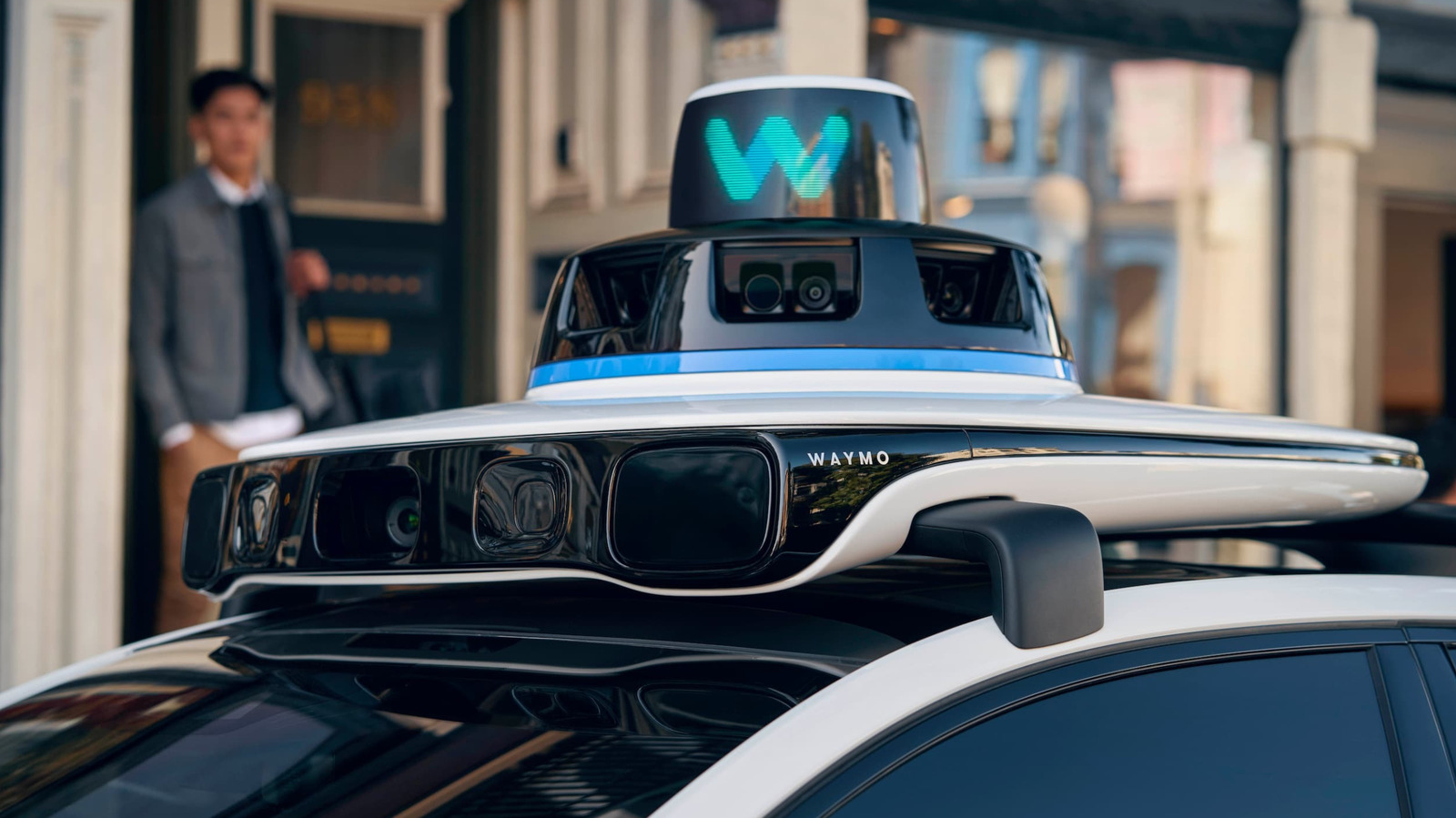
Furthermore, the industry landscape is shifting. The recent split between Waymo and Uber in Phoenix—where users can no longer hail a Waymo via the Uber app—signals that Waymo is confident enough in its brand identity to move away from third-party aggregators. Uber, meanwhile, is pivoting back to its own autonomous development, partnering with companies like Lucid and Nuro. This creates a fascinating "arms race" scenario, where the competition is no longer just between cars, but between the AI platforms running them.
Implications for the Future of Urban Transit
The move into San Diego, Las Vegas, Tampa, and Denver carries profound implications for the future of city planning and personal transport.
1. The Death of the "Last Mile" Problem
In cities like Denver, where public transit infrastructure often stops short of residential front doors, the robotaxi fills the "last mile" gap. By providing an affordable, on-demand connection to light rail and bus hubs, Waymo is effectively extending the reach of public transit systems.
2. Regulatory Hurdles and Public Trust
The expansion will inevitably trigger debates regarding liability and traffic congestion. As these fleets grow, municipal governments are being forced to create new categories of traffic laws. How do you issue a ticket to a car without a driver? How do you prioritize autonomous vehicle lanes without upsetting public transit unions? These questions remain at the forefront of local politics.
3. Economic Disruption
The scaling of Waymo and its competitors poses a direct challenge to the ride-hailing gig economy. As the cost of a robotaxi ride potentially drops below the cost of maintaining a private vehicle, we may see a decline in car ownership rates in these cities. While this promises to reduce the total number of vehicles on the road, it threatens the livelihoods of millions of ride-share drivers who rely on the current model.
4. The Data Advantage
Every mile driven by a Waymo vehicle is a data point added to the "Waymo Driver." By expanding into four new, geographically and climatically diverse cities, Waymo is gathering critical training data on how to handle snow in Denver, heavy tourist pedestrian traffic in Las Vegas, and complex coastal topography in San Diego. This creates a "moat" that is becoming increasingly difficult for smaller, less-funded competitors to cross.
Conclusion: A New Horizon
As Waymo prepares to remove human supervisors in its four newest markets, the company is moving past the "novelty" phase of autonomous driving. We are witnessing the birth of a new utility—one that operates 24/7, ignores fatigue, and learns from every error it encounters.
While the challenges—regulatory, social, and technical—remain significant, the momentum is undeniable. With more than 10 cities now under its belt and an international test-bed in London, Waymo is no longer just testing a product; it is defining the infrastructure of the 21st-century city. The question is no longer whether autonomous vehicles will become a part of our daily lives, but how quickly we can adapt our cities to accommodate them.