The End of Interruption: DuckDuckGo Challenges YouTube’s Ad Dominance
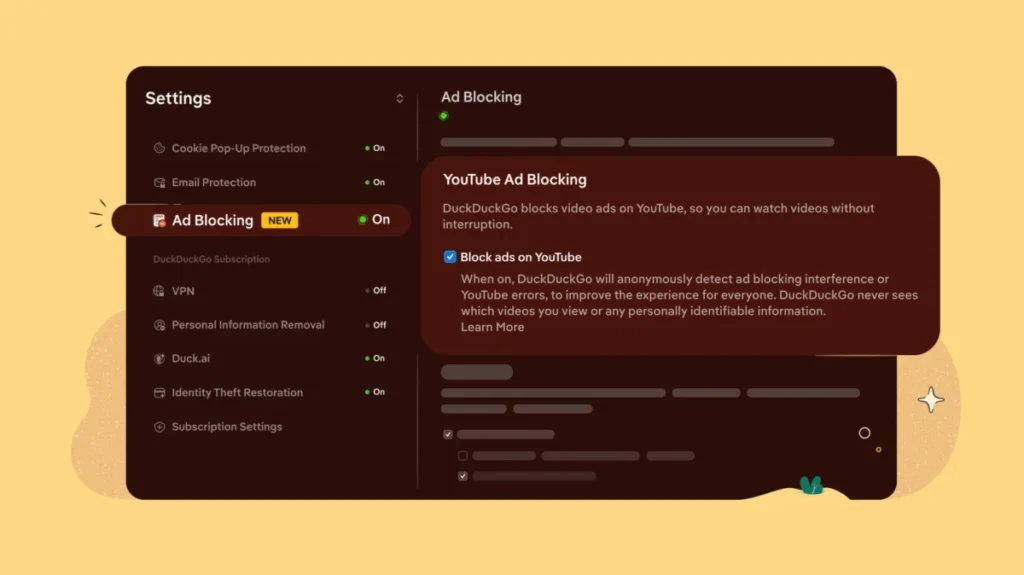
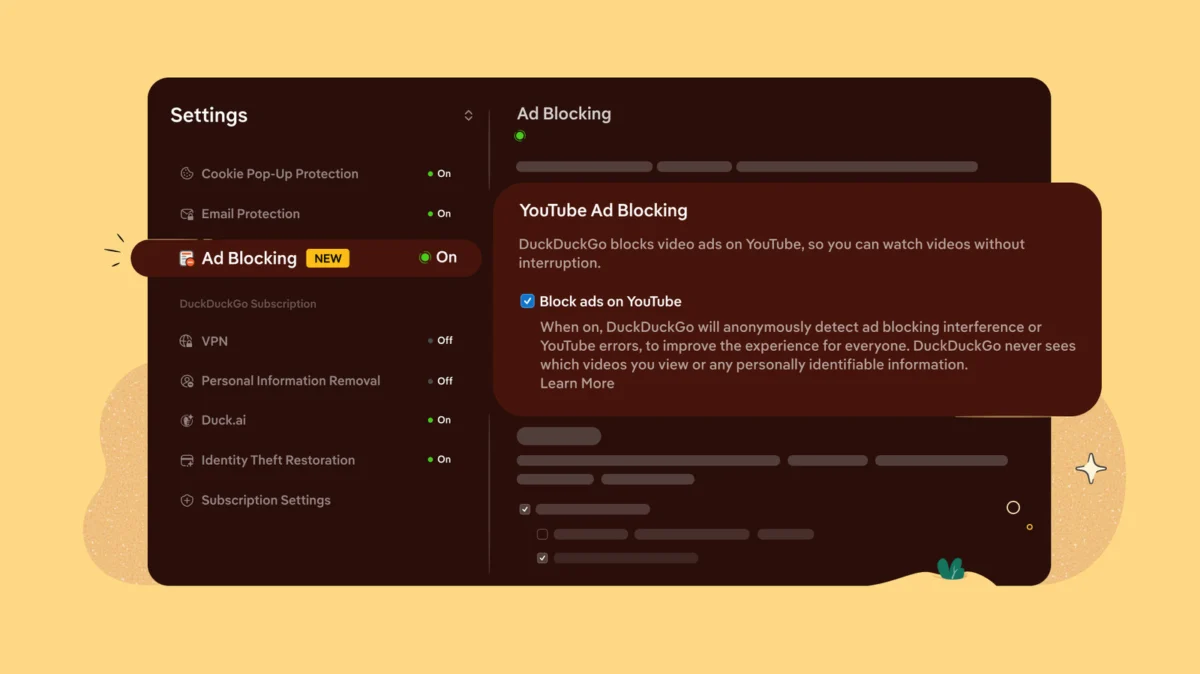
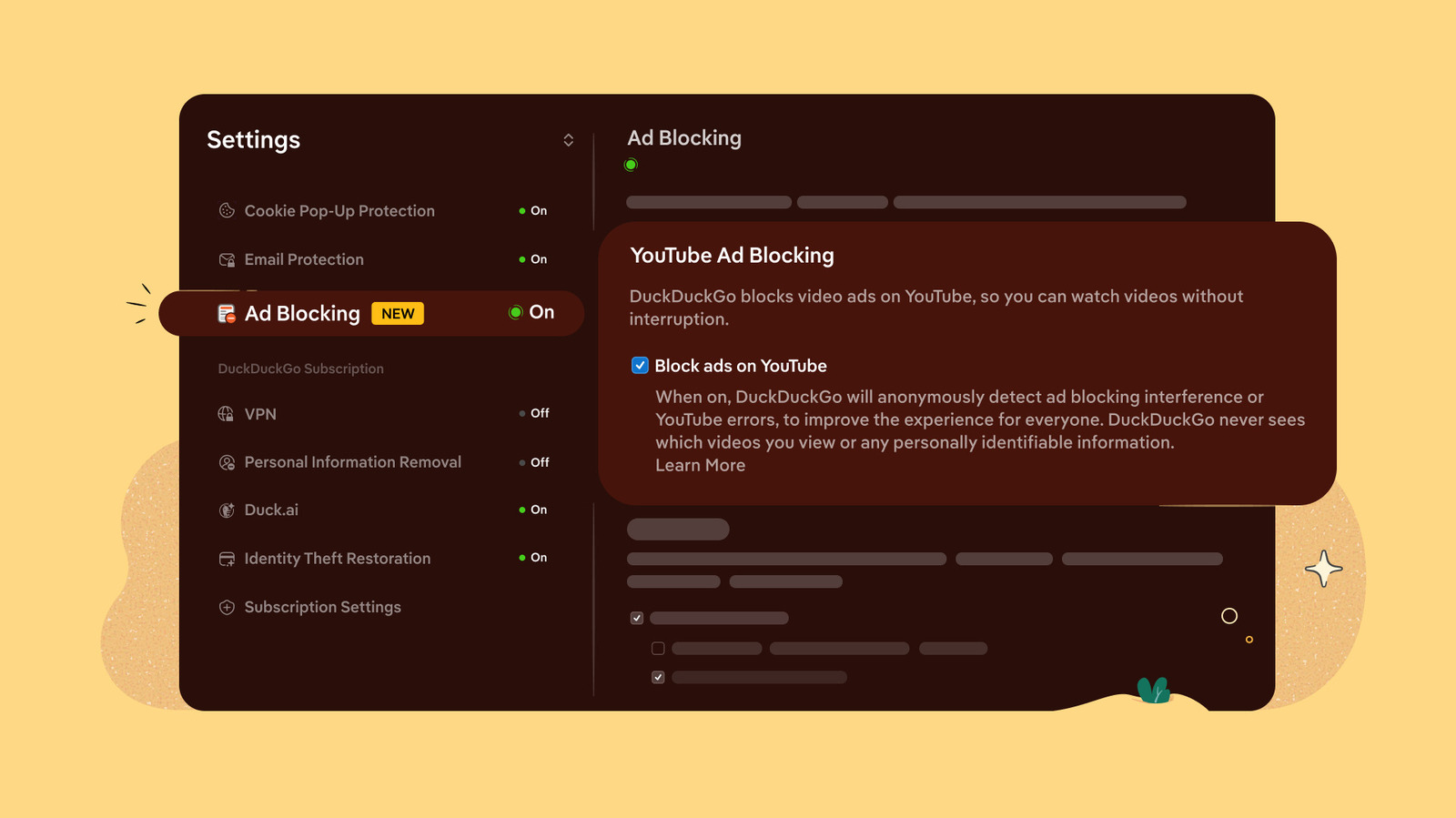
In an era defined by aggressive digital advertising and the relentless pursuit of user data, DuckDuckGo has fired a significant shot across the bow of the internet’s most prominent video platform. The privacy-centric browser developer has announced a transformative update: its proprietary browser can now block the vast majority of video advertisements, including those served on YouTube.
This move represents more than just a convenience feature; it marks a strategic escalation in the browser wars, positioning DuckDuckGo as a primary alternative for users who are increasingly exhausted by the intrusive nature of modern digital advertising. By integrating ad-blocking technology directly into the browser experience, the company is effectively decoupling the consumption of video content from the traditional, ad-supported revenue models that have dominated the web for two decades.
The Core Mechanics: How It Works
At the heart of this new functionality is a sophisticated filtering engine. DuckDuckGo has not built this system from scratch, but has instead leaned into the strength of the open-source community. The core detection and blocking logic for YouTube ads are powered by filter lists maintained by the contributors behind uBlock Origin, the industry-standard ad-blocking extension.
However, DuckDuckGo has supplemented these community-sourced lists with its own proprietary rules. This hybrid approach aims to ensure that the ad-blocking experience is not only effective but also stable within the unique environment of the DuckDuckGo browser.
A Note on Performance
The company has been transparent about the technical compromises involved. Because the browser is effectively intercepting and stripping out ad requests in real-time, users may experience longer buffering times compared to a native, ad-supported experience. Furthermore, because YouTube—and parent company Google—constantly iterates on its ad-delivery infrastructure, users should expect occasional "hiccups" where ads may bypass the filter as the browser’s rules catch up to server-side changes.
A Chronology of the Privacy Pivot
The road to this announcement was paved by years of mounting user frustration and an evolving technological landscape.
- 2008 – 2015: The "Golden Age" of browser-based ad blocking. Extension-based blockers rose to prominence as users sought to mitigate the rise of autoplay video ads and tracking pixels.
- 2018: DuckDuckGo moves beyond being a mere search engine, launching its mobile browser with a focus on "Privacy Essentials," setting the stage for deep integration of blocking tools.
- 2022: As Google intensifies its push toward Manifest V3—a set of browser standards that critics argue limits the effectiveness of traditional ad blockers—DuckDuckGo doubles down on its stance that privacy and ad-blocking should be foundational, not optional.
- Late 2024: DuckDuckGo begins internal testing of video ad-blocking, recognizing that the "YouTube experience" has become increasingly bloated with multiple unskippable ads.
- The Present: The official rollout across Windows, macOS, iOS, and Android, signaling a permanent shift in the browser’s capabilities.
Supporting Data: The Cost of Free Content
To understand why this development is so disruptive, one must look at the current state of digital advertising. Recent industry reports indicate that the average YouTube user is now subjected to an exponentially higher number of ads per hour of content than they were just five years ago.
- Ad Saturation: Data from consumer sentiment surveys suggest that 72% of internet users find current video ad formats "annoying" or "highly intrusive."
- The "YouTube Premium" Response: Google has countered ad-blocking efforts by aggressively promoting YouTube Premium. As of the latest financial disclosures, YouTube has crossed the 100 million subscriber threshold for its paid service. This highlights a clear market divide: one segment is willing to pay to eliminate ads, while another is seeking technological workarounds to achieve the same result for free.
- The Browser Market Share: While DuckDuckGo remains a boutique player compared to Chrome or Safari, its steady growth in the "privacy-conscious" demographic makes this update a signal to the broader market. If users find that DuckDuckGo offers a cleaner YouTube experience than Chrome, the browser’s user acquisition costs may drop significantly.
Official Responses and Strategic Implications
The industry response has been characterized by a notable silence from Google, though the implications are clear. For Alphabet Inc., YouTube is a primary engine of revenue. Any tool that effectively neutralizes its ad-delivery mechanism is, by definition, an existential threat to its bottom line.
The Chrome Comparison
DuckDuckGo’s announcement was not subtle. By positioning this feature as a default setting, they are directly contrasting their user-first approach with the architecture of Google Chrome. Chrome, which is built by an advertising company, has faced years of scrutiny regarding its "Privacy Sandbox" initiatives. DuckDuckGo is effectively arguing that a browser’s primary duty is to the user, not to the advertisers who subsidize the software.
The "App vs. Browser" Divide
It is critical to note that this functionality is specific to the DuckDuckGo browser. It will not work if users continue to use the standalone YouTube app on their smartphones. This creates a strategic choice for the consumer: stick with the native app for the convenience of the interface, or switch to the DuckDuckGo browser to gain control over the viewing environment.
The Broader Implications for the Web
The decision by DuckDuckGo to integrate video ad-blocking at the browser level raises profound questions about the future of the "Free Web."
1. The Death of the Ad-Supported Model?
If ad-blocking becomes the standard rather than the exception, content creators and platforms like YouTube will be forced to reconsider their monetization strategies. We may see an increase in "paywalled" content, where access to high-quality video is restricted to those who are willing to pay a subscription fee or those who agree to allow non-intrusive, first-party sponsorships.
2. The Technological Arms Race
Google is unlikely to sit idly by. We should anticipate a cat-and-mouse game where YouTube implements increasingly sophisticated server-side ad injection—where the ad is "stitched" into the video stream itself, making it indistinguishable from the content to a browser-based blocker. DuckDuckGo, in turn, will need to commit to a perpetual cycle of software updates to maintain its efficacy.
3. Privacy as a Competitive Moat
For DuckDuckGo, this is the ultimate test of their business model. By offering a "clean" internet experience, they are differentiating themselves in a market where most browsers are just conduits for advertising. This feature reinforces the brand’s identity: The browser that works for you.
4. The Regulatory Angle
While this is a technical feature, it sits within a tense regulatory environment. As the EU and other bodies look closer at "dark patterns" and invasive tracking, DuckDuckGo’s decision to bake ad-blocking into the core product could be viewed as a pro-consumer move that aligns with the spirit of the Digital Markets Act (DMA) and similar legislation.
Conclusion: A New Standard of Browsing
DuckDuckGo’s move to block YouTube ads is a definitive moment in the evolution of the web. It signals that users are no longer content to be passive recipients of advertising. They are demanding control over their digital environment, and they are increasingly turning to tools that prioritize their time and privacy over the commercial interests of large tech conglomerates.
Whether this move triggers a mass migration to the DuckDuckGo browser remains to be seen. However, by effectively "cleansing" the most popular video site on the internet, DuckDuckGo has provided a compelling reason for millions of users to rethink their default browser choice. In the battle for the browser, the winners will be those who can best manage the trade-off between the internet’s need for revenue and the user’s need for an unadulterated experience. For now, DuckDuckGo has placed a massive bet that the latter is where the future lies.