Indie Gaming’s Golden Friday: Inside the itch.io Creator Day Initiative
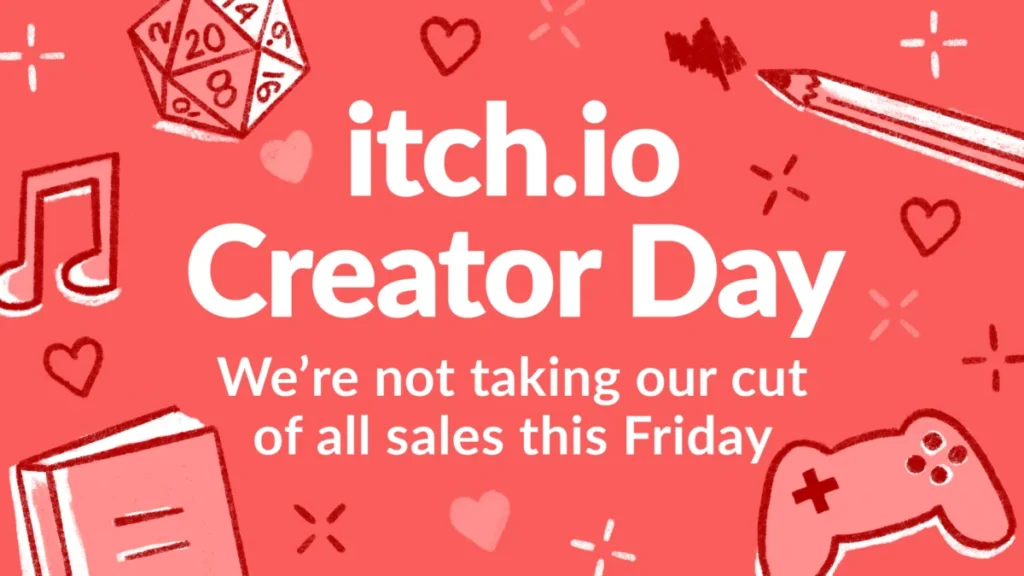
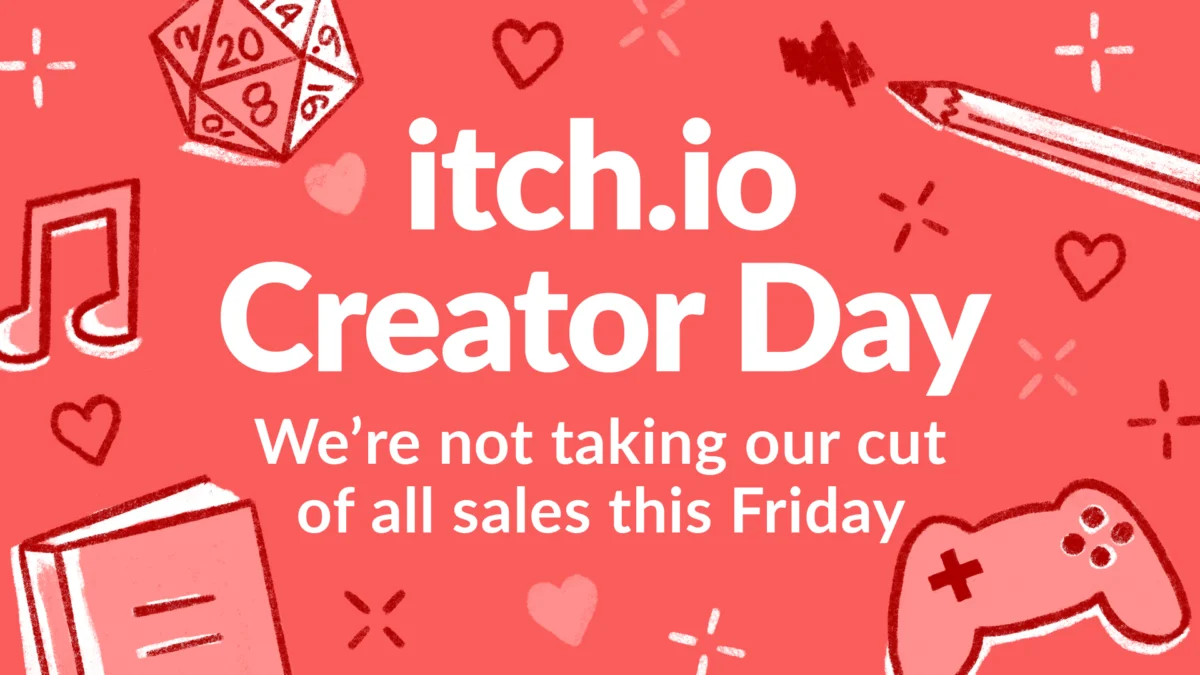
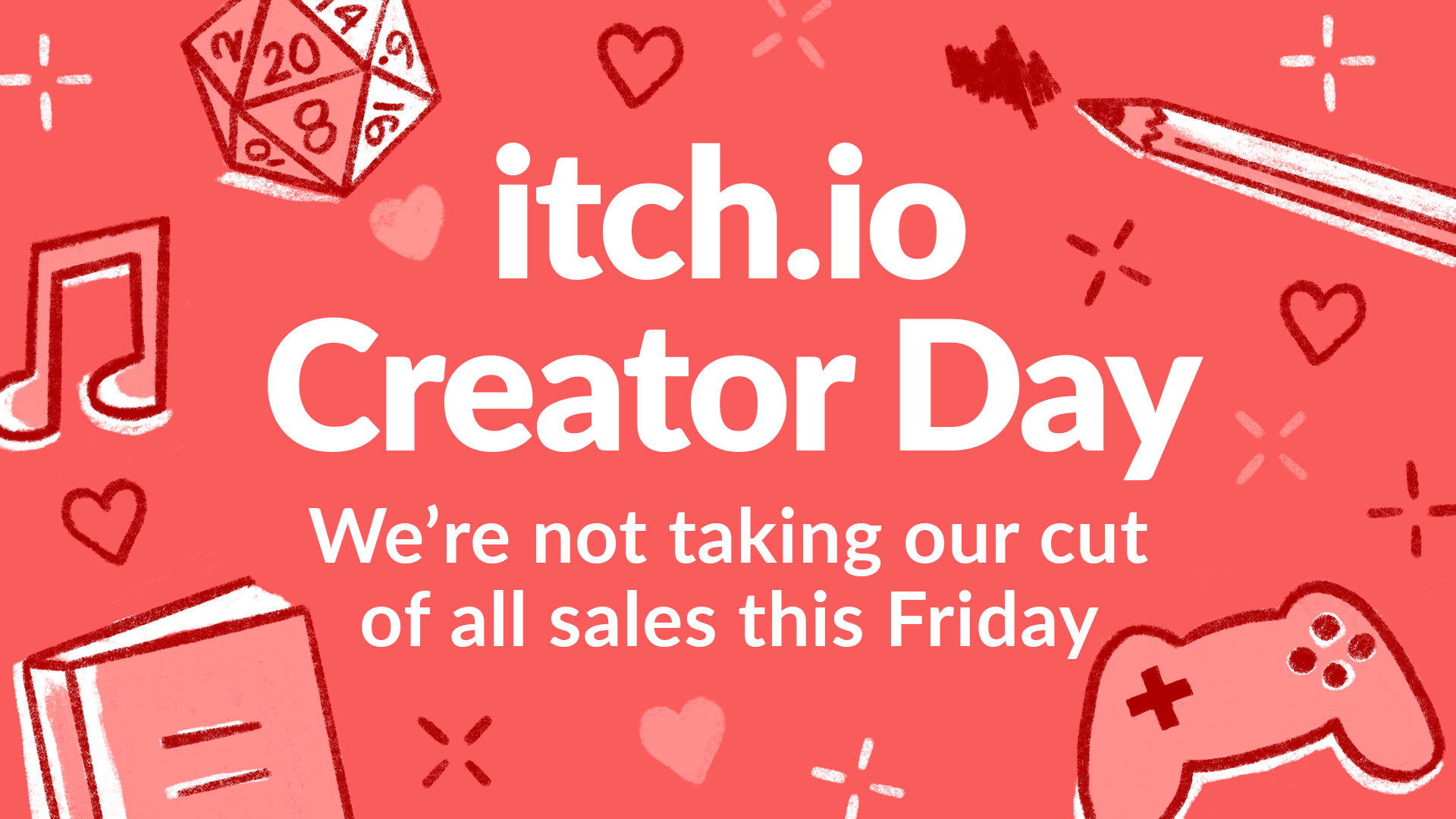
The digital storefront landscape is often dominated by massive, corporate-led sales events that prioritize platform revenue over individual creator equity. However, itch.io—the premier destination for independent game developers—has carved out a unique space that challenges this paradigm. This Friday, November 24th, the platform will host its latest "Creator Day," a 24-hour initiative designed to maximize the financial return for the developers who power the site’s vast ecosystem.
By waiving their platform commission entirely for the duration of the day, itch.io is once again demonstrating a commitment to the "indie-first" philosophy that has defined the site since its inception. As the retail world gears up for the consumerist frenzy of Black Friday, itch.io is pivoting the focus toward direct support for creators.
The Mechanics of Creator Day: A Financial Breakdown
The core premise of Creator Day is deceptively simple but profoundly impactful. Under normal operating conditions, itch.io allows creators to choose their own revenue share, but the platform typically retains a modest percentage to cover infrastructure, bandwidth, and operational costs. On Creator Day, itch.io effectively reduces its take to zero percent.
From 12:00 AM to 11:59 PM (Pacific Time) on Friday, November 24th, every cent generated from a sale on the platform goes directly into the pockets of the developers. This is not merely a symbolic gesture; for many independent developers—particularly those working solo or in micro-studios—this can represent a significant boost to their annual revenue, often providing the financial runway needed to fund future projects, pay for software licenses, or simply cover living expenses during the lean months of development.
The Sales Window and Extended Discounts
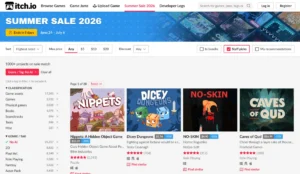
While the "Creator Day" commission waiver is strictly limited to the 24-hour window of Friday the 24th, the platform is pairing the event with a broader, extended sale. Users can expect a massive influx of discounts across the site, including:
- Video Games: Ranging from experimental prototypes to full-scale commercial indie titles.
- Tabletop RPGs: A rapidly expanding category on the site that has seen immense popularity in recent years.
- Digital Assets: Essential tools, sprites, and code snippets that empower the next generation of developers.
- Educational Materials: E-books and design documentation.
While the commission-free window closes on Friday night, the associated discounts for these items will persist through midnight on Tuesday, November 28th. This strategic staging allows developers to capitalize on the Black Friday shopping traffic while ensuring that the highest-margin sales occur on a day dedicated to their direct benefit.
A Chronology of the Indie Revolution
To understand why Creator Day holds such weight, one must look at the historical trajectory of itch.io. Founded in 2013 by Leaf Corcoran, the platform emerged as an antidote to the increasingly restrictive and "walled garden" nature of major digital storefronts.
Early Years: Building the Infrastructure
In its infancy, itch.io was a niche hub for game jams and experimental projects. Unlike Steam or the Epic Games Store, which require rigorous vetting processes, itch.io opted for an open-access model. This lowered the barrier to entry, allowing developers to upload games without waiting for approval, platform-specific SDKs, or high-level technical requirements.
The Pandemic Shift
The concept of "Creator Day" gained significant traction during the global COVID-19 pandemic. As traditional industry events like GDC and E3 were canceled, and as the global economy shifted toward remote work and digital consumption, itch.io became a lifeline. The platform hosted several high-profile bundles—most notably the "Bundle for Racial Justice and Equality"—which raised millions of dollars for charity. These events proved that the itch.io community was highly active, socially conscious, and eager to support independent talent.
Institutionalizing Support
Following the success of these massive community efforts, the itch.io team began institutionalizing "Creator Day" as a recurring event. By formalizing this date on the calendar, they have created a predictable, reliable moment for developers to plan their own marketing efforts, launch sales, or announce new content updates to maximize their earnings.
Supporting Data: The Economics of the Creator Economy
The "Creator Economy" is a buzzword often applied to social media influencers, but in the context of indie gaming, it refers to the delicate balance of labor and capital.
According to market analysis of the indie sector, the average independent developer spends between 18 months and three years on a single project. During this period, the developer often operates at a total financial loss. When a game finally launches, the "platform tax"—typically 30%—can be the difference between breaking even and needing to seek outside employment to stay afloat.
By waiving this tax, itch.io essentially grants developers a 30% increase in their net profit for that specific day. When extrapolated across thousands of developers, the aggregate impact is substantial. Furthermore, the increased visibility provided by the site-wide sale acts as a marketing multiplier. Data from previous Creator Days indicates that:
- Traffic Spikes: Site traffic consistently sees double-digit percentage growth during the Friday-through-Tuesday window.
- Conversion Rates: Because the narrative is focused on "supporting the developer," consumers are more likely to make a purchase with the intent of "giving back" rather than just hunting for the lowest price.
- Cross-Pollination: Users who come for a discounted game often discover assets or tabletop materials they hadn’t previously considered, leading to higher average cart values.
Official Stance and Community Feedback
In official communications, the itch.io team maintains a humble, developer-centric tone. They avoid the hyperbolic marketing language common in corporate retail, choosing instead to emphasize the relationship between the player and the creator.
"We want to make sure you have the opportunity to thank your favorite devs," the platform stated in their recent announcement. This language is intentional. By framing the purchase as an act of gratitude rather than a transaction, itch.io fosters a sense of community ownership.
Developer Sentiment
On forums such as Reddit’s r/indiegaming and various game development Discord servers, the response from the creator community is overwhelmingly positive. Developers frequently cite the lack of "red tape" as a primary reason for their loyalty to the platform.
One developer noted: "On other platforms, I have to jump through hoops just to get my patch notes updated. On itch.io, if I want to run a sale for Creator Day, I click two buttons, and the platform actually helps me make more money. It’s a partnership, not a landlord-tenant relationship."
Implications for the Future of Digital Distribution
The success of Creator Day has broader implications for the future of digital distribution. It suggests that there is a sustainable market for platforms that prioritize fairness over extraction.
Challenging the "30% Standard"
For years, the 30% revenue split was considered the industry standard. While mobile platforms like Apple’s App Store and PC platforms like Steam have faced antitrust scrutiny regarding this rate, itch.io has managed to thrive by simply charging less and offering more flexibility. The persistence of Creator Day puts ongoing pressure on larger competitors to justify their fees. If a smaller platform can operate profitably while occasionally waiving fees entirely, it raises the question: why can’t the giants?
The Decentralization of Gaming
The move toward supporting indie creators also signals a shift in power dynamics. As consumers become more aware of the "human cost" of software development, they are increasingly seeking ways to ensure their money reaches the actual designers, writers, and programmers. This is a trend that transcends gaming, echoing movements in the music and publishing industries.
A Blueprint for Sustainability
Finally, Creator Day provides a blueprint for how platforms can foster long-term loyalty. By actively investing in the success of their users, itch.io ensures that the most creative and interesting projects remain on their platform. If developers can reliably earn a living wage through the support of a dedicated fan base on itch.io, they are less likely to seek exclusive contracts with larger, more restrictive storefronts.
Conclusion: Why You Should Participate
As the calendar turns to November 24th, the itch.io Creator Day stands as a vital reminder of what the gaming industry can be when it operates with empathy. For the consumer, it is an opportunity to acquire high-quality, innovative software at a discount. For the developer, it is a crucial financial boost that recognizes their labor.
Whether you are a seasoned player looking to expand your library or a curious newcomer eager to explore the depths of independent creativity, Friday’s event is the ideal time to engage. By choosing to spend your money on itch.io this weekend, you are not just buying a product; you are casting a vote for a more equitable, creator-focused future for the medium of video games.
Remember: the commission-free window is short—only 24 hours—but the impact of your support will last long after the final sale of the weekend is processed. Take the time to browse the storefront, discover new voices, and ensure that the indie spirit remains as vibrant and profitable as it deserves to be.