A New Horizon for Android Developers: Google Play Unveils Major Overhaul to Billing and Fee Structures
By Business Tech Correspondent
In a significant pivot that marks a new chapter for the Android ecosystem, Google Play has announced a comprehensive restructuring of its business model. The initiative, led by Paul Feng, Vice President of Google Play Engineering and Product UX, aims to harmonize the competing interests of maintaining a high-quality user experience while granting developers greater autonomy in digital commerce.
This transformation, which begins rolling out on June 30, 2026, represents a departure from the "one-size-fits-all" billing approach that has defined the platform for over a decade. By decoupling service fees from billing fees and introducing new incentive programs for high-performing apps and games, Google is signaling a strategic shift toward a more modular, flexible, and developer-centric marketplace.
The Core Transformation: Decoupling Fees for Greater Flexibility
At the heart of these changes is a fundamental structural shift: the separation of the Google Play service fee from the billing processing fee. Previously, these were often bundled into a single commission rate. By splitting them, Google is creating a transparent framework where developers can choose the payment infrastructure that best fits their business needs.

The New Fee Architecture
Starting June 30, 2026, in the United States, the European Economic Area (EEA), and the United Kingdom, the service fee structure will be recalibrated as follows:
- The First $1 Million Rule: Google will maintain a 10% service fee on the first $1 million (USD) of annual earnings for all developers. This provision remains a cornerstone of Google’s commitment to supporting startups and small-to-medium enterprises.
- Subscription Models: The 10% service fee will apply to all auto-renewing subscriptions, providing long-term predictability for developers operating on recurring revenue models.
- The Billing Fee Variable: For developers who opt to continue using Google Play’s native billing system—which manages the complexities of global tax compliance, local payment methods across 195+ markets, and subscription management—a 5% billing fee will be applied. Crucially, if a developer chooses to integrate an alternative billing solution or directs users to an external website for transactions, this 5% billing fee is waived entirely.
This structure allows developers to weigh the cost of third-party payment processing against the convenience and global reach of Google’s managed billing infrastructure.
Chronology of the Rollout: A Staggered Global Approach
Recognizing the technical complexity of adjusting a global platform, Google has outlined a phased rollout schedule. The transition is not instantaneous, ensuring that regional regulatory requirements are met and that the infrastructure remains stable for the millions of apps currently on the Play Store.
- Phase One (June 30, 2026): The rollout begins in the United States, the UK, and the EEA. These markets serve as the primary testing ground for the new fee-splitting model and the alternative billing choice programs.
- Infrastructure Scaling: Following the initial launch, Google intends to monitor system performance and developer feedback. The platform’s engineering teams will then prepare for a wider rollout to additional territories.
- Incentive Program Launch (September 30, 2026): The expanded Games Level Up and new Apps Experience programs will officially open. These programs offer reduced service fee tiers for developers who meet high-quality benchmarks, encouraging investment in better UX, optimized performance, and user retention.
Supporting Data and Strategic Programs: Games Level Up and Apps Experience
Beyond billing, Google is incentivizing quality. The Games Level Up program, which has undergone a significant revamp, and the newly minted Apps Experience program are designed to reward developers who go above and beyond in their craft.

Defining "Exceptional"
The programs are not merely about revenue; they are about technical excellence. Requirements for these programs include:
- Optimized Performance: Apps must meet specific technical benchmarks regarding stability, crash rates, and latency.
- User Experience (UX) Standards: Apps must adhere to stringent design guidelines that prioritize accessibility and intuitive navigation.
- Global Reach: Developers must demonstrate a commitment to serving diverse audiences through localization and support for regional features.
Developers who qualify for these programs will gain access to a tiered rate card that lowers the service fee, effectively subsidizing the cost of building high-quality, long-term software. For instance, developers in these programs may see their service fees drop below the standard rates, providing a competitive advantage in a crowded market.
Official Responses and Strategic Rationale
Paul Feng, in his capacity as the lead architect of this transition, emphasized that the goal is "choice and openness." In his official communication, Feng noted that while Google Play’s billing system is a highly effective engine for global commerce—managing over 300 local payment methods—the company recognizes that "there are situations where your business needs more flexibility."
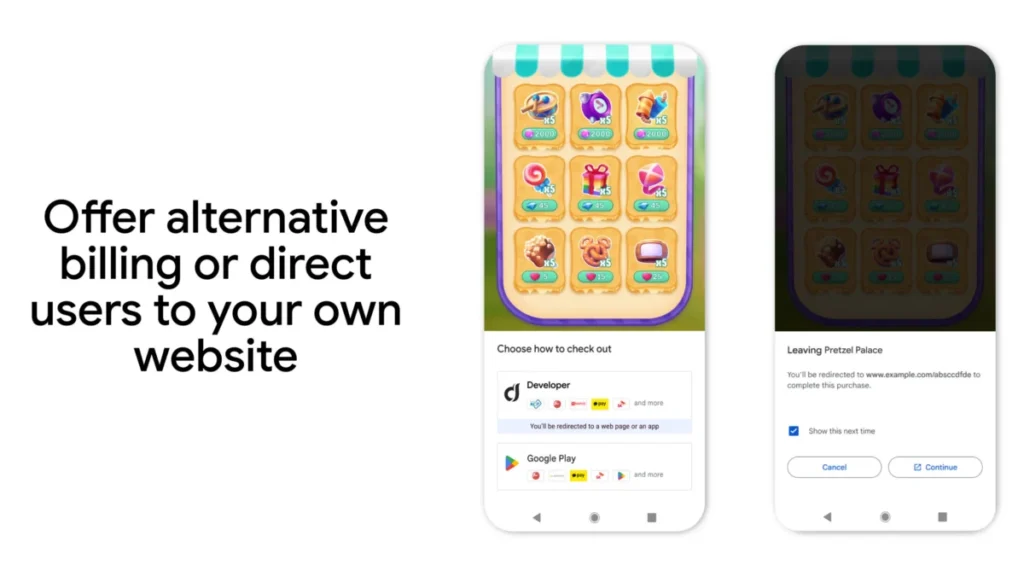
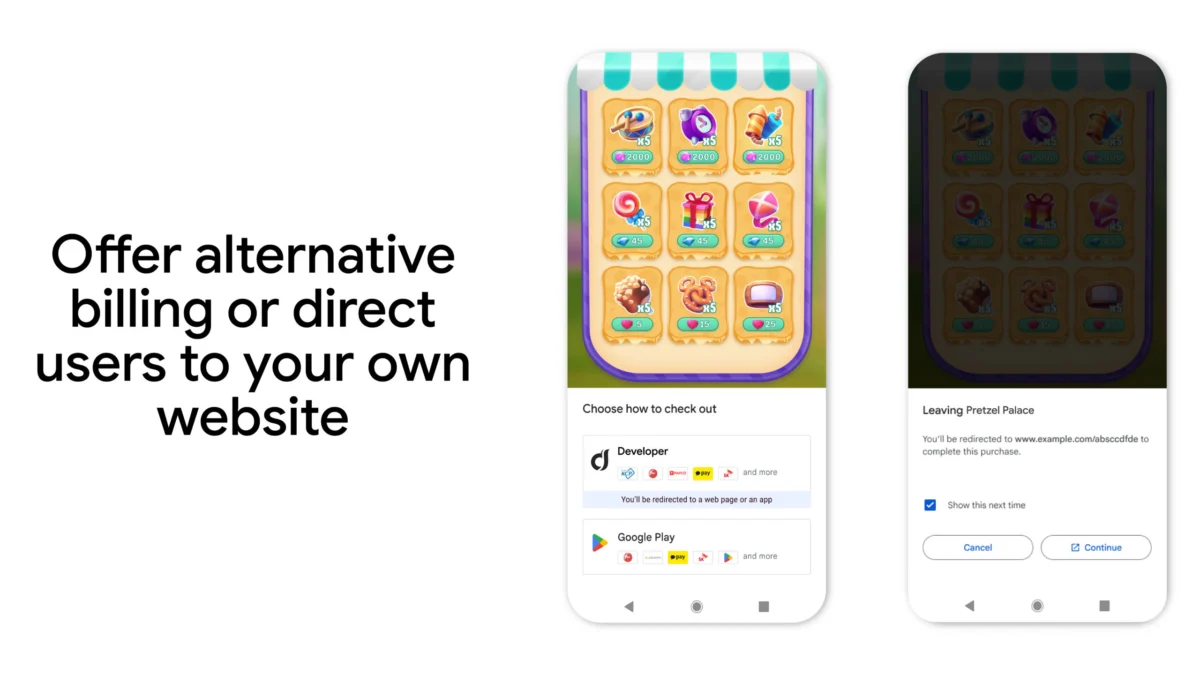
The official stance from Google is one of "co-evolution." By allowing developers to design their own "choice screens"—the user interface that informs a consumer about their payment options—Google is essentially handing the keys to the developer to manage the customer relationship more directly. This move is a clear response to ongoing global discussions regarding "walled garden" ecosystems, effectively attempting to preempt regulatory pressure by fostering a more collaborative environment.

Implications: What This Means for the Android Ecosystem
The implications of these changes are profound, touching upon business strategy, technical implementation, and the bottom line for developers.
For the Developer: A Strategic Crossroads
Developers must now act as both product creators and business strategists. The decision to use Google’s billing vs. an external system is no longer just a technical one; it is a financial calculation. Developers with high transaction volumes may find that the 5% billing fee is a small price to pay for the reduction in operational overhead associated with managing taxes, fraud, and payment disputes across 195 countries. Conversely, niche apps with high-ticket items might find that integrating their own payment rails offers a superior ROI.
For the User: A Changing UX Landscape
Users should prepare for a shift in the purchasing flow. As developers begin to offer alternative billing or link to web-based checkout, the Android shopping experience may become more fragmented. While this offers choice, it also places a greater burden on the user to evaluate the security and reliability of different payment providers. Google has addressed this by providing strict UX guidelines for choice screens to ensure that the user remains informed and protected throughout the transaction.
For the Market: Increased Competition
The long-term impact on the mobile app market will likely be increased competition. By decoupling fees, Google is effectively lowering the barrier to entry for developers who previously felt "locked in" by high commission rates. This could lead to a surge in new app development, particularly among companies that specialize in cross-platform digital services.

Conclusion: Looking Ahead
The updates coming to Google Play in 2026 represent a mature stage in the evolution of mobile marketplaces. By shifting toward a model that prioritizes modularity and incentives for quality, Google is attempting to balance the needs of its massive user base with the aspirations of the global developer community.
As September 30, 2026, approaches—the date when the new program rate cards become fully available—developers are encouraged to review the updated guidelines in the Google Play Console. The transition will require careful planning, technical updates, and a keen eye on regional compliance, but for those who navigate it successfully, the new "era of choice" offers a significant opportunity to scale, thrive, and define the next generation of Android experiences.
Google’s message is clear: the ecosystem is no longer just a store; it is a platform for partnership. Whether through the streamlined benefits of the billing programs or the prestige of the Games Level Up and Apps Experience initiatives, the future of Android is being written in the language of flexibility.