Elevating Mobile Experiences: A Deep Dive into the Android Performance Analyzer
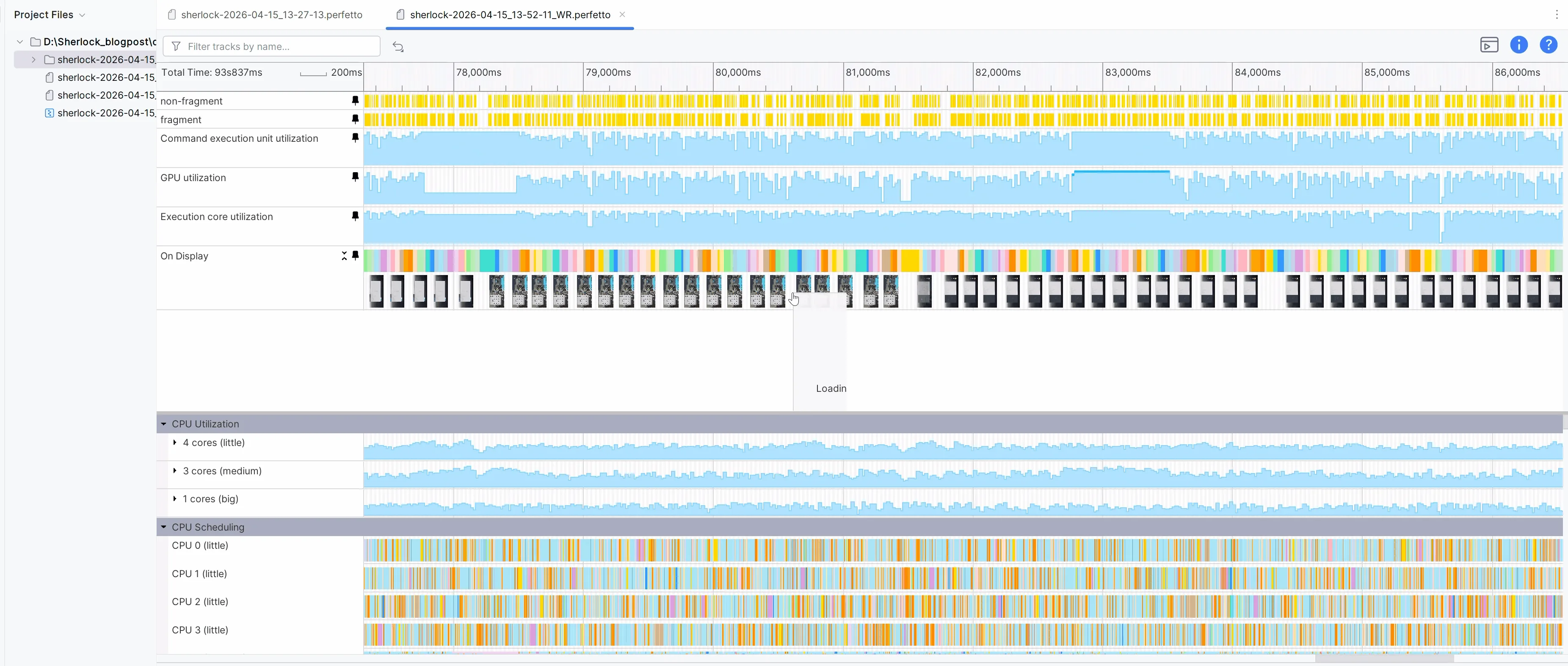
In an increasingly competitive mobile landscape, where the difference between a successful app and an uninstalled one is often measured in milliseconds, Google has unveiled a powerful new weapon for developers. The Android Performance Analyzer (APA), now available in open beta, represents a significant leap forward in how engineers monitor, diagnose, and optimize their applications and games for the Android ecosystem.
By providing a unified, cross-platform interface for system-wide profiling, Google aims to empower developers—from independent game studios to enterprise teams—to extract maximum performance from modern mobile hardware.

Main Facts: What is the Android Performance Analyzer?
At its core, the Android Performance Analyzer is a sophisticated, high-fidelity profiling tool designed to provide granular insights into an application’s behavior. While many tools focus on a single metric, APA offers a holistic view, enabling developers to analyze CPU, GPU, memory, and power consumption simultaneously.
The tool is particularly targeted at performance-conscious engineers, including those utilizing Vulkan in high-end game engines. It is designed to simplify complex workflows, offering a user-friendly interface that reduces the steep learning curve often associated with professional-grade profilers.

Core Capabilities
- System-Wide Tracing: Leveraging the industry-standard Perfetto, APA allows for deep-dive system analysis.
- Graphics Profiling: By integrating with LunarG’s GFXReconstruct technology, it provides comprehensive graphics capture and replay functionality.
- Hardware Agnostic: APA supports GPU performance data across major hardware vendors, including Qualcomm, Arm, Imagination, and Samsung.
- Cross-Platform Support: The standalone desktop application functions natively on Windows, macOS, and Linux, ensuring flexibility in development environments.
Chronology: The Evolution of Android Profiling
The journey to the Android Performance Analyzer has been one of collaboration and iterative refinement. For years, Android developers relied on a fragmented set of tools—ranging from the legacy Android GPU Inspector to manual command-line tracing—which often led to siloed data and inefficient debugging cycles.
- Foundation Phase: Development began with the recognition that modern Android gaming—characterized by complex ray-tracing, high-fidelity textures, and advanced shaders—required a more robust diagnostic path.
- Strategic Partnerships: Google recognized that internal efforts were insufficient to cover the diversity of the Android ecosystem. Consequently, they engaged the Samsung Austin Research Center (SARC) and LunarG. This collaboration was pivotal in integrating hardware-level insights and advanced graphics debugging into a single suite.
- Beta Launch: Today’s open beta launch marks the culmination of these efforts. By opening the tool to the public, Google is inviting developers to stress-test the system, refine the UI, and contribute to the evolution of the software before its final production release.
Supporting Data: Efficiency and Impact
The metrics provided by early adopters and internal testing illustrate why the industry has been eagerly awaiting this release.

Speed and Performance Gains
The most immediate benefit of the APA is its raw processing power. Compared to the previous Android GPU Inspector, rendering a trace in the new APA is between 6x and 26x faster. This dramatic improvement in speed is not merely a convenience; it fundamentally changes the iterative loop of performance optimization. Developers can now analyze massive datasets without the "wait time" fatigue that previously hindered large-scale project debugging.
Real-World Efficacy
The impact of APA is best demonstrated through recent case studies:

- The Forge Interactive: By using APA to identify excessive calls to
vkCmdBindDescriptorSets, the team reduced CPU setup costs by 50%. This had a cascading positive effect, reducing thermal output by 2-3x and significantly extending session durations for users. - Netmarble (Seven Deadly Sins: Origin): The studio utilized APA to audit shader precision and renderer upscaling. These adjustments resulted in a staggering 90% reduction in GPU costs for specific scenes, demonstrating the tool’s ability to identify "low-hanging fruit" in high-end game optimization.
- Google’s Filament Engine: In optimizing the Filament glTF Viewer, engineers were able to reduce GPU wait times from 25ms to 20ms. By using APA to visualize memory consumption and geometry complexity, they successfully hit a consistent 60FPS target.
Official Responses and AI Integration
The engineering leads behind the project, Simon Cooke (Developer Relations Engineer) and Mayank Jain (Product Manager), have emphasized that the tool is built with the "modern developer" in mind.
The Agentic Shift
Perhaps the most innovative aspect of the APA is its integration with AI. Recognizing that developers often struggle with the complexity of Perfetto SQL schemas, the team has introduced:

- AI-Driven SQL Generation: Developers can now use AI agents to write complex SQL queries for trace analysis, effectively bypassing the need to memorize syntax.
- Gemini-Powered Insight: By asking high-level questions like, "Why is my app startup slow?", developers can leverage generative AI to navigate through thousands of trace events, receiving directed advice on where to focus their optimization efforts.
As Cooke noted in the official announcement, "We’re excited to see how the community uses these new agentic capabilities to solve problems that were previously too time-consuming to investigate manually."
Implications: A New Standard for the Ecosystem
The release of the Android Performance Analyzer has far-reaching implications for the mobile development landscape.

For Independent Studios
Historically, deep-level performance profiling was a luxury reserved for large studios with dedicated engine teams. By lowering the barrier to entry with a streamlined interface and AI-assisted analysis, Google is effectively democratizing high-end game optimization. Smaller teams can now diagnose thermal issues and frame drops that previously plagued their titles, leading to higher retention rates and better user reviews.
For Device Manufacturers
The collaboration with Samsung and other hardware partners signals a shift toward a more unified Android performance standard. By providing a consistent way to view GPU counters and system behavior, manufacturers can work more closely with developers to ensure that the latest hardware features (such as ray tracing or specialized NPUs) are actually being utilized to their full potential.

For the Future of Android
The inclusion of "persistent view customizations" and "project-based workflows" suggests that Google is viewing APA as a long-term companion for the development cycle rather than a one-off diagnostic tool. As the tool moves out of beta, we can expect deeper integration with Android Studio and even more advanced automated "best practice" suggestions generated by AI.
How to Get Started
The Android Performance Analyzer is currently available for download as a standalone desktop application. Because it is in the open beta phase, Google encourages active participation in the refinement process.

- Download: Interested developers can download the tool from the official Android Developers website.
- Feedback Loop: Given the beta status, users are encouraged to utilize the "Submit a bug report" feature under the Help menu. This direct channel ensures that the engineering team can address stability issues and edge cases in real-time.
- Documentation: Comprehensive guides, including the case studies mentioned, are available on the Android Developers portal.
Final Thoughts
The Android Performance Analyzer is more than just a new piece of software; it is a signal of maturity for the Android ecosystem. By combining the raw power of Perfetto, the visual clarity of modern UI design, and the accessibility of AI-driven analysis, Google has created a platform that addresses the most persistent pain points in mobile development. As the industry pushes toward higher graphical fidelity and more complex computational requirements, the APA will undoubtedly become an essential part of the professional developer’s toolkit, ensuring that "performance" remains a core, rather than an afterthought, of the Android experience.