A New Dawn for the Visually Impaired: How Light-Activated Molecules Are Rewriting the Future of Sight Restoration
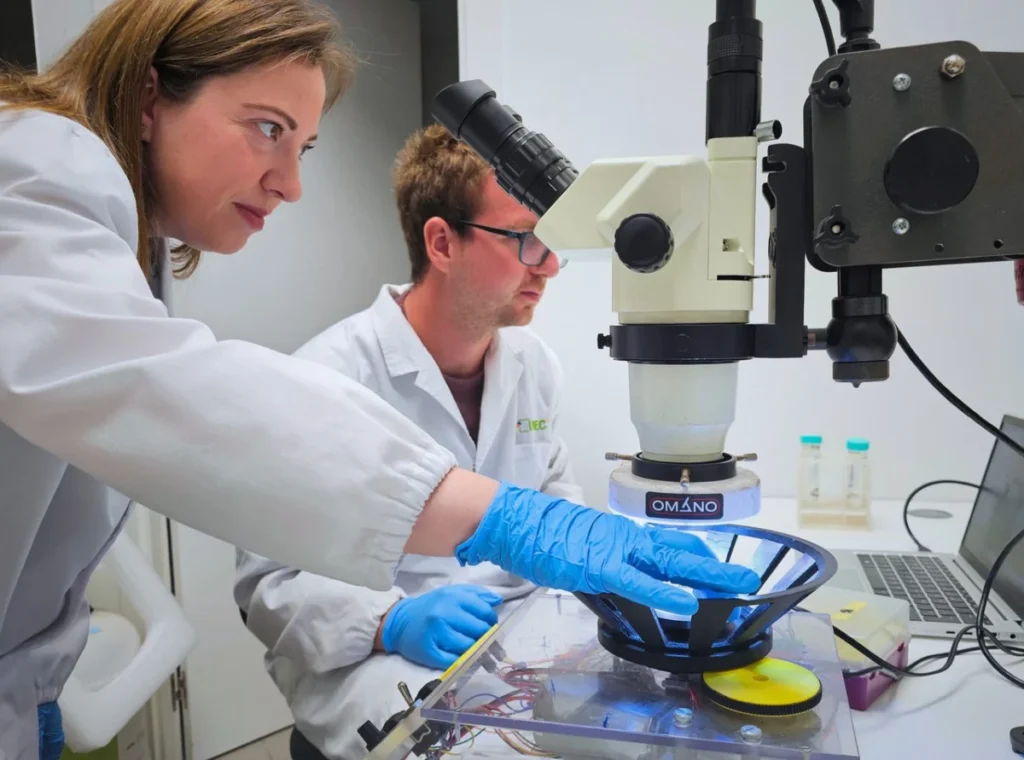
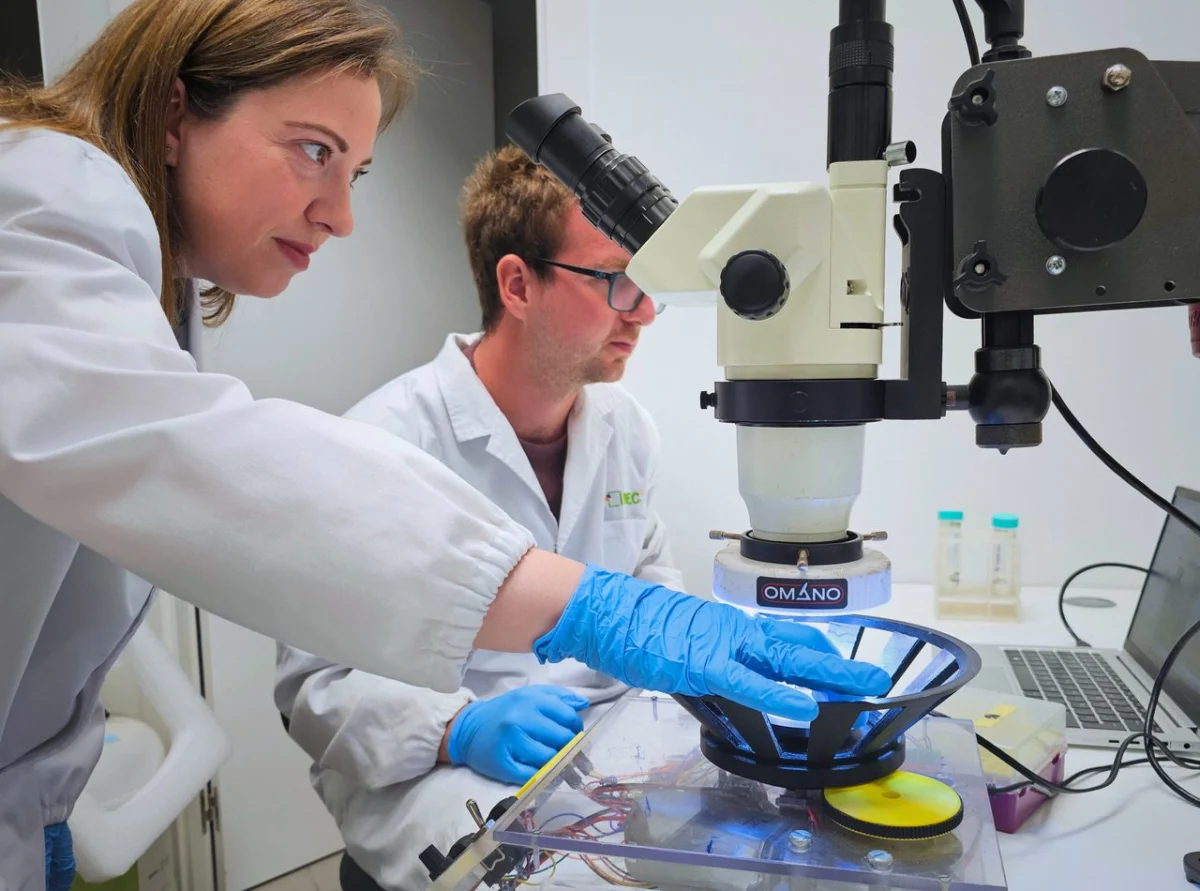
In a groundbreaking development that promises to reshape the landscape of ophthalmology, an international consortium led by the Institute for Bioengineering of Catalonia (IBEC) has successfully restored vision in blind animal models using a pioneering class of light-activated small-molecule drugs. Known as "prosthe6," these compounds represent a monumental leap forward in the field of photopharmacology—a discipline that merges chemistry and optics to control biological processes with light.
By bypassing the need for invasive surgeries, gene therapies, or bulky electronic hardware, this non-invasive approach offers a potential lifeline for the nearly 200 million people worldwide suffering from degenerative retinal diseases such as age-related macular degeneration (AMD) and retinitis pigmentosa (RP).
The Core Innovation: Photopharmacology as a Molecular Prosthesis
At the heart of the researchers’ breakthrough is the ability to turn ordinary, ambient white light into a biological signal. Degenerative eye diseases are characterized by the death of photoreceptor cells—the retina’s natural light sensors. While these cells die, the "downstream" neuronal circuitry—the wiring that carries visual information to the brain—often remains intact and functional, simply waiting for a signal.
The prosthe6 compounds act as a "molecular prosthesis." These are small, water-soluble molecules designed to dock onto metabotropic glutamate 6 (mGlu6) receptors, which are found exclusively in the ON-bipolar cells of the retina. Once in place, these molecules function like a switch: when light enters the eye, the chemical structure of the drug alters, triggering the mGlu6 receptor. This action effectively "re-animates" the retinal circuit, allowing the eye to process visual information as if the photoreceptors were still present.
Unlike optogenetics, which requires complex genetic modification of retinal cells, or retinal prostheses, which involve surgically implanting electrodes, the prosthe6 approach is entirely chemical. It is reversible, upgradable, and potentially as simple to administer as a daily eye drop.
A Chronology of Discovery: A Decade in the Making
The journey to this discovery has been a long, rigorous process spanning over a decade of interdisciplinary research.
- Foundational Research (2014–2018): Scientists at IBEC, working alongside the University of Barcelona and the Institut de Química Avançada de Catalunya (IQAC-CSIC), began exploring the potential of light-responsive switches to control biological ion channels. The goal was to solve the "input" problem of the retina: how to give the remaining, healthy circuitry a signal when the original sensors have vanished.
- The Shift to mGlu6 (2019–2022): The team pivoted their focus toward the mGlu6 receptors. Recognizing that these receptors are the natural gatekeepers of the visual circuit, the researchers refined their molecular designs to ensure the drug could act precisely where the original photoreceptors once sat, thereby preserving the natural signal-processing architecture of the eye.
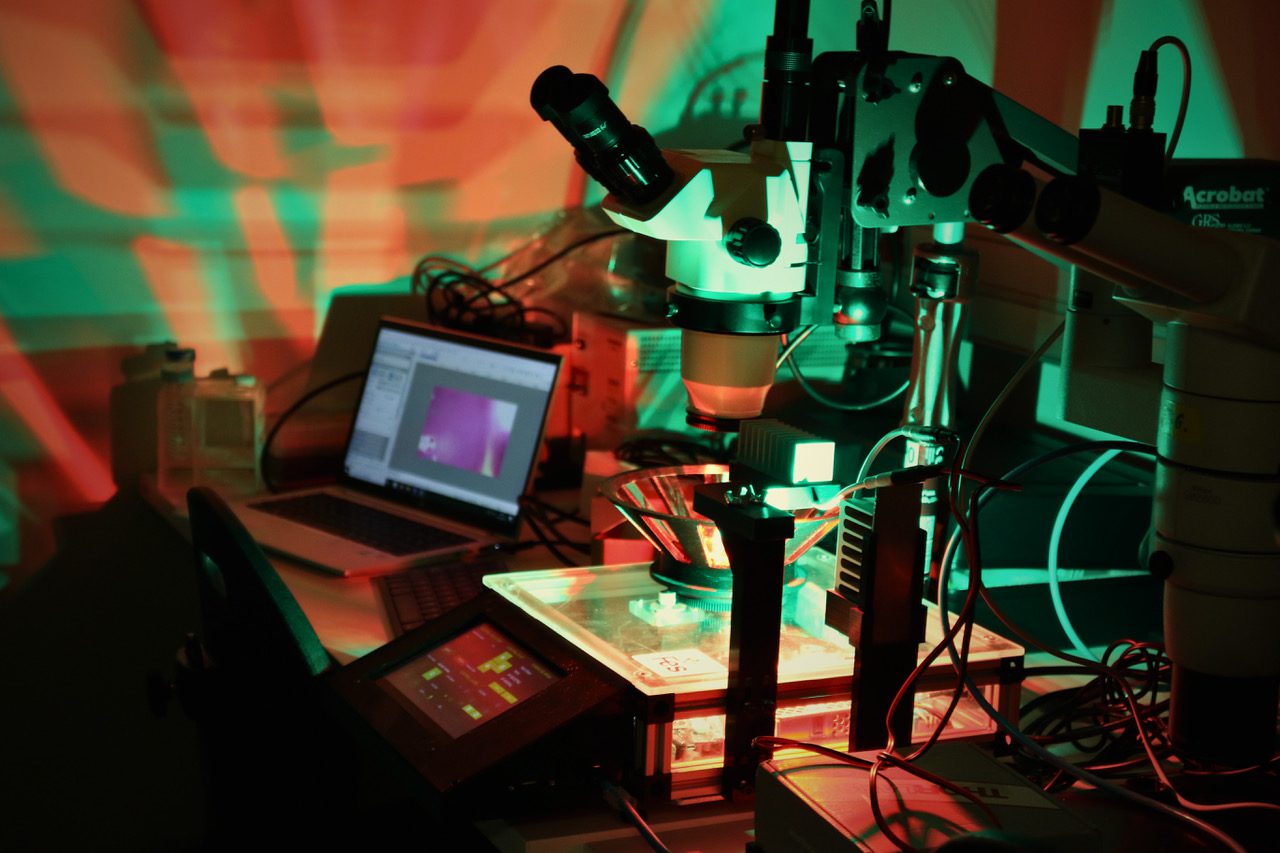
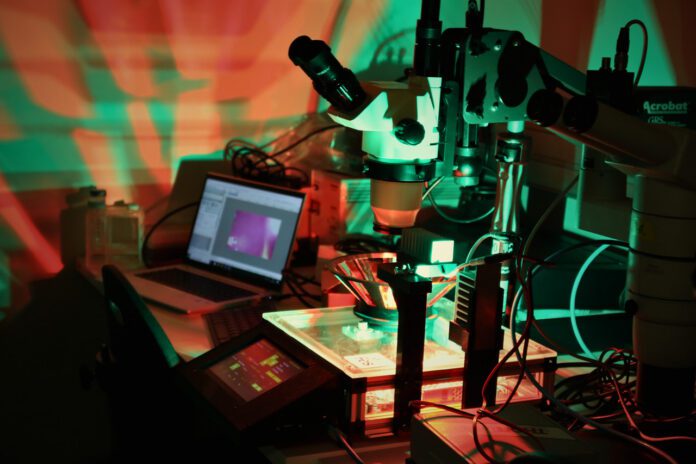
- Proof of Concept (2023–2025): Through a series of preclinical trials involving zebrafish larvae—a gold-standard model for testing visual acuity—the team demonstrated that the molecules could restore the optokinetic reflex, or the instinctive eye movements associated with tracking motion.
- Validation and Publication (2026): In a study recently published in the Journal of the American Chemical Society, the researchers detailed the successful restoration of light-avoidance behavior in mouse models of retinal degeneration. This milestone confirmed that the molecules were not only functional but could also guide natural, complex behavior.
Supporting Data: From Laboratory to Functional Sight
The efficacy of the prosthe6 compounds is underscored by their ability to function under "real-world" lighting conditions. One of the primary criticisms of earlier photopharmacological agents was the need for high-intensity, specialized light sources to trigger the drug. The prosthe6 series, specifically compounds prosthe6-12 and prosthe6-15, operate efficiently under standard ambient white light, such as indoor lighting or natural daylight.
Key Behavioral Evidence
In animal studies, blind mice typically exhibit no preference between light and dark environments, as they lack the ability to perceive light. After treatment with prosthe6, these mice reverted to the innate, evolutionarily hardwired behavior of seeking dark spaces. This indicated that the drugs were not just creating an "on-off" response in the retina, but were providing a coherent stream of visual data that the brain could interpret and act upon.
Safety and Administration
Perhaps most promising is the delivery method. The study confirmed that the compounds remain effective whether delivered via intraocular injection or topical eye drops. In toxicology screenings, the molecules displayed a robust safety profile, with no significant adverse effects, suggesting that they could move through traditional regulatory pathways more efficiently than invasive, high-risk surgical alternatives.
Official Perspectives: The Experts Speak
The study’s lead authors emphasize that while this is not a "cure" in the biological sense—the dead photoreceptors do not regenerate—it is a functional restoration of sight.
"These molecules do not cure blindness, because they do not address the cause of photoreceptor degeneration," says Pau Gorostiza, PhD, ICREA Research Professor at IBEC and lead of the Nanoprobes and Nanoswitches group. "But they are remarkably effective at restoring sight, and they do so using a very simple and potentially patient-friendly approach."
Rosalba Sortino, co-first author of the study, highlights the elegance of the mechanism: "Our goal was to restore vision using a molecular mechanism that is as close as possible to how the healthy retina works. Instead of bypassing retinal processing, we aimed to reactivate it right at the same level of the retinal circuit as the lost photoreceptor cells."
Pedro de la Villa, co-lead of the research from the University of Alcalá, adds, "In healthy vision, ON bipolar cells play a key role in passing on information about the presence of light to the rest of the visual circuit. In degenerative eye diseases, although the photoreceptors are lost, much of this underlying circuitry remains intact but inactive. This creates a major therapeutic opportunity."
Global Implications: Economics and Quality of Life
The societal implications of this research are staggering. With vision loss estimated to carry a global economic burden of over $400 billion annually due to healthcare costs and lost productivity, the development of an accessible, non-invasive treatment could transform public health systems.
A Departure from Current Standards
Current treatments are limited:
- Gene Therapy: Currently restricted to a small percentage of patients with specific genetic mutations.
- Electronic Retinal Prostheses: Invasive, expensive, and require significant user training.
- Optogenetics: Highly experimental and often requires permanent gene modification.
By contrast, the prosthe6 technology is agnostic to the cause of blindness. Whether the retinal degeneration is caused by age, genetics, or environmental factors, the drug targets the universal "downstream" wiring of the eye. This universality makes it a "platform" technology, potentially applicable to millions of patients regardless of their specific diagnosis.
Looking Ahead: The Path to Clinical Reality
The researchers are not resting on their preclinical successes. The prosthe6 technology is currently under patent protection, and the team has moved toward the creation of a spin-off company, Eyelumina, to facilitate the commercialization and clinical translation of the drugs.
The next steps involve rigorous safety and formulation testing to increase the longevity of the treatment. The goal is to extend the duration of the drug’s effects so that a single application—or a simple daily drop—can provide consistent vision throughout the day.
"Turning this into a therapy is a long and laborious process," Dr. Gorostiza acknowledges. "But the results show that there is a realistic possibility of restoring high-quality vision with drugs—non-invasively, reversibly, and with a mechanism that is independent of the specific retinal disorder."
As the medical community watches the progress of Eyelumina and the subsequent human trials, the promise of a "molecular vision aid" stands as one of the most hopeful developments in modern medicine. If the preclinical results translate to human subjects, we may be on the verge of a new era where blindness is no longer a permanent state, but a condition that can be managed with the simple application of a chemical switch.