Beyond the Surface: Genetic Breakthroughs Reveal the Biological Roots of Hyperhidrosis
For the estimated 2% to 5% of the global population living with primary idiopathic hyperhidrosis, the condition is far more than a mere nuisance. It is a debilitating, often isolating struggle that dictates the fabric of daily life. Patients frequently face the necessity of changing clothes multiple times throughout the day, grapple with profound social anxiety, and suffer from high rates of clinical depression. Despite its severity, hyperhidrosis has long been relegated to the periphery of medical focus, often dismissed as a cosmetic issue or a manageable inconvenience.
However, a landmark study published in Science Advances titled “A neurocutaneous NaV1.8 channelopathy underlies a genetic subtype of primary idiopathic hyperhidrosis” may finally shift the paradigm. Led by researchers at Vrije Universiteit Brussel (VUB) and in collaboration with Johns Hopkins University, this decade-long investigation has uncovered a specific genetic mechanism driving the condition. By identifying the role of the NaV1.8 ion channel, the study not only validates the biological basis of the disorder but also paves the way for a new era of targeted, non-invasive therapies.
Main Facts: Unlocking the Gate
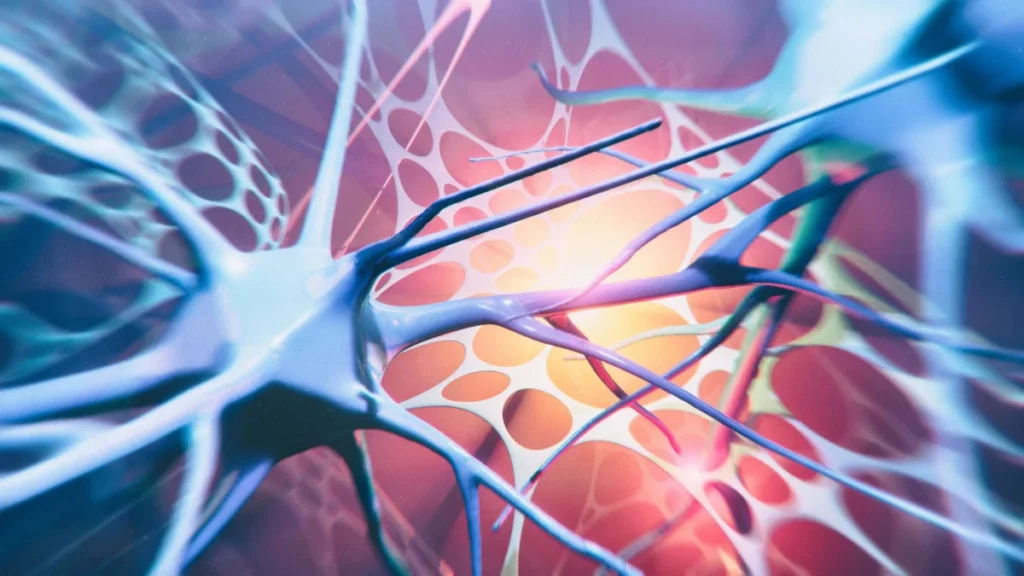
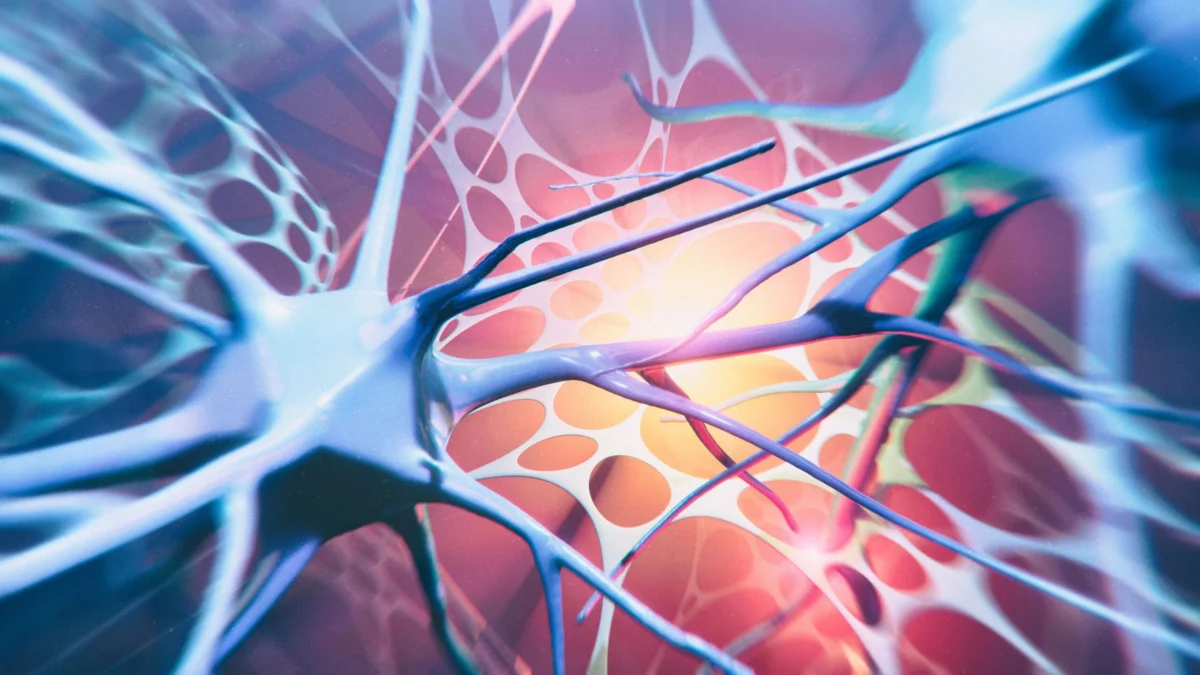
At the heart of this research is the NaV1.8 ion channel, a protein that serves as a critical "biological gate" for electrical signals traveling through the peripheral nervous system. In a healthy nervous system, these channels regulate the flow of sodium ions, ensuring that nerve impulses are triggered only when necessary.
The researchers discovered that in many patients suffering from hyperhidrosis, specific genetic mutations cause these gates to malfunction. Instead of opening and closing in response to stimuli, the gate remains "stuck" in an open position. This leads to the chronic overstimulation of the sympathetic nerves connected to sweat glands. Consequently, the glands receive a constant, erroneous signal to produce sweat, a process that is frequently exacerbated by emotional triggers or psychological stress. This discovery moves hyperhidrosis from the realm of "idiopathic"—meaning of unknown cause—to a defined channelopathy, a classification shared by various neurological and cardiac conditions.
Chronology of a Decade-Long Investigation
The path to these findings was not linear; it was the result of a rigorous, ten-year effort to demystify a condition long shrouded in clinical ambiguity.
The Foundation (2014–2017)
The project began under the guidance of Frank Bosman, PhD, and his team at Vrije Universiteit Brussel. Recognizing that many patients reported a family history of excessive sweating, the team hypothesized a hereditary component. They initiated a large-scale genetic screening program, eventually collecting and analyzing the DNA of more than 180 individuals suffering from primary hyperhidrosis.
The Breakthrough (2018–2020)
By 2018, the team identified recurring defects in the gene encoding the NaV1.8 channel. To confirm that these genetic variants were indeed the causative factors rather than coincidental markers, the researchers engineered an experimental mouse model. Because mice possess limited sweat gland distribution—primarily on their paws—the team had to innovate. They developed a high-sensitivity, microscopic measurement technique utilizing an iodine-starch mixture to visualize and quantify the output of individual sweat droplets.
Validation and Complexity (2021–2024)
With the mouse model confirming that the NaV1.8 mutation directly induced hyperhidrosis-like symptoms, the team spent the final years refining their understanding. They successfully demonstrated that the application of nerve-blocking agents could mitigate the sweating, providing a "proof of concept" for future pharmacological intervention. During this phase, they also identified outliers—patients with different mutations, such as those affecting local water channels in the glands—highlighting the heterogeneous nature of the condition.
Supporting Data and Biological Mechanisms
The study’s findings rely on both human genomic data and functional physiological testing. The analysis of the 180-patient cohort revealed that the NaV1.8 channelopathy is not a singular, uniform defect. Instead, it is a spectrum.

- The Overactive Gate: In the most common genetic subtype identified, the NaV1.8 channel demonstrates increased sensitivity. The threshold for triggering a signal is lowered, meaning the nervous system misinterprets minor physiological cues as a command to initiate a thermoregulatory response, even when the body is not overheating.
- The Heterogeneity Factor: The researchers noted that the genetic landscape is more complex than a single gene mutation. They documented a specific case of a patient who did not possess the NaV1.8 defect but nonetheless exhibited identical clinical symptoms. In this instance, the cause was traced to a mutation in a local water channel (aquaporin) within the sweat gland itself.
- The Mouse Model Efficacy: In the murine studies, the administration of selective channel blockers resulted in a significant and reversible reduction in sweat production. This suggests that the "faulty wiring" is not permanently damaged but rather functionally impaired, leaving the door open for chemical correction.
Official Responses and Clinical Perspectives
The medical community has greeted the study with cautious optimism. For years, the primary surgical intervention for severe hyperhidrosis has been endoscopic thoracic sympathectomy (ETS)—a procedure that involves severing the sympathetic nerve pathways in the chest. While effective at stopping sweat, ETS is highly invasive and carries significant risks, including compensatory sweating, where the body begins to sweat excessively in previously unaffected areas.
"The identification of a genetic target changes the conversation entirely," noted independent clinical observers. By moving away from surgical destruction of nerves and toward molecular modulation, the field is effectively entering the era of "precision dermatology."
The researchers themselves have been careful to emphasize that while their findings provide a roadmap, the transition to clinical practice will require rigorous phase-controlled trials. "We have found the lock and we have identified the key," Dr. Bosman noted in his team’s summary. "Now we must ensure that the medication we use to turn that key is safe, effective, and localized enough to avoid systemic side effects."
Implications for Future Treatment
The implications of this study are profound, potentially shifting the treatment of hyperhidrosis from reactive, invasive surgery to proactive, pharmacological management.
1. Drug Repurposing
One of the most immediate opportunities lies in drug repurposing. Because the NaV1.8 channel is a well-studied target in pain management and neurology, there are existing compounds that modulate these gates. If these can be formulated for topical application or targeted systemic delivery, patients might avoid the systemic side effects typically associated with oral medications.
2. Genetic Screening for Precision Medicine
The complexity revealed by the study suggests that not all hyperhidrosis patients will respond to the same treatment. Genetic screening could become a standard diagnostic tool, allowing clinicians to determine whether a patient’s condition is driven by nerve-channel defects, local gland mutations, or other factors. This allows for a "stratified medicine" approach, where the therapy is matched to the underlying biological defect.
3. De-stigmatizing the Condition
Perhaps the most significant long-term implication is the social and psychological impact of the study. By providing a clear, evidence-based genetic explanation for the condition, the study challenges the perception of hyperhidrosis as a "superficial" issue. It validates the lived experience of patients, moving the conversation from "hygiene" to "neurological health."
4. Future Research Avenues
The study leaves several questions open for future investigation. The researchers are currently looking into whether these genetic predispositions interact with environmental triggers—such as high humidity or specific dietary factors—to worsen symptoms. Furthermore, the possibility of gene-editing therapies, while currently distant, is now a theoretical possibility given the specificity of the identified mutations.
As the scientific community digests these findings, the path forward is clear: the focus must shift toward clinical trials that translate these laboratory successes into tangible patient outcomes. For the millions of individuals who have lived in the shadow of their own sweat, the Science Advances paper represents the first light of a new, scientifically informed future.