The SORLA Shield: A New Frontier in Combating Tau-Driven Neurodegeneration
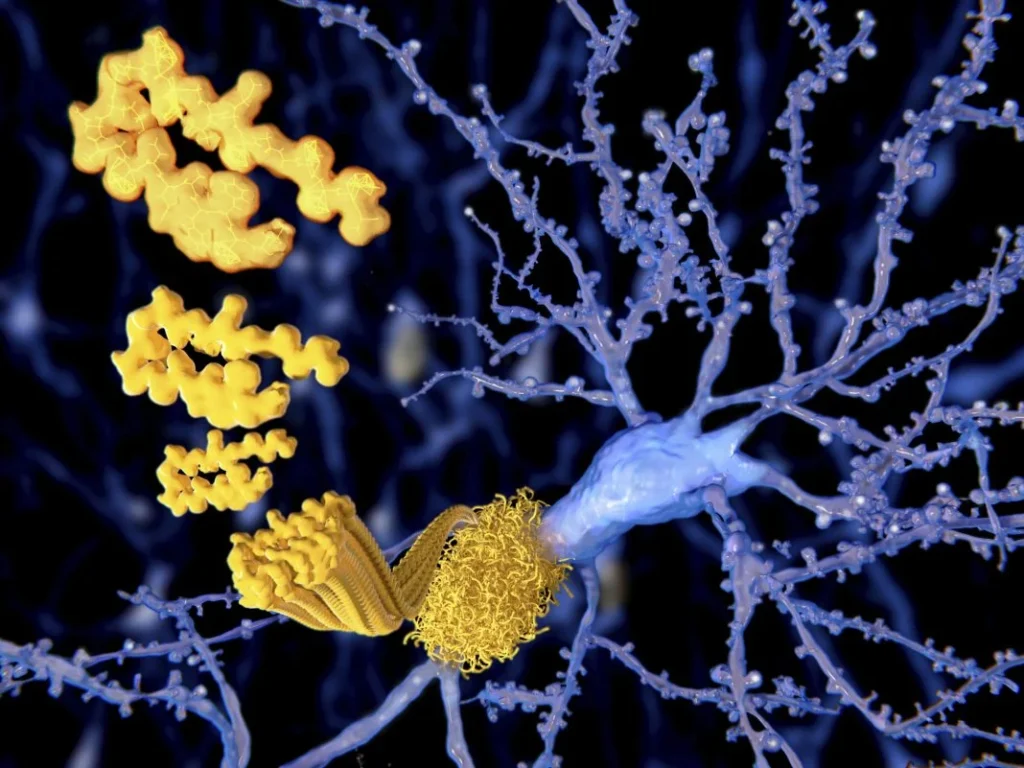
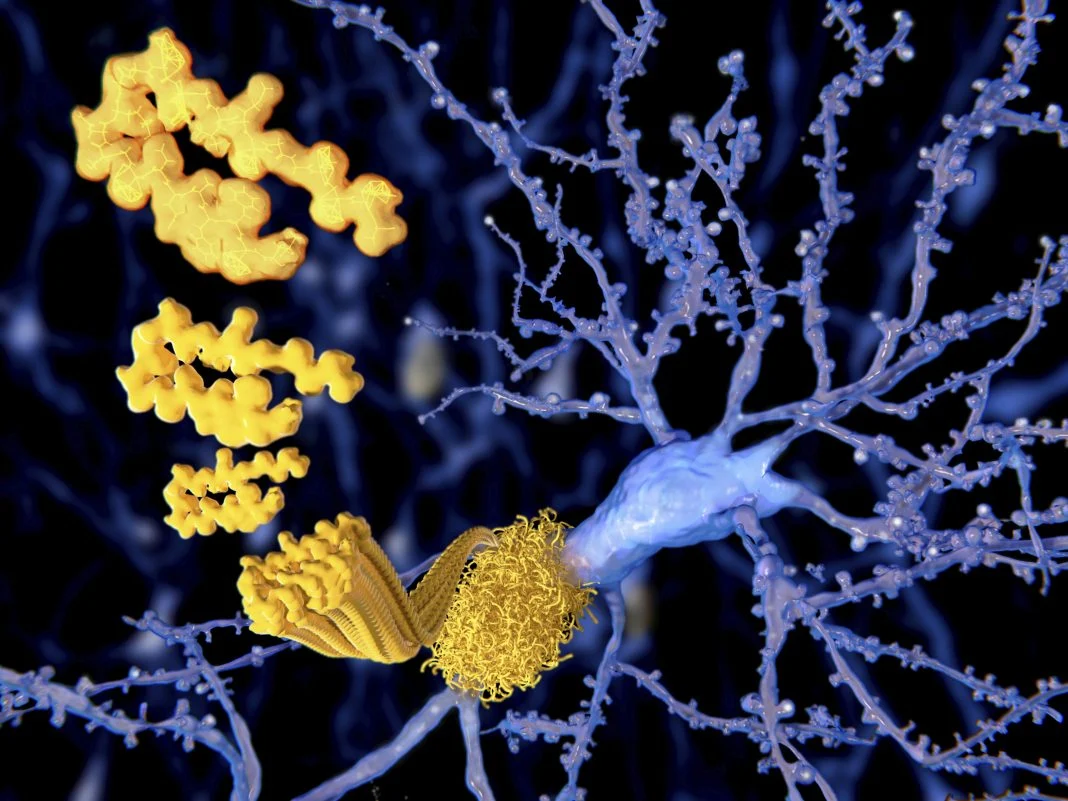
In the complex architectural landscape of the human brain, structural integrity is paramount. Neurons rely on an intricate internal framework of microtubule filaments to transport nutrients and maintain their shape. However, in neurodegenerative conditions such as Alzheimer’s disease (AD) and various tauopathies, this scaffolding collapses. The culprit is the tau protein, which, under pathological conditions, misfolds and aggregates into toxic "tangles" that choke the life out of nerve cells.
For decades, the scientific community has sought a molecular mechanism to interrupt this destructive process. New research from Sanford Burnham Prebys, published in Science Advances, offers a promising breakthrough: a protein known as SORLA (Sortilin-related receptor containing LDLR class A repeats) acts as a critical biological bodyguard against the progression of tau-related neurodegeneration. By upregulating this protein, researchers have successfully mitigated brain atrophy and preserved cognitive function in mouse models, opening the door to a potential paradigm shift in dementia treatment.
Main Facts: The Protective Role of SORLA
The study, led by Timothy Huang, PhD, an assistant professor in the Center for Neurologic Diseases at Sanford Burnham Prebys, provides the first definitive evidence that SORLA’s influence extends far beyond its previously understood role in managing amyloid-beta, the protein famous for forming plaques in Alzheimer’s patients.
The research establishes two core findings:
- Overexpression is Protective: When SORLA is present in abundance, it actively prevents the hyperphosphorylation of tau—the chemical "over-tagging" that causes tau to lose its function and clump into seeds. This results in preserved synaptic plasticity and reduced cellular stress.
- Deficiency is Catastrophic: Conversely, when the Sorl1 gene—which codes for SORLA—is disabled or absent, the progression of tauopathy accelerates, leading to profound cognitive deficits and severe structural atrophy in the brain.
"These findings reveal a protective role for SORLA in multiple aspects of tauopathy pathogenesis and highlight its potential as a therapeutic target," the researchers noted in their paper, SORLA up-regulation suppresses pathological effects in aged tauopathy mouse brain.
Chronology: A Multi-Year Quest for Understanding
The trajectory of this discovery is rooted in the long-term work of the Huang lab. For nearly two decades, scientists have known that SORLA serves as a trafficking receptor that helps regulate the levels of amyloid-beta. However, the connection between SORLA and tau had remained largely obscured.
- Early 2000s–2010s: The broader scientific community focused heavily on the "amyloid hypothesis," identifying SORLA’s role in sequestering or clearing amyloid-beta precursors. During this time, the "tau side of the coin" in Alzheimer’s research was treated as a distinct, albeit related, mystery.
- The Conceptual Pivot: Recognizing that Alzheimer’s is a multifactorial disease, Dr. Huang and his team began to investigate whether SORLA might possess dual-action protective properties.
- Study Execution (2023–2024): The team employed advanced crossbreeding techniques. By taking PS19 (P301S) mice—a standard model that mimics human tau tangles and neurodegeneration—and introducing an overabundance of human SORLA, they created a "rescue" model.
- Data Validation: Using spatial transcriptomics and protein sequencing, the team mapped the molecular changes in these mice compared to controls, confirming that high levels of SORLA effectively "tamped down" the pathological gene expression patterns that otherwise lead to cell death.
Supporting Data: Mechanisms of Protection
To understand how a single protein could provide such systemic protection, the researchers analyzed the cellular environments of the mouse brains. Their data revealed that SORLA acts on multiple fronts:

Reducing Tau Seeding
Tauopathy is often described as "prion-like," where a single misfolded tau protein acts as a seed that induces neighbors to misfold as well. The study found that SORLA-enriched brains showed a marked decrease in this seeding capability, essentially starving the "tangle fire" of the fuel it needs to spread.
Preserving Synaptic Plasticity
Synapses—the junctions where neurons communicate—are often the first casualties in Alzheimer’s. The study’s histological analysis showed that mice overexpressing SORLA maintained healthy synaptic density. In contrast, those lacking SORLA suffered from widespread synaptic degradation and subsequent glial hyperactivation.
Glial Modulation
The brain’s immune cells, or glia, often go into a state of "hyperactivation" in response to damage, which can inadvertently cause further inflammation and cell death. The research team discovered that SORLA prevents this inflammatory cascade, keeping the brain’s microenvironment stable even in the presence of tau pathology.
Official Responses and Expert Insights
"In the last 15 or 20 years, considerable data has come out from our lab and other groups showing that SORLA can suppress one of the hallmarks of Alzheimer’s disease—amyloid-beta generation and accumulation," said Timothy Huang. "Very little was known, however, about whether SORLA affected the tau tangles reflected on the other side of the coin."
The enthusiasm for the results is shared by the study’s first author, Huijie Huang, PhD, a staff scientist at Sanford Burnham Prebys. "When you upregulate SORLA, you can suppress the negative effects found in tauopathies," she explained. "We found there was less brain atrophy and less tau accumulation, which was very exciting to see."
The team also highlighted a specific discovery regarding the plexin-B family of receptors. In the absence of SORLA, these receptors were upregulated, suggesting they may act as a secondary driver of disease. This provides a specific "druggable" target that researchers hope to explore in the near future.
Implications: A New Path Toward Therapeutics
The implications of this research are profound for the pharmaceutical industry and clinical neurology. By identifying SORLA as a protective factor, the researchers have effectively identified a new target for drug development.
Repurposing Existing Drugs
The team suggested that because they have identified the involvement of the plexin-B receptor family, there may be existing medications capable of targeting these receptors that could be repurposed to treat tau-related dementia. This "drug repurposing" approach could significantly shorten the timeline for moving from the laboratory to clinical trials.
The Human Cell Frontier
While the mouse model data is compelling, the researchers are the first to acknowledge the limitations of rodent studies. "Mouse cells and human cells are different," Dr. Huang noted. "Because we’re looking at human disease, it’s more informative if we can observe the modulation and dysfunction of SORLA in the context of a human cell inside of a diseased brain environment."
The next phase of the research involves a highly innovative strategy: grafting human neurons or glial cells into mouse brains to create a "humanized" disease model. This will allow the team to see how human-specific mutations in the Sorl1 gene influence the development of tau tangles.
A Holistic Approach to Dementia
This study reinforces the shifting consensus in the medical community that Alzheimer’s treatment cannot rely on a "magic bullet" targeting only one protein. Instead, a successful therapy will likely require a multi-pronged approach: clearing amyloid, preventing tau aggregation, and modulating the brain’s inflammatory response. SORLA appears to be a rare "multitasker" in the brain, capable of influencing several of these pathways simultaneously.
As the global burden of Alzheimer’s and other dementias continues to rise, the discovery of the SORLA shield offers a beacon of hope. By bolstering the brain’s own inherent defenses, scientists are moving closer to a time when neurodegeneration is not an inevitable decline, but a manageable—and perhaps even preventable—condition. The transition from these promising findings in mice to potential human therapies will be the next great challenge, but with the mechanism now clear, the roadmap for future research has never been more defined.