The Genome Editing State: UC San Diego Joins IGI in Historic Biotechnology Alliance
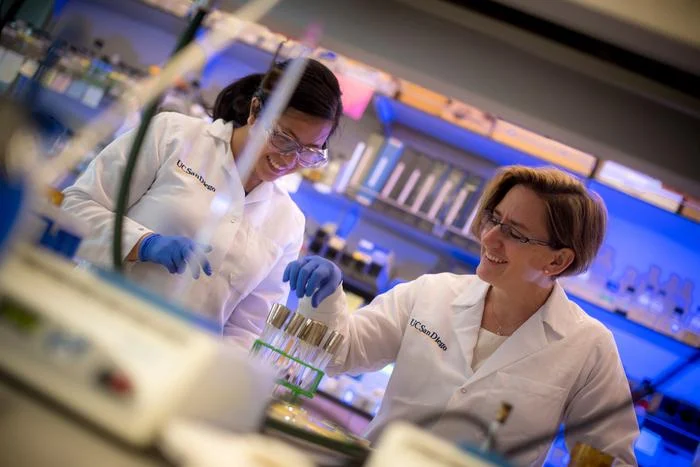
California, long celebrated as the "Golden State" for its historical abundance and economic vitality, is increasingly staking a claim to a new moniker: the "Genome Editing State." This week, the University of California (UC), San Diego, officially joined forces with the Innovative Genomics Institute (IGI), a powerhouse of genetic research founded by Nobel laureate and CRISPR co-discoverer Jennifer Doudna. This inter-state partnership signals a monumental shift in how academic institutions collaborate to solve existential threats in human health, climate change, and environmental sustainability.
The Core Partnership: A New Frontier in Biotechnology
The integration of UC San Diego into the IGI ecosystem marks the fourth UC campus to join the consortium, joining UC Berkeley, UC San Francisco, and UC Davis. The IGI, which Doudna established in 2015, was built on the premise that the revolutionary precision of CRISPR-Cas9—a technology that allows scientists to "edit" the fundamental code of life—should not remain trapped in the laboratory. Instead, it must be translated into scalable, accessible, and practical solutions for society’s most pressing problems.
By incorporating UC San Diego’s world-class faculty and facilities, the IGI is effectively expanding its toolkit. While the institute began with a heavy focus on human health and CRISPR-based medicine, the addition of UC San Diego brings specialized expertise in marine science, environmental engineering, computational biology, and advanced medicine. This multi-disciplinary approach is expected to accelerate the development of next-generation genomic tools that can operate beyond the petri dish and into the real world.
A Decade in the Making: The Chronology of Collaboration
The formal partnership announced this week is the culmination of nearly a decade of intellectual cross-pollination. The relationship between the IGI and UC San Diego was not a sudden development, but rather a slow-building synergy between researchers who recognized that the complexity of modern biological challenges requires a unified front.
The Foundation (2015–2018)
When Doudna launched the IGI, the primary focus was establishing the safety and efficacy of CRISPR in therapeutic settings. Concurrently, researchers at UC San Diego, particularly in the Division of Biological Sciences, were exploring the fringes of microbiology. Between 2015 and 2018, informal dialogues between Berkeley’s genomic pioneers and San Diego’s molecular biologists began to highlight a shared interest: the use of phages—viruses that infect bacteria—as a means of precision genetic control.
The Environmental Pivot (2018–2022)
By 2018, the scope of the collaboration widened significantly. Researchers began working on "applied microbiology," specifically focusing on how genomic tools could be deployed to manage ecological health. This period saw the first formal joint projects aimed at controlling disease-carrying mosquito populations and developing protocols to protect crops from emerging pest threats. These projects served as a "proof of concept" for the partnership, demonstrating that genomic editing could be safely managed in uncontrolled environments.
The Catalyst (2023–Present)
The year 2023 served as a watershed moment for the partnership. The Howard Hughes Medical Institute awarded a $10 million grant to UC San Diego scientists to explore the biomedical potential of "jumbo phages"—massive, complex viruses that could revolutionize the fight against antibiotic-resistant bacteria. Simultaneously, the IGI received a massive $70 million infusion from the Audacious Project to target microbiome imbalances. With these resources in hand, the move to formalize the alliance was both logical and necessary to ensure that these disparate, high-stakes projects could be integrated into a single, cohesive strategy.
Supporting Data and Research Scope
The scientific merit of this alliance is underscored by the scale of the challenges being addressed. The research agenda for the expanded IGI will focus on three primary "pillars" of genomic innovation:
1. Antimicrobial Resistance and Jumbo Phages
Antibiotic resistance is one of the most significant public health crises of the 21st century. The collaboration leverages the unique structure of "jumbo phages"—bacteriophages with genomes significantly larger than standard viruses. Because these phages can infect bacteria that are otherwise resistant to traditional drugs, they offer a "living medicine" approach to treating infections. UC San Diego’s deep expertise in this field, combined with the IGI’s CRISPR-based diagnostic and engineering capabilities, aims to create a rapid-response pipeline for hospital-acquired infections.
2. Microbiome Engineering
The $70 million Audacious Project initiative is fundamentally changing how we view the human and environmental microbiome. The partnership aims to use genome editing to modify microbes that contribute to inflammatory diseases, such as asthma, and to address climate-related issues, such as the methane emissions produced by livestock. By editing the gut microbiomes of cattle, researchers hope to significantly reduce their carbon footprint, demonstrating that genomic tools can be a potent weapon in the fight against climate change.
3. Marine and Soil Resilience
Climate change is currently placing unprecedented stress on the planet’s oceans and agricultural soils. UC San Diego’s Scripps Institution of Oceanography and the university’s broader engineering departments will lead efforts to develop scalable solutions for ocean health. This includes identifying genomic markers that allow marine life to adapt to warming temperatures and developing soil-based microbes that increase carbon sequestration.
Official Responses and Strategic Vision
The leaders of this partnership view the collaboration as an essential evolution of the research university model.
"I’m thrilled that the IGI is now partnering with UC San Diego," said Jennifer Doudna. "The mission of the IGI is to develop solutions that can not only scale to meet the biggest challenges in health and climate, but to make solutions that are accessible to those who need them most. UC San Diego helps us expand that real-world impact."
Dr. Kit Pogliano, Dean of the School of Biological Sciences at UC San Diego, echoed this sentiment, highlighting the alignment of institutional strengths. "UC San Diego brings exceptional strengths across biological sciences, medicine, engineering, computation, environmental research, and ocean science that align powerfully with the IGI’s mission," she stated.
Brad Ringeisen, Executive Director of the IGI, emphasized the operational synergy. "UC San Diego’s strengths in engineering, medical devices, environmental research, and the microbiome complement IGI’s current research areas," he noted. "This partnership allows us to expand our societal impact in ways that were previously siloed within individual institutions."
Implications: A New Era for Genomic Policy and Ethics
The implications of this partnership extend far beyond the laboratory. By creating a unified front across the UC system, the IGI is setting a standard for how large-scale genomic projects should be managed ethically and transparently.
Accelerating the Drug Discovery Pipeline
One of the most immediate impacts will be seen in the pharmaceutical sector. By combining the IGI’s "biotechnology discovery engine"—which excels at finding new CRISPR enzymes and delivery mechanisms—with UC San Diego’s robust health system, the time from discovery to clinical trial is expected to shrink. This is particularly vital for neurodegenerative diseases and other complex, chronic conditions where traditional drug discovery has hit a plateau.
Democratizing Access
A core tenet of Doudna’s philosophy is accessibility. The partnership has committed to an "open-science" framework, ensuring that the genomic tools developed through this alliance are not locked behind restrictive patent walls that would prevent them from reaching low- and middle-income countries. By focusing on scalable, low-cost solutions, the consortium hopes to prevent the "genomic divide," ensuring that the benefits of gene editing are global rather than local.
Environmental Stewardship
Finally, the partnership addresses the growing anxiety surrounding the use of gene editing in nature. Through the development of "safe protocols," the IGI and UC San Diego are working to establish the legal and ethical frameworks required to deploy these technologies responsibly. Whether it is managing mosquito populations to halt the spread of malaria or engineering crops to withstand drought, the partnership is positioning itself as the gold standard for regulatory and environmental due diligence.
As the "Genome Editing State" continues to coalesce, the eyes of the scientific world are fixed on California. If this collaboration succeeds in translating complex laboratory breakthroughs into tangible, large-scale solutions for climate and health, it will not only rewrite the textbooks on biotechnology—it will rewrite the future of the planet itself.