The End of an Era: EQT’s €10.8 Billion Acquisition Marks a New Chapter for Qiagen
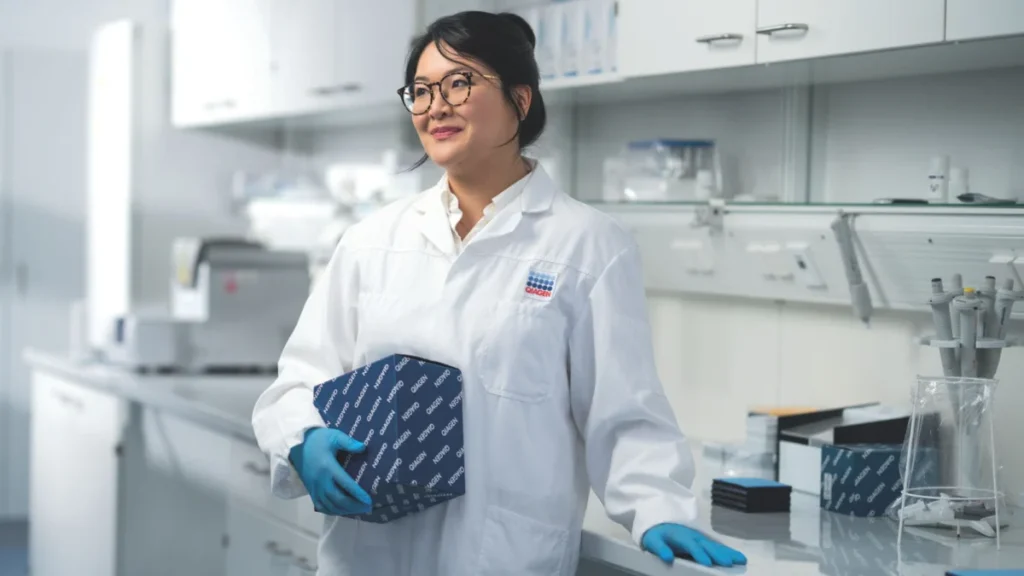
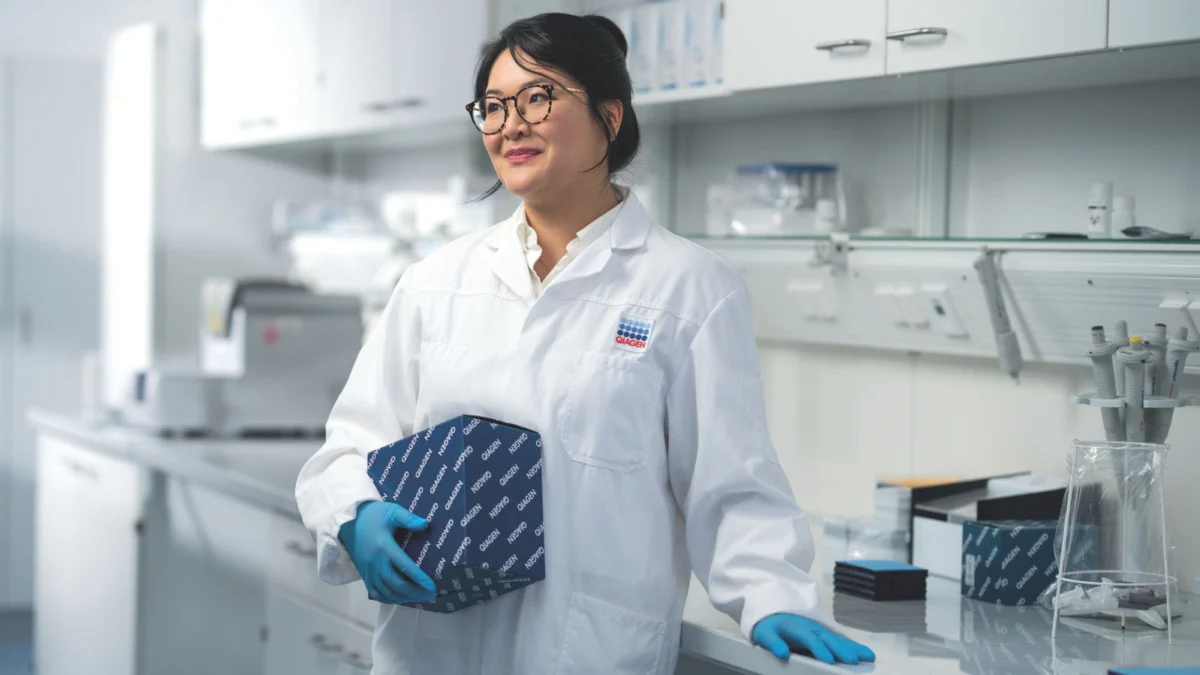
In a monumental development that reshapes the landscape of the global life-sciences sector, Swedish private equity giant EQT has reached a definitive agreement to acquire Qiagen, the powerhouse provider of sample and assay technologies, for approximately €10.8 billion ($12.1 billion). This all-cash transaction, which aims to take the publicly traded company private, marks the conclusion of nearly seven years of intermittent takeover speculation, failed bids, and strategic soul-searching for the diagnostics titan.
For investors, employees, and stakeholders, the announcement represents a pivotal shift. Qiagen, long a staple of the molecular diagnostics and life-sciences tools industry, will now retreat from the pressures of quarterly public earnings to focus on long-term value creation under the stewardship of one of Europe’s most formidable private equity firms.
The Financial Landscape of the Deal
The acquisition is being executed through an entity of EQT Private Equity, a holding structure indirectly controlled by the firm’s EQT XI fund. The financial muscle behind this deal is substantial: EQT, which boasts an impressive €354 billion in total assets under management, has secured robust backing from significant institutional co-investors. These include Luxinva, a wholly owned subsidiary of the Abu Dhabi Investment Authority (ADIA), and the CPP Investment Board Europe, a subsidiary of the Canada Pension Plan Investment Board (CPP Investments).
The offer price of €46.50 per share represents a significant premium for Qiagen’s long-term shareholders. While the figure sits at an 8.6% premium over the company’s closing price on the day prior to the announcement, the context of the offer is far more dramatic. Compared to the closing price on July 8—the last trading day before market rumors of a potential acquisition began to circulate—the offer represents a massive 40.3% premium. Furthermore, when measured against the three-month volume-weighted average price (VWAP) on the XETRA exchange, the premium climbs to 46.9%, underscoring the "compelling value" that Qiagen’s leadership believes this transaction offers to its investor base.
The total enterprise value of €10.8 billion accounts for approximately €1.1 billion in net debt, ensuring a clean slate for the company as it transitions into private ownership. EQT has confirmed that it has obtained the necessary committed equity and debt financing to fund the purchase and associated transaction costs, with a syndicate of major financial institutions—including Morgan Stanley, Jefferies, Deutsche Bank, SMBC, Crédit Agricole, and UniCredit—serving as bookrunners and lead arrangers.
A Turbulent Chronology: Seven Years of M&A Speculation
The path to this acquisition has been anything but linear. Qiagen has spent the better part of a decade at the center of persistent M&A rumors, often finding itself the subject of intense scrutiny from larger strategic players.
The most notable predecessor to this deal was the 2020 attempt by Thermo Fisher Scientific. Amid the global panic of the early COVID-19 pandemic, Thermo Fisher proposed a $11.5 billion takeover, hoping to integrate Qiagen’s rapid testing capabilities into its massive diagnostics portfolio. However, the deal collapsed five months later under the weight of activist shareholder opposition. Despite Thermo Fisher raising its bid to $12.5 billion, the offer failed to secure the required 66.67% tender threshold, garnering only 47% support. A vocal campaign led by hedge fund Davidson Kempner, which had increased its stake in Qiagen to 8%, ultimately proved fatal to the merger.
Following that high-profile failure, speculation remained rampant. In 2022, reports from The Wall Street Journal suggested that Bio-Rad Laboratories was in advanced talks to merge with Qiagen in a deal valued at over $10 billion, though both parties remained tight-lipped and no agreement materialized.
The current cycle of interest began in earnest in January, when market whispers regarding a new strategic review sparked a buying frenzy. Qiagen’s shares, which had been languishing, saw a 17% surge in a single week on the New York Stock Exchange, rising from $47.57 to $55.62. However, investor confidence wavered as the company struggled with its quarterly guidance. By April, Qiagen was forced to cut its net sales growth forecast from 5% to a modest 1–2%, citing a slump in demand for its QuantiFERON blood test kits—a consequence of reduced immigration-related tuberculosis testing in the U.S. and the Middle East. By mid-May, shares had bottomed out at a 52-week low, setting the stage for EQT’s final, successful overture.
Supporting Data: EQT’s Healthcare Pedigree
EQT’s decision to move on Qiagen is not an isolated gamble; it is the culmination of a deliberate strategy focused on the life-sciences sector. The firm possesses a three-decade track record of managing high-growth healthcare and technology assets, with over €30 billion currently invested across more than 210 companies globally.
Their portfolio in this space is diverse and high-performing. In 2019, EQT acquired a majority interest in Aldevron, a leader in the production of high-quality plasmid DNA and proteins. Just two years later, EQT sold its stake to Danaher for $9.6 billion, demonstrating an exceptional ability to drive value through operational improvements. Similarly, in 2021, EQT partnered with Goldman Sachs’ private equity arm to acquire contract research organization (CRO) giant Parexel for $8.5 billion.
With roughly 100 investment professionals dedicated to healthcare across 15 countries, EQT brings more than just capital to the table. The firm’s expertise in navigating the complex regulatory and R&D requirements of the diagnostics industry is expected to be a major asset for Qiagen, which has committed to maintaining its brand identity and operational independence post-acquisition.
Official Responses and Strategic Rationale
The leadership at Qiagen has been unequivocal in its support for the deal. According to Stephen H. Rusckowski, chairman of Qiagen’s Supervisory Board, the decision to sell was the result of a "comprehensive review" of all strategic alternatives.
"After considering Qiagen’s stand-alone strategic prospects and the alternatives available through discussions with strategic and financial parties, we unanimously concluded that this is the best path forward for Qiagen, its shareholders, and other stakeholders," Rusckowski stated. He emphasized that the transition to private ownership provides the company with "greater flexibility to invest longer term," away from the short-term pressures of quarterly market reporting.
Matteo Thun-Hohenstein, a Partner at EQT, echoed these sentiments, highlighting the firm’s intent to act as a partner rather than a disruptor. "Qiagen’s management team and employees have built an exceptional company with a portfolio of highly attractive products and respected brands," he said. "EQT brings deep sector experience, a global network, and operational capabilities, and we are proud to partner with Qiagen’s highly talented and capable employees to further invest in Qiagen’s continued product innovation and growth."
Implications: The Road to 2027
The transaction is expected to close in mid-2027, subject to customary closing conditions, including a minimum acceptance threshold of 50% of outstanding share capital plus one share, as well as necessary regulatory and foreign investment clearances.
The implications for the industry are profound. By taking a company of Qiagen’s stature private, EQT is betting on the long-term resilience of the molecular diagnostics market. Under the terms of the Business Combination Agreement, EQT has committed to supporting Qiagen’s strategy, key brands, operational footprint, and research and development activities.
For the company’s employees and researchers, the "culture of excellence" remains a priority. The agreement includes specific commitments to employee arrangements and operational stability. Furthermore, if the deal faces regulatory delays and fails to close within 10 months of the announcement, Qiagen has secured a provision to pay shareholders an interim dividend of up to $0.47 per share, offering a layer of protection against the uncertainty of the regulatory review process.
As the industry watches this transition, the narrative is clear: Qiagen is entering a new, quieter, but potentially more aggressive phase of its life cycle. Freed from the volatility of the public markets and backed by the deep pockets and operational expertise of EQT, the company is positioned to refocus on its core mission: advancing the life-sciences tools and diagnostics that have become indispensable to modern medicine. Whether this transition will finally yield the explosive growth that previous, failed suitors sought to capture remains to be seen, but for now, the long-standing saga of Qiagen’s ownership has finally found its resolution.