Tesla Settles Wrongful Death Lawsuit Involving Full Self-Driving: A Turning Point for Automated Safety
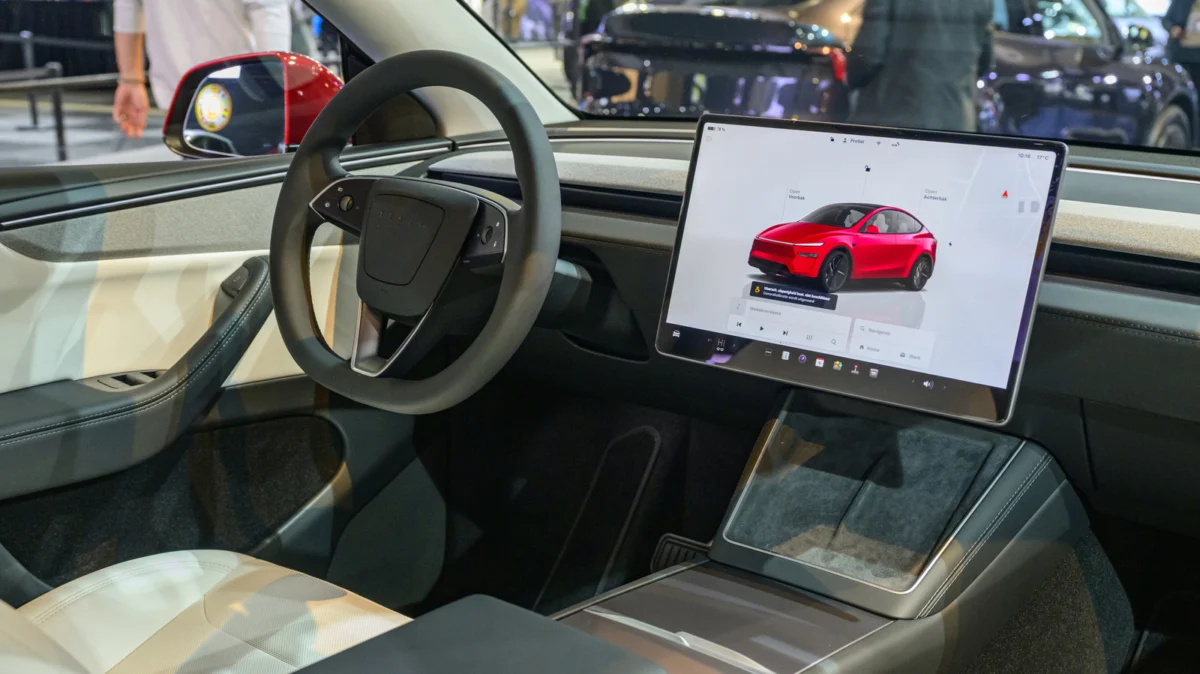
In a significant development for the electric vehicle industry and the future of autonomous driving, Tesla has reached a confidential settlement in a high-profile wrongful death lawsuit. The case, which centered on the 2023 fatality of 71-year-old Johna Story in Arizona, represents a pivotal moment in the ongoing legal and regulatory scrutiny surrounding Tesla’s "Full Self-Driving" (FSD) technology. While the specific financial terms of the agreement remain shielded from public view, the resolution of the case marks the conclusion of a landmark legal battle that challenged the efficacy and marketing of one of the world’s most debated driver-assistance systems.
The Tragic Incident: A Breakdown of the 2023 Arizona Crash
The incident occurred under circumstances that highlight the complex, often unpredictable nature of real-world driving environments. Johna Story, a 71-year-old grandmother, had stepped out of her vehicle to assist in directing traffic following a separate collision on an Arizona roadway. The secondary accident, which was reportedly exacerbated by intense sun glare—a known challenge for camera-based computer vision systems—led to a tragic chain of events.
As Story was navigating the scene on foot, a Tesla Model Y, operating under the engagement of Full Self-Driving software, struck her. The impact resulted in fatal injuries, marking what is widely considered the first documented instance of a pedestrian fatality directly linked to the active use of Tesla’s advanced driver-assistance technology. The case ignited immediate debate regarding the "Supervised" nature of the software, the limitations of vision-only sensor suites in low-visibility or high-glare environments, and the responsibilities of human operators when the system is engaged.
Chronology of the Case and Legal Proceedings
The legal trajectory of the Story case serves as a microcosm of the broader challenges Tesla faces as it attempts to scale its autonomous driving ambitions.
- 2023: The collision occurs in Arizona. Following the incident, the family of Johna Story files a wrongful death lawsuit against Tesla, alleging that the software failed to properly detect and respond to a pedestrian in the roadway.
- 2023-2024: The National Highway Traffic Safety Administration (NHTSA) launches a formal investigation into the crash. The federal probe focuses on the performance of the FSD suite in scenarios involving "reduced visibility," a direct response to the specific conditions surrounding the Story accident.
- 2025-2026: As the case moves through the discovery phase, legal experts observe that this lawsuit distinguishes itself from previous litigation by focusing specifically on the FSD software architecture rather than the more limited Autopilot feature.
- June 2026: Bloomberg reports that Tesla has reached a settlement with the Story family. The settlement brings an end to the litigation just as it was reaching a critical juncture, effectively preventing a public trial that would have subjected Tesla’s proprietary software code and internal safety testing protocols to rigorous courtroom scrutiny.
The Evolution of Tesla’s Driver Assistance: From "Full" to "Supervised"
A central component of this legal dispute—and many others involving the company—has been the nomenclature used to market the technology. For years, Tesla marketed its suite as "Full Self-Driving," a term that critics, safety advocates, and even some regulatory bodies argued was inherently deceptive.
In response to sustained pressure from the California Department of Motor Vehicles and other agencies, Tesla eventually rebranded the software to "Full Self-Driving (Supervised)." This shift in terminology was a tactical acknowledgement that the system does not make the vehicle truly autonomous. The driver remains legally and operationally responsible for the vehicle at all times.
Despite this rebranding, the fundamental technological challenge remains: how to bridge the gap between "driver-assist" and "fully autonomous." The Story lawsuit highlighted that even with a human "supervising," the hand-off time required for a driver to intervene in a high-speed, low-visibility scenario is often insufficient, leading to tragic outcomes.
Federal Scrutiny: The Role of the NHTSA
The National Highway Traffic Safety Administration has played an increasingly aggressive role in monitoring Tesla’s software deployments. The federal investigation sparked by the Story incident is not an isolated event. It is part of a broader, multi-year inquiry into Tesla’s ability to detect objects in the road, particularly in adverse weather conditions or areas with high glare.
The NHTSA’s interest is primarily focused on the reliance on a "vision-only" approach. Unlike competitors who integrate LiDAR (Light Detection and Ranging) and radar to create a multi-layered perception of the environment, Tesla relies exclusively on cameras and neural networks. The central question for federal regulators is whether this approach provides an adequate safety redundancy level for a system that is marketed as being capable of handling complex urban and suburban driving environments.
Implications for the Industry and Future Litigation
The settlement in the Story case carries profound implications for the automotive industry, particularly for companies racing to achieve Level 4 and Level 5 autonomy.
1. The Precedent of Confidential Settlements
By settling, Tesla has once again successfully avoided a public verdict. While this protects the company from an adverse jury decision that could set a negative legal precedent, it also means that the specific technical failures identified in the discovery process remain confidential. For the legal community, this creates a "black box" effect, where plaintiffs in future cases must start their investigative processes from scratch rather than building upon previously established facts.
2. Evolving Liability Standards
The legal landscape is shifting. Historically, manufacturers were shielded by the argument that the driver was in control. However, courts are increasingly receptive to arguments centered on "product liability"—specifically, that the software’s interface design, marketing, and failure modes constitute a defective product. The success of the Story family in reaching a settlement suggests that plaintiffs’ attorneys are becoming more adept at navigating the technical complexities of AI-driven driving software.
3. Increased Regulatory Pressure
The federal government is clearly signaling that it will not allow the "beta" nature of software to excuse safety failures. We are likely to see more stringent mandates regarding what "Supervised" means in practice. This may include requirements for more robust driver-monitoring systems (such as infrared eye-tracking cameras) and clearer, more transparent communication to consumers regarding the limitations of the software.
A Growing Pattern: Tesla’s Legal Challenges
The Story case is far from an outlier. Tesla is currently contending with a complex web of litigation:
- The Apple Engineer Case: In a previous high-profile settlement, Tesla resolved a lawsuit involving an Apple engineer who died when his Model X crashed while the Autopilot system was engaged.
- Ongoing Wrongful Death Litigation: A new lawsuit has recently been filed by the family of a woman killed in an accident involving a Model 3 in Texas, where the use of an "automated driving assistance system" is once again at the heart of the complaint.
- Marketing Misrepresentation: Beyond individual crashes, Tesla faces ongoing scrutiny from state regulators over its historical marketing, with judges in jurisdictions like California ruling that the company used "deceptive language" to describe its capabilities.
Conclusion: The Path Forward
The settlement of the Johna Story lawsuit is a reminder that the transition to automated driving is fraught with human, ethical, and legal peril. While Tesla continues to innovate at a rapid pace, the gap between the promise of "Full Self-Driving" and the reality of its performance on public roads remains a point of intense friction.
For Tesla, the path forward will likely involve a dual strategy: continuing to refine its neural network training data to improve safety performance, while simultaneously building a robust legal and regulatory defense to mitigate the impact of the inevitable incidents that occur during the maturation of the technology. For the public, the message remains clear: despite the marketing, these systems are experimental in nature, and the burden of safety—at least for the foreseeable future—remains firmly in the hands of the human behind the wheel.
As technology continues to outpace legislation, the courts will likely remain the primary venue where the boundaries of autonomous safety are defined, one settlement at a time.