Samsung Biologics Targets Global Dominance with $1.8 Billion Acquisition of PolyPeptide Group
In a strategic maneuver that signals a seismic shift in the Contract Development and Manufacturing Organization (CDMO) landscape, Samsung Biologics has announced an all-cash public tender offer to acquire the Switzerland-based PolyPeptide Group. Valued at approximately $1.8 billion, the acquisition marks a decisive pivot for the South Korean giant as it moves to aggressively diversify its portfolio beyond its traditional stronghold in monoclonal antibodies and antibody-drug conjugates (ADCs).
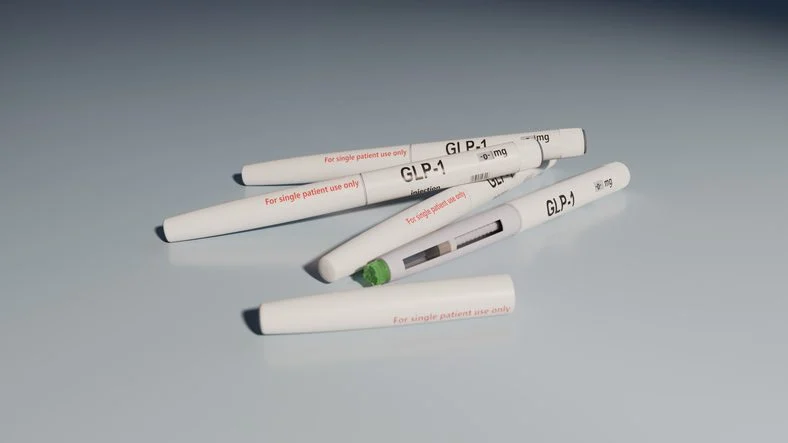
By absorbing PolyPeptide’s specialized infrastructure, Samsung Biologics is not merely acquiring a company; it is securing a critical foothold in the high-growth market for peptide-based active pharmaceutical ingredients (APIs). This move positions the company at the epicenter of the global GLP-1 revolution, providing the scale and technical depth required to meet the unprecedented demand for obesity and diabetes treatments.
The Strategic Core: Why Peptides?
The global pharmaceutical industry is currently undergoing a structural change in how it treats chronic metabolic conditions. The rapid rise of GLP-1 receptor agonists—drugs that have demonstrated efficacy in weight management and glycemic control—has created a supply-demand imbalance that traditional manufacturing facilities struggle to reconcile.
Peptides are complex molecules that require highly specialized synthesis and purification processes. Unlike standard small-molecule drugs, the production of peptides involves delicate chemical linkages that are prone to yield loss and require precise environmental controls. PolyPeptide Group, with its decades of experience, has mastered these complexities, operating an integrated development-to-commercial model that spans the entire lifecycle of a drug.
For Samsung Biologics, the acquisition is the missing piece of a multi-modality puzzle. By integrating PolyPeptide’s modular and automated manufacturing capabilities, Samsung can now offer its clients a "one-stop-shop" that ranges from initial clinical development to large-scale commercial supply, covering everything from biologics to synthetic peptides.
A Chronology of the Deal
While the announcement of the $1.8 billion tender offer represents the public culmination of the deal, industry observers note that the groundwork for this acquisition was laid over several quarters of market consolidation.
- Q1 2026: Samsung Biologics identifies the "peptide gap" in its portfolio as a primary barrier to capturing the full value of the emerging metabolic drug market.
- Q2 2026: Informal discussions between Samsung leadership and the PolyPeptide Board of Directors commence, exploring a potential merger that would provide the latter with the capital infusion necessary for global expansion.
- Early July 2026: Both parties conduct extensive due diligence, evaluating the synergy between Samsung’s massive manufacturing footprint and PolyPeptide’s specialized R&D centers in Europe.
- July 2026: The official public tender offer is finalized. The PolyPeptide Board of Directors unanimously recommends that shareholders accept the offer, citing the immediate and certain cash value provided by the transaction.
- Post-Announcement Phase: Regulatory filings are initiated in the European Union, the United States, and India to ensure compliance with antitrust and foreign investment standards.
Operational Synergies and Geographic Reach
The acquisition brings together a formidable network of assets. PolyPeptide currently operates a sophisticated global network, including manufacturing sites in Sweden, Belgium, France, the United States, and India. Each site is integrated with the company’s corporate hub in Switzerland and its dedicated Innovation Center in Strasbourg, France.
The Power of Proximity
One of the most compelling aspects of the deal is the geographic alignment. Samsung Biologics has long sought to minimize supply chain friction for its Western clients. By absorbing PolyPeptide’s established U.S. and European sites, Samsung effectively brings its production capacity to the doorstep of the world’s largest pharmaceutical markets.
Furthermore, the inclusion of PolyPeptide’s India operations provides Samsung with a dual-lever strategy: high-end technical manufacturing in Western markets combined with cost-effective, scalable production in India. This, according to analysts, will allow Samsung to offer tiered pricing structures that appeal to both big pharma innovators and mid-market biotech firms.
Automation as a Competitive Advantage
PolyPeptide has distinguished itself through a modular approach to manufacturing. By utilizing automation and standardized synthesis platforms, the company has successfully reduced the "time-to-market" for complex peptides. Samsung intends to adopt this model, scaling it across its existing biologics facilities. This integration is expected to result in a "multi-modality CDMO platform" that is virtually unmatched in terms of technical versatility.
Official Responses and Stakeholder Perspectives
The View from Samsung Biologics
John Rim, Chairman of the Board and CEO of Samsung Biologics, has been the primary architect of this expansion strategy. In his official statement, Rim emphasized that the acquisition is a long-term play rather than a short-term opportunistic move.
"This acquisition reinforces our long-term growth strategy by not only broadening our service portfolio with modality expansion into peptides, including GLP-1, but by also boosting our geographic reach and proximity further within the U.S., Europe, and India," Rim noted. He further highlighted that the marriage of Samsung’s scientific rigor with PolyPeptide’s specialized team will create a new standard for quality in the peptide manufacturing sector.
The PolyPeptide Board’s Stance
Peter Wilden, Chairman of the Board of Directors at PolyPeptide, addressed the concerns of shareholders regarding the future of the firm. He framed the acquisition as a transformative necessity.
"After a comprehensive review of strategic options, the Board is convinced that Samsung Biologics’ offer is compelling for our shareholders, delivering an attractive cash price and immediate, certain value today," Wilden stated. "At the same time, it represents a transformational opportunity to accelerate our strategic ambitions at a scale we could not reach alone."
Implications for the Global CDMO Market
The $1.8 billion deal will likely trigger a ripple effect across the CDMO landscape. For competitors, the message is clear: the era of the specialized, single-modality CDMO is under pressure.
1. The Rise of the "Super-CDMO"
Samsung Biologics is rapidly evolving into a "Super-CDMO." By controlling the manufacturing processes for antibodies, ADCs, and now peptides, the company creates high switching costs for its clients. Once a client integrates their development pipeline with Samsung, the ability to move between different modalities within the same ecosystem becomes an immense operational benefit.
2. Heightened Competition for GLP-1 Capacity
With the acquisition, Samsung joins a select group of companies capable of handling the high-volume, high-complexity production required for obesity and diabetes medications. This will likely spark a "capacity race," where other major CDMOs—such as Lonza, Thermo Fisher, and Catalent—may be forced to pursue their own acquisitions or aggressive internal capacity expansions to maintain market share.
3. R&D Pipeline Acceleration
Samsung’s official communications have highlighted a "deep late-stage portfolio" of active peptide projects already in the works at PolyPeptide. By providing these projects with the financial backing and regulatory expertise of the Samsung Group, the transition from clinical trial to commercial launch is expected to shorten significantly. This is a positive development for drug developers who have been struggling with the "manufacturing bottleneck" that has defined the last two years of the pharmaceutical industry.
Future Outlook: A New Horizon for Samsung
As the transaction moves toward final closure, industry analysts are looking toward the potential for further expansion. Samsung Biologics has demonstrated a clear appetite for inorganic growth, and the integration of the PolyPeptide network will likely provide a blueprint for future acquisitions.
The focus for the next 18 to 24 months will be on the seamless integration of PolyPeptide’s technical workforce into the Samsung ecosystem. Retaining the specialized talent in Strasbourg and the U.S. will be paramount. Should Samsung succeed in creating a cohesive, cross-functional organization, they will likely cement their position as the world’s leading CDMO, capable of supporting the most complex medical breakthroughs of the next decade.
In conclusion, the acquisition of PolyPeptide Group is more than a transaction; it is a declaration of intent. Samsung Biologics is betting heavily on the future of peptide therapeutics, and by aligning its massive scale with specialized peptide expertise, it has positioned itself as the indispensable partner for the next generation of life-saving medicines.