The Silent Threat: How a Critical 0-Day in Cursor IDE Sparked a Five-Month Security Standoff
The promise of modern AI-powered development tools is speed, efficiency, and the ability to abstract away the mundane complexities of software engineering. However, a recently disclosed vulnerability in the popular Cursor IDE serves as a stark reminder that convenience often comes at the cost of security. Cybersecurity firm Mindgard has publicly disclosed an unpatched "0-day" vulnerability in Cursor—an exploit that allows malicious actors to trigger arbitrary code execution on Windows systems simply by tricking a developer into opening a compromised repository.
For a tool that has become a staple in the workflows of thousands of developers, the implications of this flaw are profound. It transforms a routine action—opening a project—into a potential gateway for system-level compromise.
The Anatomy of the Exploit: A Path Traversal Hazard
At the heart of the vulnerability lies a flaw in how Cursor resolves Git binaries during its initialization sequence. When a developer opens a project folder, Cursor is designed to scan for the Git executable to enable version control features. In its current implementation, the IDE checks several directories for the git.exe binary, one of which includes the root of the workspace itself.
This creates a high-risk scenario: if a repository contains a malicious file named git.exe in its root directory, Cursor will identify and execute that file the moment the project is loaded. Because this execution is woven into the IDE’s startup routine, it occurs silently and automatically. There is no prompt, no permission request, and no warning to the developer.
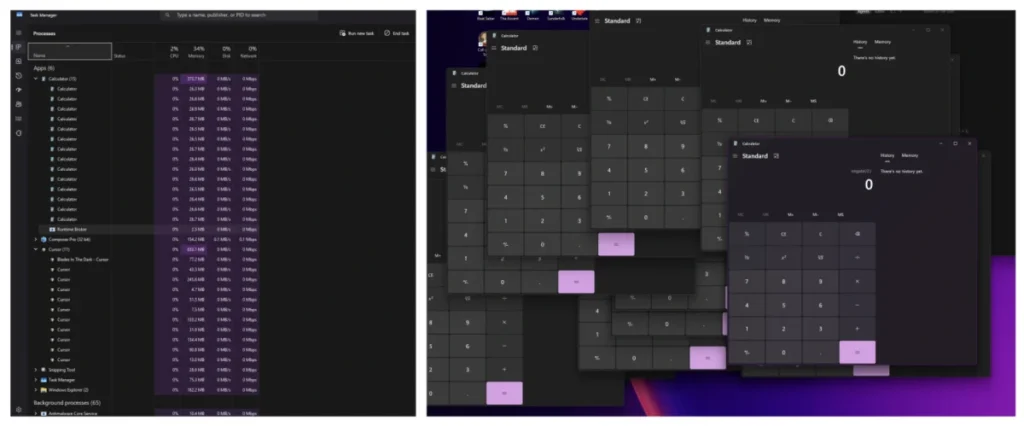
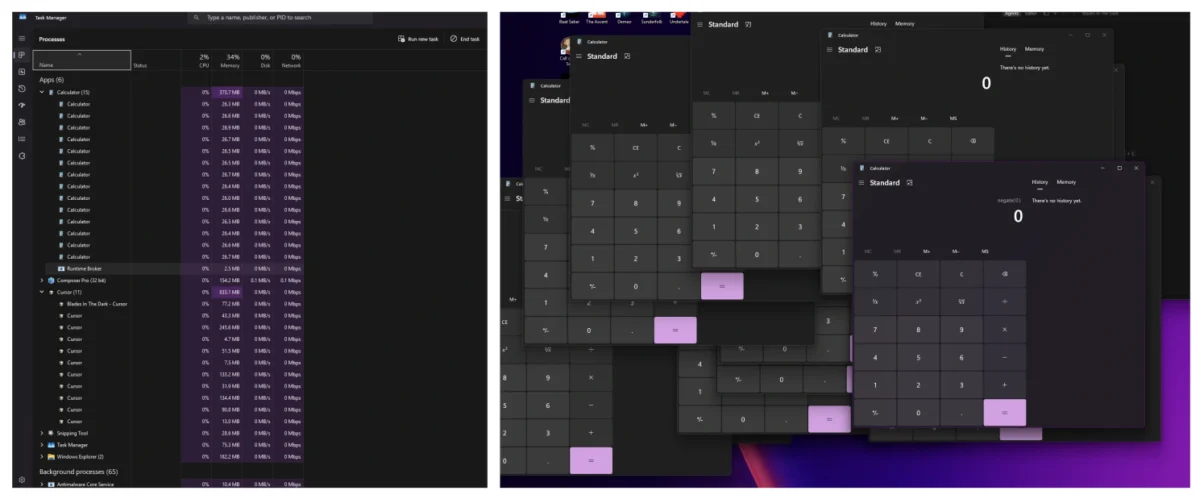
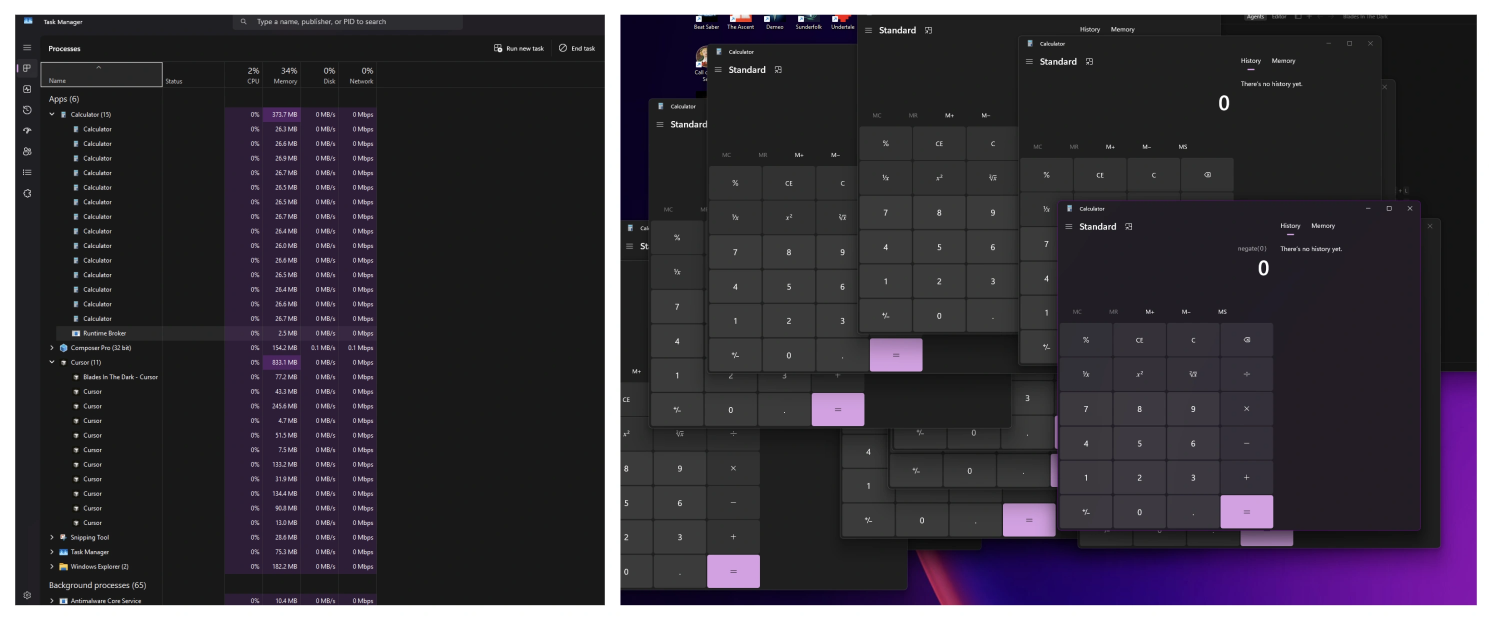
Mindgard’s proof-of-concept (PoC) demonstrated the severity of this oversight with chilling simplicity. By taking the legitimate Windows Calculator application and renaming it to git.exe, researchers placed the renamed file in a test repository. Upon opening the folder in Cursor, the IDE immediately launched the Calculator. In a real-world attack scenario, the "Calculator" could easily be replaced with a reverse shell, a credential-stealing script, or ransomware, granting an attacker persistent access to the victim’s machine.
A Chronology of Neglect: Five Months of Silence
The discovery of a vulnerability is only half the battle; the other half is responsible disclosure. In this case, the path from discovery to public disclosure was marked by an exhausting five-month saga of silence, administrative barriers, and perceived apathy from the Cursor team.

December 2025: Initial Disclosure
The timeline began on December 15, 2025, when Aaron Portnoy of Mindgard first reported the vulnerability. Following standard industry practice, the team attempted to reach out through established channels. However, the report was met with an unsettling lack of engagement.
January – April 2026: The "Cat and Mouse" Game
As the months progressed, the lack of communication became a pattern. Requests for status updates throughout February, March, and April were left unanswered. During this period, the Cursor team continued to push out product updates and new AI-driven features, creating a jarring juxtaposition between their active development cycle and their silence regarding a critical security flaw.
The situation escalated when a formal report submitted via HackerOne was prematurely closed, with Cursor representatives labeling the finding as "informative and out of scope." This dismissal was particularly damaging, as it suggested that the security team at Cursor either fundamentally misunderstood the severity of the exploit or was actively attempting to deflect responsibility. Only after sustained pushback from Mindgard was the report reopened and acknowledged.
May 2026: The LinkedIn Intervention
The breaking point occurred when Portnoy, facing a total breakdown in private communication, took to LinkedIn. His public call for a security contact finally forced a response. A CISO at Cursor eventually engaged, attributing the initial failure to a "broken automation" that allegedly caused the team to miss the original HackerOne invitation. While this provided a technical excuse for the initial oversight, it did not explain the subsequent months of radio silence.
The Implications: Why This Matters for Modern Development
The Cursor vulnerability is more than just a "bug"; it represents a systemic risk in the modern developer ecosystem. As AI coding assistants become more deeply integrated into the operating system and the development environment, the trust placed in these tools grows.
The Erosion of Developer Trust
Developers rely on IDEs to be a "safe space" for code. When an IDE becomes an attack vector, it undermines the fundamental assumption that opening a codebase is a safe, benign action. This incident serves as a warning to the industry: the rapid iteration cycles of AI startups must be balanced with robust security engineering practices.
The "Silent Execution" Problem
The fact that this exploit requires zero interaction from the user—no clicking of malicious links, no execution of strange files—makes it particularly dangerous. It is a "zero-click" vulnerability in the context of the user’s workspace. For developers who frequently clone and explore open-source repositories from GitHub, this creates a high-stakes environment where a single malicious pull request could lead to a total system compromise.
The Responsibility of AI Firms
The transition from a small startup to a widely used development tool carries with it the responsibility of managing enterprise-grade security disclosures. The response from Cursor—blaming automation for missing reports and initially dismissing the issue as "out of scope"—suggests a maturity gap. Security, particularly in software development tooling, is not a feature that can be bolted on later; it is a core component of the product’s integrity.
Official Responses and the Path Forward
When finally pressed for comment by Dark Reading, a spokesperson for Cursor offered a brief and guarded statement: "I can confirm we are addressing this and will get back to Mindgard accordingly."

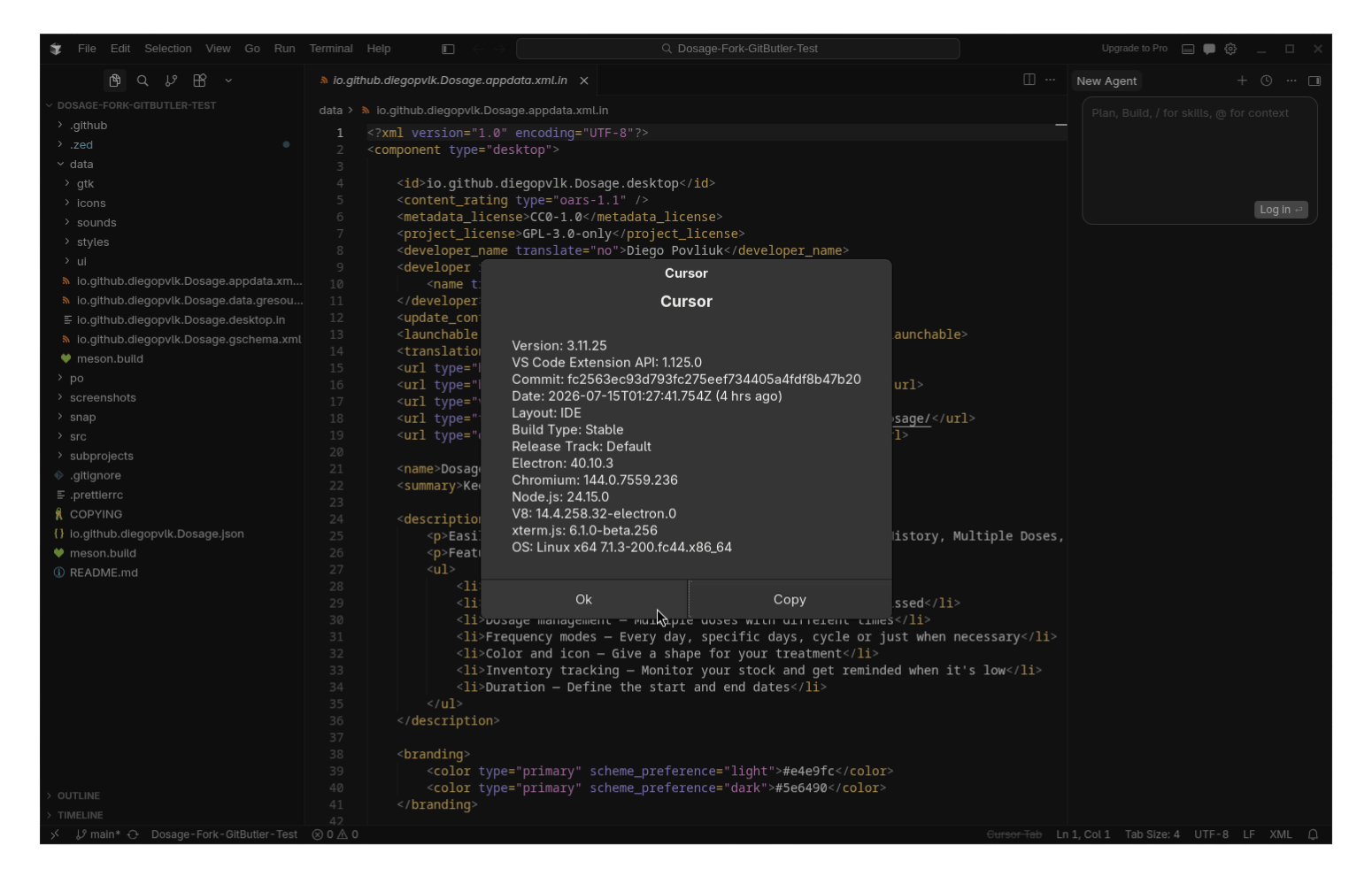
For many in the security community, this response is insufficient. It lacks the urgency expected of an organization handling a 0-day that impacts thousands of professional developers. As of this writing, the patch status remains a point of contention. The ambiguity of the response suggests that while Cursor is aware of the situation, the internal processes for incident response may still be in flux.
Industry Best Practices: Lessons for Developers
While the responsibility for patching this flaw lies with Cursor, the incident provides a sobering lesson for developers regarding their own security hygiene:
- Repository Integrity: Be cautious when cloning repositories from untrusted or unknown sources. While this specific exploit relies on a vulnerability in the IDE, it reinforces the need to vet code before opening it in a trusted environment.
- Environment Isolation: Consider using containerized environments or virtual machines for testing or exploring unknown projects. Tools like Docker or Dev Containers can create a buffer between an untrusted project and your host operating system.
- Monitor Security Disclosures: Stay informed about the tools you use daily. If an IDE or editor you use is prone to security issues, keeping a close watch on CVE databases and security blogs is essential.
- Demand Accountability: As evidenced by Mindgard’s experience, public disclosure is often the only mechanism that forces companies to prioritize security. Supporting independent security researchers and demanding transparent vulnerability disclosure policies from vendors is crucial for a healthier software ecosystem.
Conclusion
The Cursor IDE 0-day is a cautionary tale for the era of rapid AI deployment. It highlights the friction between the "move fast and break things" philosophy of the AI boom and the "security first" mandate of professional software development.
While Cursor has promised a resolution, the five-month delay in addressing a critical, easily reproducible exploit has left a stain on the product’s reputation. For the thousands of developers who have integrated Cursor into their daily workflows, this incident is a stark reminder to remain vigilant. In the world of modern development, your tools are only as safe as the companies behind them—and as this incident demonstrates, trust should always be verified, never assumed.
As the industry moves forward, the pressure will be on Cursor to not only patch this specific vulnerability but to fundamentally overhaul its security response pipeline. Only through radical transparency and a renewed commitment to user safety can they hope to regain the trust of the developer community they aim to serve.