Empowering the Future: Google Announces the Third Annual Women in Machine Learning Symposium
By Industry Editorial Staff
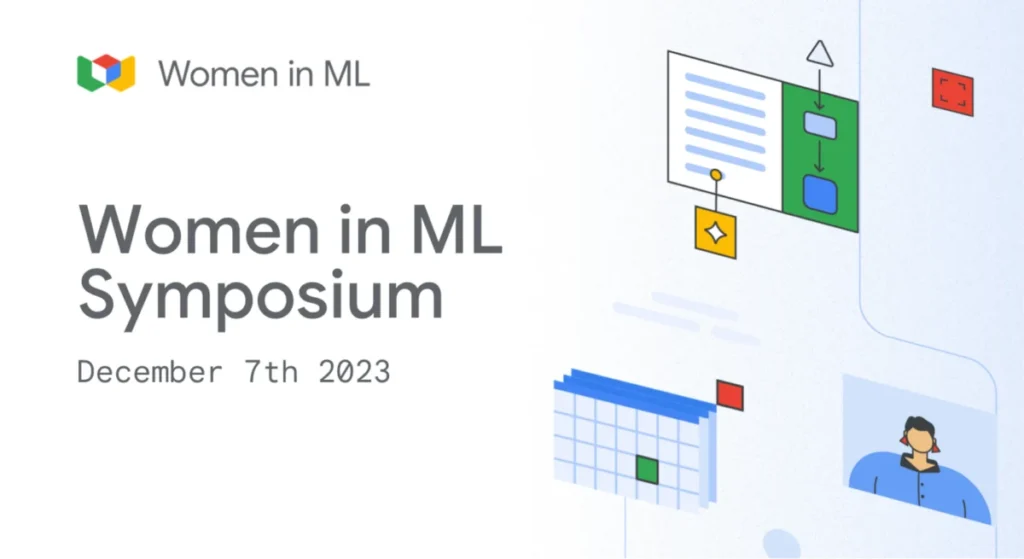
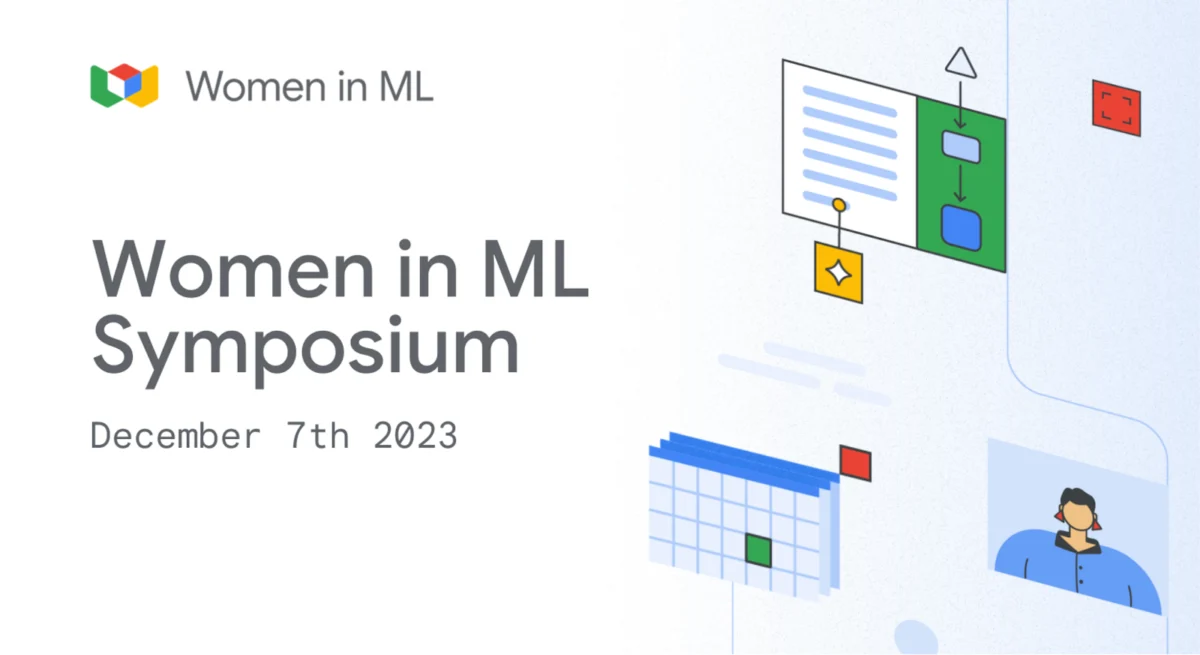
In an era where Artificial Intelligence (AI) and Machine Learning (ML) are rapidly reshaping the global economic and social landscape, the demand for diverse perspectives in technical leadership has never been more urgent. Recognizing this imperative, Google has officially announced the return of its flagship event: the third annual Women in Machine Learning (WiML) Symposium.
Scheduled for December 7, 2023, the virtual event aims to serve as a nexus for innovation, mentorship, and technical exploration. Designed to cater to a spectrum of expertise—from students and entry-level developers to seasoned research scientists—the symposium underscores Google’s ongoing commitment to fostering an inclusive ecosystem where women can lead the next wave of the AI revolution.
Main Facts: What to Expect at WiML 2023
The 2023 iteration of the WiML Symposium is set to take place from 9:30 AM to 1:00 PM PT. As a virtual-first gathering, the event removes geographical barriers, allowing a global audience to participate in high-level discussions regarding the state of AI.
According to Sharbani Roy, Senior Director of Product Management at Google, the symposium is not merely a networking event; it is an "immersive set of deep dives" into the most critical technologies currently defining the industry. The curriculum for the day is intentionally broad, covering:
- Generative AI: An exploration of large language models (LLMs) and their potential to transform creative and analytical workflows.
- Privacy-Preserving AI: Addressing the critical intersection of data utility and user security in a post-GDPR regulatory environment.
- ML Infrastructure: A technical look at the accelerators, hardware, and software frameworks—such as JAX and TensorFlow—that serve as the backbone for modern model training.
- Cross-Industry Application: Case studies demonstrating how ML is currently being utilized in sectors ranging from healthcare diagnostics to digital media creation.
Chronology: Building a Legacy of Inclusion
The WiML Symposium is the latest chapter in a multi-year effort by Google to correct the historical gender imbalance within the STEM and AI fields. To understand the significance of this event, one must look at the recent trajectory of the initiative:
- The Foundation (Pre-2021): Google identified that while interest in ML was skyrocketing, the representation of women in conference papers and research roles remained statistically low.
- The Inaugural Symposium (2021): The first event launched with the goal of creating a dedicated space for women to present research and network, acknowledging that traditional academic and industry conferences often lacked dedicated programming for gender parity.
- Expansion (2022): The second symposium saw an increase in industry partners, inviting external experts to speak on the practical application of AI in enterprise settings, moving beyond purely academic research.
- The 2023 Milestone: With the third event, the focus has shifted toward "professional mastery." The curriculum is more granular, offering sessions that bridge the gap between foundational ML concepts and production-level deployment.
Supporting Data: Why Representation Matters in AI
The necessity of the WiML Symposium is underscored by persistent industry data. Despite significant gains in tech employment, women still make up a small percentage of the specialized AI research workforce. According to recent reports from the World Economic Forum and various AI indices, women account for roughly 20% to 25% of AI professionals globally.
This lack of diversity is not just a social concern; it is a technical risk. Algorithms are only as neutral as the data they are fed and the teams that design them. When AI development teams lack diversity, the propensity for algorithmic bias—in areas like facial recognition, credit scoring, and healthcare recommendations—increases significantly.
By gathering leading minds from institutions like Google Health, Nvidia, and Adobe, the symposium acts as a clearinghouse for "responsible AI" practices. The data suggests that diverse teams are 19% more likely to innovate, a metric that the symposium organizers hope to leverage to encourage more women to transition into senior ML engineering roles.
Official Responses and Industry Collaboration
The strength of the WiML Symposium lies in its collaborative nature. It is not an insular Google event, but rather a cross-industry collaboration.
In a recent briefing, organizers highlighted the participation of leaders from across the technology sector. By involving companies like Nvidia (the leading provider of AI hardware) and Adobe (the leader in creative AI software), the event ensures that attendees are exposed to a holistic view of the industry.
"Our event offers sessions for all expertise levels," notes Sharbani Roy. "We want to ensure that whether you are a developer looking to optimize your first neural network or an architect managing massive, multi-cloud ML pipelines, you find value in the discourse."
The inclusion of Google Health speakers is particularly notable. It signals a shift toward the "AI for Good" movement, where attendees can learn how machine learning is being applied to solve existential challenges, such as cancer detection through medical imaging and the optimization of resource distribution in humanitarian aid.
Implications: The Future of the AI Workforce
The 2023 symposium arrives at a pivotal moment. The rapid rise of Generative AI has moved the technology from the lab to the living room in less than 18 months. This speed of adoption has created a massive "skills gap."
The Skills Gap Challenge
The industry is currently facing a shortage of qualified talent capable of building, maintaining, and auditing AI models. By focusing on "beginner to advanced" pathways, the WiML Symposium is effectively functioning as a pipeline-building mechanism. It encourages women to enter the field by providing a supportive environment to ask questions, learn about open-source tools, and understand the nuances of the current job market.
Setting Standards for Responsible AI
Another long-term implication of this symposium is the normalization of "Responsible AI." As these practitioners move into leadership roles, the emphasis on privacy-preserving techniques and ethical frameworks discussed during the event will become embedded in the corporate culture of the next generation of tech firms.
Global Networking and Mentorship
Perhaps the most significant implication is the creation of a global network. For many women in tech, the "glass ceiling" is often a "glass wall"—a lack of access to the peer networks that drive career progression. The virtual format of the symposium facilitates a cross-border exchange of ideas, allowing a researcher in Bangalore to collaborate with or learn from a product manager in London or a lead engineer in Silicon Valley.
How to Participate
For those interested in the future of the field, the barrier to entry is intentionally low. Google has made registration for the event free and accessible. Prospective attendees are encouraged to visit the official Women in Machine Learning Symposium page to review the agenda and secure their spot.
As the industry moves toward 2024, events like this will continue to serve as the benchmark for how technology giants should interact with their communities. By prioritizing knowledge sharing and professional empowerment, Google is not just hosting an event; it is helping to dictate the demographic trajectory of the AI sector.
Final Thoughts
The third annual Women in Machine Learning Symposium is more than a series of webinars. It is a strategic intervention in the technology sector’s most vital field. By providing access to the brightest minds in the industry—and by creating a platform for women to showcase their own contributions—Google is ensuring that the future of AI is not only intelligent but also equitable.
As the December 7 date approaches, the excitement surrounding the event is a testament to the fact that the tech community is ready for a more inclusive, diverse, and representative future in Artificial Intelligence. Whether you are looking to refine your technical skills or simply wish to understand the trajectory of the industry, the 2023 symposium is an essential milestone in the modern tech calendar.