The Future of Syntax Highlighting: How MicroLighter is Redefining Web Performance
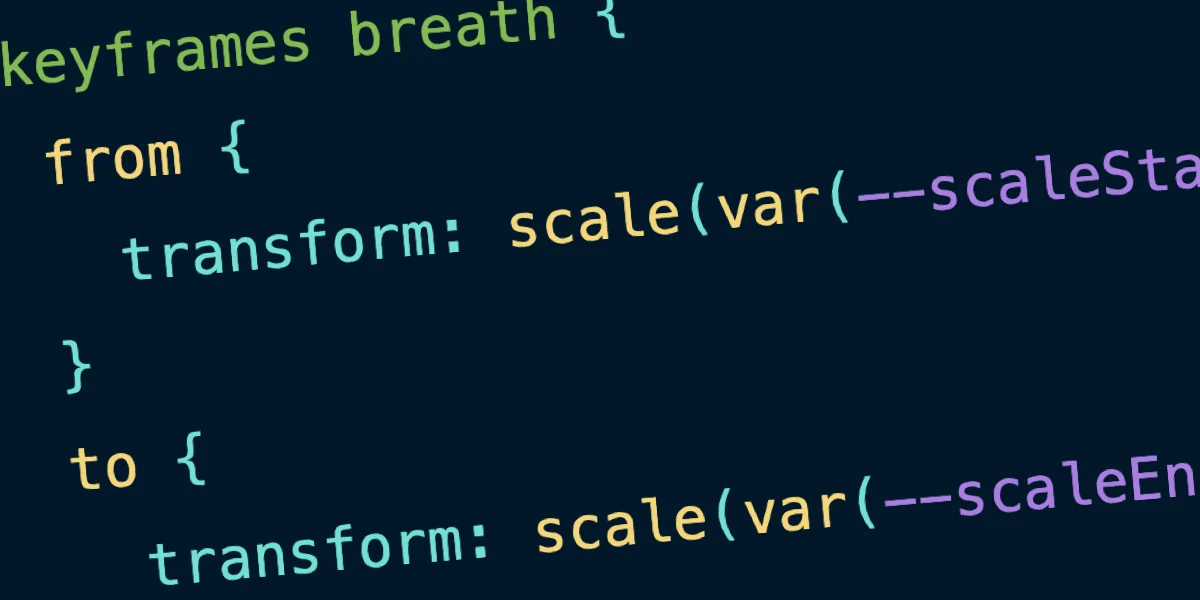
In the ever-evolving landscape of web development, few challenges have been as persistent as the "syntax highlighting problem." For years, developers have relied on heavy, JavaScript-dependent libraries to color-code their code snippets, often at the expense of page load times and core web vitals. However, a new tool—MicroLighter—has emerged to challenge this status quo. By leveraging the modern CSS Custom Highlight API, MicroLighter offers a lightweight, performant, and highly modular alternative to the industry standards that have dominated the field for over a decade.
Main Facts: A Paradigm Shift in Code Display
At its core, MicroLighter represents a fundamental departure from the traditional approach to syntax highlighting. Historically, libraries like Prism.js or Highlight.js functioned by traversing the Document Object Model (DOM), injecting numerous spans, classes, and complex markup structures into the page. This process not only bloats the HTML but also forces the browser to perform significant layout reflows and repaints.
MicroLighter, created by Dave Rupert (affectionately known in the community as "Uncle Dave"), flips this script. Instead of relying on complex JavaScript-heavy manipulation, it leans heavily on the CSS Custom Highlight API. This browser-native feature allows developers to style arbitrary ranges of text within the document without altering the underlying markup. The result is semantic, clean code that is significantly easier for the browser to parse and render.
The tool provides a comprehensive feature set—including themes, line numbers, and multi-language support—without the dependency hell often associated with legacy libraries. By utilizing modern CSS features like light-dark() color support and CSS variables, MicroLighter makes theming as straightforward as defining a set of global styles.
Chronology: From Prism to the Modern Web
The journey to MicroLighter is rooted in the history of CSS-Tricks, a cornerstone of the front-end development community.
- The Prism Era (2010s): For many years, CSS-Tricks utilized a custom-built WordPress block integrated with Prism.js. While Prism was robust and well-supported, it remained a third-party dependency that required significant overhead.
- The Rise of the Custom Highlight API (2024–2025): The introduction and subsequent "Baseline" status of the CSS Custom Highlight API signaled a turning point. It became clear that the browser could handle what was previously the sole responsibility of heavy JavaScript libraries.
- Development of MicroLighter (2026): Throughout the early months of 2026, the project moved from concept to realization. The goal was to maintain the functionality of existing tools while stripping away the bloat.
- Integration and Benchmark (August 2026): Following a successful internal testing phase, MicroLighter was officially integrated into the CSS-Tricks production environment, replacing the long-standing Prism.js setup.
Supporting Data: The Efficiency Gap
The primary driver behind the transition to MicroLighter is performance. In an era where "Core Web Vitals" dictate SEO rankings and user retention, every kilobyte counts. The transition from Prism.js to MicroLighter provides a clear window into the efficiency gains afforded by modern CSS.
Comparative Load Analysis
When evaluating the raw weight of these two solutions, the difference is stark. Prism.js, despite its reputation for being relatively lightweight compared to its predecessors, carries a significant footprint:
- Prism.js (Legacy): 35 KB raw / 9.3 KB gzipped.
- MicroLighter (Modern): 13.9 KB raw / 5.2 KB gzipped.
These numbers reflect a nearly 50% reduction in total payload. While the absolute savings may seem small in the context of a massive web application, for high-traffic sites or content-heavy blogs where code snippets appear frequently, the cumulative impact on performance—and the reduction in JavaScript execution time—is significant. By offloading the "heavy lifting" to the browser’s CSS engine, MicroLighter reduces the reliance on main-thread execution, allowing the browser to render the page faster.
The Power of CSS Variables
MicroLighter’s reliance on CSS variables allows for a level of customization that legacy libraries struggled to achieve without external CSS files. By utilizing:
--syntax-background: light-dark(#ffffff, #0d1117);
--syntax-foreground: light-dark(#24292f, #c9d1d9);
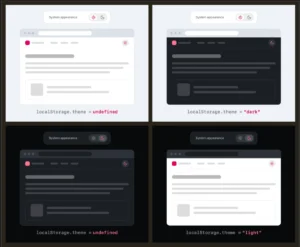
Developers can instantly switch between light and dark themes based on system preferences. This native integration reduces the need for "theme-switching" JavaScript logic, further slimming down the codebase.
Official Perspectives: The Developer Experience
The development philosophy behind MicroLighter centers on "modular accessibility." Unlike monolithic libraries that force the user to download an entire package just to highlight one or two languages, MicroLighter is designed for the "à la carte" era.
Developers can import exactly what they need: the core logic, specific language definitions, or the web component wrapper. This modularity extends to the implementation. For those who prefer a web component approach, the integration is as simple as:
<micro-lighter language="javascript" controls="copy" line-numbers>
  <pre><code>const answer = 42;</code></pre>
</micro-lighter>
This simplicity is a major selling point. By providing a clean, standard interface, MicroLighter lowers the barrier to entry for developers who want professional-grade syntax highlighting without needing to master the configuration of complex build tools.
Implications: The Future of Front-End Dependencies
The success of MicroLighter is a microcosm of a larger trend in front-end engineering: the "re-platforming" of web development onto native browser capabilities.
1. The Decline of "JavaScript-First" Solutions
For years, the industry’s default response to a problem was to reach for a JavaScript library. Whether it was sliders, tab systems, or syntax highlighters, we built abstractions over the browser. Today, as APIs like Custom Highlights, View Transitions, and container queries reach Baseline status, we are seeing a massive shift back to native CSS and HTML. MicroLighter proves that we no longer need to "simulate" features; we can simply "configure" them.
2. Semantic Markup is Returning
By avoiding the injection of dozens of nested <span> elements, MicroLighter preserves the semantic integrity of the code. This is not just a win for developers; it is a win for accessibility. Screen readers and other assistive technologies often struggle with deeply nested, dynamically generated markup. A cleaner, flatter DOM structure is inherently more accessible.
3. The Modular Web
MicroLighter’s "à la carte" approach mirrors the evolution of JavaScript itself. As we move toward ESM (ECMAScript Modules) and native browser support for imports, the need for giant, monolithic bundles is fading. Tools that prioritize granular imports will likely become the standard for the next generation of web performance tools.
4. A Template for Future Innovation
The logic used in MicroLighter—drawing inspiration from earlier experiments like clever web fonts that include syntax coloring—shows that the community is beginning to look beyond traditional software design. By treating text rendering as a stylistic issue rather than a logic issue, MicroLighter opens the door for other innovations in how we display information on the web.
Conclusion
MicroLighter is more than just a syntax highlighter; it is a statement of intent. It demonstrates that as the web platform matures, the best code is often the code we delete. By replacing heavy, third-party dependencies with native CSS features, developers can achieve faster, more accessible, and more maintainable results. As the community continues to embrace the CSS Custom Highlight API, we can expect a new wave of lightweight tools that prioritize browser-native performance, proving that the most powerful web applications are often those that work in harmony with the browser, rather than against it.