Beyond the Laptop: Evaluating the Immurok Wireless Fingerprint Authenticator
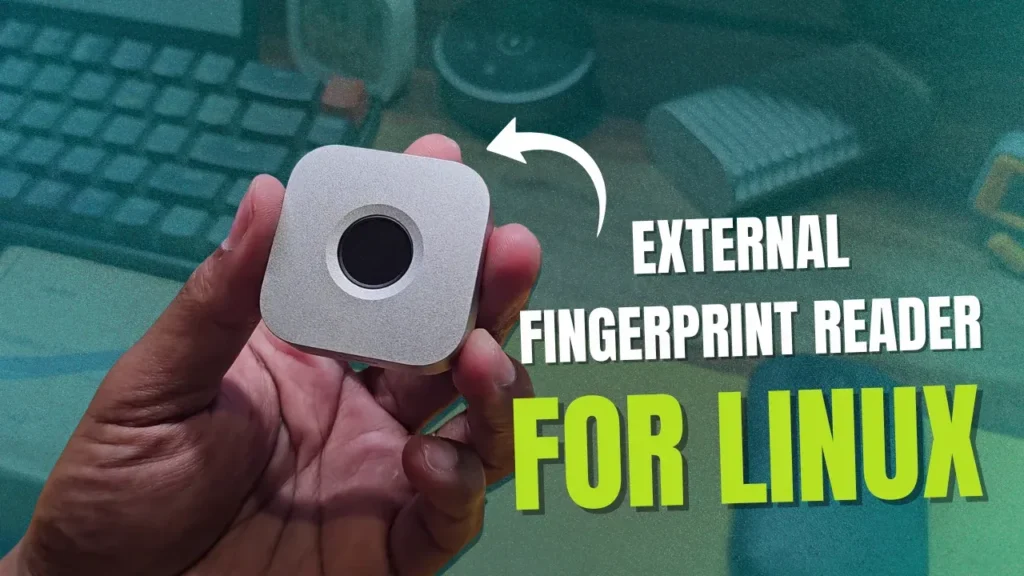
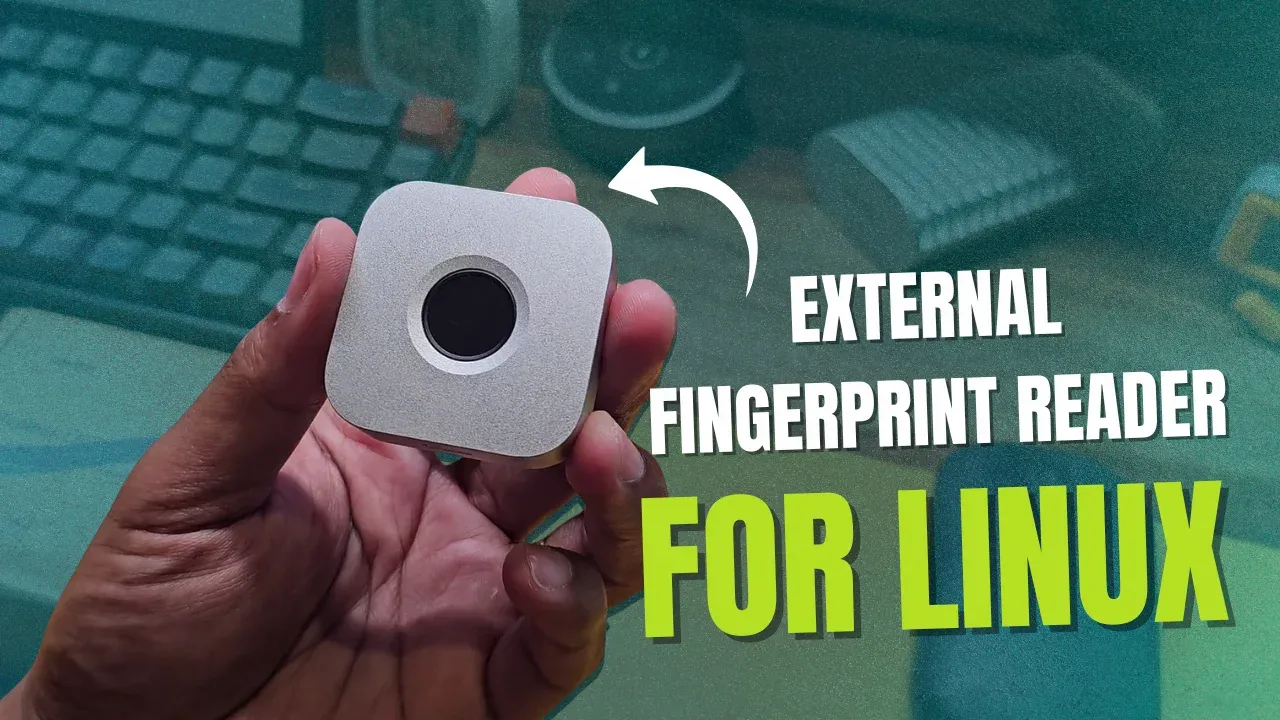
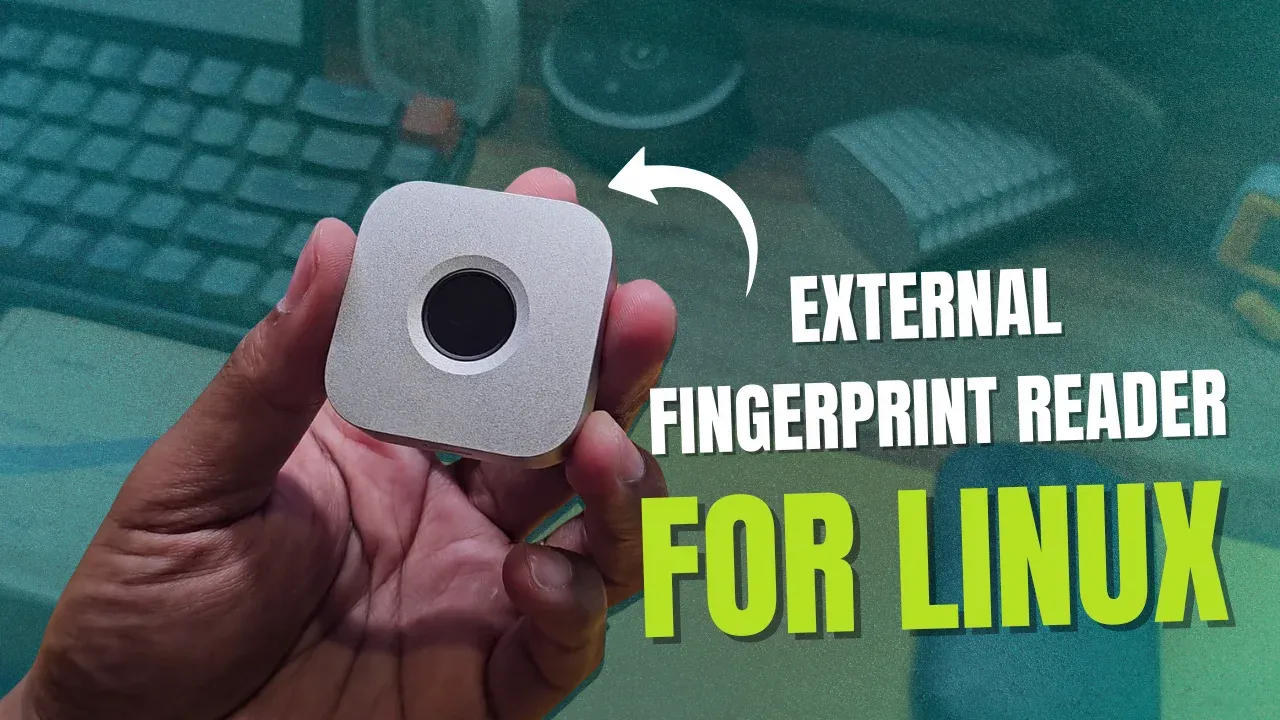
In the modern era of cybersecurity, the humble fingerprint sensor has become a ubiquitous feature on high-end laptops. However, these sensors are typically siloed; they unlock your local machine and, occasionally, verify a payment. Immurok, a new hardware entrant currently in its crowdfunding phase, seeks to break this silo by introducing a portable, wireless, and multi-functional authentication ecosystem.
Designed as a sleek, CNC-machined aluminum block, Immurok is not merely a peripheral; it is a dedicated security companion. It promises to centralize your authentication flow—handling sudo commands, SSH logins, TOTP generation, and even providing a physical "human-in-the-loop" gate for AI-driven coding agents. As we put this pre-release unit through its paces on a Linux-based system, we discovered that while the hardware is a masterclass in minimalist design, the software experience—at least for Linux enthusiasts—remains a work in progress.
Main Facts: The Vision of Unified Authentication
At its core, Immurok functions as an external, Bluetooth-enabled hardware security module. It is designed to work across platforms, but it offers deep integration with Linux via Pluggable Authentication Modules (PAM).
The Key Capabilities:
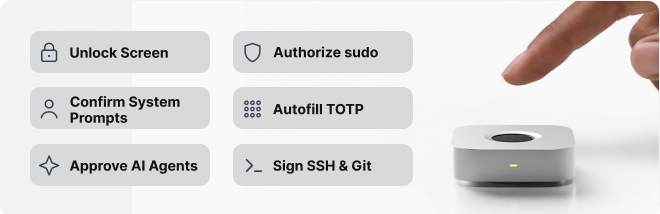
- System-Wide Authentication: Through PAM integration, Immurok can authorize
sudocommands, polkit requests, and desktop session unlocking. - SSH Identity Management: The device can generate and store ECDSA P-256 private keys. Because the keys are anchored in the hardware, they are never exposed to the host machine’s memory.
- TOTP Generation: It functions as a hardware-backed authenticator for Time-based One-Time Passwords (TOTP), adding a layer of physical security to your online accounts.
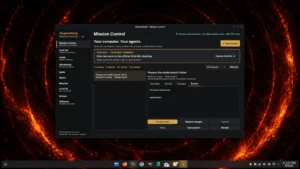
- AI Agent Guardrail: Perhaps its most novel feature, it allows users to "gate" AI coding agents. An agent may be able to suggest or prepare a command, but it cannot execute it without a physical touch on the Immurok sensor.
Security-conscious users will be pleased to note that, according to the manufacturer, all fingerprint templates and private keys are stored securely on the device. There is no cloud connectivity and no telemetry, with pairing handled via P-256 ECDH and HMAC-SHA256 protocols.

Chronology: A Week with the Immurok
Testing a pre-release piece of hardware is rarely a "plug-and-play" experience, and Immurok proved to be no exception.
Phase 1: The Build Process
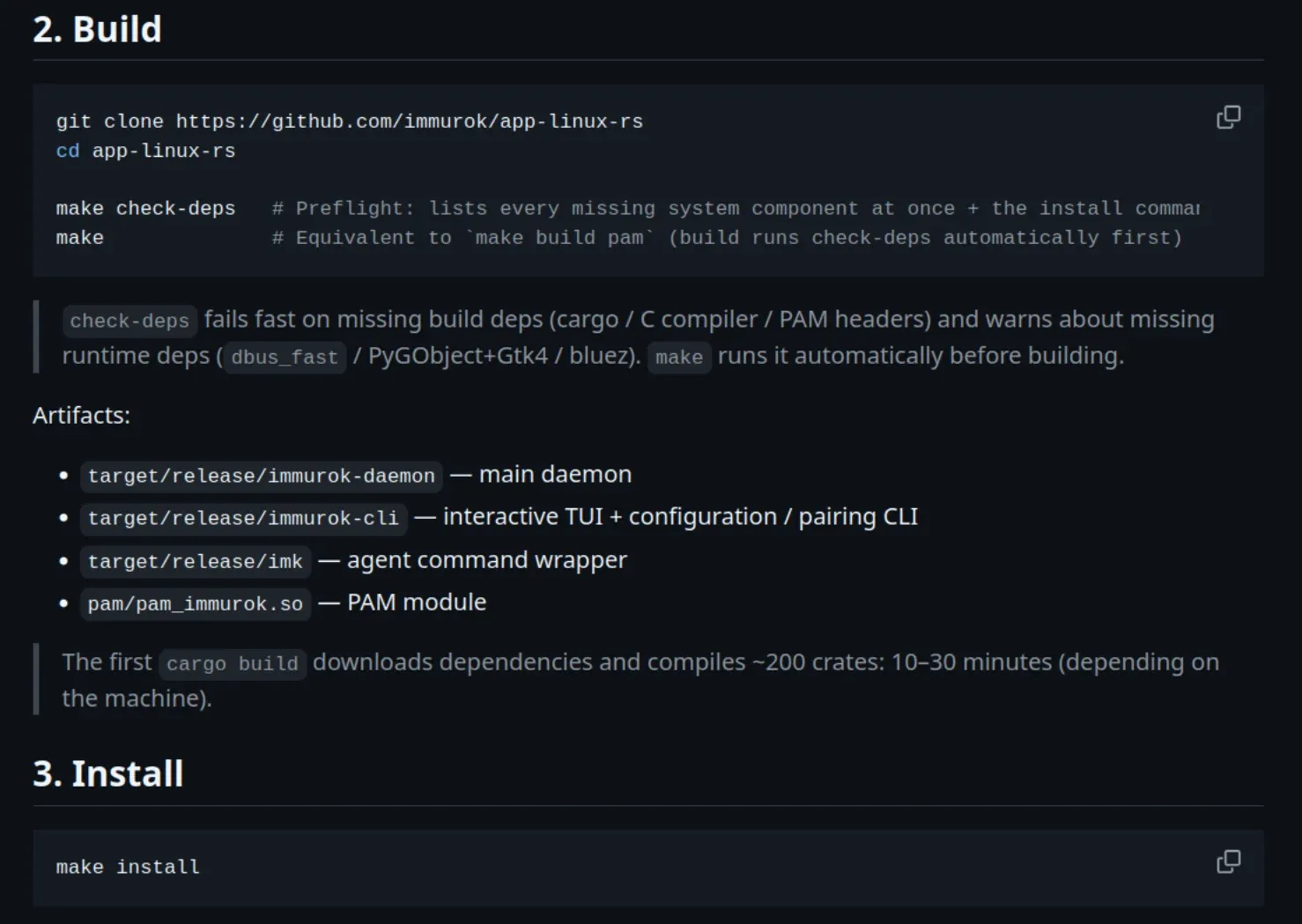
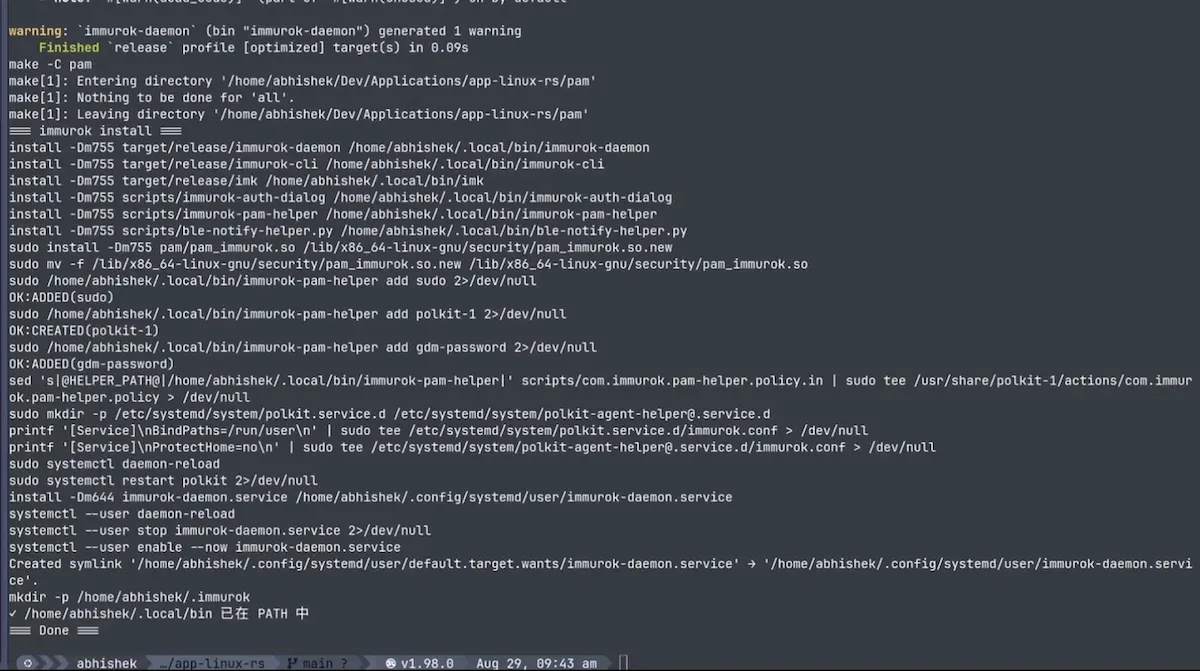
Unlike macOS or Windows, which feature graphical installers, the Linux experience for Immurok is currently reserved for those comfortable with the command line. Using a Rust-based daemon, I had to compile the suite from source. While the provided make check-deps command was a helpful touch—preventing the "missing dependency" cycle of doom—the compilation process was resource-intensive. For a consumer-facing product, requiring a user to compile ~200 Rust crates is a significant barrier to entry that will need to be addressed before the November 2026 retail launch.
Phase 2: Pairing and Initial Frustrations
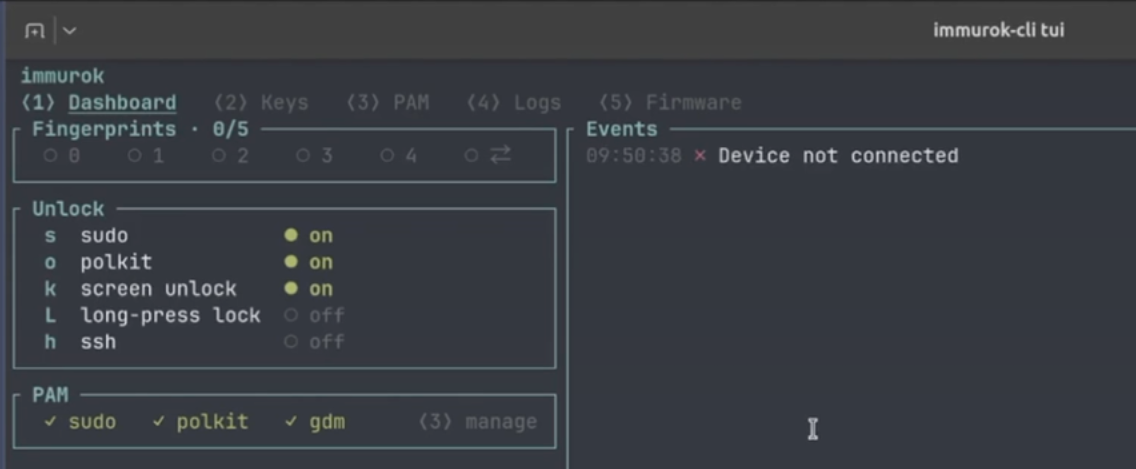
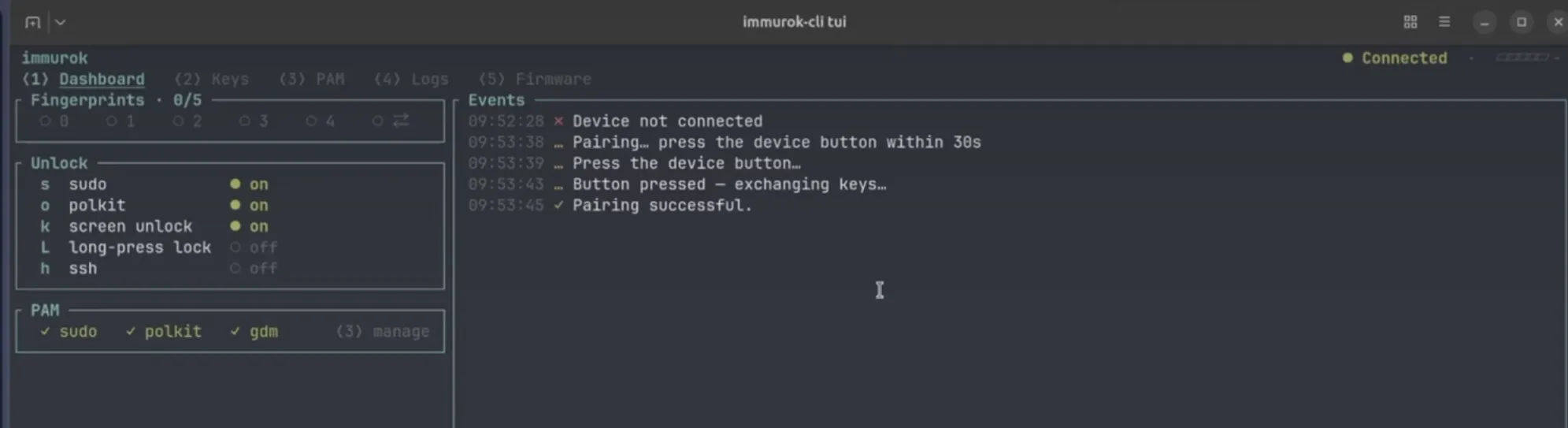
The initial pairing phase highlighted the "bleeding edge" nature of the current firmware. The device’s CLI, at times, provided contradictory feedback regarding the Bluetooth connection state versus the internal pairing state. It was only after manually connecting via the Ubuntu Bluetooth settings menu that the Immurok TUI (Terminal User Interface) recognized the device for pairing.
Phase 3: The "Sudo" Bug and Resolution
Perhaps the most critical moment of the test involved a failure of the sudo authentication. Upon testing, the daemon suffered a "race condition" where the Python-based notification helper failed to establish a D-Bus connection before the device status request timed out. This left the authentication bridge broken. After a quick patch to increase the timeout threshold, the system stabilized, illustrating both the fragility of early software and the advantage of open-source inspection.
Supporting Data: Hardware Specifications
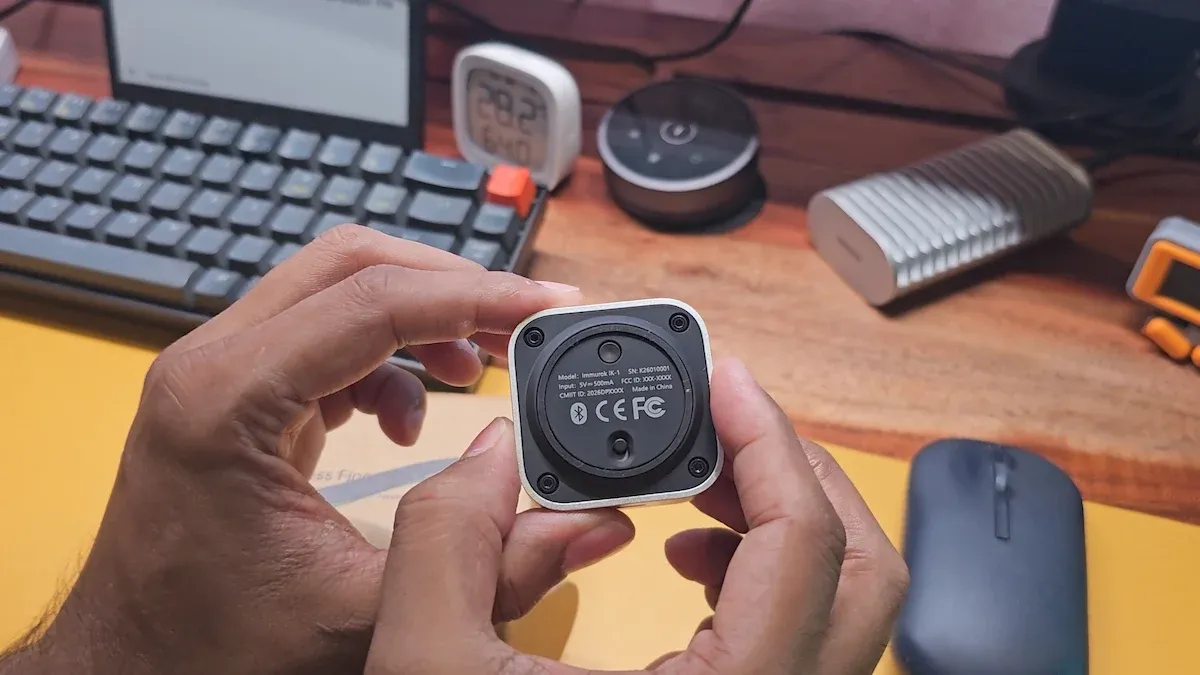
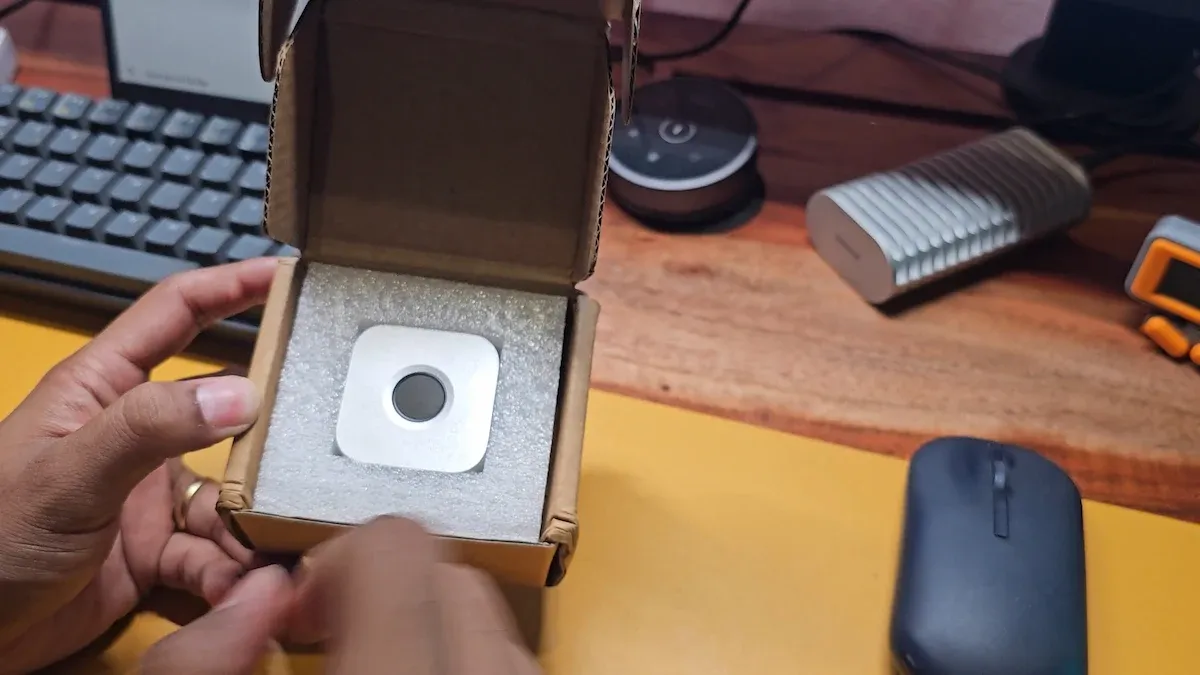
The hardware design is arguably the product’s strongest asset. It avoids the "cheap plastic dongle" aesthetic in favor of a premium, industrial look.
| Feature | Specification |
|---|---|
| Processor | RISC-V, up to 60 MHz |
| Connectivity | Bluetooth Low Energy (BLE) |
| Sensor | Capacitive, <500ms response time |
| Dimensions | 44 x 44 x 14.2 mm |
| Weight | ~40g |
| Battery | 110 mAh (USB-C), ~1-month longevity |
| Fingerprint Slots | 5 unique profiles |
The battery performance appears to be as advertised. Over a one-week testing period, the device drained approximately 6% of its total capacity. While this is not a precise long-term measurement, it suggests that the monthly charging cycle is a realistic target for typical users.
Official Responses and Firmware Evolution
The team at Immurok has been remarkably responsive during the testing phase. Following the report of the sudo race condition, the company pushed a firmware update that resolved the timing issue, confirming that the current development cycle is rapid and iterative.
Regarding the "Dual-Host" functionality, the developers have confirmed that while the interface now displays options for multiple host management, the backend logic is still undergoing verification. This transparency is vital for a security product; the developers seem acutely aware that the "pre-release" label is a temporary shield that will be removed as the product approaches its November 2026 shipping date.
Implications: The Future of Desktop Security
The "Human-in-the-Loop" for AI
The integration with AI agents is the most profound implication of the Immurok device. As AI becomes an integral part of the software development lifecycle, the risk of "prompt injection" or autonomous agents executing malicious code increases. By requiring a physical touch for high-privilege operations, Immurok introduces a "physical air-gap" into the digital workflow. It ensures that even if an AI is compromised or misconfigured, it remains tethered to the human owner’s physical presence.
The Problem of Friction
However, the implications for the average user are mixed. While security is excellent, friction is the enemy of adoption. If the installation process remains "build from source," Immurok will be limited to a niche audience of power users and security professionals. For this device to succeed in the mainstream, the transition from a CLI-heavy tool to a packaged, plug-and-play experience is non-negotiable.
Privacy and Decentralization
By keeping keys on the hardware, Immurok aligns with the growing trend of "local-first" computing. Users are increasingly wary of cloud-based authentication providers (such as Google or Microsoft Auth). A physical, offline device that acts as a gatekeeper for one’s local system, SSH keys, and TOTP codes offers a level of digital sovereignty that is increasingly rare.
Final Verdict: Is It Ready?
Immurok is currently a "promising" device rather than a "finished" one. The hardware is exceptional—well-built, reliable, and aesthetically pleasing. The core functionality—the ability to authenticate via fingerprint—is solid once the initial configuration hurdles are cleared.
For the Early Adopter: If you are comfortable with the terminal, familiar with Rust, and enjoy being part of the development journey, Immurok is an excellent, compact, and highly functional addition to your desk. It successfully replaces a multitude of passwords and keys with a single, physical touch.
For the Mainstream User: You should hold off until the November 2026 release. The current software requires a level of troubleshooting that is not suitable for general use. The lack of polished documentation and the presence of unmanaged, growing log files are reminders that the software ecosystem is still being built.
As it stands, Immurok represents a bold step forward in personal cybersecurity. If the developers can translate the robustness of their hardware into an equally robust and user-friendly software suite, they may well redefine how we interact with our workstations. For now, it remains a powerful tool in the hands of the prepared, provided they are willing to do a little bit of the legwork themselves.