Bridging the Gap: How the New Headlamp Cluster API Plugin Revolutionizes Kubernetes Lifecycle Management
By Chayan Das (Independent) | June 25, 2026
In the modern cloud-native ecosystem, the management of Kubernetes clusters has evolved from a manual, one-off task to a sophisticated, automated lifecycle process. Central to this evolution is the Kubernetes Cluster API (CAPI) project, a sub-project of Kubernetes that enables declarative, infrastructure-as-code management for clusters. However, as power has increased, so has complexity. For many platform engineering teams, orchestrating CAPI resources has traditionally necessitated a deep dive into raw kubectl commands and a complex mental map of ownership hierarchies.
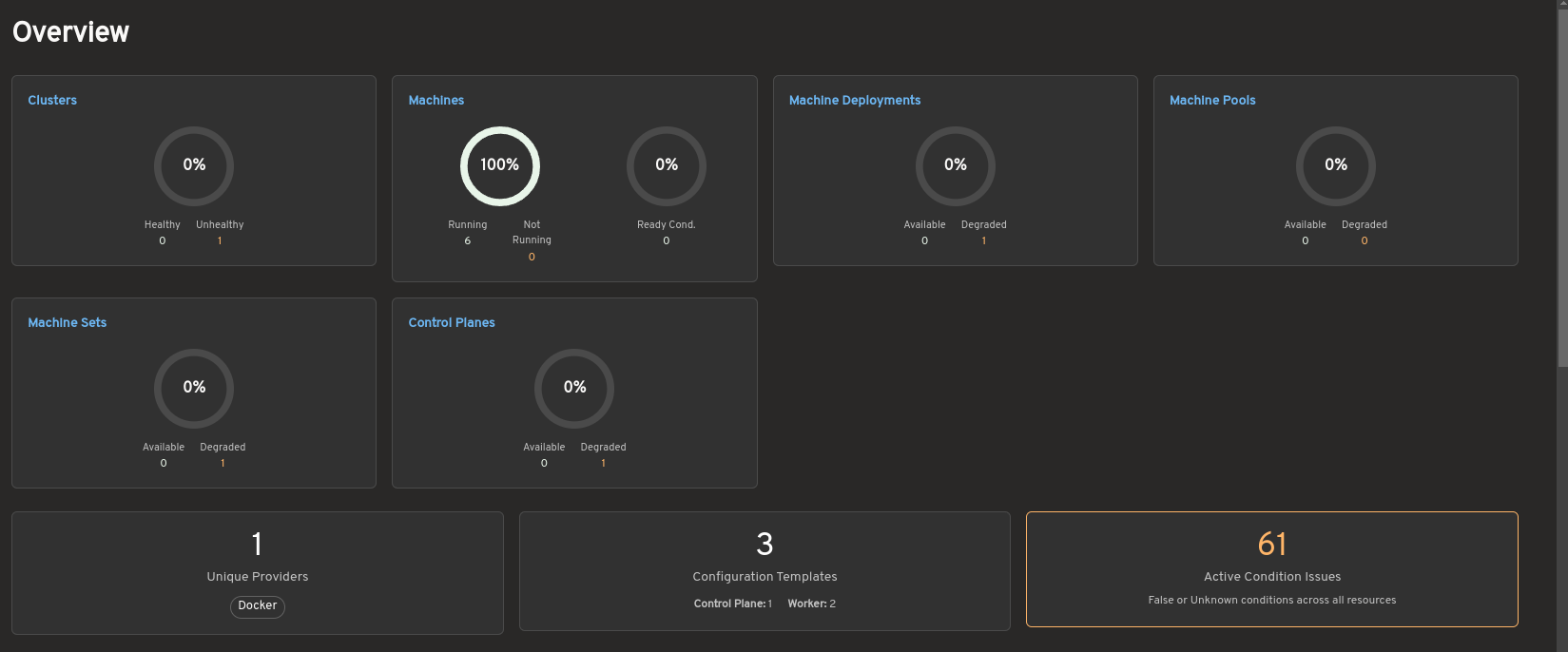
Today, that barrier to entry is significantly lowered. With the release of the new Headlamp Cluster API plugin, developers and operators can now manage, visualize, and debug their CAPI-managed infrastructure directly from an intuitive, browser-based interface. Developed as a cornerstone of a recent LFX Mentorship initiative, this plugin promises to transform how teams interact with their Kubernetes fleet.
The Core Challenge: The Complexity of "Clusters-as-Objects"
To understand the impact of the new plugin, one must first appreciate the architecture of Cluster API. Unlike traditional cluster management, where the cluster is a static entity, CAPI treats the cluster itself as a Kubernetes object. This means that provisioning, upgrading, and scaling are handled through standard Kubernetes manifests reconciled in a management cluster.
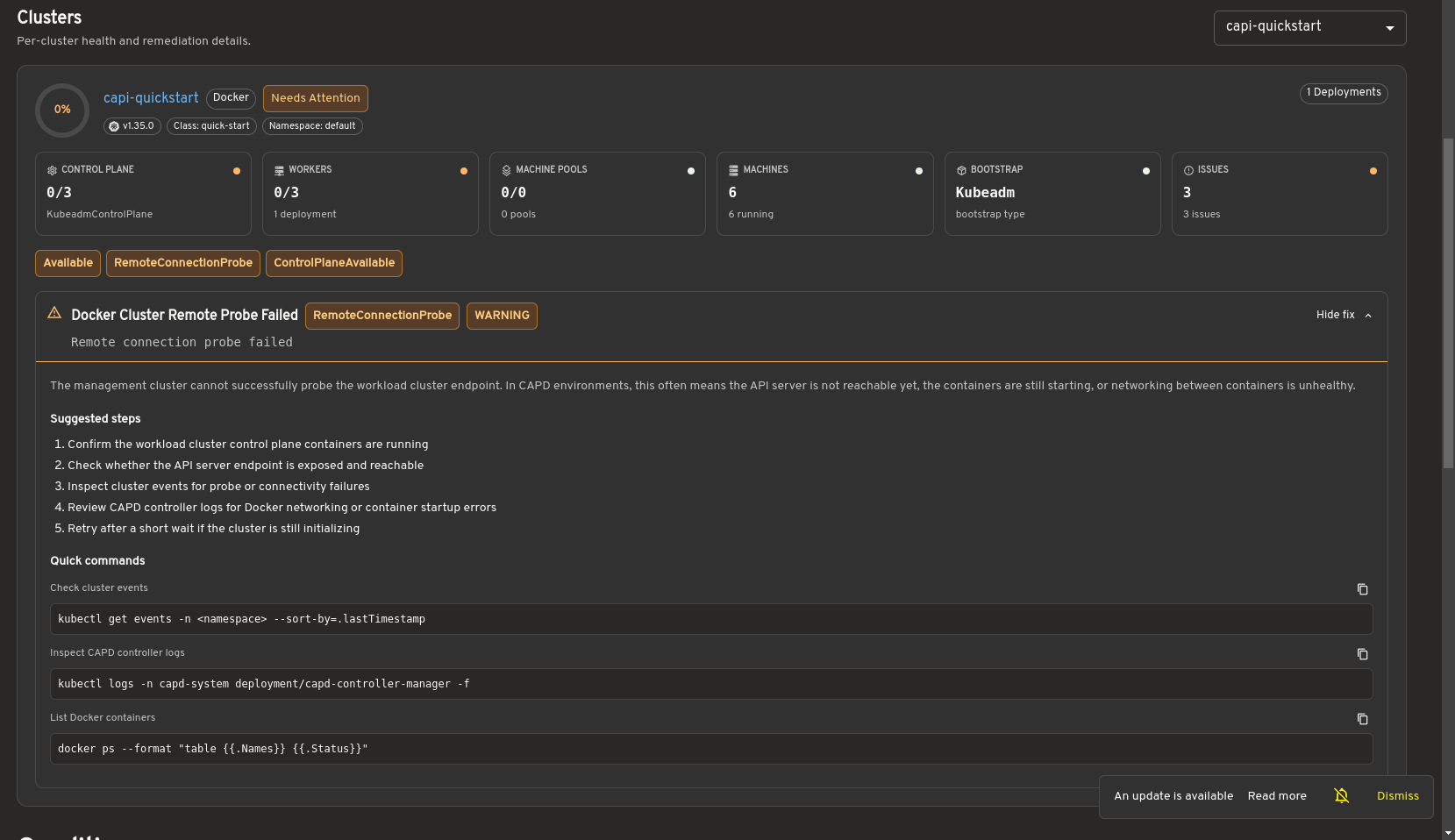
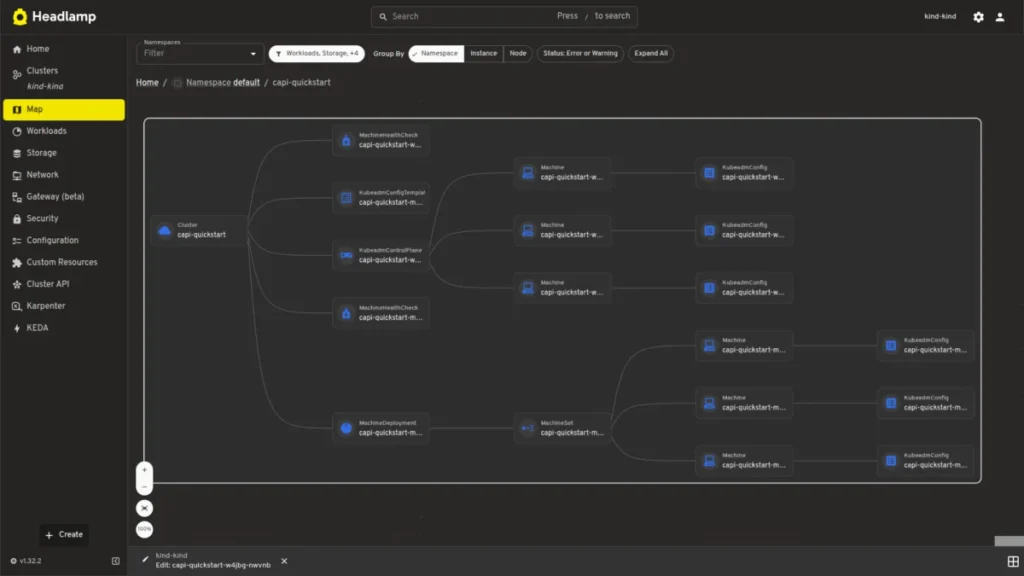
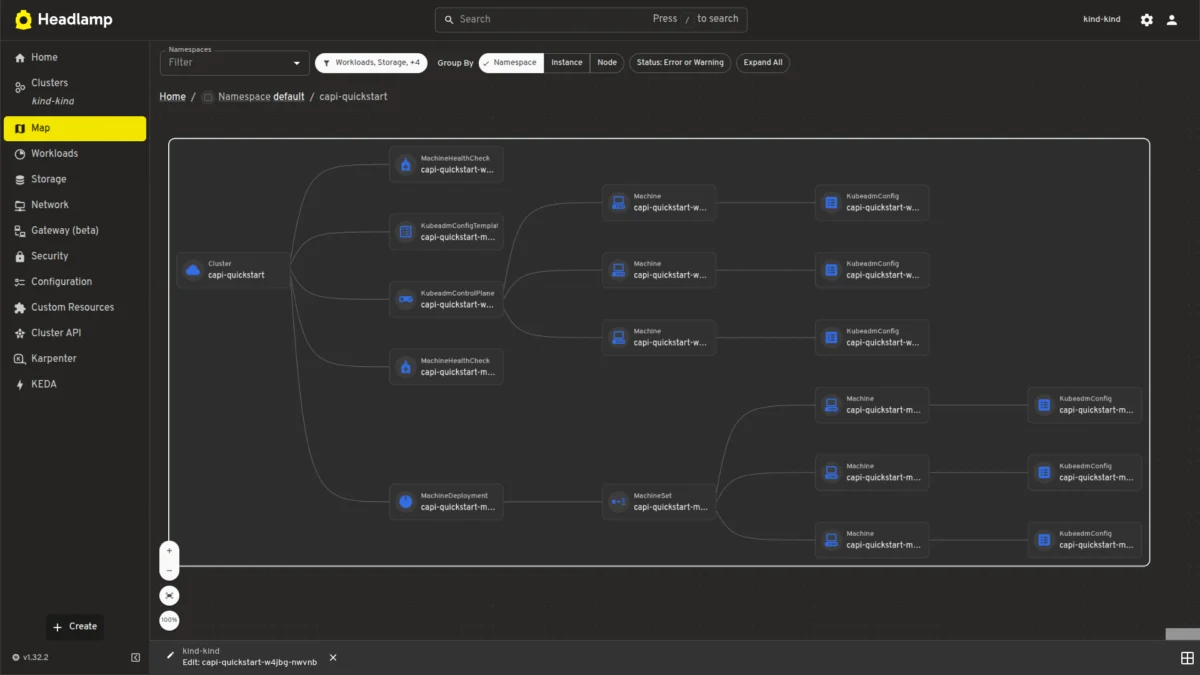
While elegant in theory, this creates a "management overhead" in practice. Operators must juggle MachineDeployments, MachineSets, KubeadmControlPlanes, and complex bootstrapping secrets. Debugging a stalled cluster often involves querying deeply nested resources across multiple namespaces. For platform teams under pressure to maintain high uptime, the constant switching between terminal windows and the cognitive load of navigating ownership hierarchies has long been a significant friction point.
Headlamp, the extensible open-source Kubernetes UI project, identified this gap. By providing a framework for plugins, Headlamp allows the community to extend its base functionality, and the new CAPI plugin is the most significant addition to this ecosystem to date.

Chronology: From Concept to Community-Ready Alpha
The development of the Headlamp Cluster API plugin is a testament to the power of open-source mentorship. The project was conceived and executed under the CNCF LFX Mentorship program, specifically tailored to address the usability hurdles observed in the CAPI community.
- Early 2026: Initial requirements gathering began, focusing on the pain points experienced by SREs and platform engineers who rely on CAPI but struggle with the lack of visual feedback.
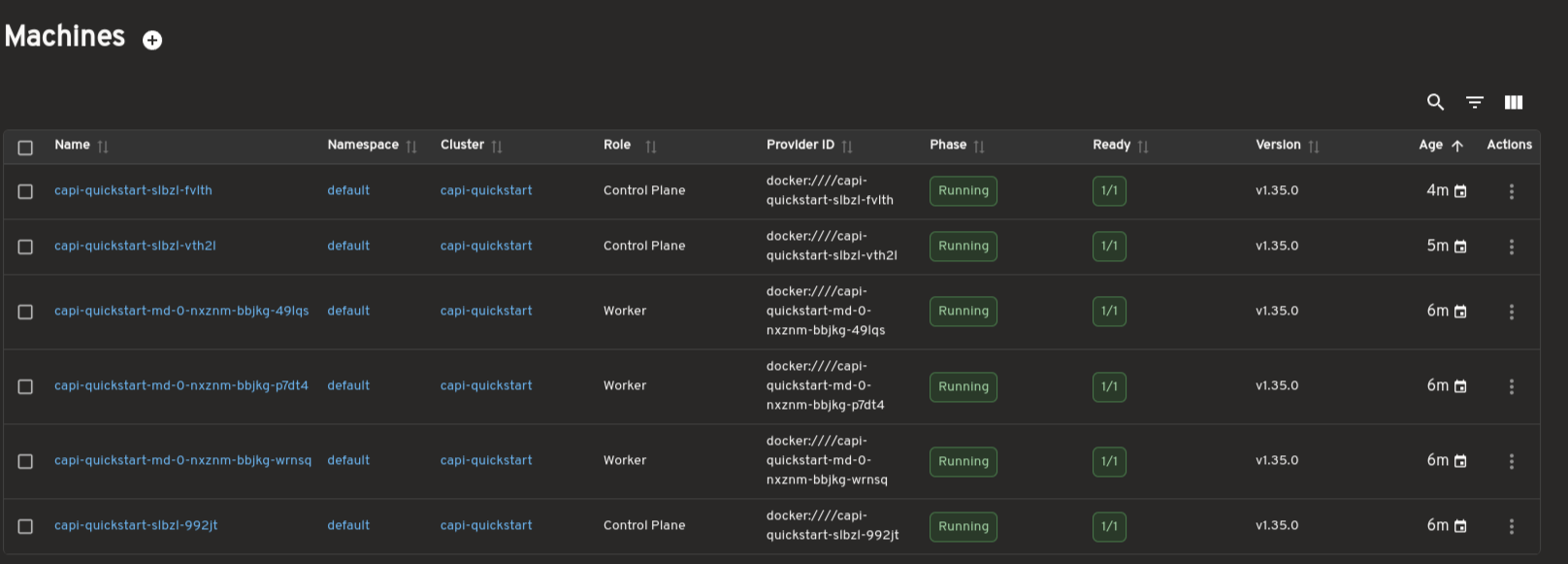
- Spring 2026: The core development phase saw the implementation of primary resource views, focusing on the "read-only" visibility layer—ensuring that users could see the health of machines and control planes without needing complex CLI filters.
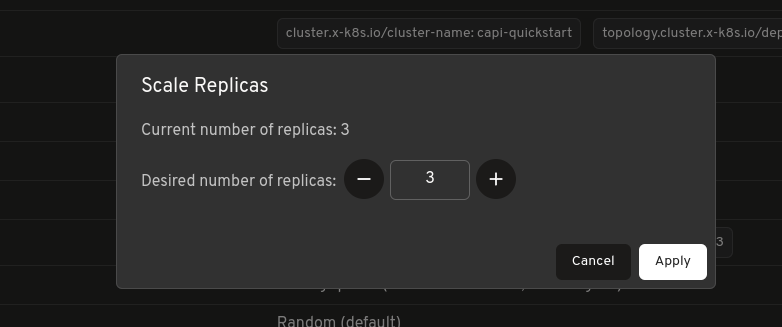
- May 2026: The project moved into functional expansion, introducing "Actionable UI," such as the ability to scale MachineDeployments directly through the browser.
- June 25, 2026: Official release of the Alpha version. The plugin is now available for community testing, featuring full support for v1beta1 and v1beta2 API versions.
This timeline reflects a rapid development cycle that prioritized immediate utility, moving from basic resource listing to complex topology visualization in just a few months.
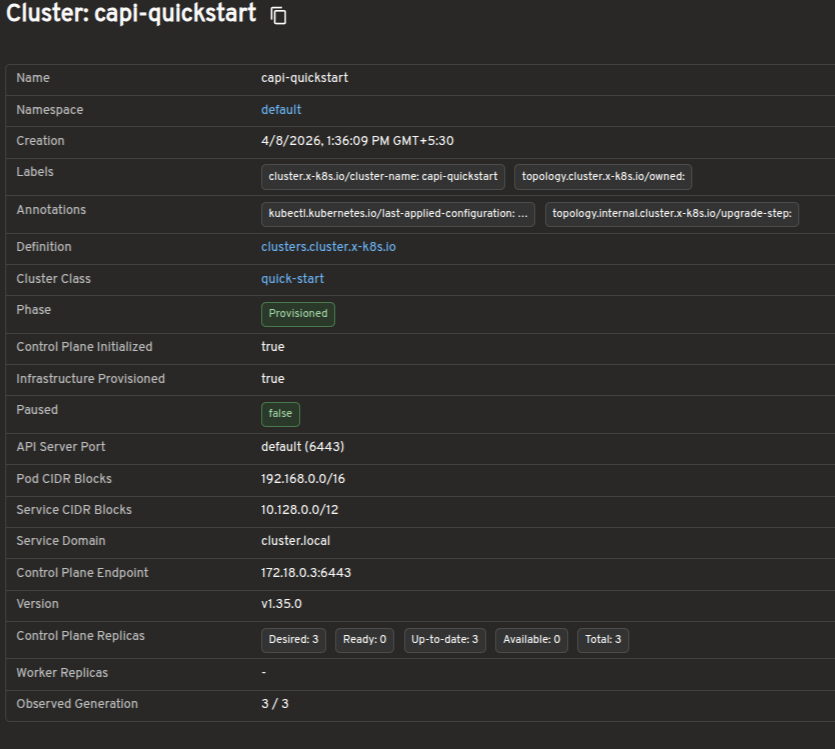
Supporting Data: Feature Matrix and Technical Capabilities
The plugin is not merely a "viewing window" for YAML; it is a functional management console. By consolidating disparate data points into a single dashboard, it reduces the "Mean Time to Discovery" for cluster health issues.
Key Technical Capabilities
| Feature Category | Primary Benefit |
|---|---|
| Unified Dashboard | Centralized health status for clusters, control planes, and worker pools. |
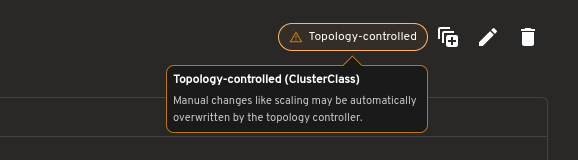
| Topology Awareness | Automatic detection of ClusterClass-managed resources and relationships. |
| Interactive Scaling | Direct UI-based scaling of deployments, bypassing manual YAML editing. |
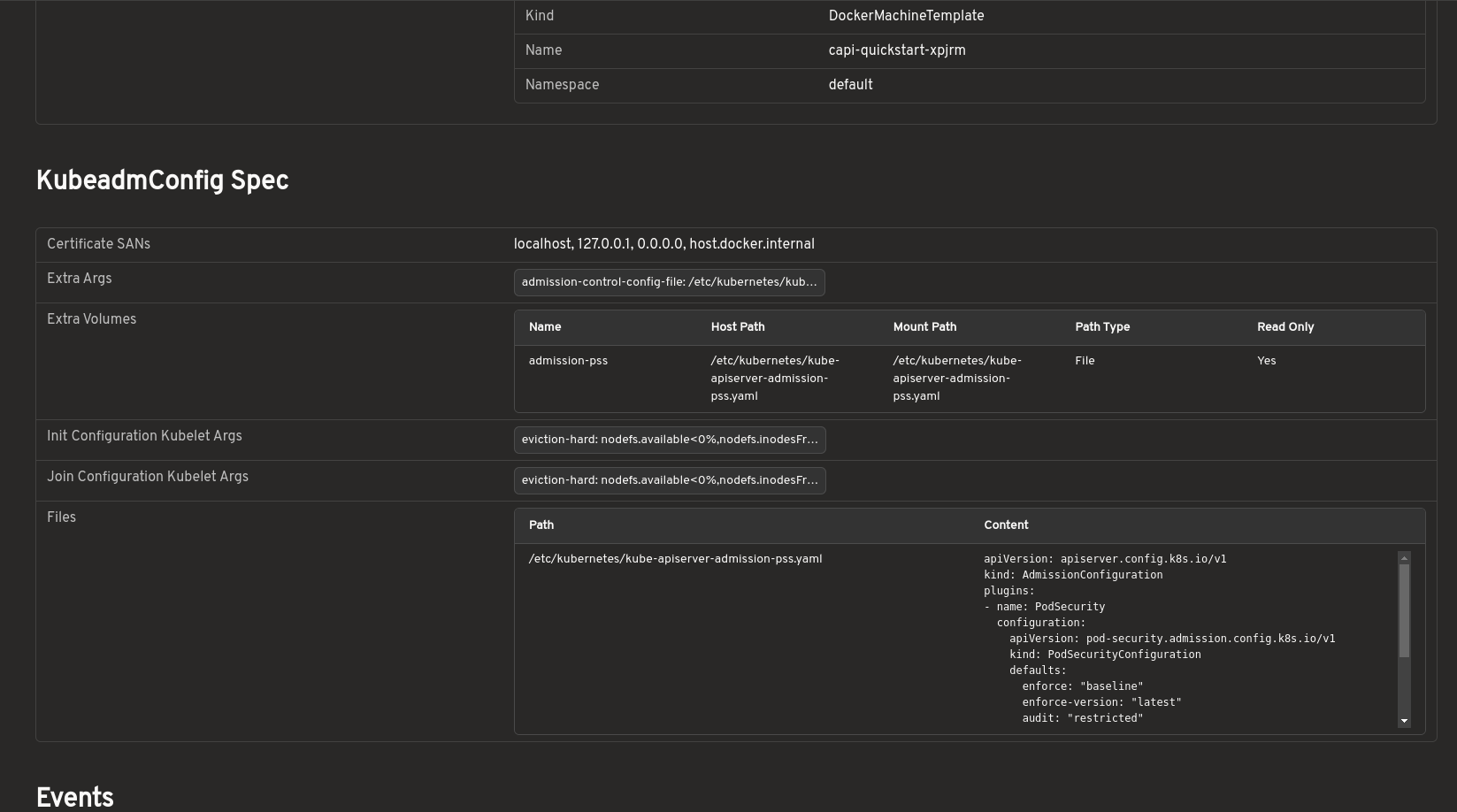
| Bootstrap Inspection | Structured, human-readable views of Kubeadm configs and kubelet arguments. |
| Metric Correlation | Inline Prometheus metrics alongside resource status via the Headlamp Prometheus plugin. |
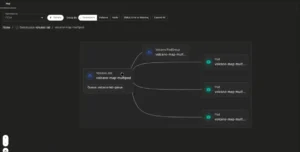
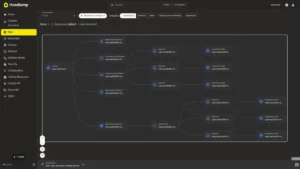
| Visual Hierarchy | Map views that illustrate the lineage from Cluster down to the underlying Machine. |
The inclusion of Dynamic API Versioning is particularly noteworthy. As the Kubernetes ecosystem migrates between CAPI versions, the plugin ensures that platform teams are not locked out of management functionality, supporting both v1beta1 and v1beta2 natively.
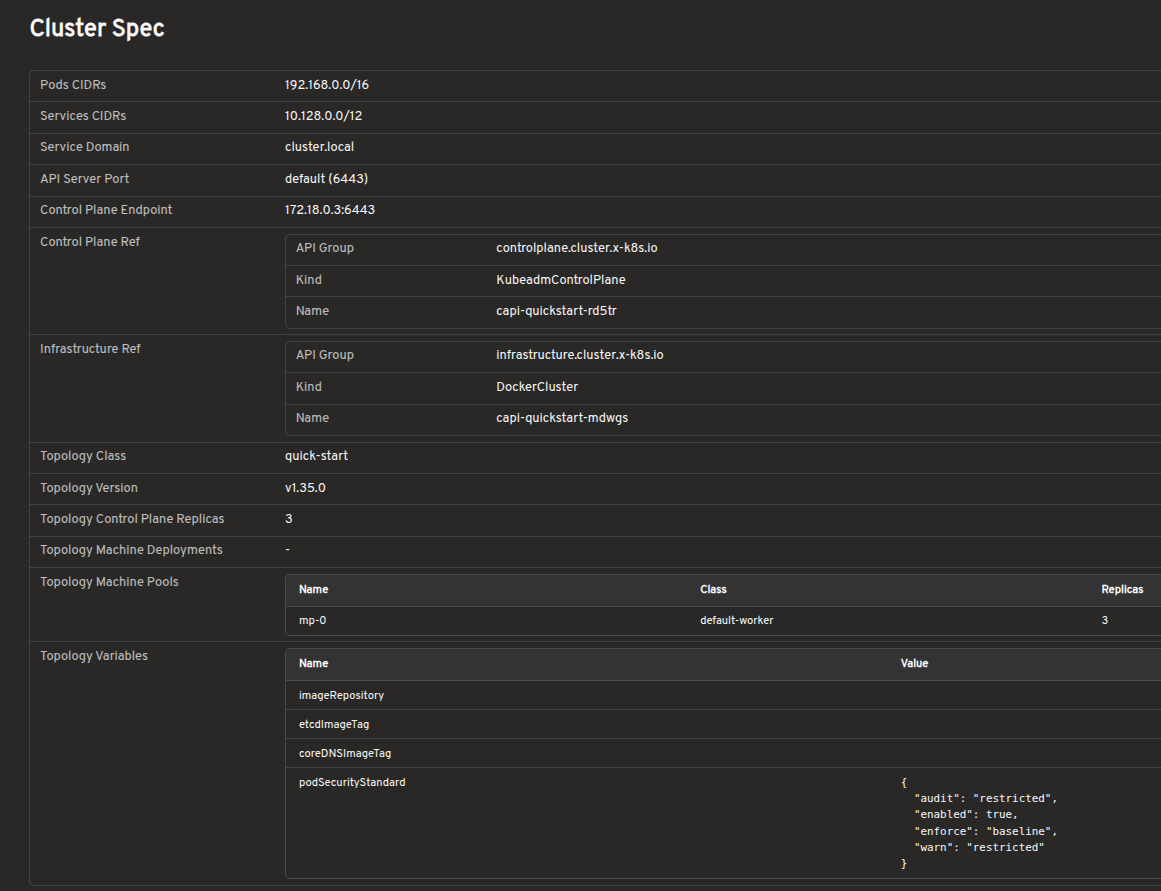
Official Perspective: The Mentorship Experience
The development of this tool was more than just a coding exercise; it was a deep dive into the philosophy of open-source contribution. Reflecting on the LFX Mentorship, developers noted that the primary challenge was not just writing code, but understanding the "Mental Model" of the platform engineer.
"The goal was to move beyond simply displaying the Kubernetes object," says Chayan Das, the project lead. "We wanted to provide remediation guidance. When a cluster is unhealthy, an operator doesn’t just need to see that it’s ‘Red’—they need to know why and what the next step is. By embedding conditions and status information directly into the detail views, we’ve effectively brought the documentation to the resource itself."
Community feedback has been a driving force. During the design phase, discussions with Headlamp maintainers ensured that the plugin adhered to the core project’s performance standards, ensuring that it remains lightweight even when managing large fleets of hundreds of machines.
Implications: The Shift Toward "Visual Platform Engineering"
The introduction of this plugin signals a broader trend in the Kubernetes ecosystem: the shift from "command-line-first" to "visual-orchestration" for cluster lifecycle management.
Reducing Human Error
By moving scaling operations and configuration inspection into a UI, the likelihood of syntax errors associated with manual kubectl edit operations is drastically reduced. The plugin’s validation logic—which provides context on whether a scale operation should be performed at the cluster or machine-deployment level—acts as a guardrail for junior operators.
Improved Observability
The integration with Prometheus is perhaps the most significant implication for day-to-day operations. Previously, correlating a spike in CPU usage on a specific worker node with the Cluster API Machine object required hopping between Grafana and the terminal. Now, that data is surfaced contextually. If a Machine is reporting "Unhealthy" status, the operator can immediately see the associated metric trends, allowing for faster root cause analysis.
Accessibility for Non-Experts
CAPI is famously difficult for those not deeply embedded in the Kubernetes internals. By providing a structured, intuitive interface, this plugin makes Cluster API accessible to a wider range of IT staff. This lowers the barrier for organizations looking to adopt "Kubernetes-on-Kubernetes" architectures, as the operational cost of managing those clusters is effectively lowered by the ease of the UI.
Future Roadmap: What Lies Ahead
As an Alpha release, the current iteration of the Headlamp Cluster API plugin is just the beginning. The community roadmap suggests several areas for future development:
- Deep Remediation Automation: Expanding the "remediation guidance" into one-click remediation actions for common failure modes, such as stuck nodes or stalled control plane upgrades.
- Advanced Topology Editor: Enabling the visual creation and modification of
ClusterClassresources, potentially allowing users to drag-and-drop infrastructure components to define cluster architectures. - Expanded Provider Support: While CAPI is cloud-agnostic, the plugin’s ability to surface provider-specific metadata (like AWS, Azure, or GCP infrastructure IDs) will continue to evolve, providing deeper links to external cloud provider consoles.
For those interested in contributing, the project is open-source and welcomes feedback. The team encourages users to engage through the Headlamp GitHub repository, where the community actively reviews issues and feature requests.
Conclusion
The Headlamp Cluster API plugin represents a maturation of the Kubernetes lifecycle management story. By providing a sophisticated, visual, and metrics-aware interface, it addresses the most persistent pain points of CAPI management. As we look toward the future of cloud-native operations, tools that simplify the complex while retaining the power of declarative APIs will be the ones that define the industry standard. Whether you are an experienced platform engineer or a team just beginning your Cluster API journey, this plugin is a vital addition to your toolkit.