LG Cracks Down on Smart TV Apps Turning WebOS Devices into Residential Proxy Nodes
Main Facts
Home appliance and consumer electronics giant LG Electronics USA has announced a decisive policy shift targeting smart TV applications that transform household televisions into "always-on" residential proxy nodes. The initiative comes on the heels of a sobering cybersecurity investigation revealing that a staggering portion of the applications available through LG’s webOS app store quietly route third-party internet traffic through consumer living rooms without the overarching realization or deep technical understanding of the device owners.
Under the newly enforced guidelines, developers utilizing Software Development Kits (SDKs) that convert smart televisions into proxy servers have been put on notice. According to LG Senior Vice President John Taylor, the company is actively collaborating with app creators to purge these residential proxy functions from the webOS ecosystem. Developers who refuse or fail to comply with the mandate face immediate suspension of their applications from the app marketplace.
"A residential proxy network is not an intended use for LG smart TVs, and LG Electronics is working with developers to remove the residential proxy option from their apps on the webOS platform," Taylor stated. "If this option is not removed, these apps will be suspended."
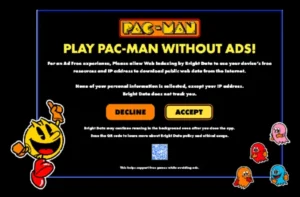
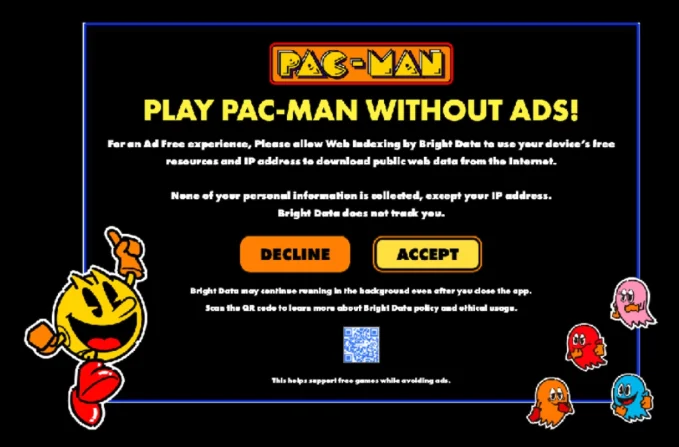
This abrupt regulatory pivot addresses a growing, lucrative, yet deeply controversial monetization model in the modern app economy. Rather than charging upfront fees or relying solely on traditional advertisements, third-party developers have increasingly partnered with proxy-broker networks. These networks pay app creators to bundle proxy SDKs into their code, turning everyday consumer hardware—ranging from simple puzzle games like Pac-Man to utility tools and ambient screensavers—into commercial conduits for external data collection, web scraping, and traffic routing.
Chronology of Events
The unfolding crisis surrounding residential proxy SDKs on consumer smart platforms follows a rapid sequence of discoveries, industry disclosures, and platform reactions:
- Early July 2026: Security researchers at the intelligence firm Spur publish a landmark report examining the hidden integration of residential proxy software development kits across major smart TV operating systems, specifically focusing on LG’s webOS and Samsung’s Tizen OS.
- July 2, 2026: Investigative security journalism highlights Spur’s findings, drawing public attention to the reality that nearly half of LG’s app library featured code capable of rerouting unknown internet traffic through residential households. The report coincides with broader federal law enforcement actions against illicit proxy networks, such as the FBI’s seizure of the NetNut proxy platform and the Popa botnet infrastructure.
- Mid-July 2026: Tech media and security analysts scrutinize the broader implications of embedding proxy logic into consumer IoT devices. Pressure mounts on hardware manufacturers to exert stricter control over their curated digital storefronts.
- Late July 2026: Responding directly to media inquiries and mounting security concerns, LG Electronics USA Senior Vice President John Taylor confirms that a comprehensive review of the webOS app catalog is "well underway." LG formally announces its policy to ban and suspend non-compliant applications.
- July 22, 2026: Major proxy network provider Bright Data issues an official statement defending its operational model, emphasizing strict peer consent screens, independent audits, and "know-your-customer" (KYC) protocols.
- Concurrently (Late July 2026): Public scrutiny broadens beyond smart TVs when independent tech outlets like the YouTube channel Gamers Nexus reveal that certain high-end LG LCD monitors are automatically pushing unsolicited McAfee antivirus promotional applications via Windows Update without explicit user consent.
Supporting Data and Technical Prevalence
The severity of the residential proxy phenomenon on living room hardware was laid bare by Spur’s telemetry and software analysis. The security firm examined the application ecosystems of the two dominant smart TV manufacturers globally and discovered alarming levels of third-party proxy integration:
- LG webOS Platform: More than 42 percent of games and utility applications available for download on LG smart TVs were found to contain SDKs that could indefinitely draft the host television into a residential proxy node.
- Samsung Tizen OS Platform: More than one-quarter (25%) of applications built for Samsung smart televisions exhibited similar residential proxy components.
- Ecosystem Distribution: The offending SDKs were not hidden within obscure malware; rather, they were bundled inside mainstream consumer applications, including casual games, screensavers, weather apps, and file management tools.
- Dominant Players: Spur’s analysis identified that the residential proxy network Bright Data accounted for the vast majority of proxy SDK implementations across both Samsung and LG smart TV app ecosystems.
The Mechanics of Monetization
For developers struggling to monetize free-to-play applications on smart TV platforms—where traditional programmatic ad delivery can be sparse or technically difficult to implement—proxy networks offer an attractive financial payout. In a typical implementation, an app might present the user with a choice during the initial setup or gameplay loop: watch conventional video advertisements or agree to let the television serve as a background network node.
Once a user opts in—often through a one-time prompt embedded in a dense End User License Agreement (EULA)—the application allows the proxy provider to route incoming web traffic from paying corporate customers through the television’s residential IP address. To outside websites and services, this traffic appears to originate from an ordinary residential broadband connection rather than a commercial data center, making it highly valuable for market research, price comparison, ad verification, and large-scale web scraping.
Official Responses and Industry Defense
The crackdown by LG has forced proxy network operators and hardware manufacturers into a public defense of their operational frameworks. Representatives for Bright Data strongly defended their business model, emphasizing that their network relies on explicit user consent, strict vetting, and rigorous oversight.
"Every peer opts in through a dedicated screen and receives value in return; every customer is vetted, and our practices have now undergone a second independent audit by PwC," Bright Data shared in an official statement. The company added that it remains "committed to an open, transparent internet where legitimate businesses, researchers, and institutions can responsibly access data that lives in the public domain."

Furthermore, Bright Data and competing proxy providers assert that they maintain stringent "know-your-customer" (KYC) procedures to ensure their corporate clients are using the proxy infrastructure for legitimate compliance, data collection, and analytics tasks. They also emphasize that technical safeguards are built into the SDKs to prevent proxy clients from probing, interacting with, or controlling other connected devices residing on the local home network.
Despite these assurances, security researchers argue that the fundamental design of smart home ecosystems makes this form of monetization inherently problematic. Trevor Sutter of Spur pointed out that the core issue is not the legal existence of proxy networks, but their stealthy scale-up inside consumer-grade appliances that lack the monitoring tools of traditional personal computers.
"A one-time consent prompt buried in a TV app is not a substitute for meaningful transparency, ongoing control, and platform oversight," Sutter wrote. "The risk is amplified when consent comes from individuals within the household who use the device but shouldn’t give consent, such as minors."
Broader Implications for IoT Security and Consumer Trust
LG’s decisive move to clean up its webOS app store represents a major win for consumer advocacy and digital hygiene, yet it highlights a deeper systemic vulnerability in the Internet of Things (IoT) era: the progressive commercialization of consumer infrastructure without clear boundaries.
1. The Perils of Ambient Computing
Smart TVs are no longer passive display panels; they are powerful, always-connected computing hubs running full operating systems, equipped with microphones, cameras, and localized network access. When an application co-opts a television to proxy external web traffic, the homeowner’s home IP address becomes tied to activities performed by completely anonymous third parties. If a malicious actor routes illicit traffic—such as credential stuffing attacks, spam campaigns, or copyright infringement—through a residential IP address, the legal and operational blowback frequently lands squarely on the innocent residential subscriber whose broadband connection was exploited.
2. The Consent Dilemma in Shared Households
Unlike a personal laptop or smartphone—which typically has a single primary user—smart TVs are communal family appliances. A child, a visiting guest, or an elderly family member might rapidly click through a complex software prompt, inadvertently committing the household network to act as a commercial proxy node for months or years. The lack of granular, ongoing permission management within TV operating systems means that once installed, these proxy nodes often persist indefinitely in the background.
3. A Pattern of Monetization Friction
The positive reception of LG’s proxy ban was somewhat complicated by separate, concurrent criticisms regarding the manufacturer’s software bundling practices. Just days prior to the webOS announcement, independent hardware analysts on the YouTube channel Gamers Nexus revealed that certain high-end LG LCD monitors were automatically installing promotional applications for McAfee antivirus subscriptions via background Windows Updates without explicit user consent or clear approval prompts.
This convergence of software monetization strategies—ranging from silent background proxy routing on smart TVs to unsolicited antivirus installations on computer monitors—underscores a persistent industry tension. As hardware profit margins tighten, manufacturers and developers alike increasingly look to software partnerships, data monetization, and bundled services to extract recurring revenue from consumer devices long after the initial point of sale.
Looking Forward
LG’s commitment to reviewing the webOS catalog and removing non-compliant proxy apps sets a critical precedent for the consumer electronics industry. As regulatory bodies and security researchers shine a brighter light on the murky waters of SDK monetization, competing manufacturers—including Samsung, Roku, and Google TV platform operators—will likely face mounting pressure to audit their own app stores. For consumers, the message is clear: the modern living room ecosystem is a contested digital frontier, where the line between an entertaining television application and a commercial network asset is increasingly blurred.