LG Crackdown on Smart TV Proxy Apps Highlights Hidden Risks of Embedded Monetization
Home appliance giant LG Electronics USA has announced a decisive clampdown on smart television applications that transform consumer living rooms into unmonitored, always-on residential proxy nodes. The initiative targets software development kits (SDKs) embedded within webOS applications that route third-party internet traffic through private household connections.
This move follows alarming security disclosures revealing that nearly half of the apps available on major smart TV marketplaces quietly repurpose everyday televisions as commercial routing hubs. While manufacturers and proxy network operators defend the practice as a legitimate, opt-in monetization model, cybersecurity professionals argue that integrating these tools into consumer hardware creates profound, unmonitored security and privacy liabilities.
Main Facts
The core of the controversy centers on the widespread integration of residential proxy software development kits (SDKs) within smart TV application ecosystems.
- The LG Policy Shift: LG Electronics USA has instituted a strict policy requiring developers to remove residential proxy functionality from all applications hosted on its webOS platform. Applications failing to comply face immediate suspension from the official app store.
- The Scope of the Issue: According to independent threat intelligence data, more than 42 percent of applications available on LG’s webOS store historically contained code capable of turning televisions into indefinite proxy nodes. A similar, though smaller, footprint was discovered on competing platforms, such as Samsung’s Tizen operating system.
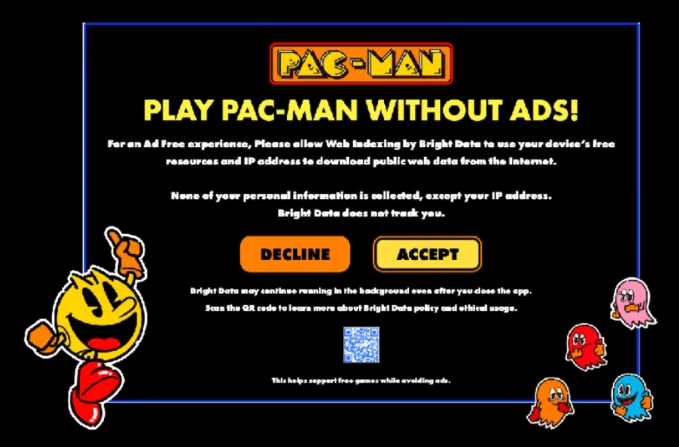
- The Monetization Mechanism: App developers utilize residential proxy SDKs as an alternative revenue stream. By bundling these libraries into simple utilities, screensavers, and casual games (such as Pac-Man), developers allow proxy network operators to rent consumer IP addresses to paying corporate and institutional clients.
- The Industry Landscape: Major proxy platforms—most notably Bright Data—power a substantial portion of these integrations. These companies maintain that their services operate strictly on user consent, undergo rigorous independent audits, and enforce strict "know-your-customer" (KYC) protocols to prevent malicious exploitation.
- Emerging Hardware Concerns: Beyond the smart TV proxy issue, LG has recently faced scrutiny regarding independent software distribution practices, notably the automated, unprompted deployment of promotional McAfee security software via Windows Update drivers on select high-end LCD monitors.
Chronology of Events
The unfolding crisis surrounding smart TV proxy integration and corporate responses has evolved rapidly across a series of key milestones:
Early July 2026: The Spur Research Release
Security firm Spur publishes a landmark technical investigation detailing the pervasive nature of residential proxy SDKs within smart TV application ecosystems. The research reveals that over 42 percent of LG webOS apps and more than 25 percent of Samsung Tizen apps feature embedded proxy code designed to leverage domestic broadband bandwidth without transparent ongoing oversight.
July 2, 2026: Initial Public Disclosure
Security journalist Brian Krebs features Spur’s findings, drawing widespread attention to how casual applications—ranging from file utilities to retro arcade games—are actively commercializing consumer network routing capabilities.
Mid-July 2026: Industry Scrutiny and Media Inquiries
Technology outlets and security researchers press major hardware vendors regarding platform governance. Concurrently, hardware reviewers (such as the YouTube channel Gamers Nexus) expose separate questionable software practices by LG, revealing that certain LCD monitors automatically push promotional McAfee antivirus applications through Windows Update without explicit user consent.
Late July 2026: LG Policy Announcement
In response to inquiries from security researchers, LG Senior Vice President John Taylor publicly announces that the company is actively reviewing its webOS application catalog. Taylor confirms that LG is cooperating with developers to purge residential proxy options and will suspend non-compliant software from its storefront.
July 22, 2026: Proxy Provider Defense
Bright Data issues a formal response defending its infrastructure, emphasizing that its residential proxy network operates entirely on user opt-in consent screens, adheres to strict platform terms of service, and has successfully passed independent SOC and PwC security audits.
Supporting Data: The Scale of Residential Proxies in Smart TVs
The integration of residential proxy networks into consumer hardware represents a fundamental shift in how digital infrastructure monetizes edge devices. Unlike data center proxies, which originate from commercial server racks and are easily blocked by web security filters, residential proxies route internet traffic through genuine consumer broadband connections. This grants corporate clients authentic geographic routing and residential IP reputations, making them highly valuable for web scraping, ad verification, and market research.
However, deploying this architecture inside consumer living rooms introduces severe structural imbalances:
- Platform Breakdown: Research conducted by Spur indicates that LG’s webOS ecosystem carried a significantly higher concentration of proxy SDKs compared to other smart TV platforms, with over 42 percent of applications featuring the code. Samsung’s Tizen operating system fared somewhat better, though over 25 percent of its evaluated apps still contained similar proxy components.
- Deceptive Packaging: The SDKs are rarely found in standalone utilities explicitly marketed as network tools. Instead, they are bundled into deceptively simple software packages, including casual video games, holiday screensavers, file managers, and media players.
- The "Value Exchange" Trap: Applications often present users with a false dichotomy: either pay a subscription fee, endure constant video advertisements, or agree to let the television serve as an indefinite proxy node. Many consumers inadvertently click through these prompts without comprehending the long-term implications for their home network security.
Official Responses and Industry Defense
The collision between smart TV manufacturers, app developers, and proxy network operators has brought contrasting perspectives on digital consent and platform accountability to the forefront.
LG Electronics USA
Senior Vice President John Taylor articulated LG’s official stance, drawing a hard line against the unauthorized transformation of home appliances into commercial routing nodes:

"A residential proxy network is not an intended use for LG smart TVs, and LG Electronics is working with developers to remove the residential proxy option from their apps on the webOS platform. If this option is not removed, these apps will be suspended."
Taylor added that LG’s internal review of its application store is already well underway, emphasizing that the company is permanently strengthening its developer evaluation framework to intercept proxy SDKs before they reach consumers.
Bright Data
As the primary proxy network identified in Spur’s analysis, Bright Data strongly defended its operational integrity. In a formal statement provided to investigators, the company highlighted its adherence to compliance standards:
"Every peer opts in through a dedicated screen and receives value in return; every customer is vetted, and our practices have now undergone a second independent audit by PwC. We remain committed to an open, transparent internet where legitimate businesses, researchers, and institutions can responsibly access data that lives in the public domain."
Bright Data and its industry peers maintain that they enforce rigorous "know-your-customer" frameworks, vet all corporate clients, and deploy technical countermeasures to isolate proxy traffic from interacting with local network devices.
Security Researchers and Advocacy
Despite assurances from proxy vendors, security experts remain deeply skeptical. Trevor Sutter of Spur criticized the reliance on superficial user interface prompts:
"A one-time consent prompt buried in a TV app is not a substitute for meaningful transparency, ongoing control, and platform oversight. The risk is amplified when consent comes from individuals within the household who use the device but shouldn’t give consent, such as minors."
Implications for Consumer Privacy and Network Security
The LG proxy application crackdown and the broader debate over residential SDKs illuminate critical vulnerabilities in the modern Internet of Things (IoT) landscape.
1. The Erosion of Household Perimeter Security
Traditional home network security relies on the assumption that connected devices operate solely for the benefit of the household. When a smart TV acts as a residential proxy node, it effectively opens an unmonitored bridge into the domestic local area network (LAN). Although proxy providers implement software isolations, the presence of external, third-party routing traffic running continuously on home hardware introduces inherent liability. If a proxy client engages in illicit cyber activity using a residential IP address, the legal and operational blowback frequently falls upon the innocent homeowner whose broadband connection was exploited.
2. The Governance Gap in Consumer Electronics
Smart TVs are treated by consumers as passive entertainment appliances rather than complex computing devices. Consequently, users rarely audit televisions for malicious background processes, review application permissions with the same scrutiny applied to smartphones or laptops, or monitor outbound bandwidth consumption. This cognitive gap allows developers to quietly monetize consumer hardware without meaningful pushback until independent security research brings the practice to light.
3. Broadening Corporate Overreach
The proxy app controversy does not exist in a vacuum. It coincides with growing consumer fatigue over intrusive manufacturer practices—typified by recent revelations regarding LG monitors automatically installing promotional antivirus software via Windows Update drivers without user authorization. Together, these events underscore an industry-wide trend where manufacturers and developers prioritize secondary monetization streams at the direct expense of user autonomy and system transparency.
Conclusion
LG’s commitment to purging residential proxy SDKs from its webOS platform marks an important victory for consumer advocacy and platform security. However, it also serves as a stark reminder of the hidden commercial pressures embedded within modern smart devices. As consumer hardware becomes increasingly interconnected and monetized, regulatory oversight, rigorous app store auditing, and genuine consumer transparency will remain essential bulubarks against the quiet commodification of our living rooms.