The Long Shadow of Cambridge Analytica: New Mexico Jury Finds Meta Liable for Deceiving Residents
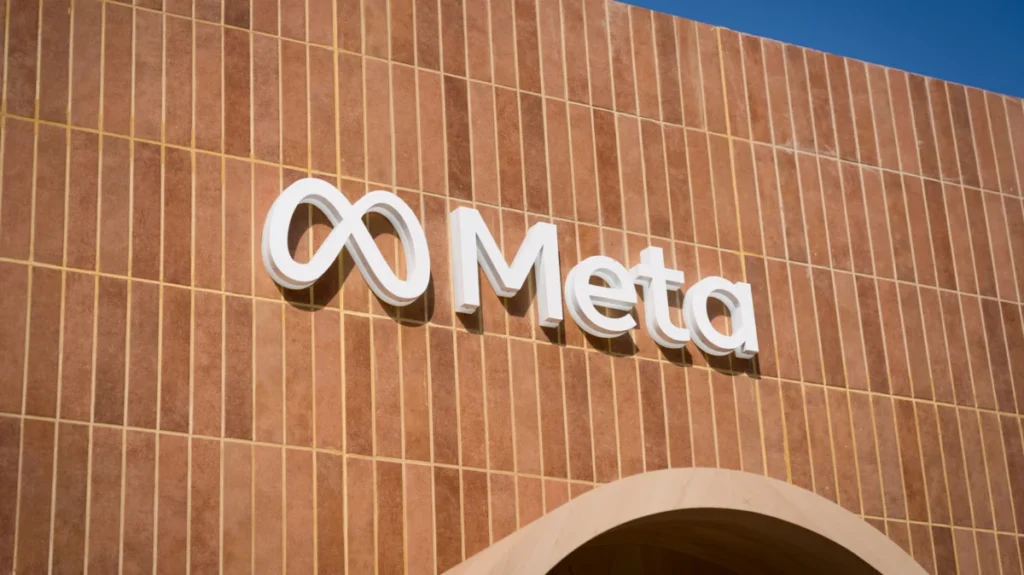
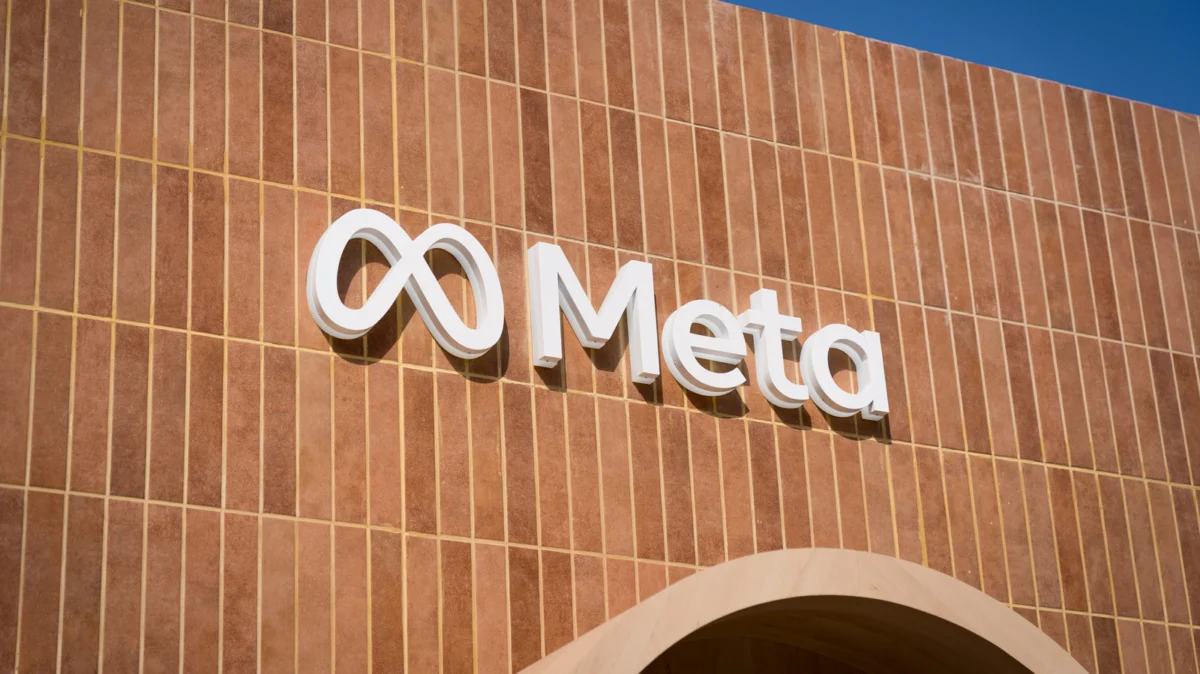
The ghost of the Cambridge Analytica scandal continues to haunt Meta Platforms, Inc. Years after the initial revelations of data misuse rocked the foundations of the digital advertising industry, a New Mexico jury has delivered a stinging verdict, finding that the tech giant deliberately misled state residents regarding their data privacy and the company’s internal handling of misinformation.
This latest legal setback serves as a stark reminder that while Meta has attempted to pivot toward the "metaverse" and rebrand its corporate identity, its past transgressions remain a potent legal and financial liability. The verdict, delivered in a New Mexico courtroom, concludes a trial that originated from a 2021 lawsuit, marking a significant win for state regulators seeking to hold Big Tech accountable for its historical data practices.
The Verdict: A Breach of Trust
The jury’s decision, which determined that Meta violated the state’s Unfair Practices Act, centered on a fundamental accusation: that the company systematically misrepresented its privacy protocols to its users. For years, the state of New Mexico argued that Meta (then Facebook) maintained privacy settings that were intentionally vague or misleading, allowing third-party applications to harvest user data under the guise of platform integration.
Furthermore, the state successfully argued that Meta’s public-facing policies regarding hate speech and misinformation were applied inconsistently, creating a false sense of security and safety for the average user. While Meta’s defense team acknowledged that the company had "made mistakes" in its early years, they staunchly denied allegations that the firm engaged in the active sale of user data or that it profited financially from the spread of hate speech on its platforms. The jury, however, was not persuaded by these defensive nuances.
Chronology: From 2016 to the Present
To understand the significance of this ruling, one must look back at the timeline of the Cambridge Analytica saga, a watershed moment in the history of social media.
- 2016: Data harvesting occurs. Cambridge Analytica, a political consulting firm, gains access to the private information of roughly 50 million (later estimated at 87 million) Facebook users without their explicit consent. This data is subsequently utilized to build psychological profiles and target political advertisements during the 2016 U.S. presidential election.
- 2018: The scandal breaks globally. Whistleblowers and investigative journalists expose the extent of the data breach, leading to congressional hearings, a massive drop in Meta’s stock price, and the beginning of a years-long regulatory crusade.
- 2021: Meta Platforms, Inc. undergoes a high-profile rebranding, shifting its corporate name from Facebook to Meta to signal a new focus on the "metaverse." Critics argued the move was a transparent attempt to distance the company from the toxicity of the Cambridge Analytica era.
- 2021 (The Lawsuit): The State of New Mexico files its formal complaint, alleging that the company’s business practices were deceptive and harmful to its citizens.
- 2023–2024: Meta attempts to settle several nationwide lawsuits regarding youth safety and data privacy, including a massive $18 billion settlement with 47 U.S. states. However, New Mexico and Florida decline to participate in specific portions of these agreements, opting to keep their litigation alive.
- 2026 (The Current Verdict): The New Mexico jury returns its verdict, confirming that Meta’s past conduct warrants legal accountability, leaving the door open for significant financial penalties.
Supporting Data: The Scale of the Misrepresentation
The core of the New Mexico case rested on the discrepancy between what Meta told the public and how it actually operated. Internal documents presented during the trial—and throughout previous investigations—painted a picture of a company that prioritized growth and third-party developer engagement over the protection of user data.
The "Unfair Practices Act" violation is particularly damaging because it suggests a pattern of behavior rather than a singular, accidental bug. Experts who testified for the state pointed to the "platform ecosystem" of the mid-2010s, where Facebook incentivized developers to build apps that required deep access to user profiles, friends lists, and even private messages. By failing to police these developers effectively, the state argued, Meta effectively turned a blind eye to the commodification of its users’ private lives.
Furthermore, the scale of the misinformation issue has been quantified by numerous researchers. Meta’s own internal audits have periodically surfaced, revealing that the company’s algorithms were often tuned to prioritize "engagement"—which frequently meant prioritizing inflammatory or divisive content—despite public claims that the company was prioritizing "meaningful social interaction."
Official Responses and Legal Maneuvering
Meta’s legal team has maintained a consistent strategy throughout these proceedings: apologize for the "mistakes of the past" while aggressively litigating the specific legal definitions of "misleading conduct."
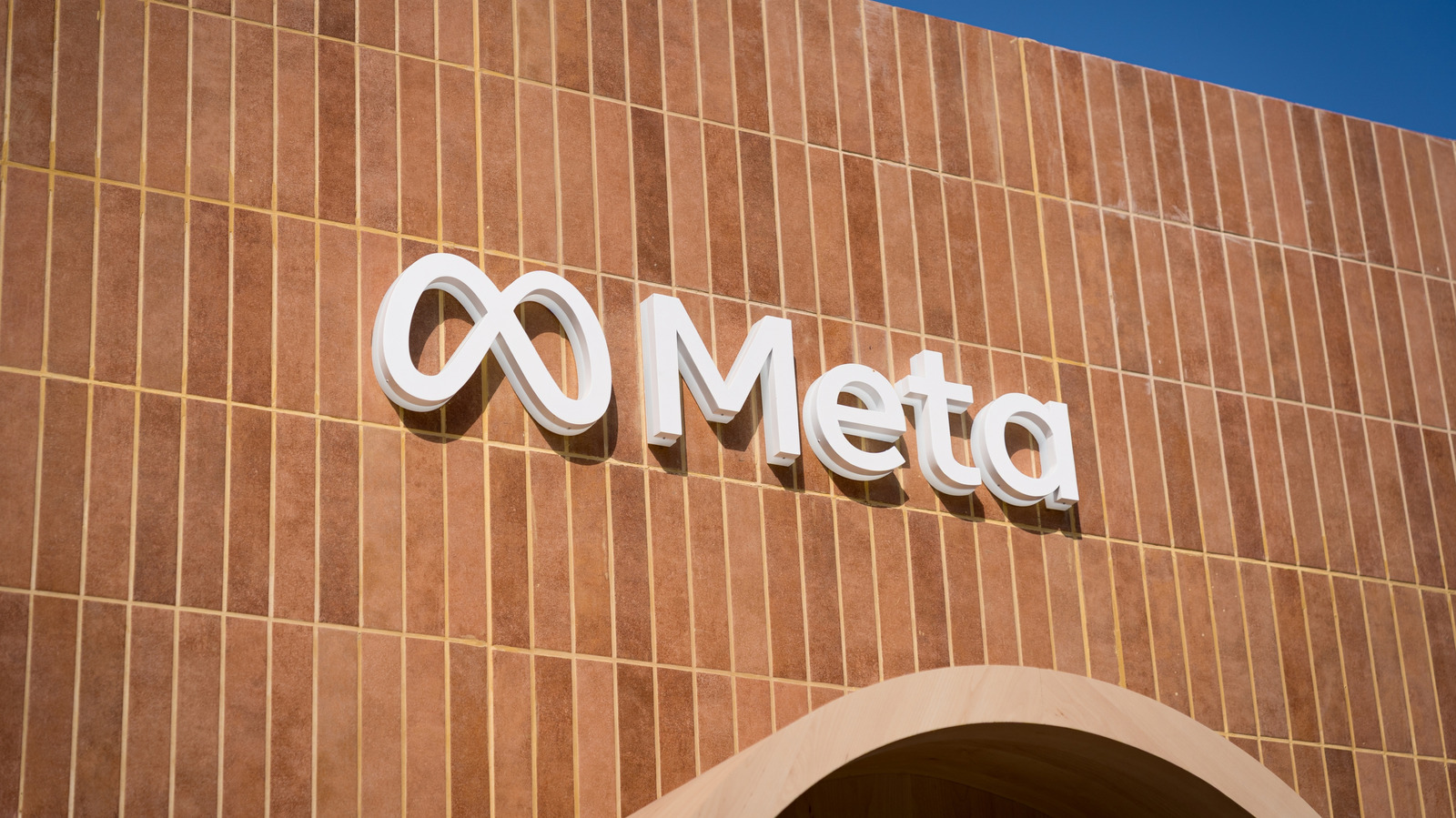
In a statement following the verdict, representatives for Meta reiterated their commitment to data privacy, noting that the company has undergone a "transformative shift" in how it handles information since the Cambridge Analytica incident. However, their defense in New Mexico—denying that they profited directly from the sale of data—highlights the company’s reliance on a business model where data access is the primary currency, even if the data itself isn’t "sold" in a traditional retail sense.
The court has yet to announce the specific fine amount. Legal analysts expect the penalty to be substantial, as the New Mexico court is now empowered to levy damages that reflect both the severity of the deception and the state’s desire to deter similar conduct in the future.
Implications: A Precedent for Future Regulation
The New Mexico verdict is more than just a localized legal defeat; it represents a dangerous trend for Meta. By refusing to join the broader, multi-state settlements, New Mexico and Florida have essentially kept the legal fire burning. This signals to other states and international regulators that the "settlement era" for the Cambridge Analytica scandal may not be as closed as Meta hoped.
1. The Erosion of the Rebranding Strategy
Meta’s rebranding was intended to draw a line in the sand. By losing this case, the company proves that the "old" Facebook is still the "current" Meta in the eyes of the law. This makes it increasingly difficult for the company to shake the perception that its foundational business model is inherently at odds with consumer privacy.
2. A Blueprint for Future Litigators
The success of the New Mexico attorney general’s office provides a roadmap for other jurisdictions. Attorneys in other states, or even abroad in the European Union or Australia, may look to the New Mexico trial as a template for how to successfully argue "unfair practices" cases against tech platforms. This could lead to a wave of "copycat" lawsuits that keep Meta in court for the remainder of the decade.
3. Increased Regulatory Scrutiny on Algorithms
Beyond data privacy, the court’s focus on the handling of misinformation suggests that the courts are becoming more comfortable questioning the "black box" nature of social media algorithms. If Meta can be held liable for misrepresenting its moderation policies, the company may find itself forced to be more transparent about how its algorithms promote content, potentially upending the engagement-first architecture that has defined its revenue model for two decades.
Conclusion
As Meta continues to pour billions into artificial intelligence and the development of virtual reality hardware, the New Mexico verdict serves as a persistent, high-cost reminder that a company cannot simply code its way out of its past. The Cambridge Analytica scandal remains the "original sin" of the social media era, and until Meta can demonstrate that its current policies are fundamentally different from the practices of 2016, it will continue to face the scrutiny of juries, regulators, and a public that is increasingly wary of the cost of "free" social media.
The upcoming penalty phase of the New Mexico trial will be the next major milestone. Whether the fine is a drop in the bucket for a company with Meta’s valuation or a meaningful punitive measure, the verdict has already achieved something more profound: it has codified, through the judicial process, the reality that Meta’s path to growth was paved with broken promises. The company may have changed its name, but the jury has made it clear: the ledger of history is still open, and the account is far from settled.