The Retro Renaissance: How the "Cheap Yellow Display" Is Becoming Your New Pocket-Sized Digital Assistant
In the rapidly evolving landscape of hobbyist electronics, few components have achieved the cult-like status of the "Cheap Yellow Display" (CYD) ESP32 development board. Originally designed as a low-cost, all-in-one prototyping solution for IoT enthusiasts, the board has recently found a second life as the heart of a nostalgic technological revival. Thanks to the creative ingenuity of developer [sau412], the humble CYD can now be transformed into a functional Portable Digital Assistant (PDA)—a bridge between the simplicity of the 1990s and the connectivity of the modern era.
Main Facts: The CYD PDA Project
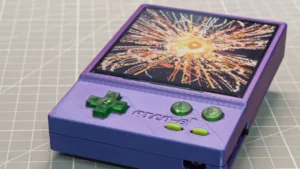
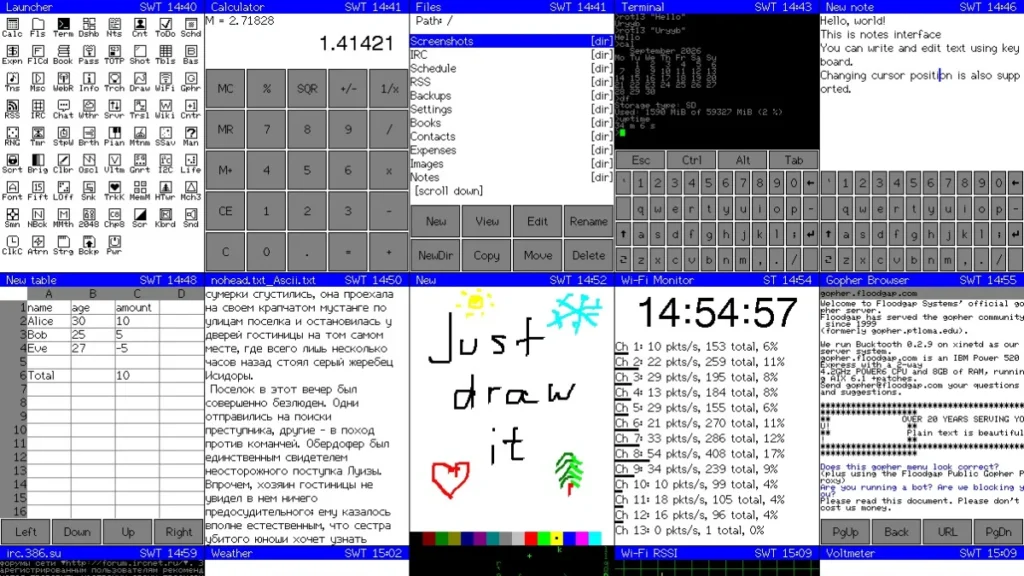
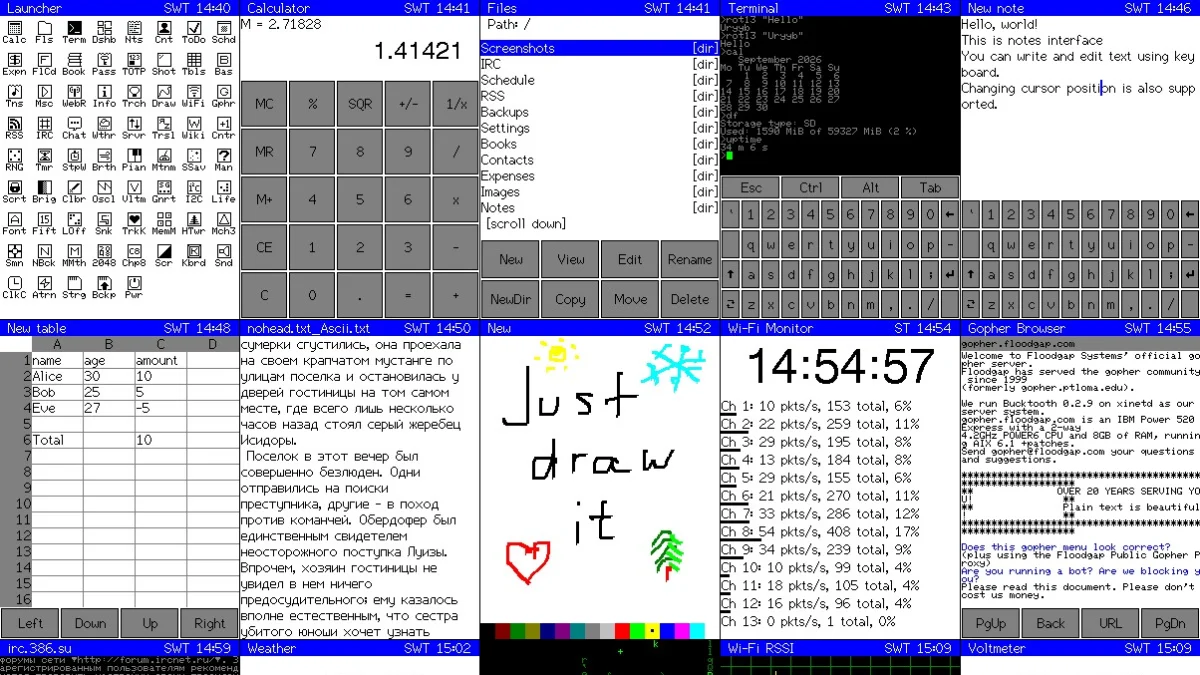
The project, aptly titled esp32_cyd_pda, is a comprehensive firmware suite designed specifically for the ESP32-based CYD hardware. Unlike previous attempts to port legacy operating systems, [sau412] opted for a clean-sheet approach. By developing custom firmware inspired by the ergonomic and minimalist design philosophy of the Palm OS era, the developer has successfully distilled the essence of a PDA into a modern, internet-capable package.
The device functions as a standalone digital organizer and information tool. It strips away the intrusive notifications, high-definition camera arrays, and hyper-connected nature of today’s smartphones, returning the user to a "utility-first" experience. Key features of the firmware include:
- A Gopher Browser: A nod to the early internet, allowing users to navigate text-based information protocols that predate the modern World Wide Web.
- Information Aggregation: Dedicated readers for RSS feeds and Wikipedia, providing essential news and knowledge without the clutter of advertisements or trackers.
- Productivity Tools: A fully functional suite including a calendar, a robust calculator, and a contact management system.
- Creative and Entertainment Tools: An integrated BASIC interpreter for on-the-fly programming, a collection of vintage-inspired games, and an ebook reader.
The primary appeal of this project lies in its accessibility. Utilizing a web-based flasher, users can transition their standard CYD board into a functional PDA in approximately five minutes, making it one of the most replicable projects in the current ESP32 ecosystem.
A Chronological Evolution: From Palm to ESP32
To understand the significance of this project, one must look at the historical trajectory of mobile computing.
The PDA Era (1996–2005)
The late 1990s and early 2000s were defined by devices like the PalmPilot and the Handspring Visor. These devices were revolutionary because they were "phoneless." They did not demand the user’s constant attention; they were tools for note-taking, scheduling, and basic data management. They lacked the "doomscrolling" potential that characterizes modern smartphones.
The Rise of the ESP32 (2016–Present)
The ESP32 microcontroller, produced by Espressif Systems, changed the game for embedded systems by offering dual-core processing, integrated Wi-Fi, and Bluetooth at a price point of a few dollars. The "Cheap Yellow Display" variant emerged as a community favorite because it combined this powerful processor with a 320×240 color touchscreen, a perfect form factor for handheld projects.
The Convergence (2024–2025)
The current trend toward "minimalist tech" has created a hunger for projects that emulate this bygone era. While other projects have attempted to emulate the full Palm OS (such as the Pumpkin OS initiative), the [sau412] project represents a pivot toward recreating the user experience rather than merely emulating the binary code. This shift allows for better performance on limited hardware while maintaining the aesthetic charm of the Y2K era.
Supporting Data: Why the CYD Is the Ideal Candidate
The choice of the CYD board is not incidental; it is an engineering decision based on cost-to-performance ratios and hardware availability.
- Cost Efficiency: The CYD board can typically be acquired for under $15 USD. This makes the PDA project not just a hobbyist endeavor, but an educational tool for students or enthusiasts on a budget.
- Hardware Integration: The board includes an SD card slot (crucial for storage of ebooks and data), the aforementioned touchscreen, and the ESP32’s native Wi-Fi/Bluetooth capabilities.
- Development Ecosystem: Because the CYD is so widely documented, the barrier to entry for users who want to modify the source code is exceptionally low. The project uses a web-based flasher, which abstracts away the complexities of command-line toolchains like ESP-IDF or Arduino IDE, allowing non-programmers to participate.
Official Perspectives and Community Responses
The feedback from the maker community has been overwhelmingly positive. Hackaday, the primary hub for this community, has highlighted the project as a standout example of "leaning into the hardware."
While there have been previous attempts at ESP32 PDAs, they often required complex custom PCBs or 3D-printed chassis that deterred the average hobbyist. By focusing on the "off-the-shelf" CYD board, [sau412] has effectively lowered the barrier to entry. Industry observers note that this project serves as a "soft entry" into embedded development; users start by flashing the device and often end up editing the source code to add their own custom features or applets.
Regarding the lack of a full web browser, the community consensus is clear: it is a feature, not a bug. By omitting a modern browser, the developer has prevented the device from becoming a "black hole" of social media consumption, keeping the device aligned with its intended purpose as a focused productivity tool.
Implications: The Future of "Slow Tech"
The rise of the CYD PDA project signals a broader shift in consumer technology sentiment, often referred to as "Slow Tech" or "Digital Minimalism."
Reclaiming Attention
The modern smartphone is designed to monopolize user attention. By contrast, a device that lacks an infinite feed or push notifications forces a return to intentional usage. The CYD PDA represents a "hardware-enforced" break from the attention economy. When you use the device to check Wikipedia or read an ebook, you do so with a specific purpose; when that purpose is fulfilled, the device is returned to its dock.
The Longevity of Open Hardware
This project highlights the power of open-source firmware. Even if the original manufacturers of the CYD were to stop production tomorrow, the code written by [sau412] ensures that the hardware remains useful for years to come. It turns a piece of mass-produced, inexpensive silicon into a personal artifact with a distinct identity.
Educational Potential
For educational institutions, the CYD PDA is a goldmine. It allows students to engage with the concepts of file systems, UI design, network protocols (like Gopher), and interpreted languages (BASIC). It provides a tangible, high-reward result that is far more engaging than traditional computer science simulations.
The Path Forward
Looking ahead, we can expect to see more "forks" of this firmware. Developers may add support for encrypted messaging, local document editing, or even rudimentary audio playback. As the community continues to refine the user interface, the line between a "toy" and a legitimate, high-utility tool will continue to blur.
Conclusion
The transformation of the Cheap Yellow Display into a functional PDA is more than just a clever hack; it is a commentary on our relationship with technology. By reclaiming the form factor of the past and applying it to the efficient, low-power hardware of the present, [sau412] has provided a blueprint for how we might live better with our devices.
In a world dominated by screens that demand everything from us, the CYD PDA asks for very little—and in return, it gives us back our focus, our time, and the joy of simple, functional computing. If you have a CYD board gathering dust in a drawer, there has never been a better time to turn it into a personal assistant that actually respects your attention. Whether you are a fan of 90s nostalgia or simply a proponent of digital minimalism, this project offers a refreshing, accessible, and deeply satisfying way to engage with the technology in your pocket.