The Silicon Gold Rush: Why Your Old GPU Is Suddenly a Financial Asset
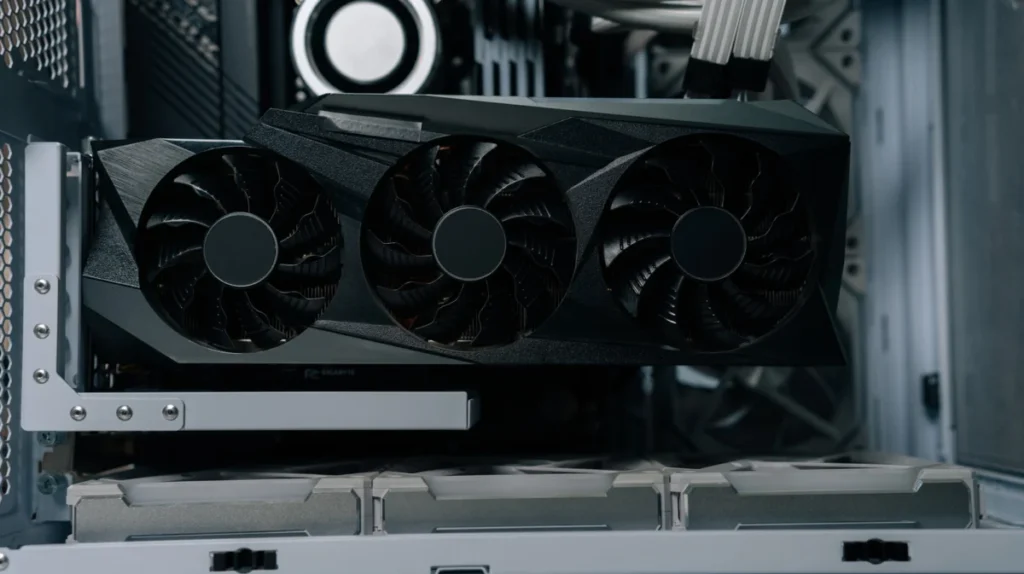
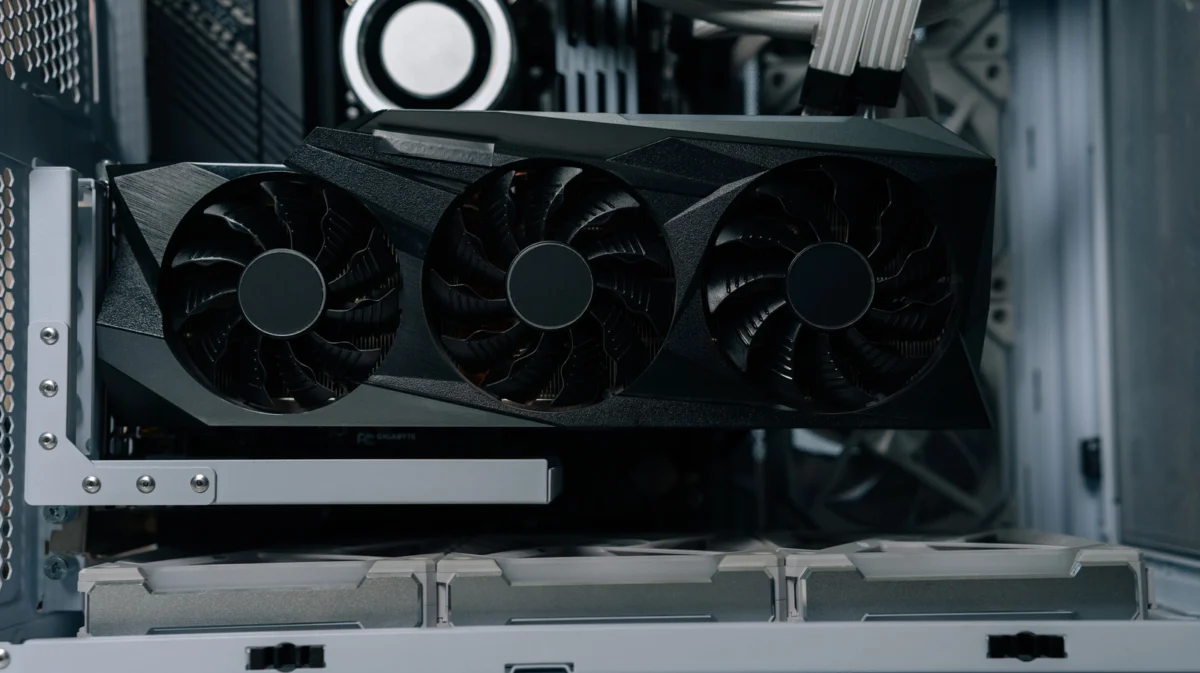
In the landscape of modern personal computing, the graphics processing unit (GPU) has long been the primary driver of gaming performance. However, in 2026, the narrative has shifted dramatically. As the industry grapples with what has been dubbed "RAMaggedon"—a systemic shortage of high-speed memory and advanced processing hardware—the GPU has transcended its role as a gaming component to become a prized commodity in the burgeoning field of local artificial intelligence development. For the average consumer, this market volatility presents an unexpected opportunity: that dusty, older graphics card sitting in a closet or powering an underutilized secondary PC might now be worth significantly more than its original purchase price.
The Genesis of RAMaggedon: Understanding the 2026 Market
To understand why a three-year-old piece of hardware is appreciating in value, one must look at the supply chain pressures defining 2026. The "RAMaggedon" is not merely a shortage of consumer-grade RAM; it is a fundamental bottleneck in the production of high-bandwidth memory (HBM) and VRAM required for large language model (LLM) training and inference.
As AI development has decentralized, moving from massive server farms into the hands of independent researchers, local startups, and hobbyists, the demand for high-VRAM hardware has surged. Companies like NVIDIA and AMD have responded by prioritizing enterprise-grade silicon, leading to massive price hikes for consumer cards. NVIDIA’s RTX 50-series, for example, has seen price surges of nearly 40 percent in retail channels, with analysts projecting another 30 percent hike by the end of the fiscal year. AMD has mirrored this trend, albeit with slightly more modest, though still significant, 10 percent increases.
Chronology of the GPU Value Spike
- Early 2025: The initial AI "gold rush" begins, as consumer-grade GPUs become the standard for local LLM fine-tuning. Prices remain stable, but supply in secondary markets begins to tighten.
- Q1 2026: The official onset of RAMaggedon. Manufacturers announce supply chain delays due to raw material scarcity. Retail MSRP for mid-to-high-tier cards begins to climb.
- Q2 2026: Used market prices begin to decouple from standard depreciation curves. Cards with 12GB+ of VRAM see a 20 percent jump in resale value.
- Present Day: High-capacity VRAM cards (16GB+) are being snapped up by AI enthusiasts, often selling for 60 percent or more of their original MSRP, regardless of wear.
Supporting Data: The VRAM Premium
The primary metric driving value in the 2026 aftermarket is not core clock speed or ray-tracing performance; it is VRAM capacity. AI models require significant temporary storage to handle the massive data packets associated with training and generation.
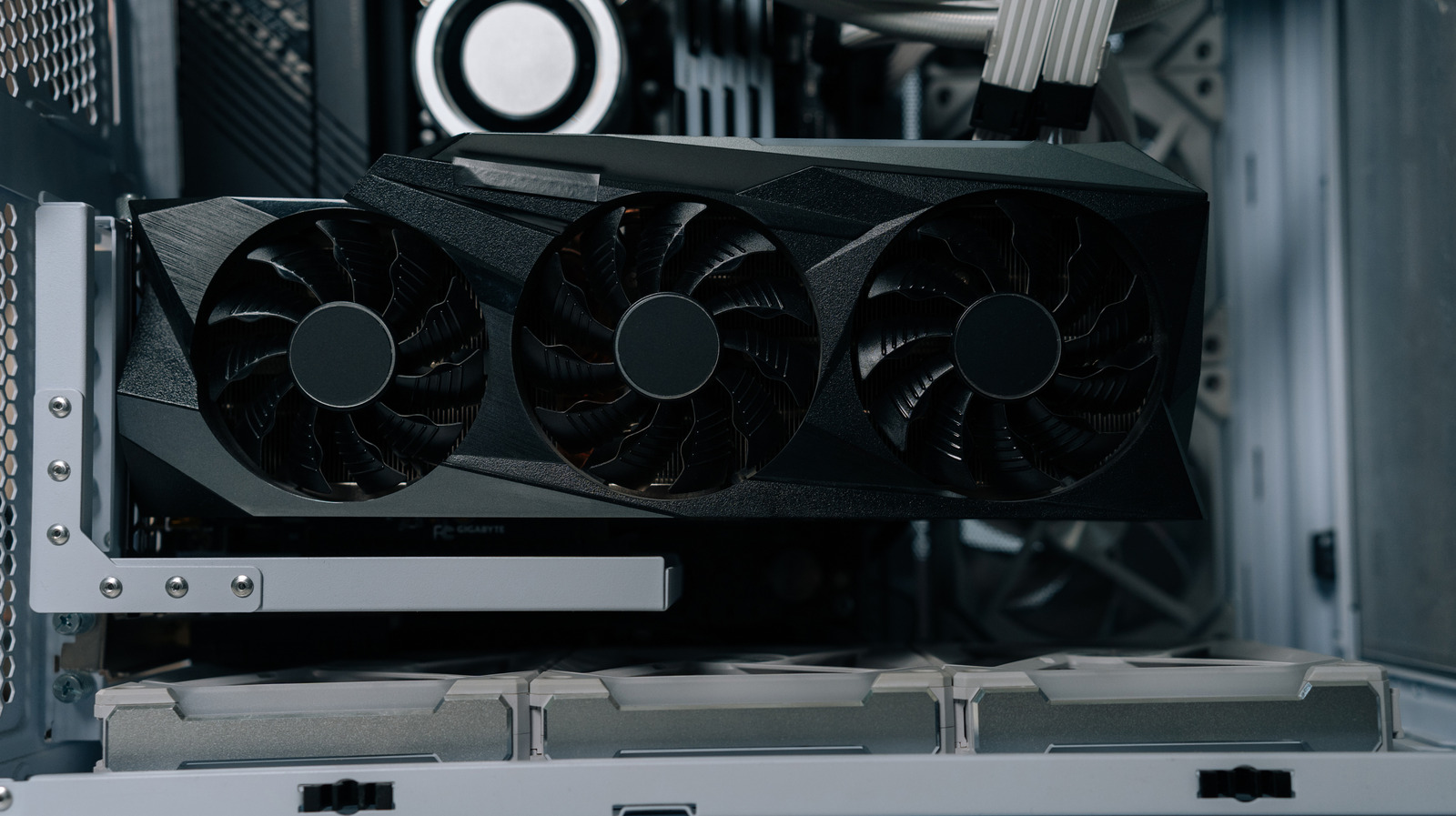
For local AI enthusiasts, the "sweet spot" is currently 12GB to 16GB of VRAM. However, professional teams and startups operating on tighter budgets are scouring secondary markets for cards with 24GB to 48GB, such as the aging NVIDIA GeForce RTX 3090. Despite being several generations old, the 3090 has seen a massive resurgence in value because its VRAM footprint remains competitive with—and sometimes superior to—newer, mid-range cards that were designed for gaming rather than compute tasks.
Current market tracking indicates that cards in good condition are retaining between 40 and 60 percent of their original retail value. In some cases, rare or highly efficient models have been documented selling at or above their original MSRP, a phenomenon rarely seen in the tech sector, which typically treats hardware as a depreciating asset.
Strategic Selling: Where and How to Liquidate
For those looking to capitalize on this trend, the choice of platform is critical. The market is currently bifurcated between high-effort, high-reward peer-to-peer marketplaces and low-effort, low-payout trade-in programs.
The Peer-to-Peer Advantage
Platforms like eBay and Facebook Marketplace currently offer the best financial returns. Because the demand is driven by specific technical requirements (VRAM capacity), a well-written listing that highlights the card’s memory specifications will often attract competitive bidding from AI hobbyists. Sellers who take the time to clean their cards, provide thermal performance benchmarks, and document the card’s history can often command prices at the high end of the market spectrum.
The Trade-in Convenience Trap
Conversely, services like Newegg’s GPU trade-in program or local PC repair shop buybacks offer a "path of least resistance." These entities provide immediate, guaranteed offers and handle the logistical overhead of shipping and re-selling. However, the trade-off is significant; you should expect to receive roughly 30 to 50 percent less than what you could achieve on the open market. This option is recommended primarily for those with older, lower-spec cards that lack the VRAM to attract high-end AI buyers, or for those who simply wish to offload hardware without the friction of private transactions.
Official Responses and Industry Outlook
The hardware manufacturing giants have been largely tight-lipped regarding the specific causes of the VRAM shortages, citing "global manufacturing constraints." However, industry observers suggest that the shift is permanent.
"We are moving into an era where hardware is no longer just a gaming peripheral," notes industry analyst Marcus Thorne. "When a GPU becomes a revenue-generating tool for an individual building an AI agent, the price-to-performance ratio changes. A card that pays for itself in training cycles in three months is worth significantly more than a card used only for rendering frames in a game."
Implications for the Future of PC Gaming
The long-term implications of this trend are stark for the gaming community. As AI continues to cannibalize the GPU supply, the barrier to entry for high-end PC gaming is rising. Gamers are now forced to compete with developers and data scientists for the same silicon, effectively pricing many out of the market.
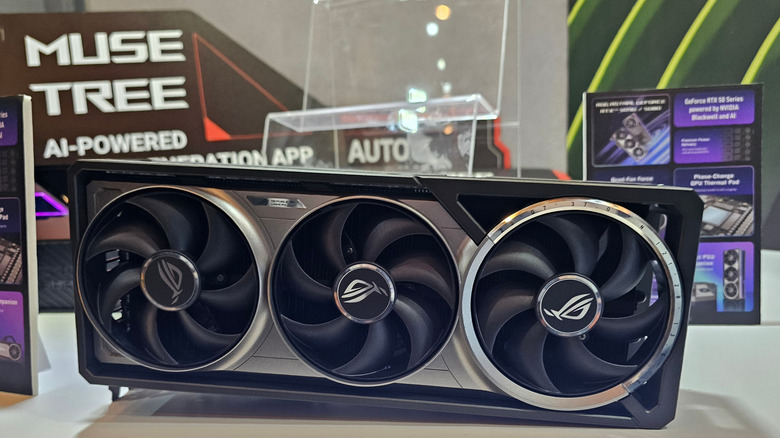
For the casual enthusiast, this provides a clear imperative: audit your hardware inventory. If you are sitting on an aging card that is not being utilized to its full potential, the current market window may be the most profitable time to sell. By moving older hardware into the hands of those who can utilize its compute power, users can subsidize their next upgrade while providing the necessary tools for the next generation of AI development.
Conclusion: A Rational Approach to Hardware
The "RAMaggedon" of 2026 serves as a reminder that the value of technology is determined by its utility, not its age. Whether you choose to hold onto your hardware for its backup potential or liquidate it to capture the current market premium, the key is to understand your card’s VRAM capacity and its place in the current AI ecosystem. In a market where scarcity dictates price, your old GPU is no longer just e-waste—it is a liquid asset.
When preparing your card for sale, ensure you document the VRAM specifications clearly. Use static-free packaging and, if possible, provide a screen capture of a stability test to prove the hardware’s integrity. By treating your used GPU as a high-value compute asset rather than an outdated gaming component, you can maximize your return in one of the most volatile and profitable hardware markets in recent history.