Powering Your Journey: A Comprehensive Guide to Navigating EV Charging Infrastructure
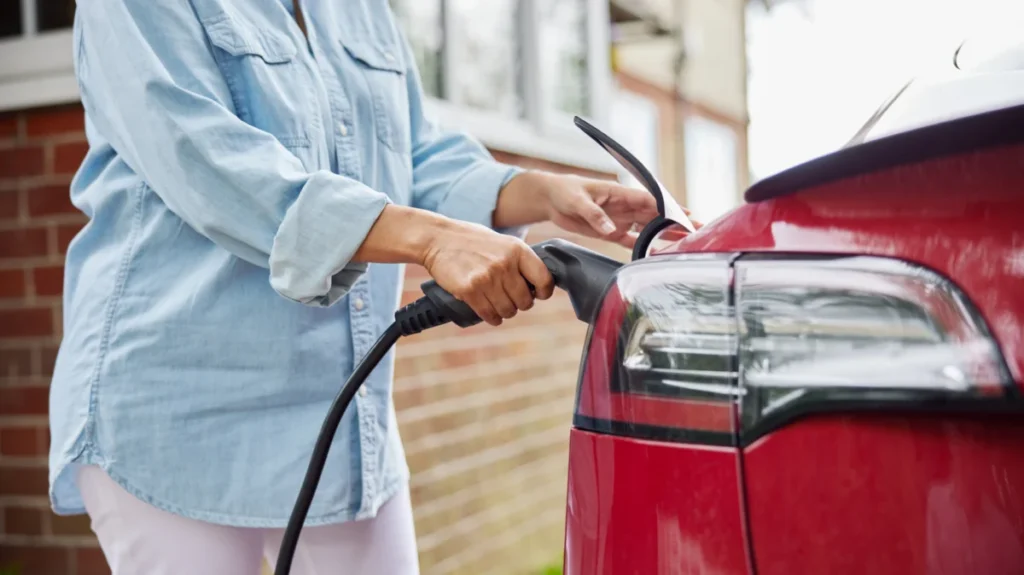
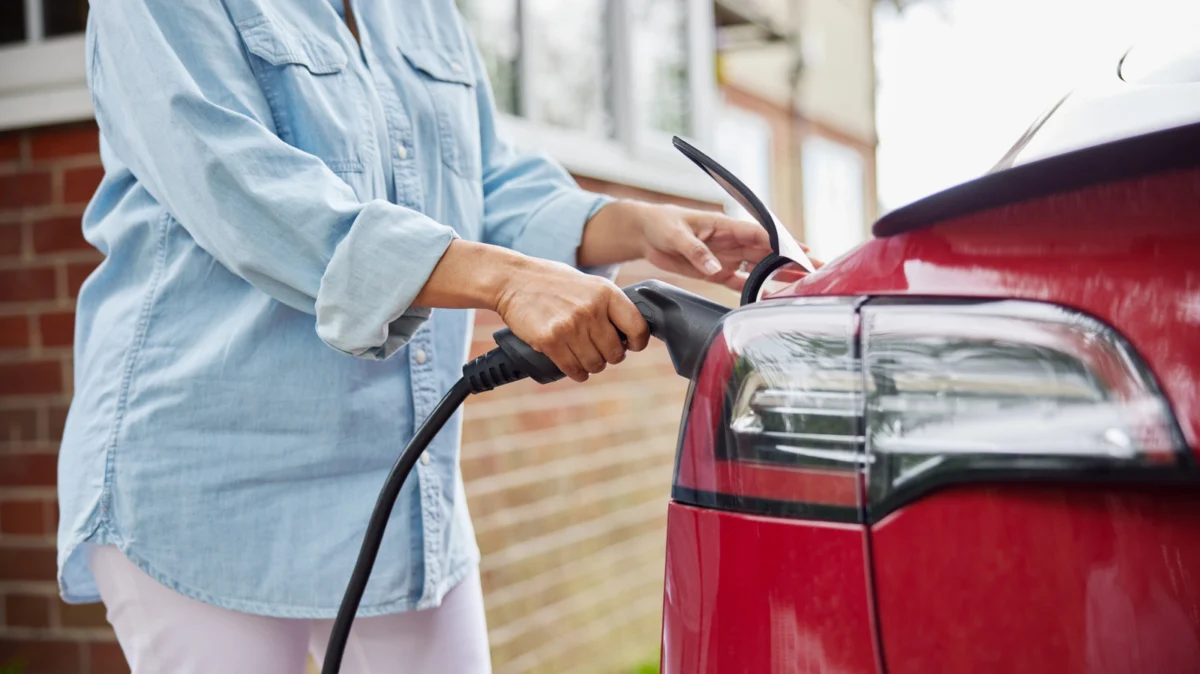
For millions of drivers, the transition from internal combustion engines to electric vehicles (EVs) represents a fundamental shift in daily routine. Beyond the mechanics of the motor, the most significant adjustment is the "refueling" process. While gas station visits are uniform, EV charging is a nuanced landscape of voltage, amperage, and connector types. Understanding the hierarchy of Level 1, Level 2, and Level 3 charging is no longer just a technical hobby—it is essential knowledge for the modern car owner.
The Hierarchy of Charging: Defining the Levels
To make an informed decision about your charging setup, one must first demystify the industry terminology. The distinction between charging levels is defined by the speed at which energy is transferred from the power source to the vehicle’s battery pack.
Level 1: The "Convenience" Standard
Level 1 charging is the most accessible, utilizing a standard 120-volt household outlet—the same kind used for your toaster or laptop. It provides approximately 1.4kW of power. Because of this low output, it is the slowest method, often requiring 40 hours or more to replenish a depleted battery. However, for those with shorter commutes, it is often sufficient.
Level 2: The Residential Gold Standard
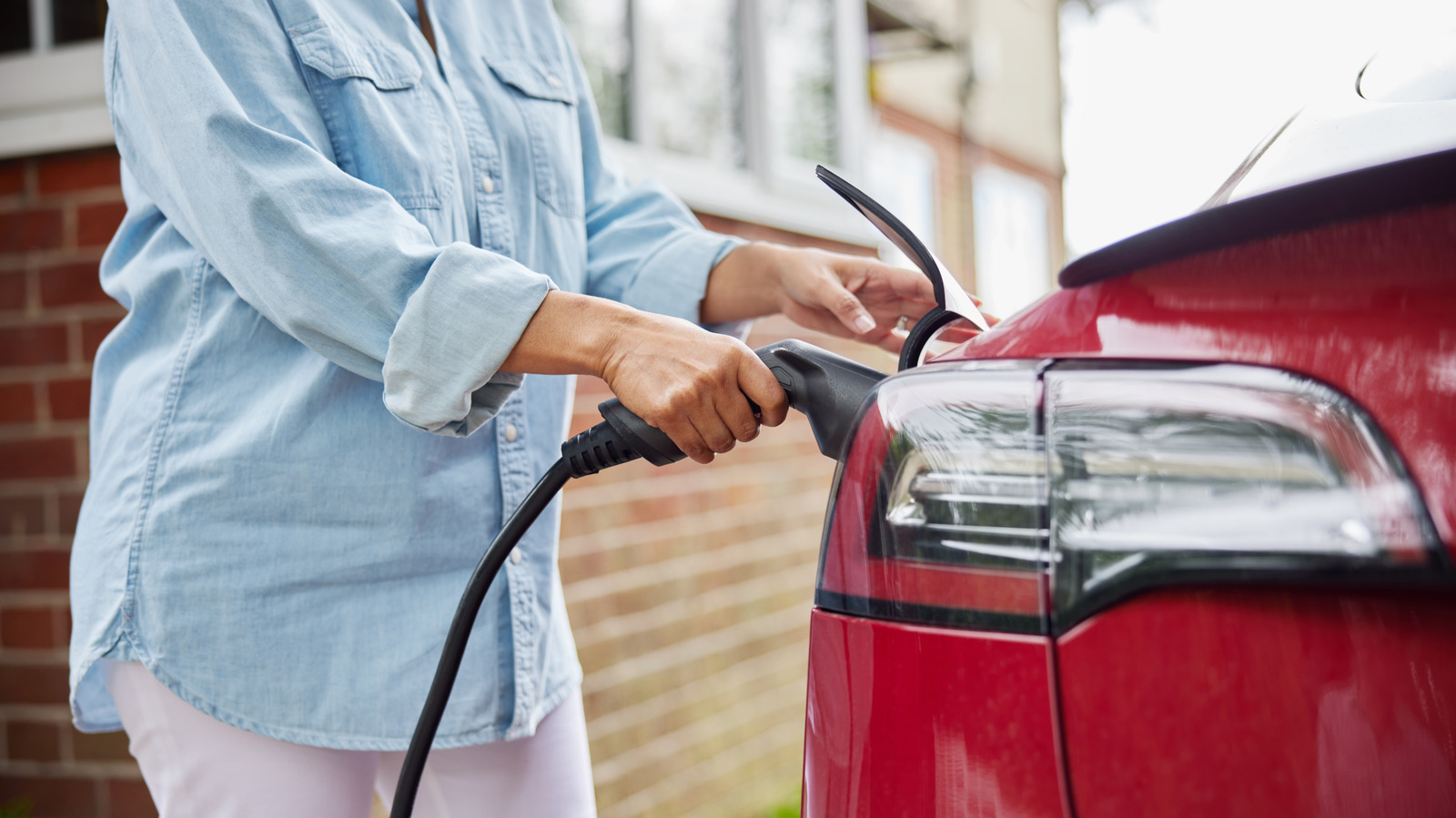
Level 2 charging utilizes a 240-volt circuit, comparable to the power supply required for an electric clothes dryer. These chargers deliver anywhere from 7kW to 19.2kW of power. By using higher voltage and amperage, Level 2 chargers significantly reduce charge times, typically enabling a full overnight charge for most commuters.
Level 3: The Rapid Response
Level 3, or Direct Current (DC) Fast Charging, is the powerhouse of the industry. By bypassing the vehicle’s onboard converter and sending DC power directly to the battery, these units can push between 50kW and 500kW. They are designed for road trips and emergency top-ups, capable of charging a vehicle to 80% capacity in under an hour.
Chronology of Infrastructure Evolution
The rapid evolution of EV charging mirrors the rapid adoption of electric mobility. In the early 2010s, charging infrastructure was sparse and inconsistent, relying heavily on proprietary networks.
- 2010–2015: The Proprietary Era. Early EV adoption was tethered to home charging and exclusive networks. Standardized plugs were still being debated, and "range anxiety" was a primary deterrent for consumers.
- 2016–2020: The Rise of CCS. The Combined Charging System (CCS) emerged as a dominant standard for non-Tesla vehicles, providing a unified connector for both AC and DC charging. This period saw a massive expansion in public charging station density.
- 2021–Present: The NACS Transition. In a major industry pivot, nearly every major automaker has pledged to adopt the North American Charging Standard (NACS)—the technology originally developed by Tesla. This transition marks the end of the "connector wars," promising a future where a single plug type serves the majority of the market.
Supporting Data: Efficiency and Battery Health
When considering which charging method is best, consumers must weigh time, cost, and the long-term health of their vehicle’s lithium-ion battery.
The Thermal Factor
All charging involves heat. Level 1 and 2 charging rely on the vehicle’s onboard charger to convert AC grid power to DC. This conversion process is inherently inefficient, creating heat that the vehicle’s thermal management system must mitigate.
Does Fast Charging Hurt Your Battery?
Data suggests that while frequent, high-power Level 3 charging can contribute to faster battery degradation due to increased thermal stress, the impact is often overstated. Modern EVs are equipped with sophisticated Battery Management Systems (BMS) that actively modulate charging speeds—tapering the intake as the battery nears 80%—to protect the cells. Experts agree that while a diet of exclusively Level 3 charging is not ideal for long-term health, occasional use is perfectly safe for modern battery chemistries.
Cost Implications
For the average driver, Level 2 is the most cost-effective solution. By utilizing "time-of-use" electricity plans, owners can schedule their car to draw power during off-peak hours (usually overnight), when utility rates are lowest. Conversely, Level 3 charging is often priced at a premium, reflecting the massive infrastructure investment and high demand on the grid.
Expert Perspectives and Industry Responses
Industry analysts note that the "best" charger is highly subjective. "For the suburban commuter who drives 30 miles a day, a Level 1 setup is not a failure—it’s an efficiency," says energy consultant Mark Sterling. "The industry often pushes Level 2 as a requirement, but it’s really a convenience upgrade. If your car sits for 12 hours every night, you don’t necessarily need the extra speed."
Automakers, however, are pushing for universal Level 2 installation as part of the vehicle purchase process. By bundling home chargers with new EV sales, companies like Ford and Hyundai are attempting to remove the friction of the "first installation" barrier, acknowledging that convenience is the primary driver of consumer satisfaction.
Implications: The Road Ahead
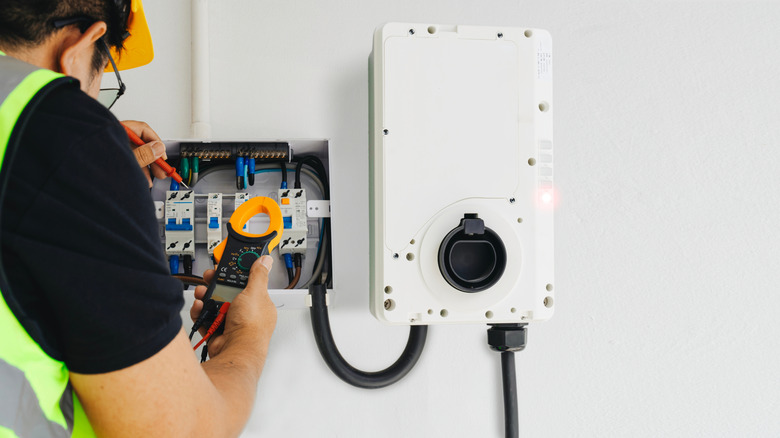
The decision to install a home charger is an investment in your property and your lifestyle. Here are the practical considerations for the average consumer:
When to Stick with Level 1
- Your daily commute is under 30 miles.
- You have access to a dedicated, reliable 120V outlet.
- You are renting or in a temporary housing situation where expensive electrical upgrades are not feasible.
When to Upgrade to Level 2
- Your daily commute exceeds 50 miles.
- You live in a region with extreme cold, where batteries require extra power for pre-conditioning and heating.
- You own multiple EVs that must share a single charging spot.
- You want the peace of mind that a full "tank" is ready every single morning.
Navigating the Public Grid
For long-distance travel, the reliance on Level 3 is inevitable. As we transition to the NACS standard, users should be prepared for a period of transition. Using third-party apps like PlugShare or ChargePoint remains the most reliable way to filter for specific connector types. These platforms do more than just map locations; they provide real-time status updates on whether a charger is operational, occupied, or under maintenance.
The "Adapter" Reality
As the industry shifts to NACS, millions of existing CCS-equipped vehicles will remain on the road. The immediate future will involve the widespread use of adapters. While the industry is standardizing, drivers should proactively check their vehicle’s compatibility and carry the necessary hardware to avoid being stranded at a non-compatible station.
Final Thoughts: The Charging Mindset
The shift from gas to electric requires a shift in mindset: stop thinking of "refueling" as a chore performed at a station and start viewing it as a background task. For most owners, the car is an appliance that "fills up" while you sleep. Whether that happens at the slow trickle of a Level 1 wall plug or the rapid flow of a Level 2 home station, the goal is to make the process invisible. By choosing the charging level that fits your specific daily usage, you not only save money but also contribute to the longevity of the vehicle that powers your daily life.